TOEFL 26 全真模考
備戰2026新托福
全真TOEFL 26模考,配備自適應閱讀聽力、全部新題型,口說寫作AI智慧評分。
先做一題2026新題型的口說或寫作題,由AI評分。註冊LingoLeap帳號即可免費使用,無需綁卡。
或直接開啟整套模考 PQ26-1(整套模考批改需800積分)
查看全部已發布模考(104套)↓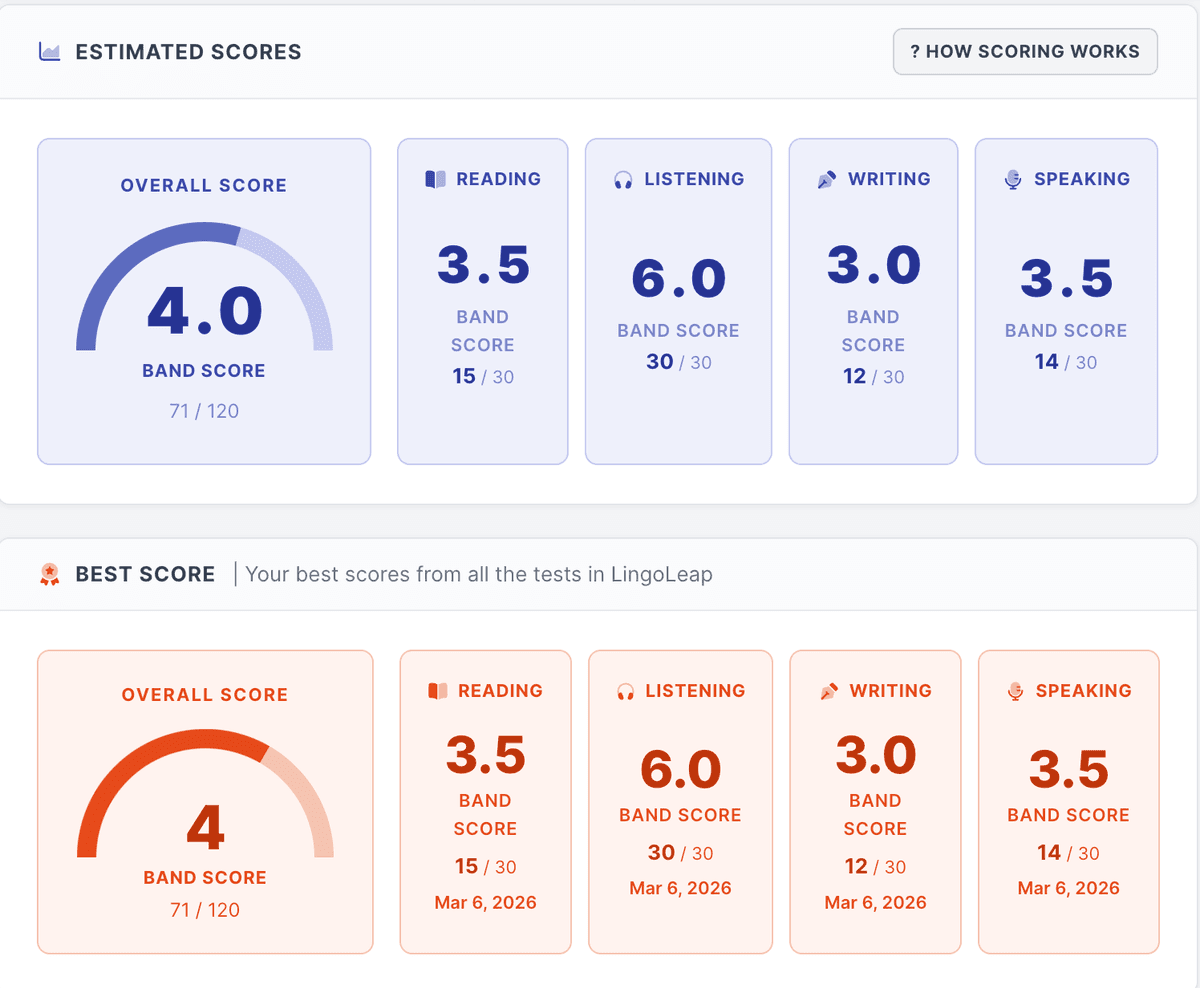 Score Report
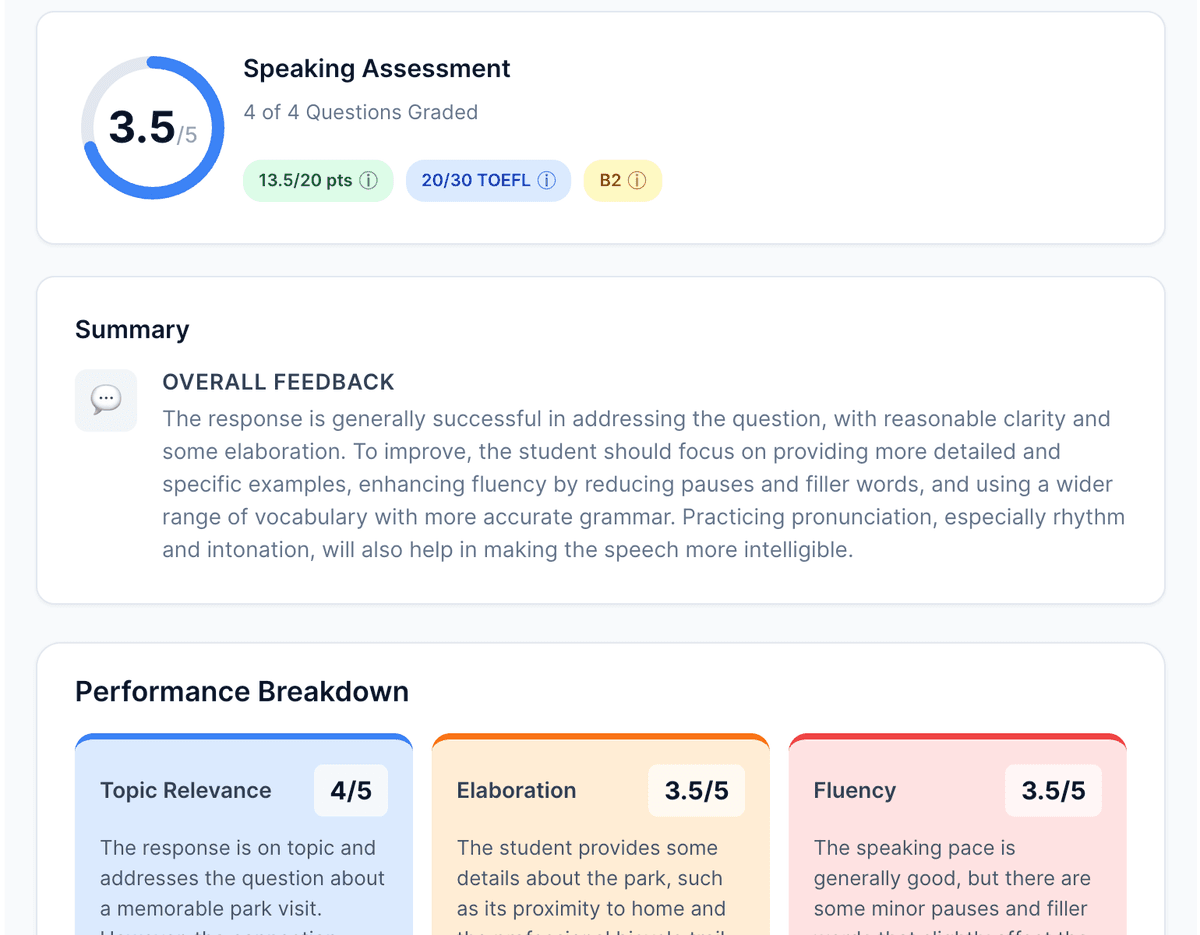 AI Speaking Score
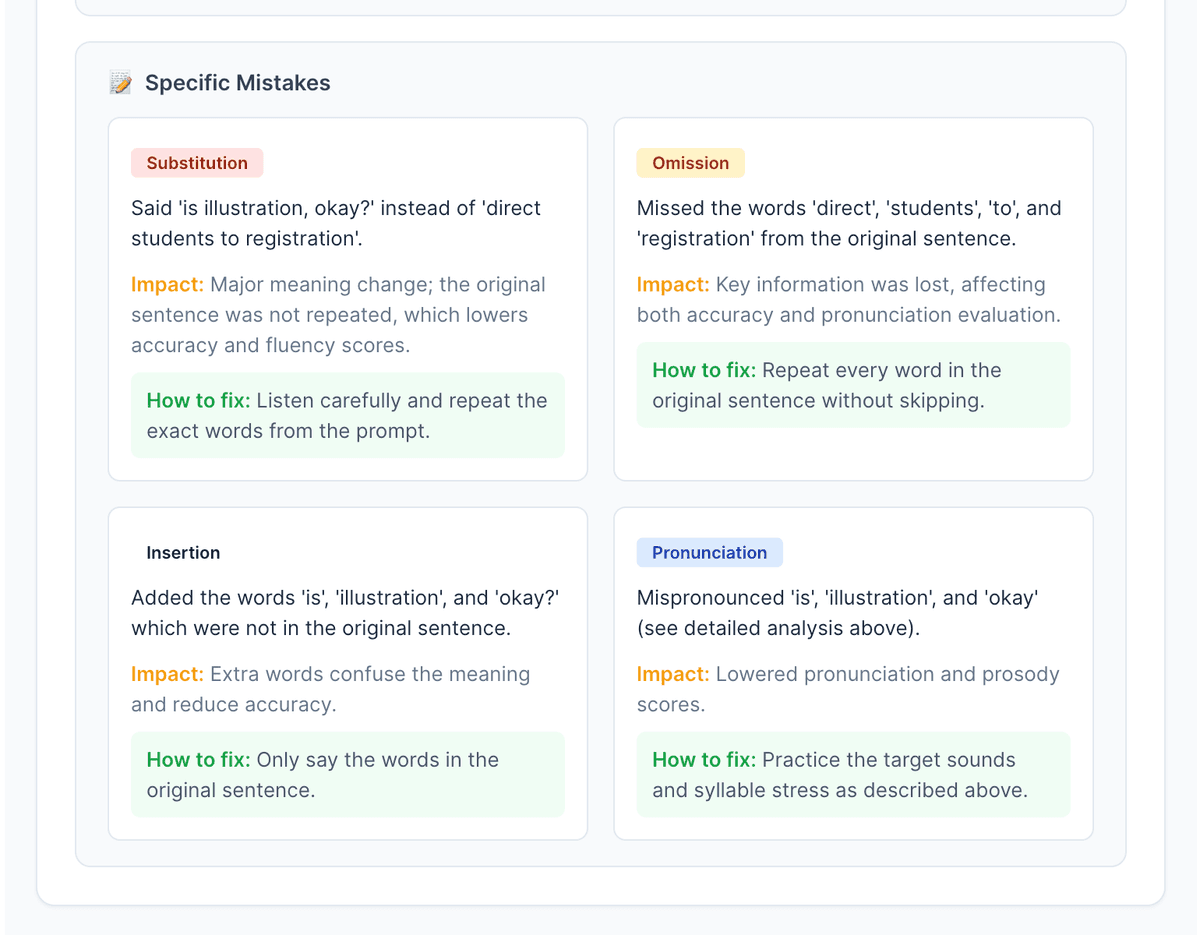 Mistake Analysis
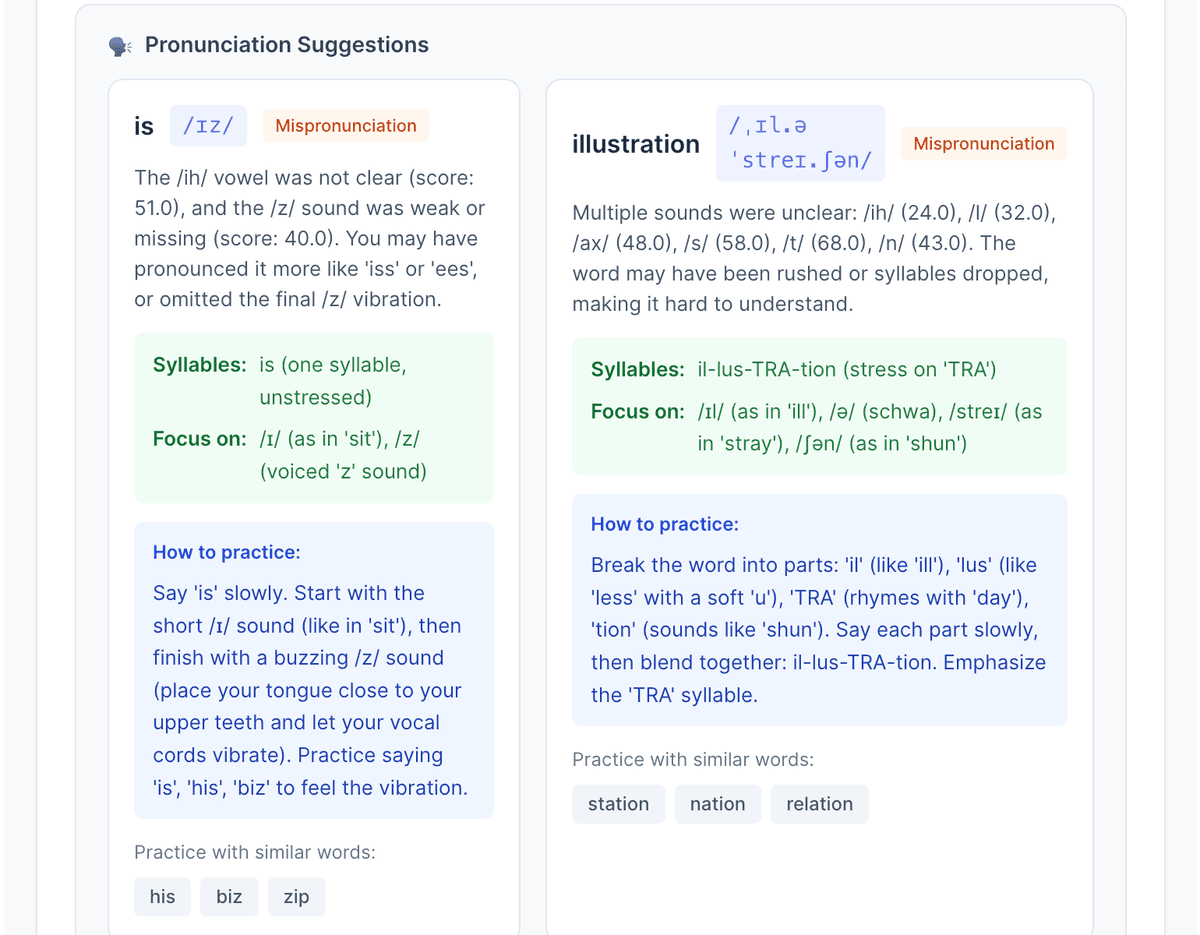 Pronunciation Feedback
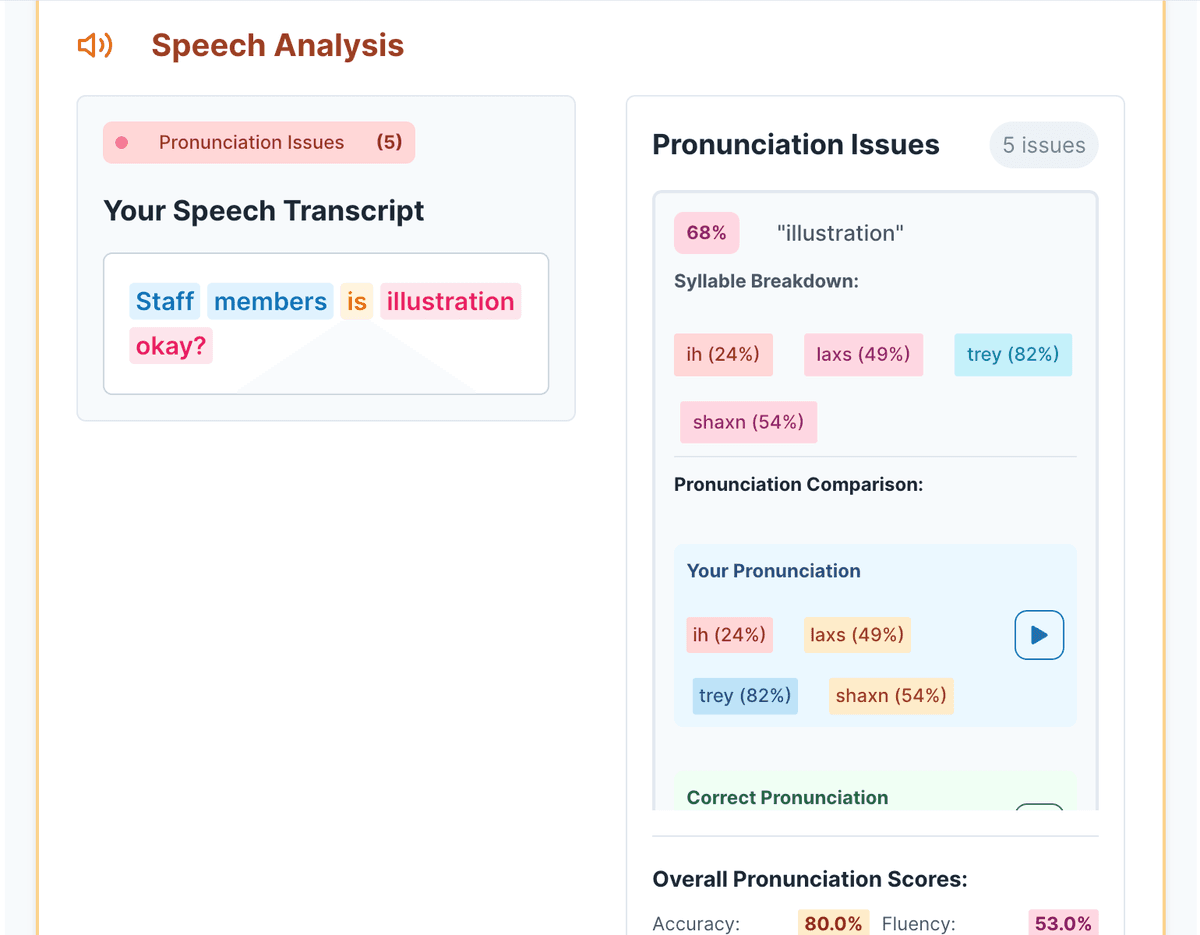 Speech Analysis
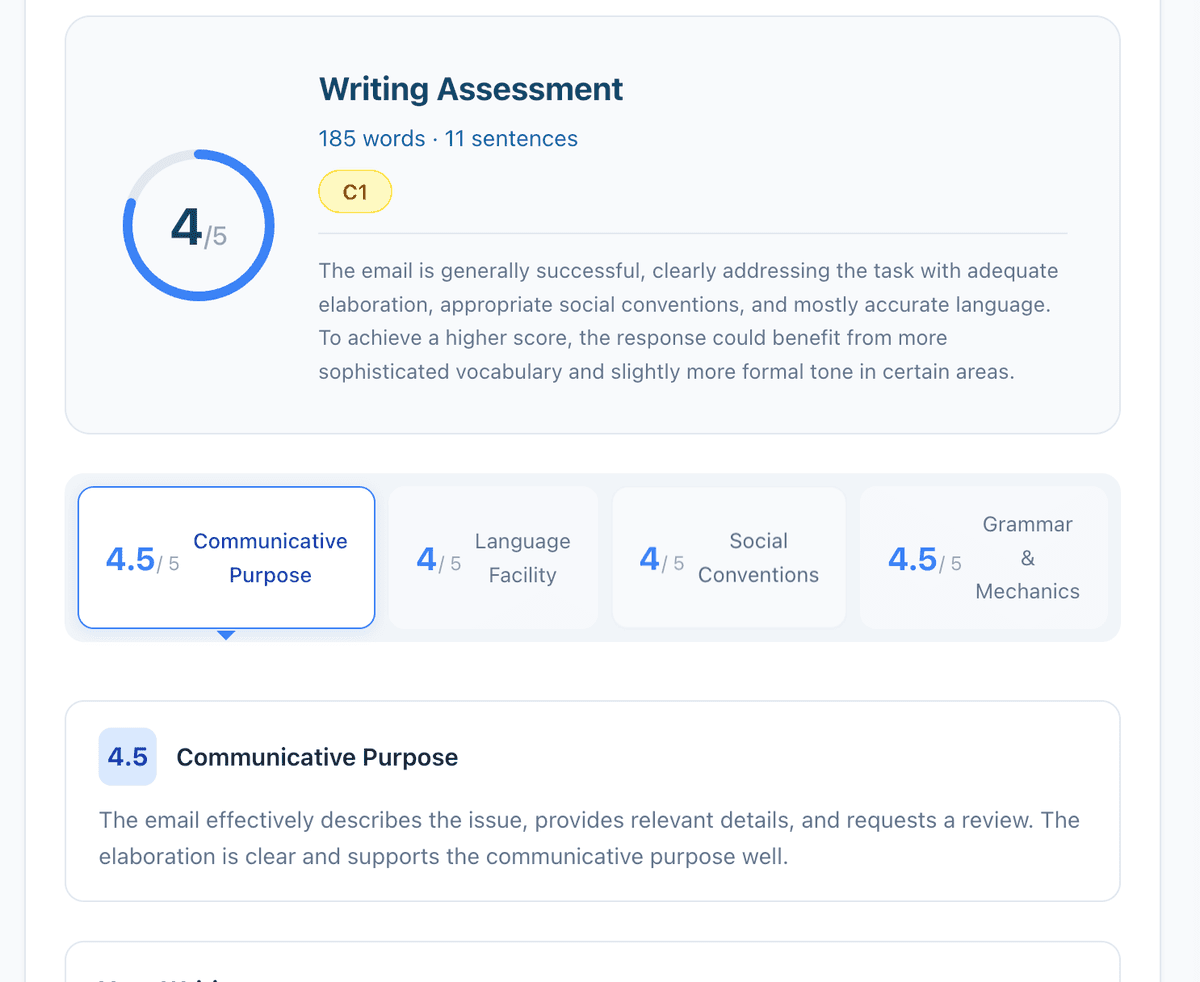 AI Writing Score
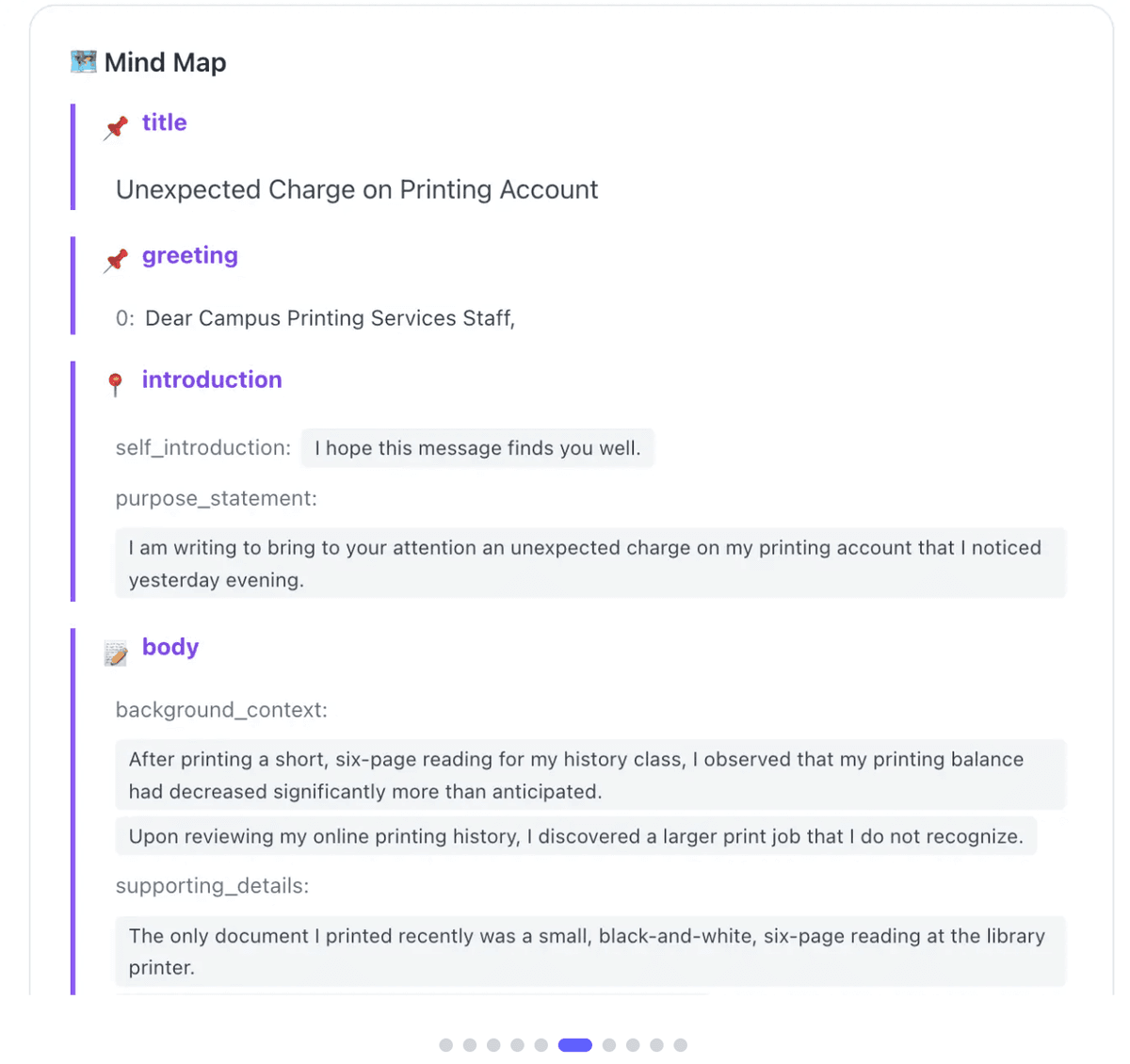 Article Structure Feedback
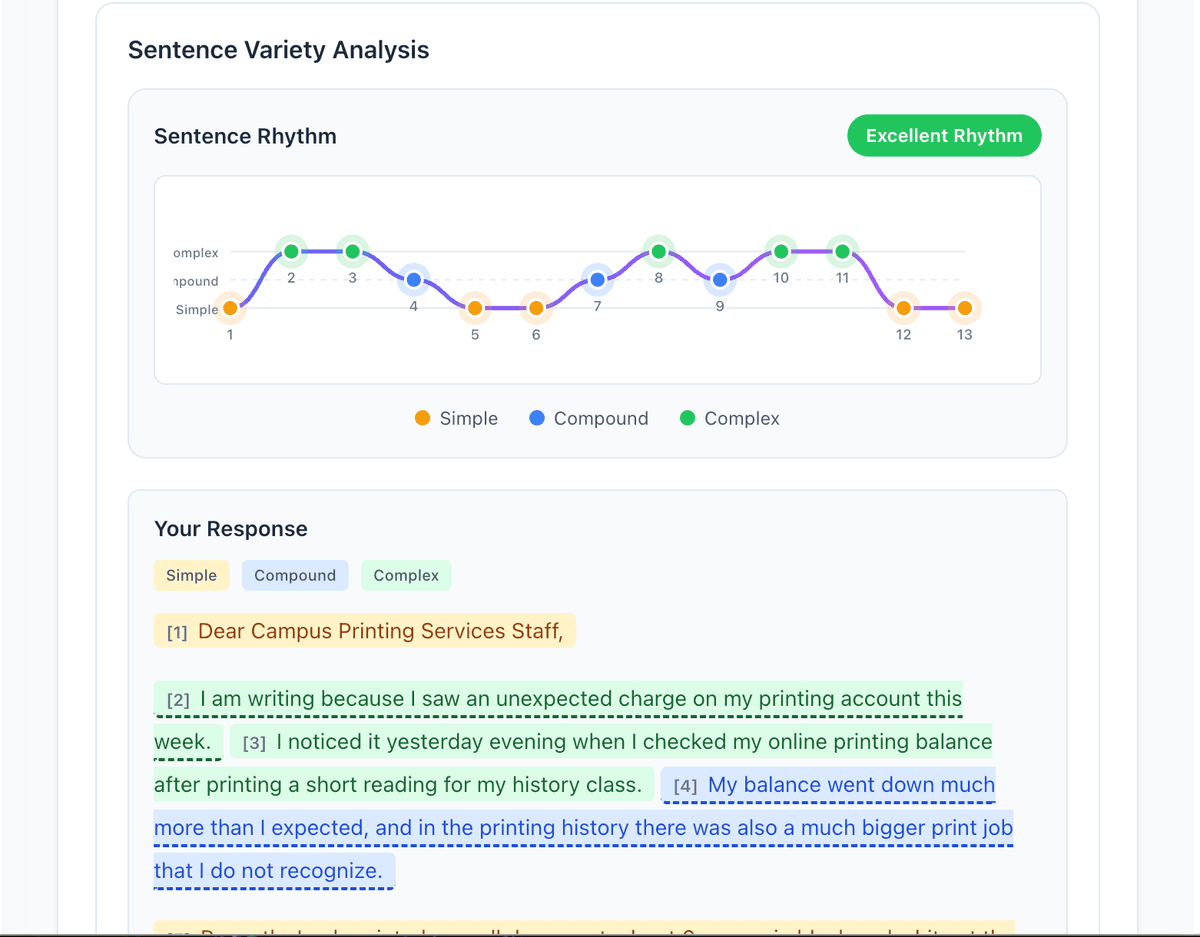 Sentence Variety
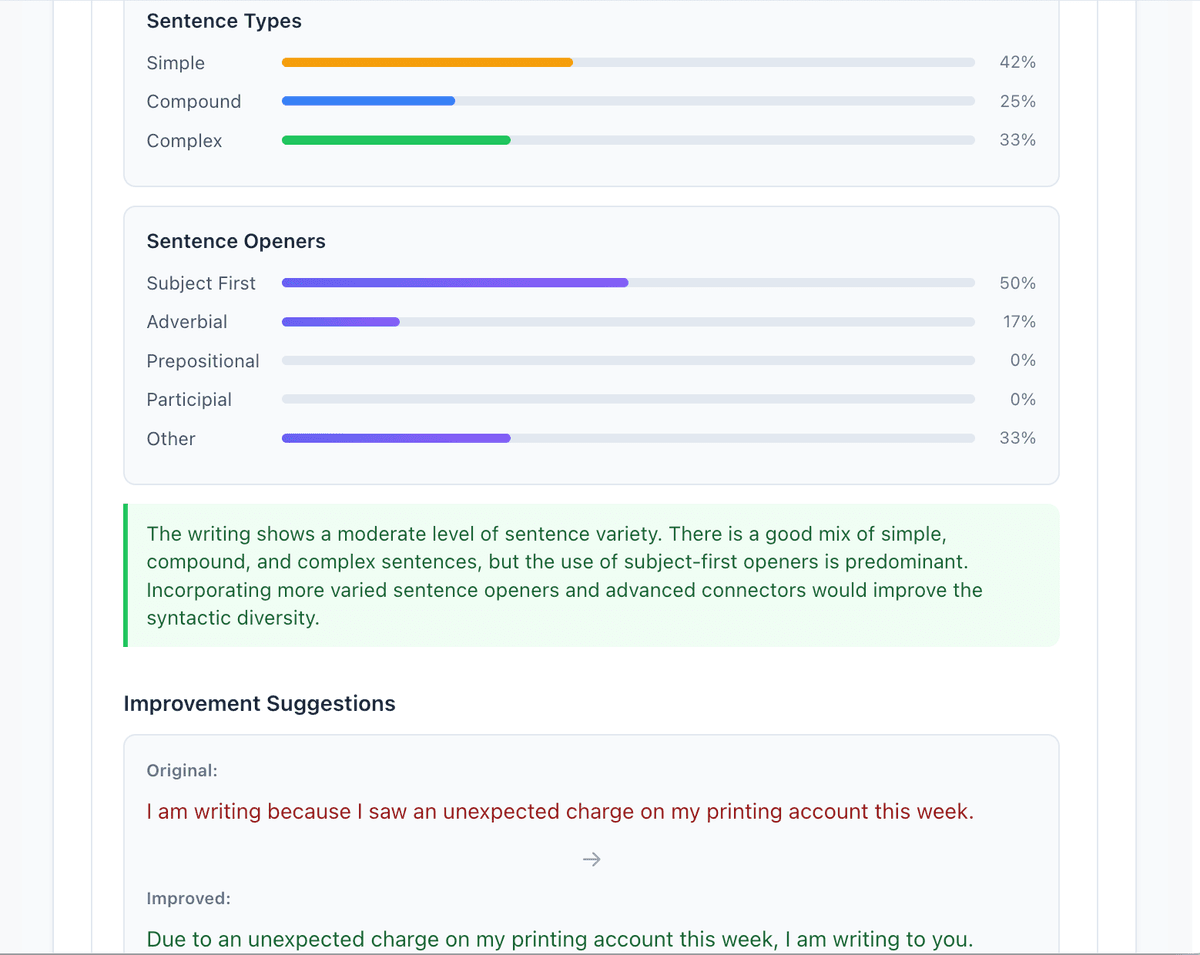 Improvement Suggestions
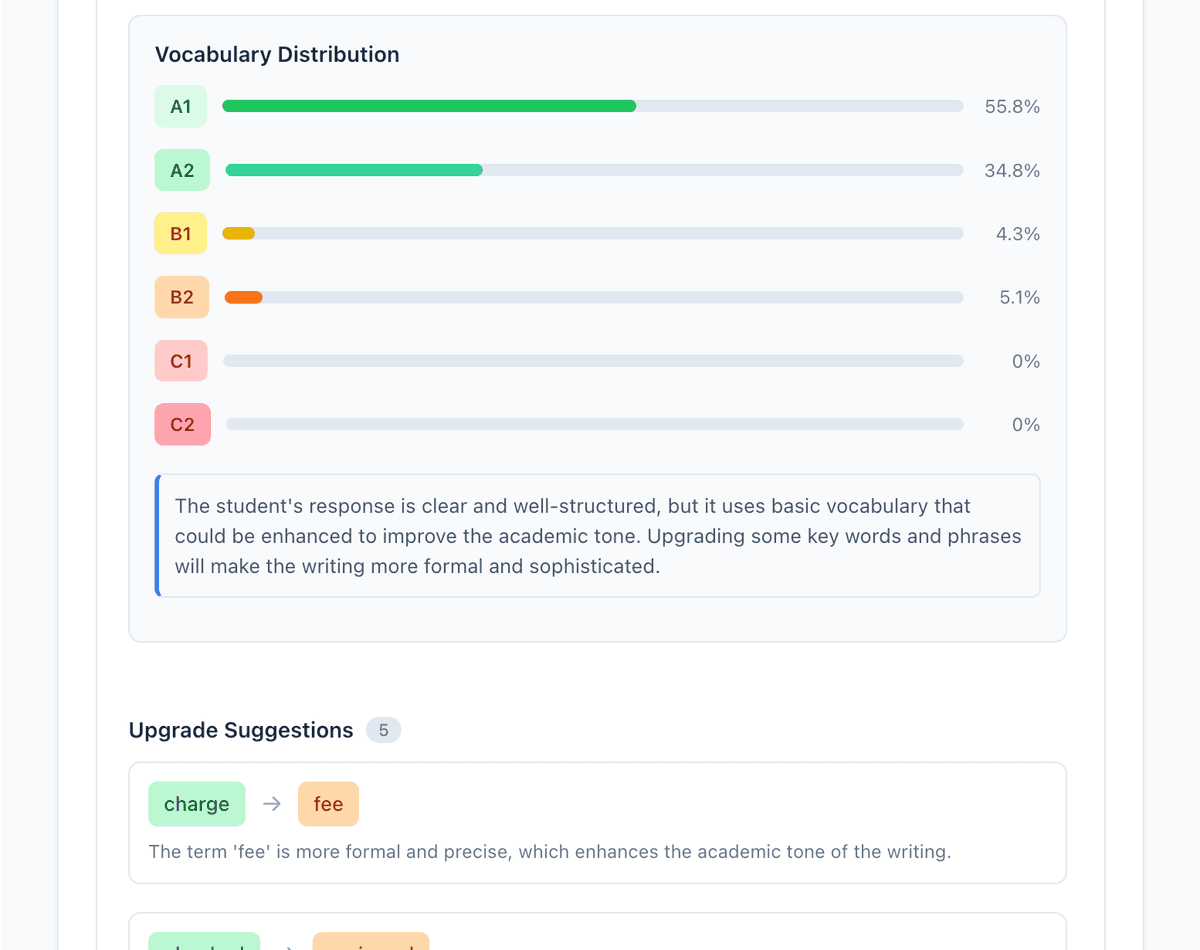 Vocabulary Feedback
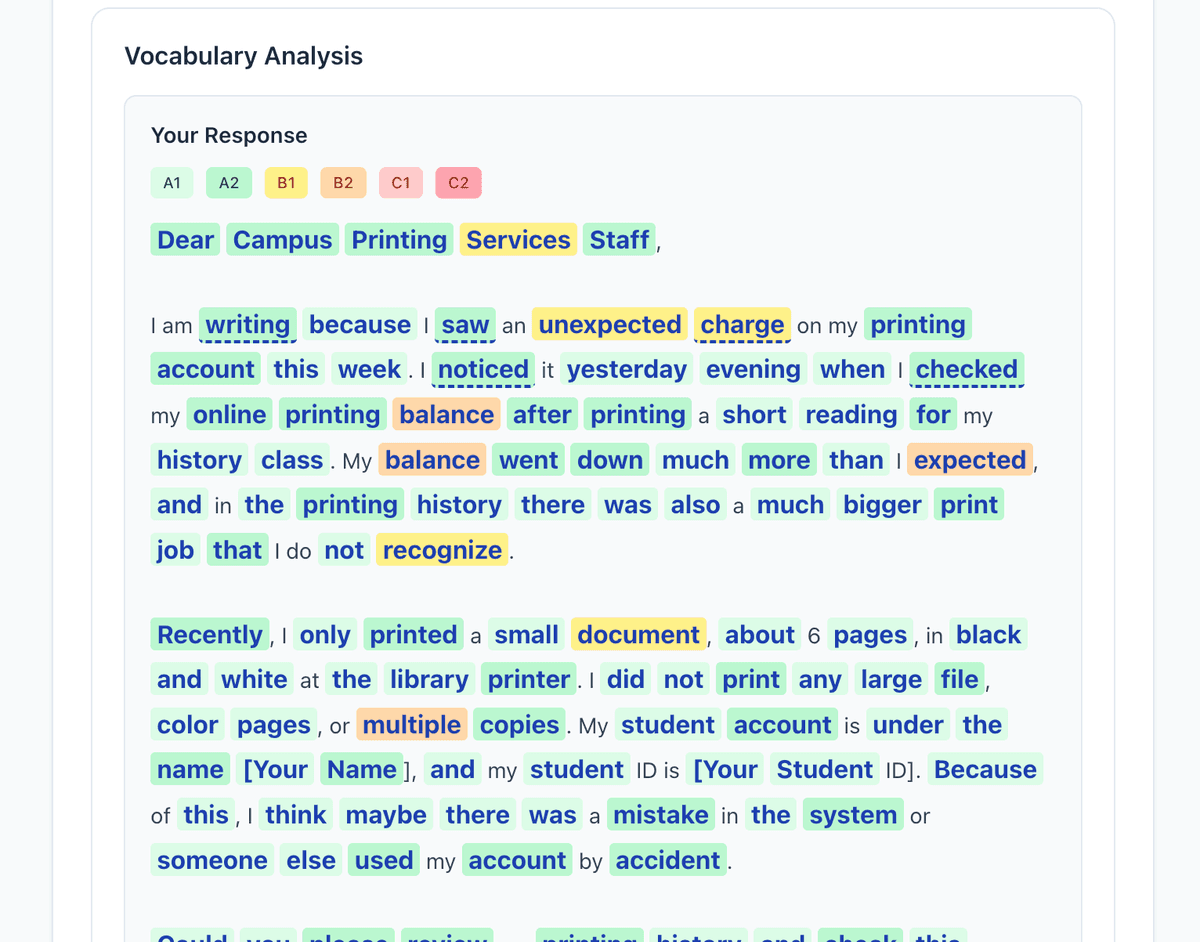 Vocabulary Analysis
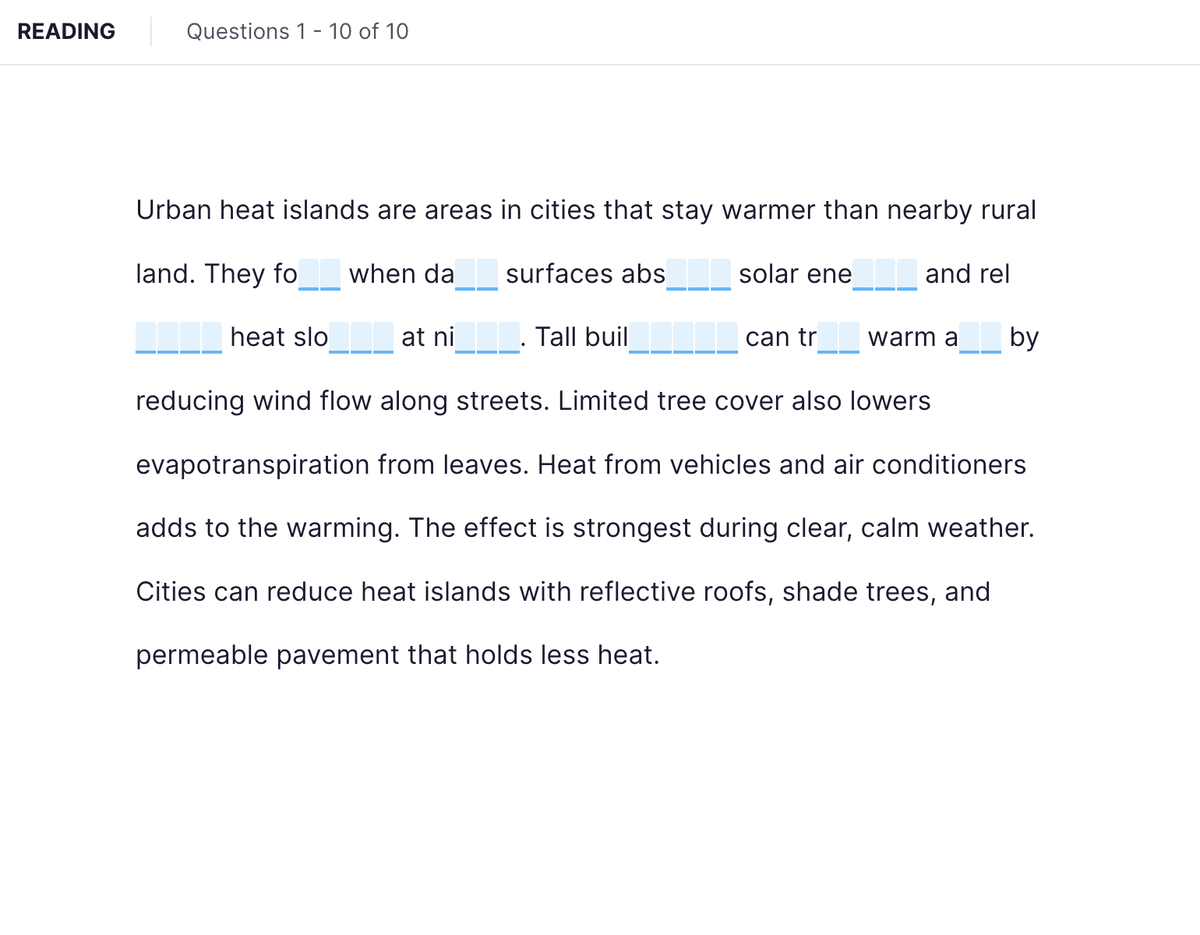 TOEFL 26 New: Reading
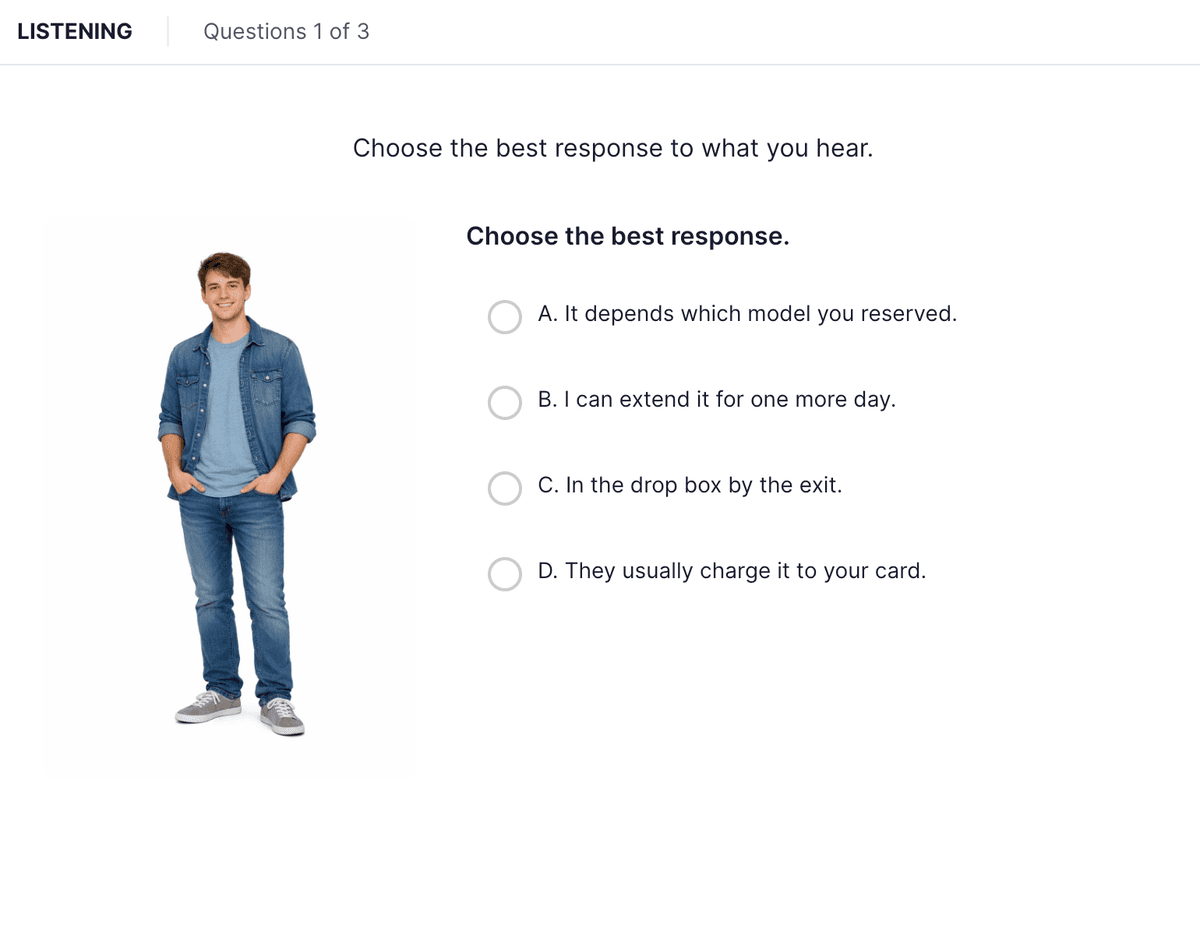 TOEFL 26 New: Listening
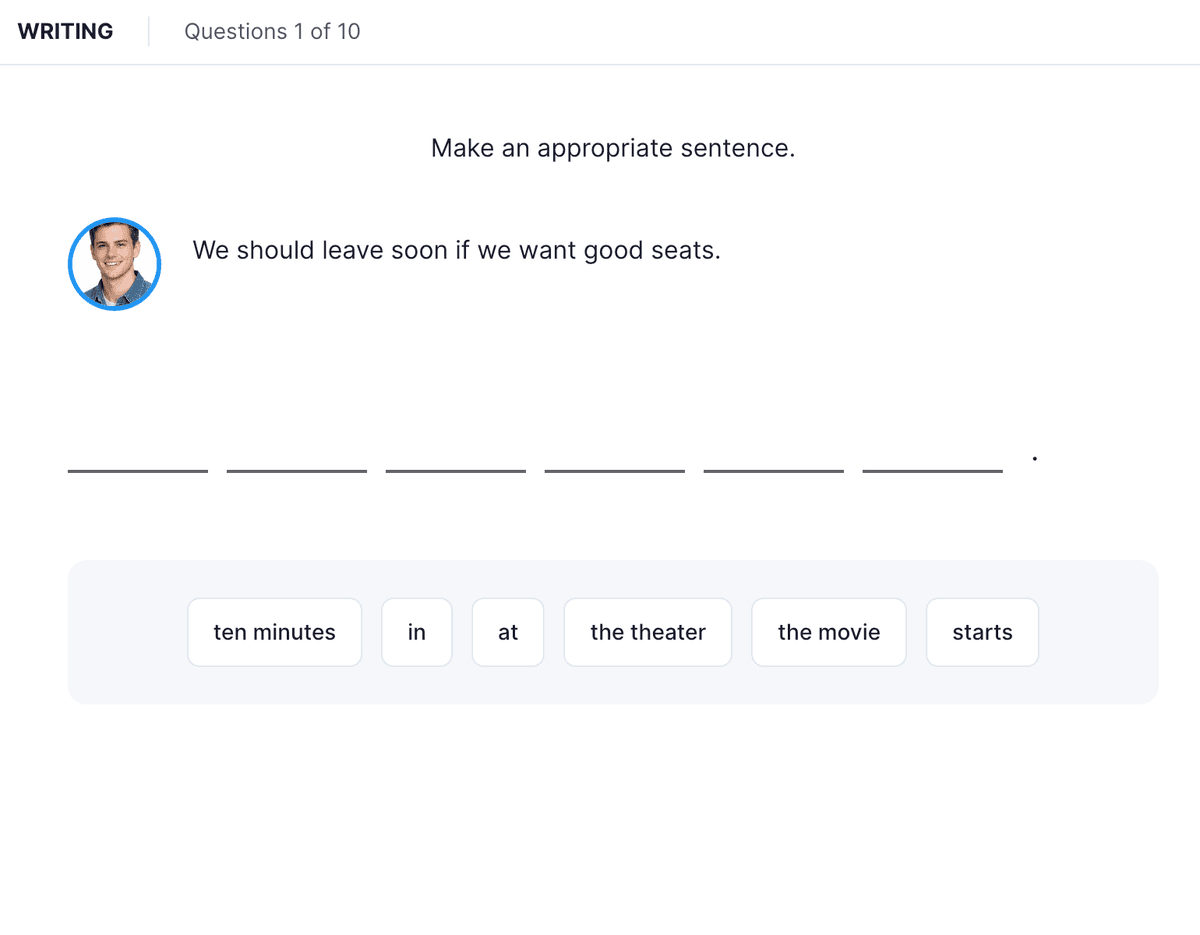 TOEFL 26 New: Writing
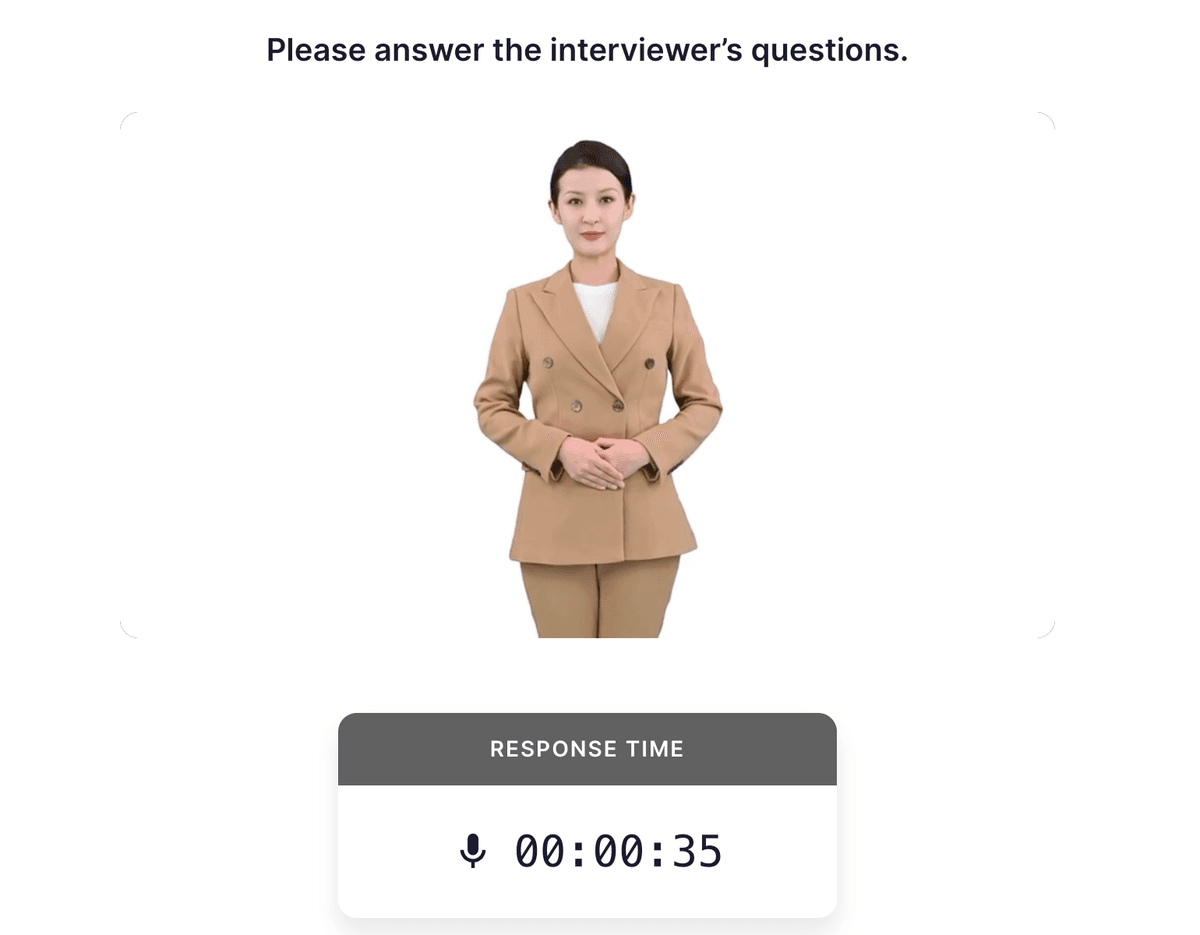 TOEFL 26 New: Speaking
Every TOEFL 2026 mock test in Lingoleap
These are the full-length mock tests the Lingoleap practice app publishes today, listed exactly as they appear inside it. Each one runs all four TOEFL 2026 sections in a single timed sitting, and each name below opens that test in the app.
104 published full-length mock tests · three sets
- Free with account16 tests
- Plus or Premium15 tests
- Premium73 tests
Access states are the app's own. It marks New TPO and Latest Questions Premium, and describes PQ26-16 to PQ26-30 as included with Plus and Premium; the rest of Practice Questions opens once you create a free account.
Practice Questions (PQ26)
Mixed access31 full-length tests
PQ26-1 to PQ26-15 and PQ26-75 open with a free account. PQ26-16 to PQ26-30 are the range the app sells as part of Plus and Premium.
- PQ26-1Take test →免費Free with account
- PQ26-2Take test →Free with account
- PQ26-3Take test →Free with account
- PQ26-4Take test →Free with account
- PQ26-5Take test →Free with account
- PQ26-6Take test →Free with account
- PQ26-7Take test →Free with account
- PQ26-8Take test →Free with account
- PQ26-9Take test →Free with account
- PQ26-10Take test →Free with account
- PQ26-11Take test →Free with account
- PQ26-12Take test →Free with account
- PQ26-13Take test →Free with account
- PQ26-14Take test →Free with account
- PQ26-15Take test →Free with account
- PQ26-16Take test →Plus or Premium
- PQ26-17Take test →Plus or Premium
- PQ26-18Take test →Plus or Premium
- PQ26-19Take test →Plus or Premium
- PQ26-20Take test →Plus or Premium
- PQ26-21Take test →Plus or Premium
- PQ26-22Take test →Plus or Premium
- PQ26-23Take test →Plus or Premium
- PQ26-24Take test →Plus or Premium
- PQ26-25Take test →Plus or Premium
- PQ26-26Take test →Plus or Premium
- PQ26-27Take test →Plus or Premium
- PQ26-28Take test →Plus or Premium
- PQ26-29Take test →Plus or Premium
- PQ26-30Take test →Plus or Premium
- PQ26-75Take test →Free with account
New TPO (TPO26)
Premium8 full-length tests
The app describes this set as exam-grade practice built for the 2026 format.
Latest Questions (EQ26)
Premium65 full-length tests
The app describes this set as its newest question sets, updated continuously.
- EQ26-1Take test →Premium
- EQ26-2Take test →Premium
- EQ26-3Take test →Premium
- EQ26-4Take test →Premium
- EQ26-5Take test →Premium
- EQ26-6Take test →Premium
- EQ26-7Take test →Premium
- EQ26-8Take test →Premium
- EQ26-9Take test →Premium
- EQ26-10Take test →Premium
- EQ26-11Take test →Premium
- EQ26-12Take test →Premium
- EQ26-13Take test →Premium
- EQ26-14Take test →Premium
- EQ26-15Take test →Premium
- EQ26-16Take test →Premium
- EQ26-17Take test →Premium
- EQ26-18Take test →Premium
- EQ26-19Take test →Premium
- EQ26-20Take test →Premium
- EQ26-21Take test →Premium
- EQ26-22Take test →Premium
- EQ26-23Take test →Premium
- EQ26-24Take test →Premium
- EQ26-25Take test →Premium
- EQ26-26Take test →Premium
- EQ26-27Take test →Premium
- EQ26-28Take test →Premium
- EQ26-29Take test →Premium
- EQ26-30Take test →Premium
- EQ26-31Take test →Premium
- EQ26-32Take test →Premium
- EQ26-33Take test →Premium
- EQ26-34Take test →Premium
- EQ26-35Take test →Premium
- EQ26-36Take test →Premium
- EQ26-37Take test →Premium
- EQ26-38Take test →Premium
- EQ26-39Take test →Premium
- EQ26-40Take test →Premium
- EQ26-41Take test →Premium
- EQ26-42Take test →Premium
- EQ26-43Take test →Premium
- EQ26-44Take test →Premium
- EQ26-45Take test →Premium
- EQ26-46Take test →Premium
- EQ26-47Take test →Premium
- EQ26-48Take test →Premium
- EQ26-49Take test →Premium
- EQ26-50Take test →Premium
- EQ26-51Take test →Premium
- EQ26-52Take test →Premium
- EQ26-53Take test →Premium
- EQ26-54Take test →Premium
- EQ26-55Take test →Premium
- EQ26-56Take test →Premium
- EQ26-58Take test →Premium
- EQ26-59Take test →Premium
- EQ26-60Take test →Premium
- EQ26-61Take test →Premium
- EQ26-62Take test →Premium
- EQ26-63Take test →Premium
- EQ26-64Take test →Premium
- EQ26-65Take test →Premium
- EQ26-66Take test →Premium
Each link opens that exact test in the practice app. The app asks you to sign in first, and tests marked Plus or Premium need the matching plan.
What one mock test contains
The app records a task-type list for every mock test. All four sections appear in all of them:
Reading
- Complete the Words
- Read in Daily Life
- Read an Academic Passage
Listening
- Listen and Choose a Response
- Conversation
- Announcement
- Academic Talk
Speaking
- Listen and Repeat
- Take an Interview
Writing
- Build a Sentence
- Write an Email
- Write for an Academic Discussion
One exception, listed rather than rounded away: TPO26-6 carries no Build a Sentence task. The other 103 tests carry the full task-type list.
Test names, counts and access states read from the practice app's own question list, route table and gate on 18 September 2026. Nothing on this list is an estimate. Lingoleap reports a practice band, not an official ETS score.
什麼是托福模考(TOEFL模擬考)?
托福模考,也稱托福模擬考、托福模擬測驗或全真模考,是依照TOEFL iBT現行形式進行的一次完整、限時的模擬考試:也就是2026年1月21日上路的改版新托福,包含12種全新題型、多階段適性的閱讀與聽力,以及與CEFR對標的1–6分計分量表。
為2026年以前舊制托福編寫的練習教材,無法演練這套新架構。LingoLeap的每一回模考都依2026新制打造:相同的四個部分、題型與計時,一次考完,最後產出一份練習成績報告。
2026年新托福考試形式
2026年新托福考試由4個部分組成:閱讀、聽力、寫作和口說。預計總測驗時間不超過2小時。考試時間不包含指示說明時間。由於適性機制,實際測驗時間和題目數量可能有所不同。
閱讀
約30分鐘
約50題
分兩個模組的多階段適性測驗
聽力
約29分鐘
約47題
分兩個模組的多階段適性測驗
寫作
約23分鐘
12題
線性模式——所有考生作答相同題目
口說
約8分鐘
11題
線性模式——所有考生作答相同題目
2026年新托福全部題型一覽
閱讀
- 補全單字
- 日常生活閱讀
- 學術文章閱讀
8種提問方式:事實與否定事實題、字彙題、選擇句子題、句子簡化題、指代題、推論題、修辭目的題、插入文本題
聽力
- 聽力選擇應答
- 聽對話
- 聽通知
- 聽學術演講
6種提問方式:主旨題、事實題、推論題、目的題、方法題、態度題
寫作
- 造句組合
- 寫電子郵件
- 學術討論寫作
線性模式——根據溝通目的、句法結構、用字遣詞、社交禮儀和語言準確性評分
口說
- 聽後複述
- 模擬面試
線性模式——根據表達能力(清晰度、流暢度)、語言運用(文法、字彙)和內容闡述進行評分
閱讀和聽力部分採用多階段適性測驗——你在模組1中的表現將決定模組2的難度等級。這種機制帶來更加個人化的測驗體驗,能夠更有效率、更精確地衡量你的實際能力。
為什麼選擇LingoLeap托福26模考
大多數托福備考教材仍然基於舊版考試形式。LingoLeap專為2026年新托福量身打造。
 全真模擬測驗,涵蓋全部12種TOEFL 2026官方題型
- 多階段適性閱讀和聽力,高度還原真實考試體驗
- 口說和寫作AI智慧評分,對標ETS官方評分標準
- 業界最大規模的托福26模考題庫之一
大多數備考資源還在為舊托福做準備,LingoLeap幫你備戰新托福。
全面涵蓋TOEFL 2026所有題型
每套LingoLeap托福26模考都涵蓋四個部分的全部12種官方題型,與真實考試完全一致。
閱讀
- 補全單字
在學術短文中還原缺失的單字部分
- 日常生活閱讀
閱讀電子郵件、通知或社群媒體貼文等實用文本
- 學術文章閱讀
閱讀一篇約200字的學術短文並回答5道題
聽力
- 聽力選擇應答
聽一段簡短的提問或陳述,從4個選項中選擇最佳回答
- 聽對話
回答關於兩人校園生活短對話的問題
- 聽通知
回答關於課堂或校園活動通知的問題
- 聽學術演講
回答關於各學科短篇學術演講的問題
寫作
- 造句組合
在簡短對話中重新排列詞語和片語以組成完整句子
- 寫電子郵件
根據特定目的撰寫電子郵件,如推薦、邀請或提出解決方案
- 學術討論寫作
閱讀教授的貼文和2名學生的回覆,然後撰寫自己的觀點(100字以上)
口說
- 聽後複述
複述7個難度遞增的口說句子
- 模擬面試
在模擬學術對話中回答4道面試問題(每題45秒)
多階段適性測驗——完全模擬真實TOEFL 2026
LingoLeap模考還原TOEFL 2026真實的多階段適性測驗架構。你在模組1的表現決定模組2的難度,與正式考試完全一致。
真實考試流程
體驗與TOEFL 2026正式考試相同的適性流程——模組1的表現決定模組2的難度
多難度等級練習
同時練習較易和較難的模組,在各個難度等級建立信心和準確度
真實成績評估
透過適性評分邏輯和原始分到標準分的轉換,了解你的真實分數潛力
Accuracy and transparency
How Accurate Is This TOEFL Practice Test Score?
Every practice-test site says its scores are accurate. Almost none says how the number is produced or what has actually been checked. Here is the full answer for Lingoleap — including what we have not verified yet.
What we know
- Reading and Listening are scored against a fixed answer key, so those bands are as reliable as the question set is representative of the real test.
- Writing and Speaking responses are scored 0–5 by a language model against the dimensions of the published ETS scoring guides — the same criteria the Speaking and Writing evaluation section above lists.
- Every band on your report comes from one fixed rule set — the tables and formulas printed further down this page — so the same answers always produce the same band.
What we have not verified
- We have not yet published a comparison of Lingoleap bands against learners' official ETS score reports. Until that verified sample exists and is large enough, we do not quote a correlation, an accuracy percentage or a margin of error — any such number would be invented.
- ETS has not released a raw-to-band conversion for the 2026 test. Our Reading and Listening table is a Lingoleap estimate and is labelled as one below.
- The real test equates scores across forms and adaptive paths with Item Response Theory; our engine uses a simpler lookup table. The two can disagree, most likely at band boundaries.
What to do with the estimate
- Treat one mock band as a range, not a point. Read the section bands and the task-type accuracy under them — those move first and are what you can practise.
- Track direction across three to five mocks spaced two to three weeks apart, rather than certifying a single sitting.
- For admissions, only an ETS score counts. Check your target school's published minimum with the Score Calculator, and treat the last mock as a dress rehearsal, not a prediction.
The method we will use to publish calibration figures — who counts, which mock counts, what gets excluded — is already written down on the how-it-works page. The figures will appear there, with their sample size, once the verified sample exists.
See the calibration method →Wondering whose AI to trust on the 2026 test in general? The AI tutor guide explains how ETS's own SpeechRater and e-rater engines grade Speaking and Writing first, and how to rehearse against an AI scorer.
How the 2026 TOEFL is graded by AI →How Our Adaptive Practice Works
Reading and Listening in a Lingoleap mock run as a two-stage test, the structure ETS describes for the real exam. Here is exactly what our engine does — and, separately, what ETS has and has not said.
In a Lingoleap mock test
- 1
Router module
Every test-taker starts with the same router module in each section.
- 2
Routing
Your router performance sends you to a lower or an upper Stage 2 module. The two modules are built differently, which is why the number of items you see varies from mock to mock. The routing threshold is an engine setting we do not publish on this page.
- 3
One band table, defined for the upper module
Correct answers across both stages are counted, normalised to a 35-point basis, and looked up in the section's band table. The table is defined for the upper module.
- 4
Lower-module adjustment
A sitting routed to the lower module is placed one step down that table for the same normalised count. So in our engine the lower path cannot reach the top band — that is a Lingoleap simplification, not an ETS rule, and it is the one place our scoring is deliberately more conservative than the real test.
Adaptive routing: what ETS has published vs what prep sites assert
| Question | What ETS has published | What prep sites assert |
|---|---|---|
| Structure | Reading and Listening are “designed as two-stage adaptive tests”; Writing and Speaking are linear, with every test-taker on a form getting the same tasks (2026 Test Blueprint, note 5). | The same. This part is not in dispute. |
| Routing | “Based on their performance on the first module, test takers will get a second module where the difficulty of the test tasks matches their ability level.” No routing threshold is published (Teacher FAQ, Q9). | Specific thresholds — “get the first ten questions wrong and you are routed down” — none of which cites an ETS source. |
| How the score is produced | The section score “takes into consideration the total number of questions answered correctly across the two stages or modules as well as the difficulty level of questions”, converted by IRT equating so that a reported score “reflects the same level of language ability, regardless of which second stage was taken” (Teacher FAQ). | A fixed raw-to-band table applied to both paths, or a flat penalty for the easier path. |
| The “ceiling” | ETS states no maximum band for the lower module. It says “the final score is based on both stages” and that item difficulty is accounted for — which means an easier item is worth less, not that a particular band is forbidden. Whether the easier module can reach 6.0 in practice is not something ETS has published either way. | “A perfect score on the easier Stage 2 caps you at 4.0”, or “below 5.0” — the figure differs from site to site and none cites ETS. |
| Unscored items | Reading and Listening item counts “include non-scored items” used to gather data for future forms (Blueprint, note 1). | Rarely mentioned; item counts are usually quoted as if every item scored. |
ETS sources: TOEFL iBT 2026 Test Blueprint and Specifications (PDF) · Teacher FAQ for TOEFL iBT Enhancements (PDF)
Quotations are from those two ETS documents as read on 16 September 2026. Where this page says ETS has not published something, we mean we could not find it in either document or on ets.org — not that no such rule exists internally.
How the Band Is Produced, Section by Section
The whole path from your answers to the 1–6 band, with nothing hidden. These are the rules our score report runs on.
Reading
Scored by: Answer key- 1Every item is compared with the reference answer: right or wrong, no partial credit.
- 2Correct answers across the router and your Stage 2 module are summed and scaled to a 35-point basis: points = round(correct ÷ items × 35).
- 3The points are looked up in the Reading band table below. Lower-module sittings drop one step.
Listening
Scored by: Answer key- 1The same answer-key grading and 35-point scaling as Reading.
- 2The Listening table has its own boundaries: 80% accuracy is a 5.0 in Reading, but 71% is a 4.5 in Listening. That is why two sections at similar accuracy can show different bands.
Writing
Scored by: Answer key + AI- 1Build a Sentence: each item is scored right or wrong against the accepted word orderings. No model is involved.
- 2Write an Email and Write for an Academic Discussion: each response is scored 0–5 by a language model against the dimensions of the ETS scoring guide for that task.
- 3Section band = (points earned ÷ points available) × 5 + 1, rounded to the nearest 0.5.
Speaking
Scored by: AI- 1Listen and Repeat (7 items) and Take an Interview (4 items): your recording is transcribed and measured for pronunciation and fluency, then a model scores each response 0–5 against the rubric dimensions.
- 2Section band = (points earned ÷ points available) × 5 + 1, rounded to the nearest 0.5.
Overall band = the plain average of the four section bands, rounded to the nearest 0.5. The 0–120 “traditional” figure on the report is each section's accuracy scaled to 0–30 and summed; it exists only for comparing against university pages that still quote the old scale.
Raw Correct to Band: Reading and Listening
Lingoleap estimate — not an ETS tableBasis: these are the exact lookup tables our score report uses, defined on a 35-point normalised scale (points = round(correct ÷ items × 35)). ETS has published no raw-to-band conversion for the 2026 test, and real scores are IRT-equated for form and module difficulty, so treat every band here as a practice estimate. The approximate-accuracy column is the points range divided by 35.
Reading
| Band | Points (of 35) | Approx. accuracy |
|---|---|---|
| 6.0 | 34–35 | ≈ 97–100% |
| 5.5 | 32–33 | ≈ 91–94% |
| 5.0 | 28–31 | ≈ 80–89% |
| 4.5 | 25–27 | ≈ 71–77% |
| 4.0 | 18–24 | ≈ 51–69% |
| 3.5 | 12–17 | ≈ 34–49% |
| 3.0 | 8–11 | ≈ 23–31% |
| 2.5 | 7 | ≈ 20% |
| 2.0 | 6 | ≈ 17% |
| 1.0 | 0–5 | ≈ 0–14% |
Listening
| Band | Points (of 35) | Approx. accuracy |
|---|---|---|
| 6.0 | 34–35 | ≈ 97–100% |
| 5.5 | 32–33 | ≈ 91–94% |
| 5.0 | 29–31 | ≈ 83–89% |
| 4.5 | 25–28 | ≈ 71–80% |
| 4.0 | 23–24 | ≈ 66–69% |
| 3.5 | 18–22 | ≈ 51–63% |
| 3.0 | 13–17 | ≈ 37–49% |
| 2.5 | 11–12 | ≈ 31–34% |
| 2.0 | 8–10 | ≈ 23–29% |
| 1.5 | 6–7 | ≈ 17–20% |
| 1.0 | 0–5 | ≈ 0–14% |
Worked example from our sample report: 28 of 35 Reading items correct → 28 points → Band 5.0. 32 of 45 Listening items correct → 24.9, rounded to 25 points → Band 4.5.
Lower-module sittings: one step down the table for the same points.
TOEFL iBT範例試題(2026新制)
先用這些依2026年TOEFL iBT設計的免費範例題暖身——每個部分各一題。查看答案與解析,準備好了再開始一回全真模考。
Read the short academic passage, then answer the question.
Bioluminescence — the production of light by living organisms — is common in the deep ocean, where sunlight never reaches. Many creatures use it to attract prey, confuse predators, or signal to potential mates. The light is produced by a chemical reaction between a molecule called luciferin and the enzyme luciferase. Because the reaction gives off almost no heat, scientists describe the light as "cold light."
According to the passage, why is bioluminescent light described as "cold light"?
- AIt is only found in cold, deep water.
- BThe chemical reaction releases very little heat.
- CIt appears blue rather than red or orange.
- DIt is produced only at night.
▸顯示答案與解析
答案: B — The chemical reaction releases very little heat.
The final sentence states the reaction "gives off almost no heat," which is why it is called cold light. Option A confuses where the organisms live with why the light is cold; C and D add details the passage never mentions. Factual questions like this reward locating the exact supporting sentence rather than relying on outside knowledge.
Type the missing letters to complete the word so the sentence makes sense.
Regular exercise can signi______ reduce the risk of heart disease.
▸顯示答案與解析
答案: significantly
"Complete the Words" gives you the first letters and the length of a word and asks you to finish it from context. Here the sentence needs an adverb describing how much exercise reduces risk — "significantly." Read the whole sentence first, decide the part of speech, then fit a word that starts with the letters shown.
On the real test you would hear this talk once. Read the transcript excerpt, then answer.
Professor: "So when we talk about the 'urban heat island' effect, we mean that cities tend to be several degrees warmer than the countryside around them. The main reason is surface material. Asphalt and concrete absorb heat during the day and release it slowly at night — unlike soil and vegetation, which cool down much faster. That's why a city can still feel warm hours after sunset."
What is the main cause of the urban heat island effect, according to the professor?
- ACities are located in naturally warmer regions.
- BBuildings block cooling wind from reaching streets.
- CPaved surfaces absorb and slowly release heat.
- DThere are more people generating body heat.
▸顯示答案與解析
答案: C — Paved surfaces absorb and slowly release heat.
The professor names surface material — asphalt and concrete absorbing heat and releasing it slowly — as "the main reason." The other options are plausible-sounding distractors the talk never states. In the Listening section, note the speaker's signal phrases ("the main reason is…") to catch the point being tested.
Put the words and phrases in the correct order to form a grammatical sentence.
[ the deadline / because / the library / she / was approaching / stayed late at ]
▸顯示答案與解析
答案: She stayed late at the library because the deadline was approaching.
"Build a Sentence" tests control of English word order and clause structure. Start with the subject ("She"), add the main verb phrase ("stayed late at the library"), then attach the reason clause introduced by "because." Checking that subject, verb, and connector line up is usually enough to place every chunk.
You have 45 seconds to answer. There is no single correct response — a strong answer is clear, on-topic, and supported with a reason or example.
Some students prefer to study in the morning, while others prefer the evening. Which do you prefer, and why?
▸顯示答案與解析
答案: Sample strong response (outline)
Take a clear position, give one reason, and support it with a specific example: "I prefer studying in the morning because my mind is freshest right after I wake up. For instance, I can read a difficult chapter in thirty minutes in the morning, but the same chapter takes me an hour at night when I'm tired." Scoring rewards delivery (clear, fluent speech), language use (accurate grammar and vocabulary), and elaboration (a developed, on-topic idea) — so commit to one answer and develop it rather than listing both options.
以上為LingoLeap依2026年TOEFL iBT題型設計的原創練習題,僅供練習,並非ETS真實考題;LingoLeap與ETS互相獨立,也未獲ETS背書。
Practice TOEFL by Section
A full-length mock test measures readiness, but targeted section practice is how you fix specific weaknesses. Drill any of the four sections and all 12 task types below.
Reading
Adaptive passages and the three 2026 reading task types.
Listening
Conversations, announcements, and academic talks with adaptive difficulty.
Speaking
Listen and Repeat plus the academic interview, with AI delivery feedback.
Writing
Build a Sentence, Write an Email, and Write for an Academic Discussion.
100+套托福26全真模考——每月持續更新
暢享業界最大規模的TOEFL 2026模考題庫之一。每月新增模考試題,助你持續使用最新教材進行備考練習。
- 100+套TOEFL 26全真模擬測驗
- 所有測驗均對標最新TOEFL 2026考試形式和題型
- 每月新增模考試題
- 涵蓋全部4個部分和12種題型
- Covers all 4 sections and 12 task types
如何開始托福26模考
建立帳號
在LingoLeap免費註冊
選擇模考
從100+套TOEFL 26全真模考中選擇
開始練習
在真實考試環境下完成模考
查看成績與回饋
獲取AI智慧評分和詳細的成績分析報告
常見問題
關於托福26模考你需要知道的一切
2026年新托福有哪些變化?
TOEFL 2026於2026年1月21日推出,是一次全面改版。閱讀和聽力部分引入了多階段適性測驗,模組1的表現決定模組2的難度。寫作和口說採用線性模式(所有考生作答相同題目)。考試包含12種全新題型,採用與CEFR對標的1-6分新評分標準。總測驗時間不超過2小時。
2026年新托福有多少種題型?
新托福2026共有4個部分12種題型:閱讀3種(補全單字、日常生活閱讀、學術文章閱讀),聽力4種(聽力選擇應答、聽對話、聽通知、聽學術演講),寫作3種(造句組合、寫電子郵件、學術討論寫作),口說2種(聽後複述、模擬面試)。
LingoLeap上有多少回托福全真模考?
LingoLeap目前提供100+回TOEFL 2026全真模考(共10,000+道可作答題目),每月持續新增。每回模考涵蓋全部四個部分,以及2026新制中的每一種官方題型;本頁上方附近的模考目錄列出了所有模考。
LingoLeap是否模擬多階段適性測驗?
是的。LingoLeap是少數能夠模擬TOEFL 2026閱讀和聽力部分多階段適性測驗架構的平台之一。你在模組1的表現會影響模組2的難度,與正式考試完全一致。
口說和寫作的AI評分是如何運作的?
LingoLeap的AI評分系統依據ETS公開的評分量表對你的作答進行評估(每題採用0-5分整體評分制)。口說方面,聽後複述根據複述準確度、可理解度和發音進行評分;模擬面試根據表達能力(清晰度、流暢度、語速)、語言運用(文法、字彙)和內容闡述(切題度、論據支撐)進行評分。寫作方面,寫電子郵件根據溝通目的、句法多樣性與道地用字遣詞、社交禮儀(禮貌程度、語域)和字彙文法準確性進行評分;學術討論寫作根據切題度與論述充分性、句法結構與用字遣詞以及字彙文法準確性進行評分。
這套托福模考系統和真實考試一樣嗎?
在決定分數的部分,是的:相同的12種題型、相同的部分順序與計時,以及兩階段適性的閱讀和聽力,在一次限時測驗中完成。有兩點不同:題目是LingoLeap原創試題,並非ETS考題;真實考試以試題反應理論(IRT)對不同題本的分數做等化,而我們的系統使用本頁準確度一節所列的對照表。任何模擬考都不可能與正式考試完全相同。
托福模考可以線上作答嗎?可以一次只練一個部分嗎?
兩者都可以。登入後,每回模考都在LingoLeap練習App中透過瀏覽器線上進行;口說部分需要麥克風。除了全真模考,你也可以單獨練習閱讀、聽力、口說或寫作,或針對單一題型反覆練習,集中加強最需要進步的部分。
LingoLeap的模考預估分數準確嗎?
閱讀和聽力依標準答案計分,因此分數段取決於題目與真實考試的相似程度。寫作和口說的分數段則由語言模型依ETS公開評分指南的各項面向,為每份作答給出0–5分。我們尚未發表LingoLeap分數段與考生ETS官方成績單的比對資料,因此不引用任何準確率數字——本頁「這份分數有多準?」一節完整說明了每個分數段如何產生,以及哪些已驗證、哪些尚未驗證。這些僅是練習用的預估分數:TOEFL官方成績只由ETS核發,LingoLeap與ETS互相獨立,也未獲ETS背書。
如果被分到較簡單的模組,我的分數段會被封頂嗎?
在LingoLeap模考中,會有輕微影響:分數段對照表是按較難模組定義的,較易模組的作答會在表上下移一級,因此走較易路徑無法達到最高分數段。這是我們的簡化做法。在真實考試中,ETS表示分數依據兩個階段計算,並透過IRT等化反映題目難度;ETS並未公布較易模組的最高分數段。備考網站上流傳的具體上限(「4.0」「低於5.0」)並非出自ETS。
閱讀或聽力要答對幾題才能拿到5分?
依LingoLeap的練習對照表,閱讀5.0需要35分制中的28–31分(約答對80–89%),聽力5.0需要29–31分(約83–89%)。分數是把你答對的題數換算為35分制的結果。這是LingoLeap的估算:ETS並未公布2026新制的原始分數換算表,且會對真實成績做難度等化,官方換算可能不同。
這個托福模考免費嗎?
部分免費。本頁列出的全真模考中,PQ26-1至PQ26-15以及PQ26-75只要註冊免費帳號即可開考;PQ26-16至PQ26-30包含在Plus和Premium方案中,New TPO和Latest Questions系列則限Premium。每回模考都需要先登入。閱讀和聽力練習一律不扣點數。一次含四個部分AI評分的全真模考需要800點,而新帳號一開始只有200點免費AI回饋點數,因此要為一回全真模考的口說和寫作評分,所需點數多於新帳號擁有的點數。
托福模考要考多久?
不到2小時,與真實的TOEFL 2026相同:閱讀約30分鐘、聽力29分鐘、寫作23分鐘、口說8分鐘,不含說明時間。由於閱讀和聽力採多階段適性測驗,每次作答的確切時間和題數都會有所不同。
在準備雅思嗎? 雅思練習測驗:考試形式、時間,以及可以免費練習的內容 →