TOEFL 26 Mock Tests
Mag-practice sa Bagong Format ng TOEFL 2026
Mga full-length na TOEFL 26 mock test na may adaptive Reading & Listening, lahat ng bagong task type, at AI scoring para sa Speaking at Writing.
Magsimula sa isang Speaking o Writing na tanong sa 2026 format, na mamarkahan ng AI. Libre sa LingoLeap account, walang card.
O buksan ang buong mock test PQ26-1 (800 credits ang pag-grade ng buong mock test)
Libreng mamarkahan ang una mong buong 2026 mock test, kasama ang Speaking at Writing.
Tingnan ang lahat ng na-publish na test (104) ↓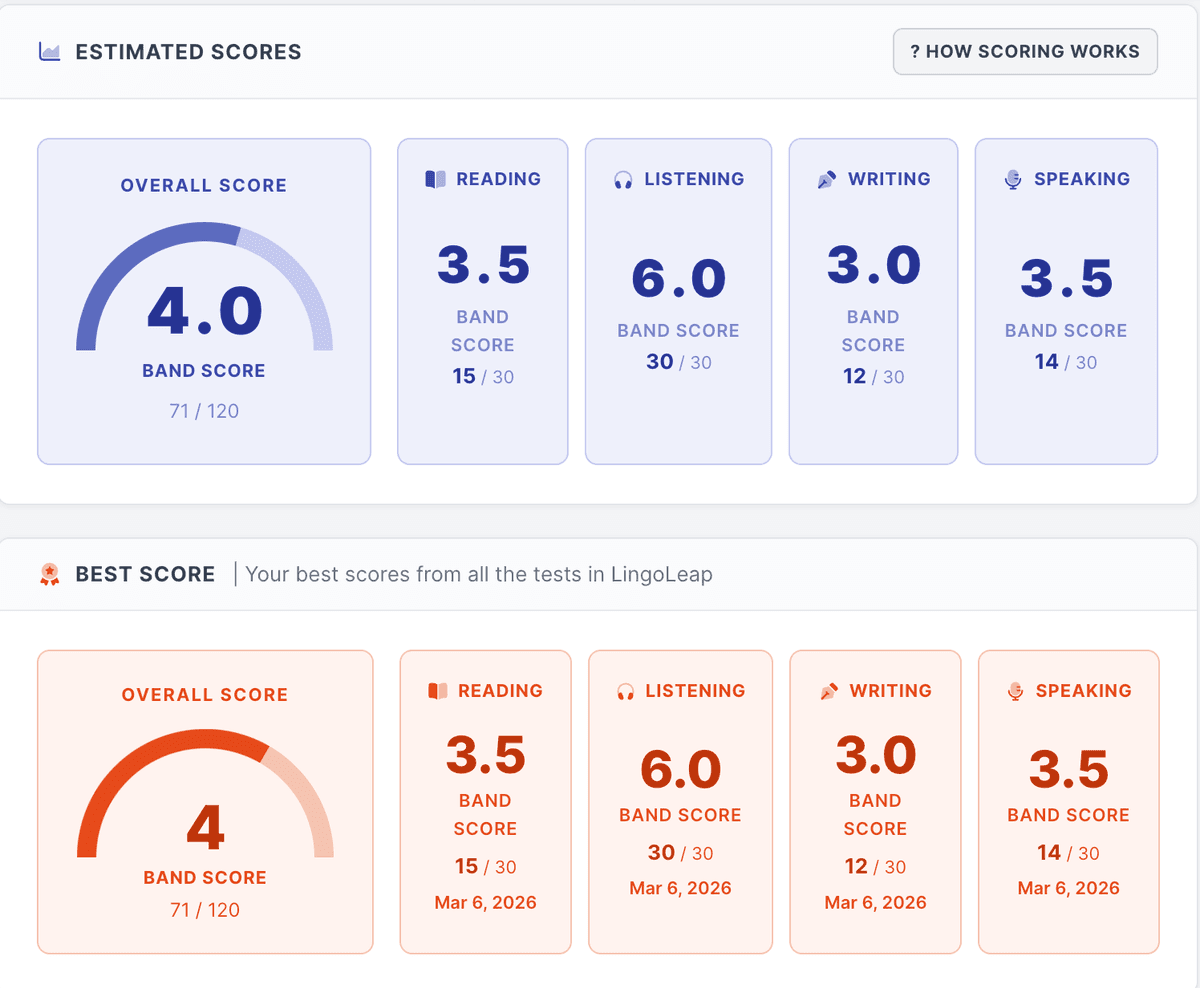 Score Report
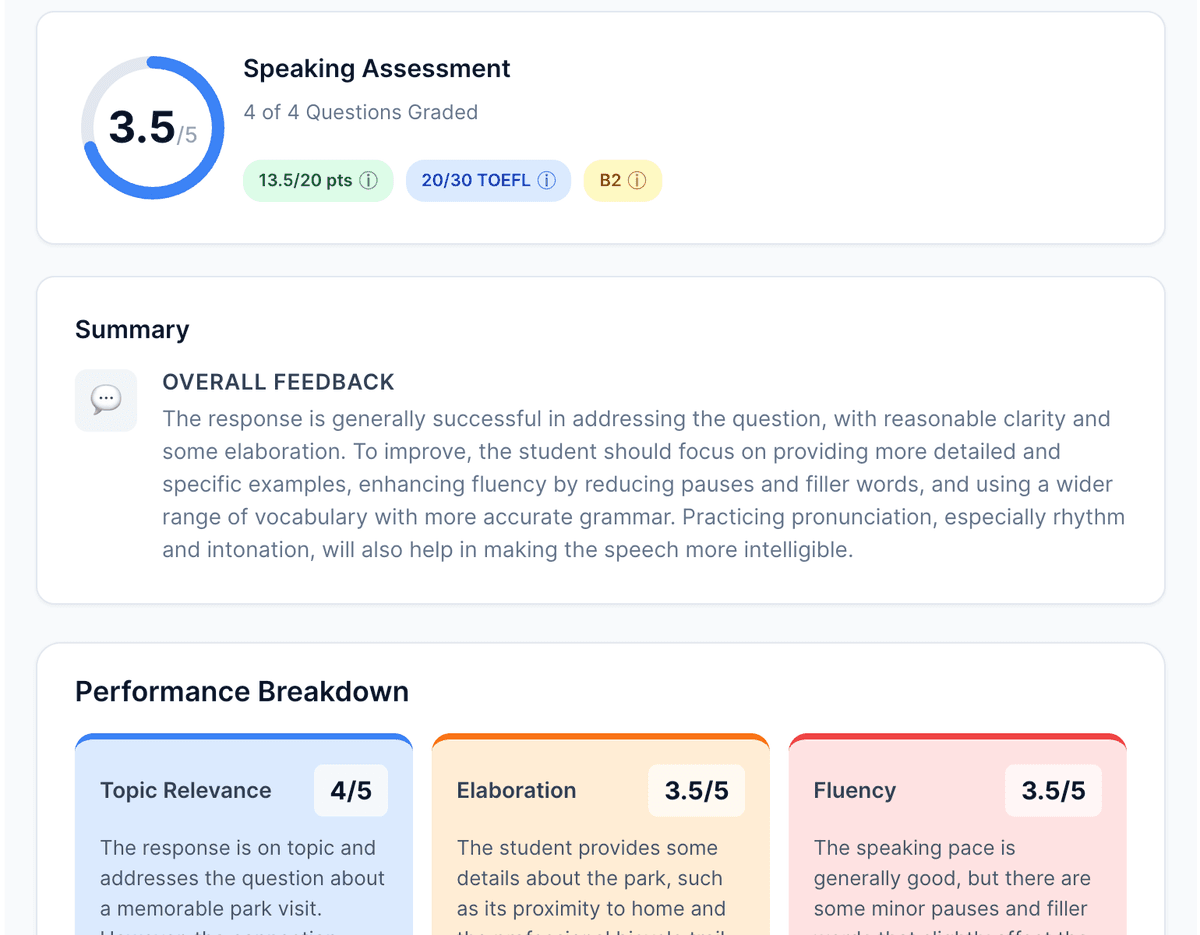 AI Speaking Score
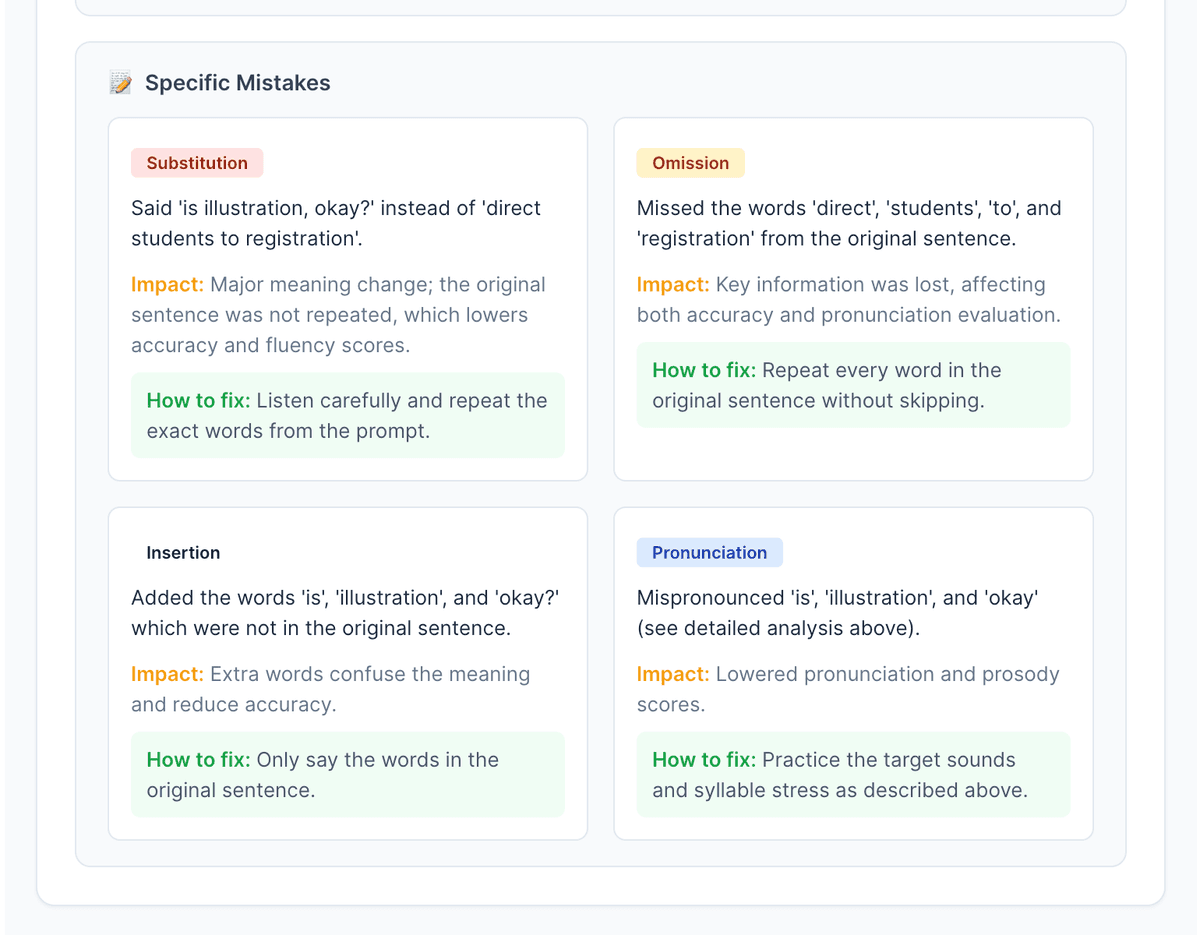 Mistake Analysis
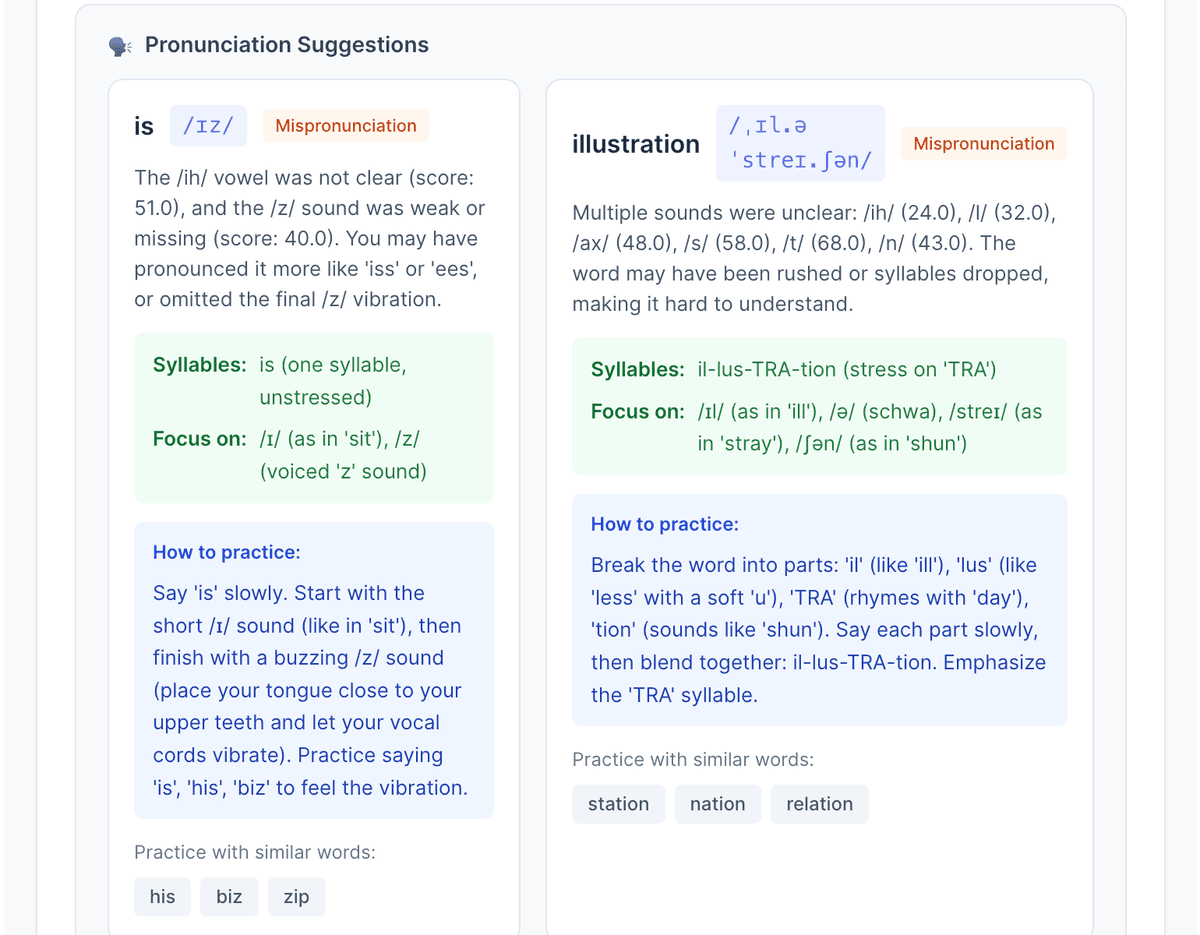 Pronunciation Feedback
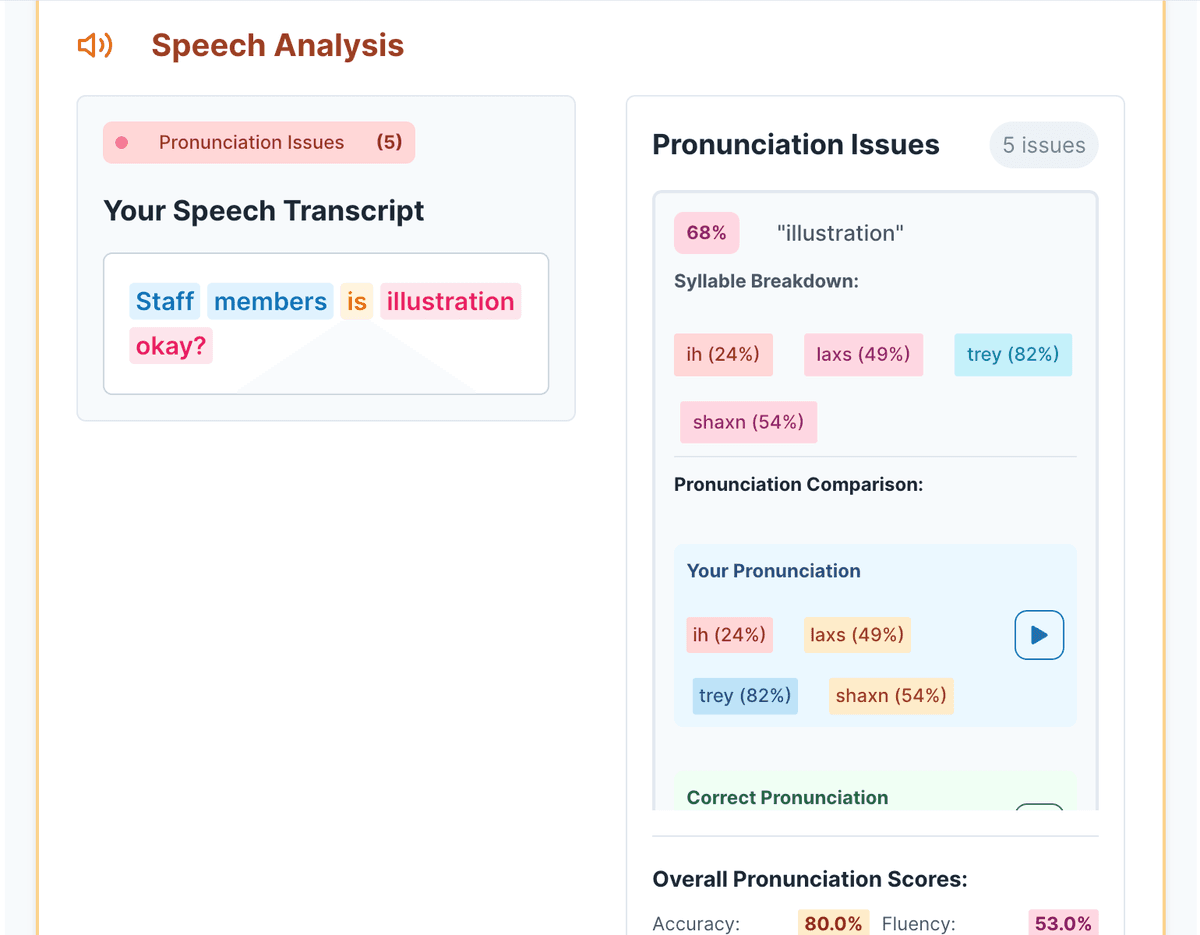 Speech Analysis
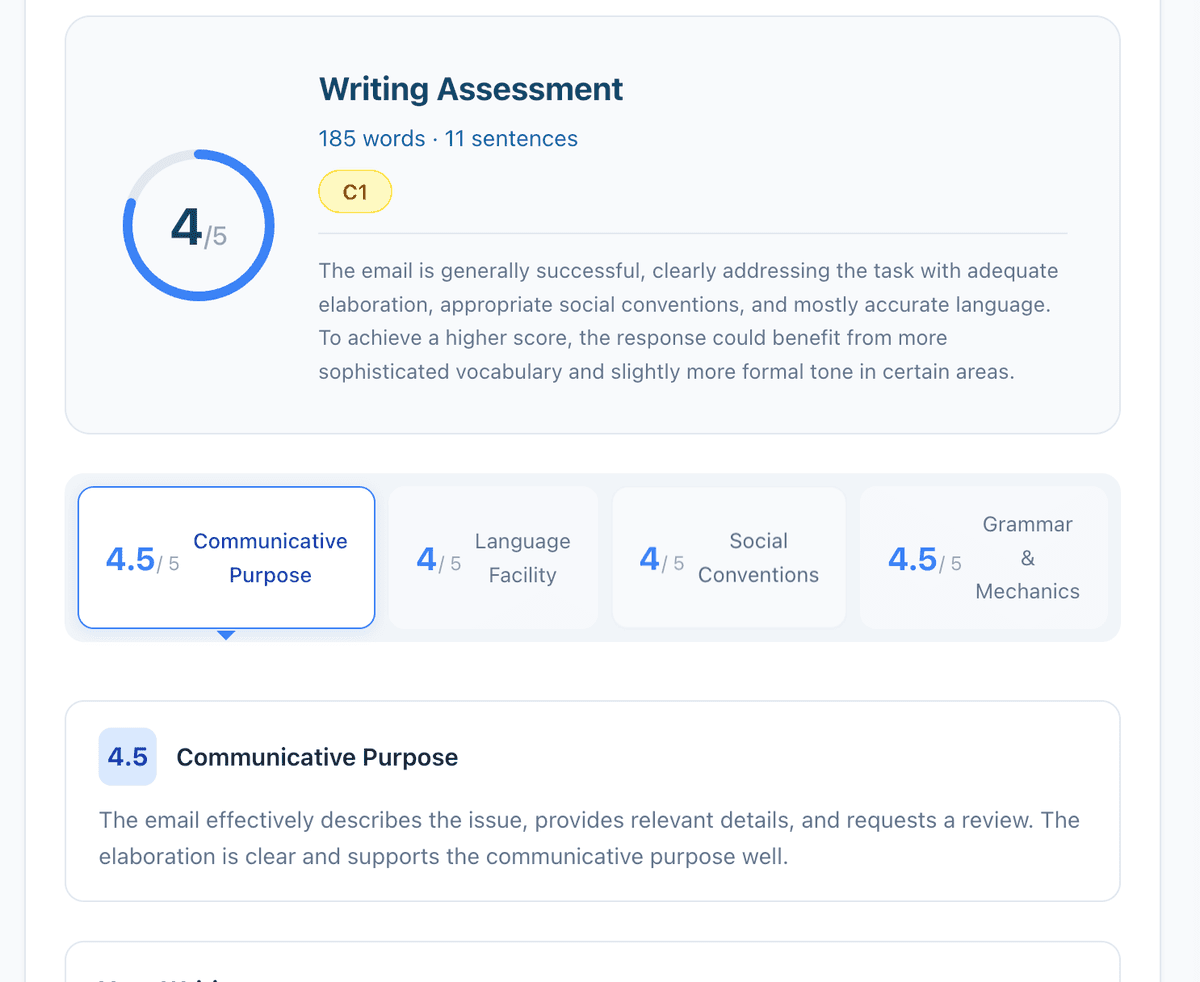 AI Writing Score
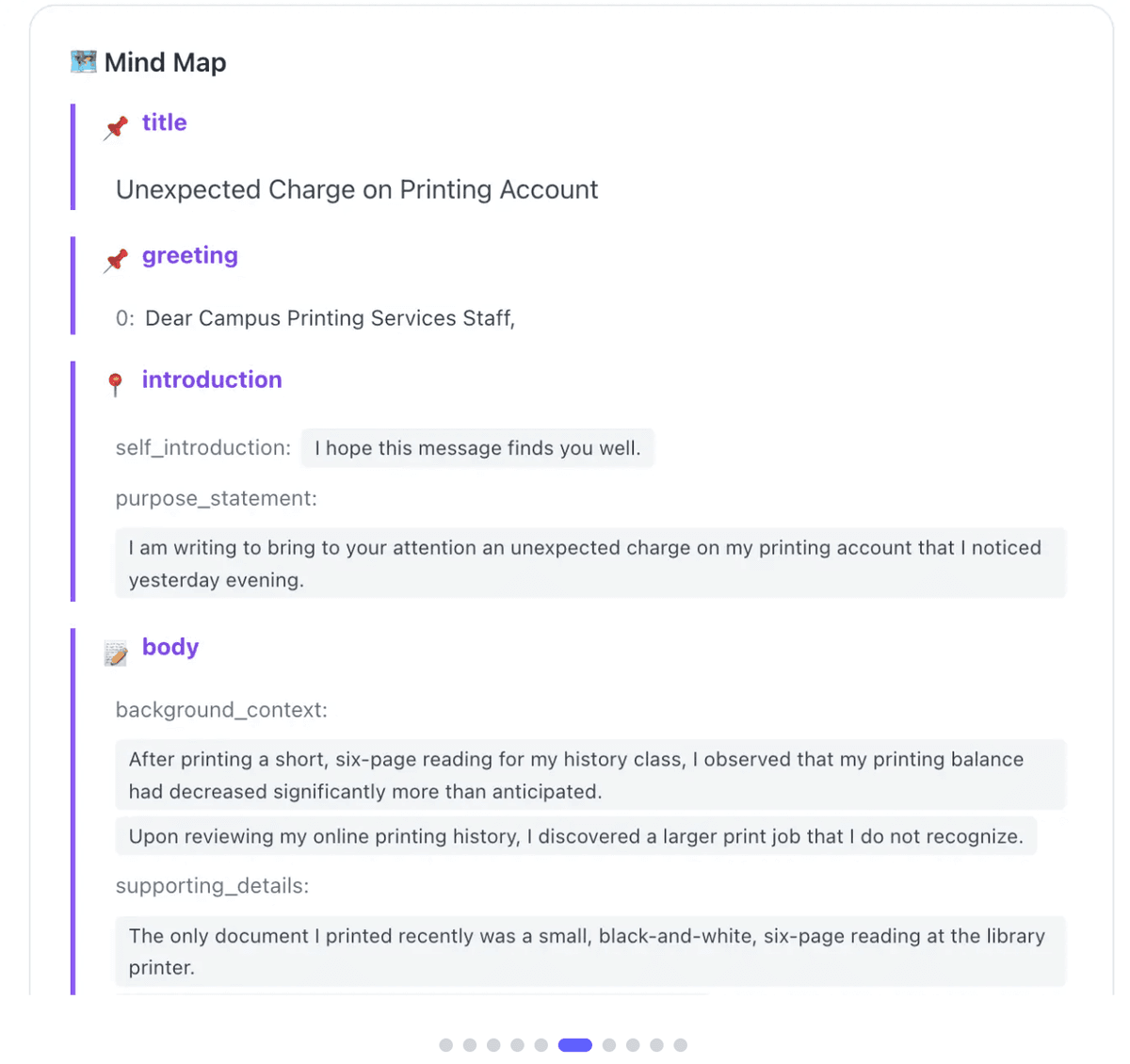 Article Structure Feedback
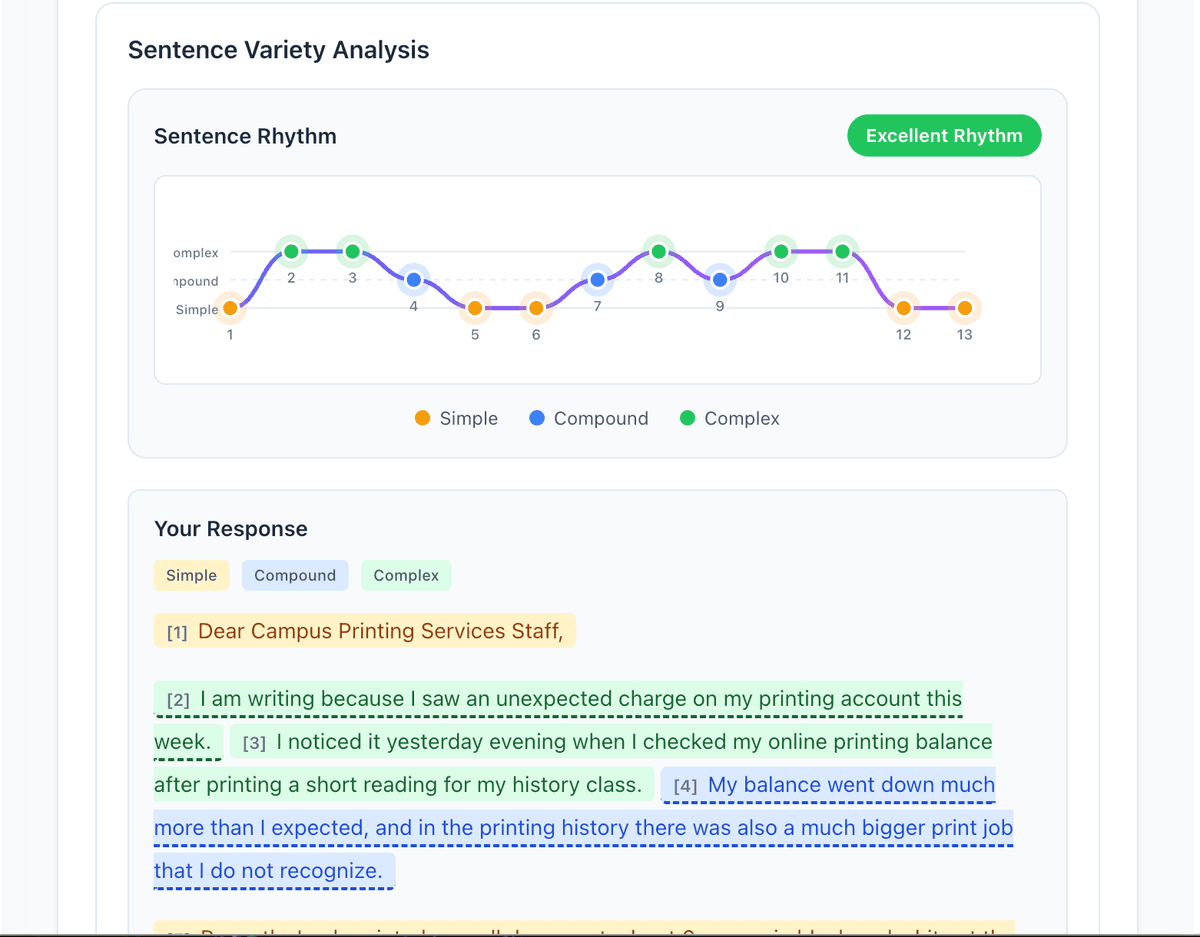 Sentence Variety
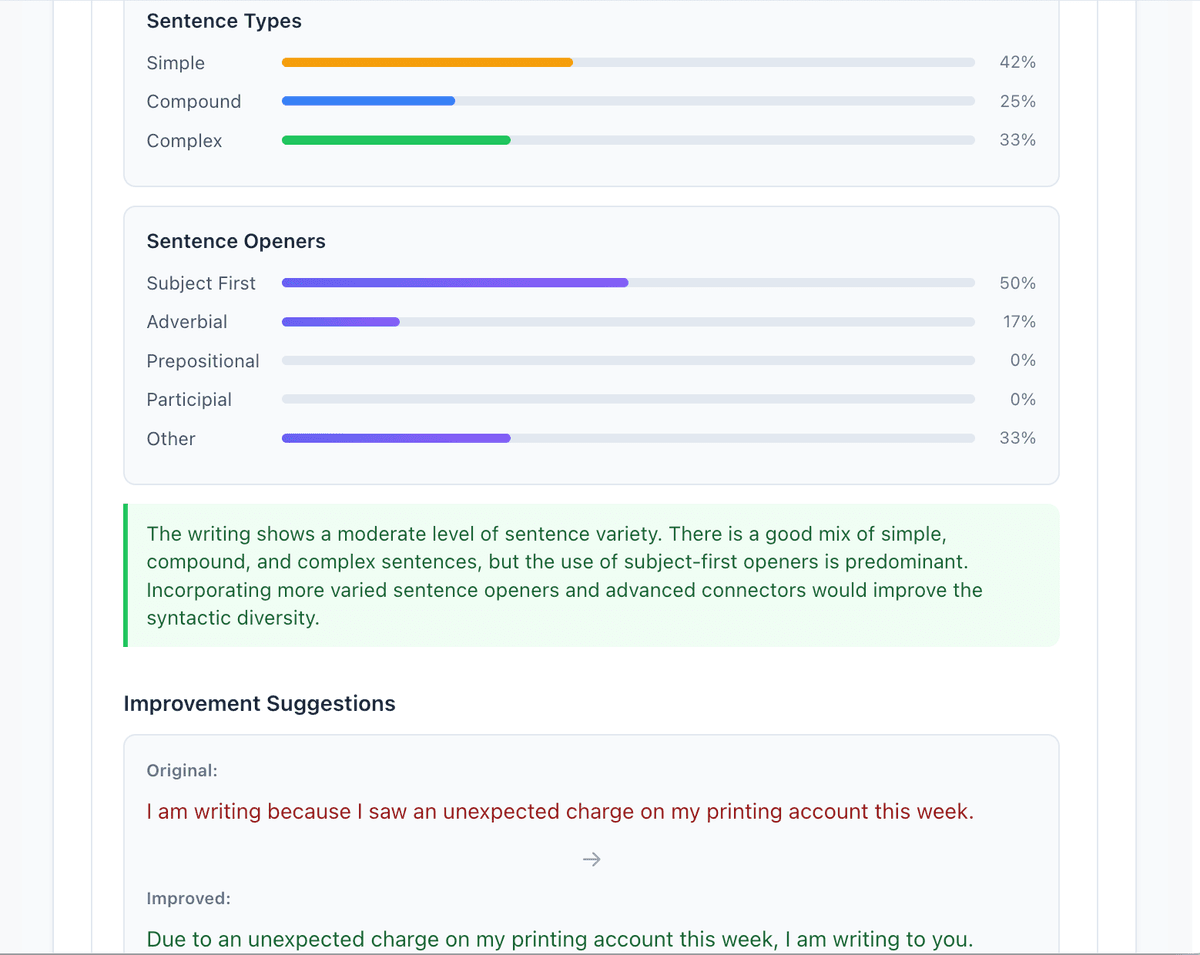 Improvement Suggestions
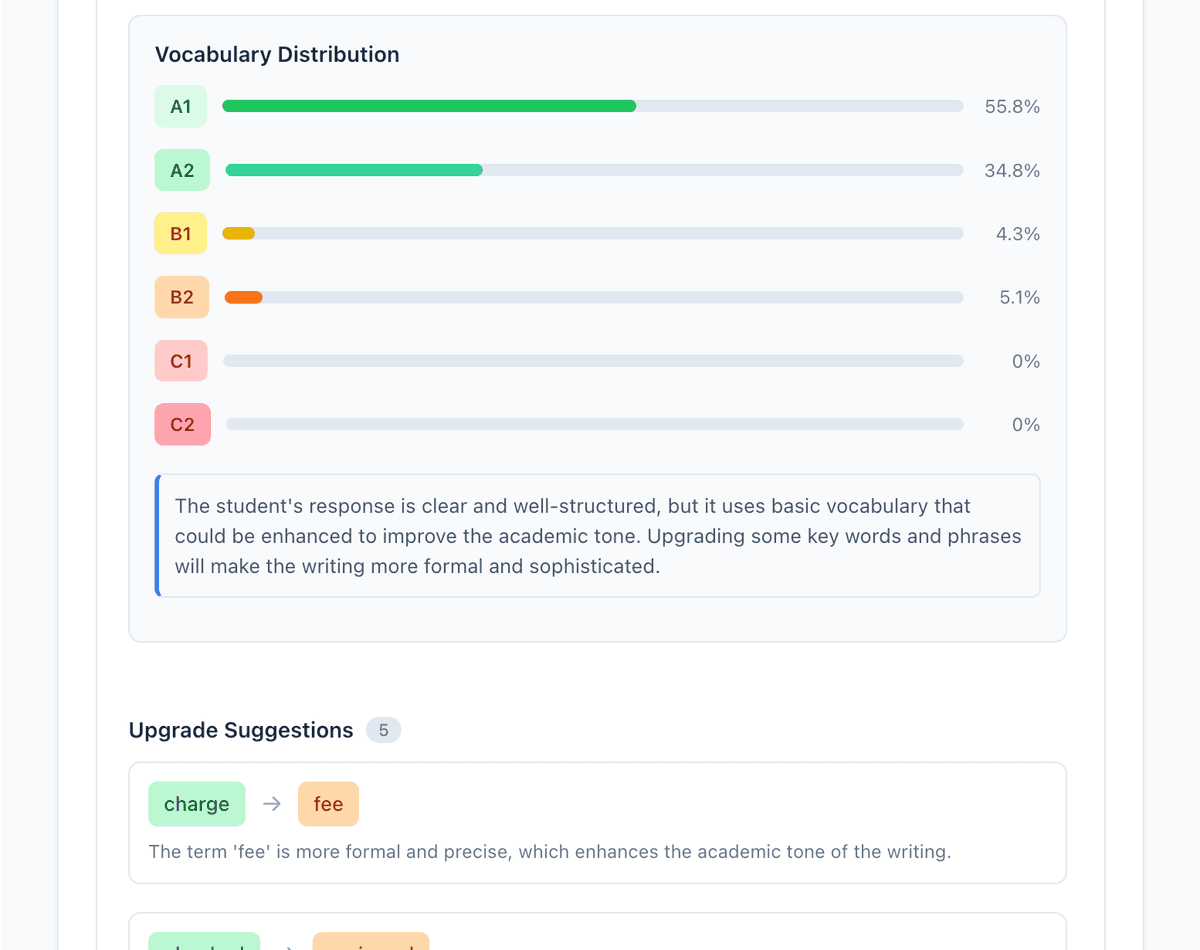 Vocabulary Feedback
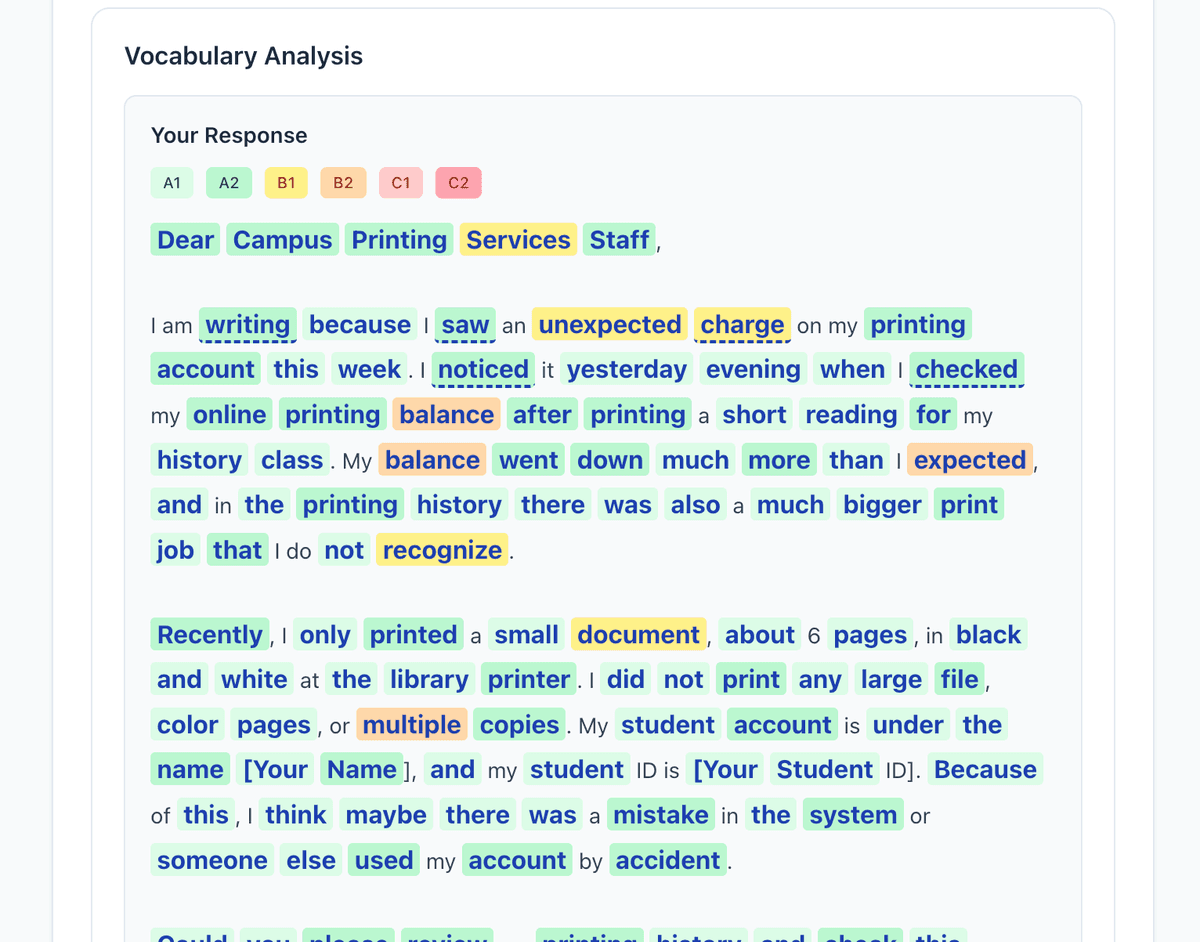 Vocabulary Analysis
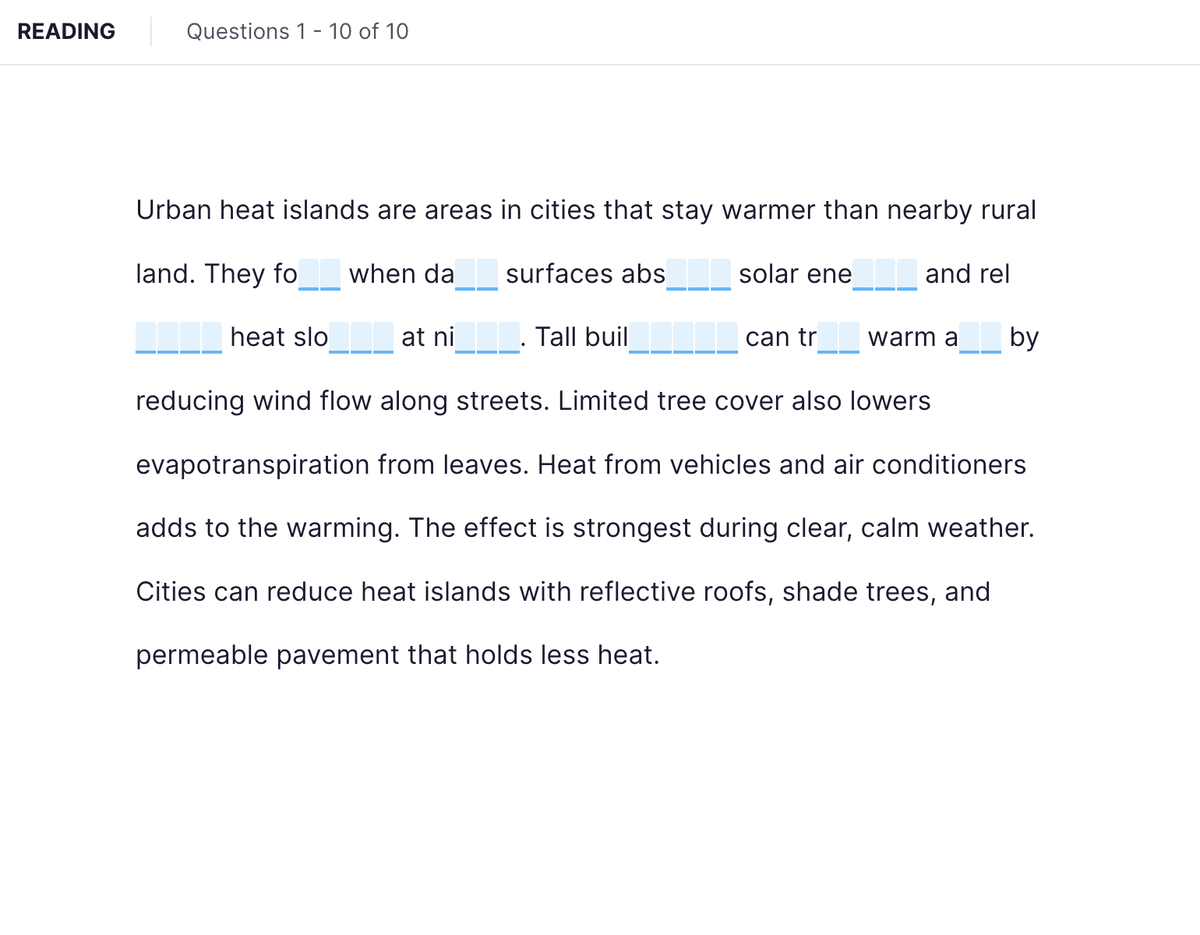 TOEFL 26 New: Reading
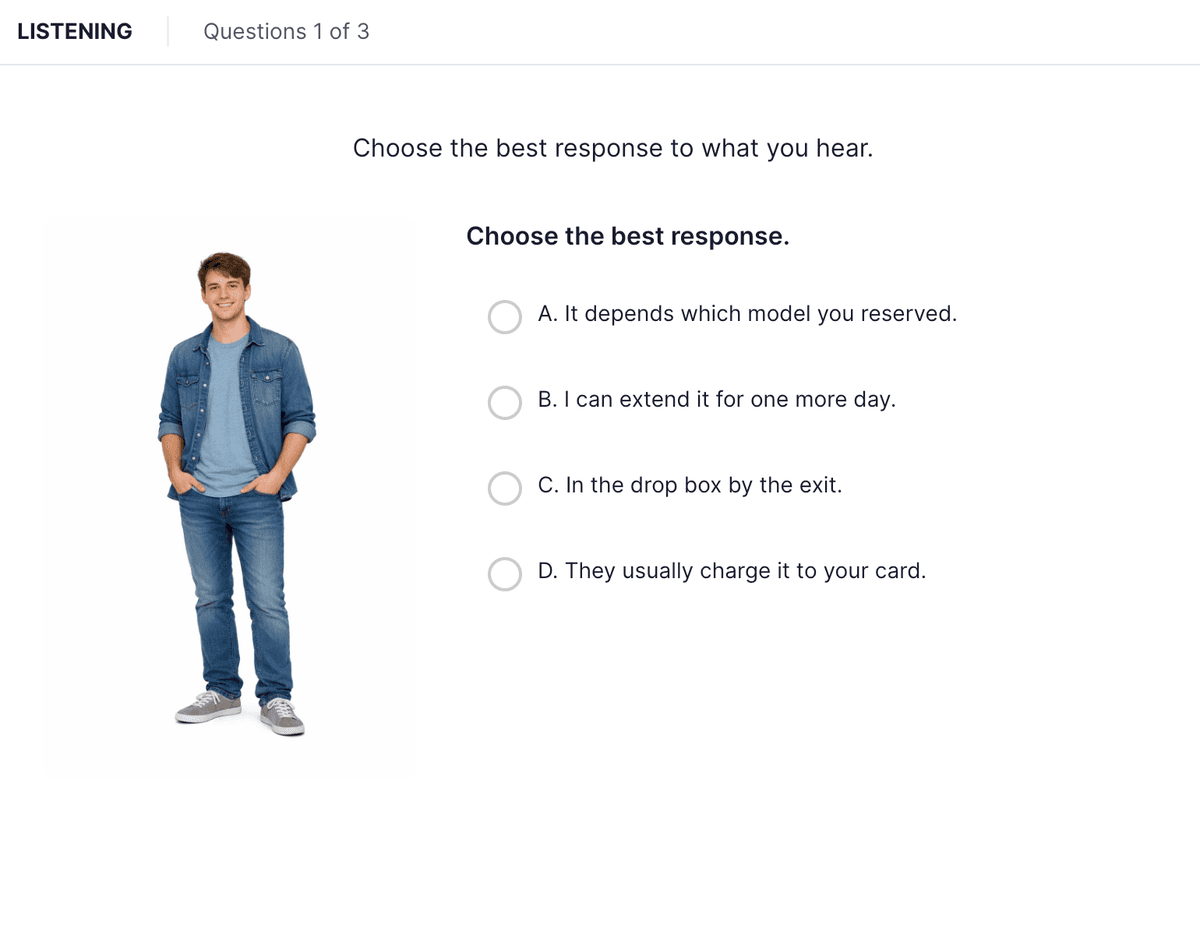 TOEFL 26 New: Listening
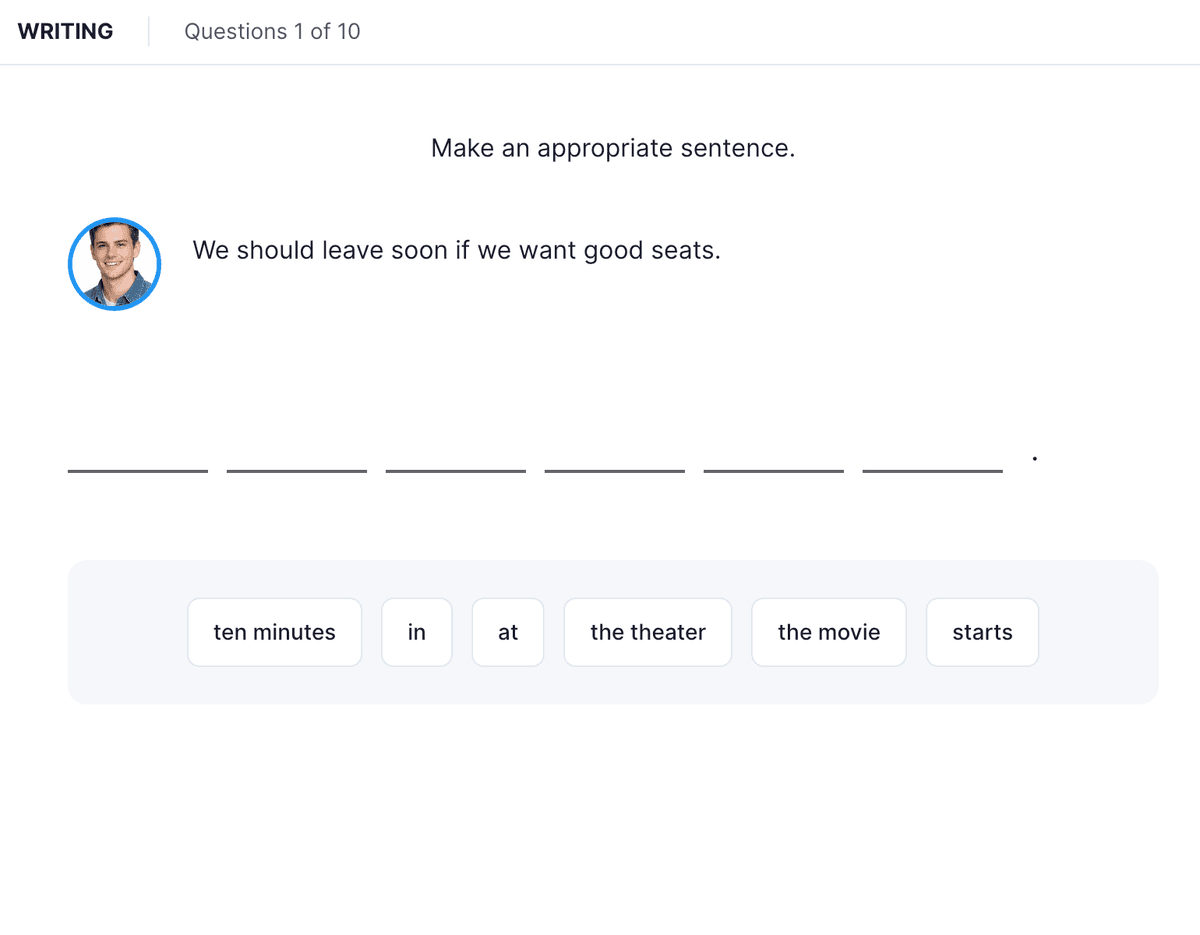 TOEFL 26 New: Writing
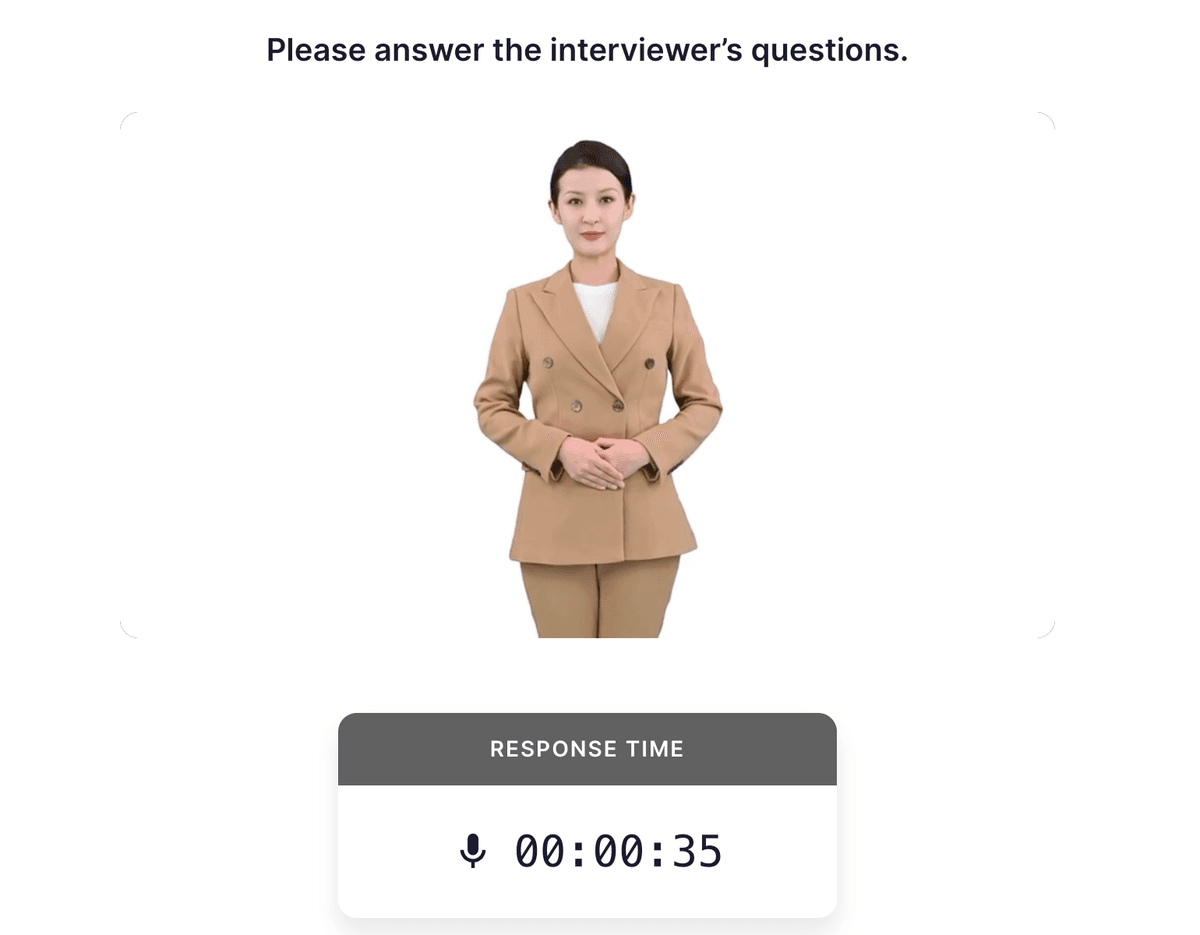 TOEFL 26 New: Speaking
Every TOEFL 2026 mock test in Lingoleap
These are the full-length mock tests the Lingoleap practice app publishes today, listed exactly as they appear inside it. Each one runs all four TOEFL 2026 sections in a single timed sitting, and each name below opens that test in the app.
Start here — free
Start with the free full mock (PQ26-1)
PQ26-1 is the free first test — the quickest way to try the real TOEFL 2026 format before you pick from the full catalogue below.
What to expect: one full, timed sitting across all four TOEFL 2026 sections — the Speaking section records your voice, so you'll need a microphone. PQ26-1 is free to take with a free account. Its scores are free too: every section, including the AI Speaking and Writing feedback, costs no credits.
Not ready for a full test? Try one free AI-graded question instead
104 published full-length mock tests · three sets
- Free with account16 tests
- Plus or Premium15 tests
- Premium73 tests
Access states are the app's own. It marks New TPO and Latest Questions Premium, and describes PQ26-16 to PQ26-30 as included with Plus and Premium; the rest of Practice Questions opens once you create a free account.
Practice Questions (PQ26)
Mixed access31 full-length tests
PQ26-1 to PQ26-15 and PQ26-75 open with a free account. PQ26-16 to PQ26-30 are the range the app sells as part of Plus and Premium.
- PQ26-1Take test →Libreng testFree with account
- PQ26-2Take test →Free with account
- PQ26-3Take test →Free with account
- PQ26-4Take test →Free with account
- PQ26-5Take test →Free with account
- PQ26-6Take test →Free with account
- PQ26-7Take test →Free with account
- PQ26-8Take test →Free with account
- PQ26-9Take test →Free with account
- PQ26-10Take test →Free with account
- PQ26-11Take test →Free with account
- PQ26-12Take test →Free with account
- PQ26-13Take test →Free with account
- PQ26-14Take test →Free with account
- PQ26-15Take test →Free with account
- PQ26-16Take test →Plus or Premium
- PQ26-17Take test →Plus or Premium
- PQ26-18Take test →Plus or Premium
- PQ26-19Take test →Plus or Premium
- PQ26-20Take test →Plus or Premium
- PQ26-21Take test →Plus or Premium
- PQ26-22Take test →Plus or Premium
- PQ26-23Take test →Plus or Premium
- PQ26-24Take test →Plus or Premium
- PQ26-25Take test →Plus or Premium
- PQ26-26Take test →Plus or Premium
- PQ26-27Take test →Plus or Premium
- PQ26-28Take test →Plus or Premium
- PQ26-29Take test →Plus or Premium
- PQ26-30Take test →Plus or Premium
- PQ26-75Take test →Free with account
New TPO (TPO26)
Premium8 full-length tests
The app describes this set as exam-grade practice built for the 2026 format.
Latest Questions (EQ26)
Premium65 full-length tests
The app describes this set as its newest question sets, updated continuously.
- EQ26-1Take test →Premium
- EQ26-2Take test →Premium
- EQ26-3Take test →Premium
- EQ26-4Take test →Premium
- EQ26-5Take test →Premium
- EQ26-6Take test →Premium
- EQ26-7Take test →Premium
- EQ26-8Take test →Premium
- EQ26-9Take test →Premium
- EQ26-10Take test →Premium
- EQ26-11Take test →Premium
- EQ26-12Take test →Premium
- EQ26-13Take test →Premium
- EQ26-14Take test →Premium
- EQ26-15Take test →Premium
- EQ26-16Take test →Premium
- EQ26-17Take test →Premium
- EQ26-18Take test →Premium
- EQ26-19Take test →Premium
- EQ26-20Take test →Premium
- EQ26-21Take test →Premium
- EQ26-22Take test →Premium
- EQ26-23Take test →Premium
- EQ26-24Take test →Premium
- EQ26-25Take test →Premium
- EQ26-26Take test →Premium
- EQ26-27Take test →Premium
- EQ26-28Take test →Premium
- EQ26-29Take test →Premium
- EQ26-30Take test →Premium
- EQ26-31Take test →Premium
- EQ26-32Take test →Premium
- EQ26-33Take test →Premium
- EQ26-34Take test →Premium
- EQ26-35Take test →Premium
- EQ26-36Take test →Premium
- EQ26-37Take test →Premium
- EQ26-38Take test →Premium
- EQ26-39Take test →Premium
- EQ26-40Take test →Premium
- EQ26-41Take test →Premium
- EQ26-42Take test →Premium
- EQ26-43Take test →Premium
- EQ26-44Take test →Premium
- EQ26-45Take test →Premium
- EQ26-46Take test →Premium
- EQ26-47Take test →Premium
- EQ26-48Take test →Premium
- EQ26-49Take test →Premium
- EQ26-50Take test →Premium
- EQ26-51Take test →Premium
- EQ26-52Take test →Premium
- EQ26-53Take test →Premium
- EQ26-54Take test →Premium
- EQ26-55Take test →Premium
- EQ26-56Take test →Premium
- EQ26-58Take test →Premium
- EQ26-59Take test →Premium
- EQ26-60Take test →Premium
- EQ26-61Take test →Premium
- EQ26-62Take test →Premium
- EQ26-63Take test →Premium
- EQ26-64Take test →Premium
- EQ26-65Take test →Premium
- EQ26-66Take test →Premium
Each link opens that exact test in the practice app. The app asks you to sign in first, and tests marked Plus or Premium need the matching plan.
What one mock test contains
The app records a task-type list for every mock test. All four sections appear in all of them:
Reading
- Complete the Words
- Read in Daily Life
- Read an Academic Passage
Listening
- Listen and Choose a Response
- Conversation
- Announcement
- Academic Talk
Speaking
- Listen and Repeat
- Take an Interview
Writing
- Build a Sentence
- Write an Email
- Write for an Academic Discussion
One exception, listed rather than rounded away: TPO26-6 carries no Build a Sentence task. The other 103 tests carry the full task-type list.
Test names, counts and access states read from the practice app's own question list, route table and gate on 18 September 2026. Nothing on this list is an estimate. Lingoleap reports a practice band, not an official ETS score.
Ano ang TOEFL Mock Test (TOEFL Practice Test)?
Ang TOEFL mock test, na tinatawag ding TOEFL practice test, practice exam o test simulation, ay isang buo at naka-time na pagkuha ng TOEFL iBT sa kasalukuyang format nito: ang binagong test na inilunsad noong Enero 21, 2026, na may 12 bagong task type, multistage adaptive na Reading at Listening, at 1–6 na score scale na naaayon sa CEFR.
Hindi kayang i-rehearse ng mga practice material na isinulat para sa test bago ang 2026 ang istrukturang iyon. Ang bawat Lingoleap mock test ay ginawa para sa 2026 format: parehong apat na section, task type at timing, sa isang upuan, at nagtatapos sa isang practice score report.
Bagong Format ng TOEFL 2026
Ang TOEFL 2026 test ay binubuo ng 4 na seksyon: Reading, Listening, Writing, at Speaking. Ang tinatayang oras para makumpleto ang test ay wala pang 2 oras. Hindi kasama sa oras ng test ang mga tagubilin. Dahil nag-a-adapt ang test, maaaring mag-iba ang oras ng test at bilang ng mga tanong.
Reading
~30 min
~50 tanong
Multistage adaptive sa dalawang module
Listening
~29 min
~47 tanong
Multistage adaptive sa dalawang module
Writing
~23 min
12 tanong
Linear format — parehong mga task para sa lahat ng test taker
Speaking
~8 min
11 tanong
Linear format — parehong mga task para sa lahat ng test taker
Lahat ng TOEFL 2026 Task Types
Reading
- Complete the Words
- Read in Daily Life
- Read an Academic Passage
8 question types: Factual & Negative Factual, Vocabulary, Select the Sentence, Sentence Simplification, Reference, Inference, Rhetorical Purpose, Insert Text
Listening
- Listen and Choose a Response
- Listen to a Conversation
- Listen to an Announcement
- Listen to an Academic Talk
6 na question types: Main Idea, Factual, Inference, Purpose, Method, Attitude
Writing
- Build a Sentence
- Write an Email
- Write for an Academic Discussion
Linear format — ini-score batay sa communicative purpose, syntax, word choice, social conventions, at accuracy
Speaking
- Listen and Repeat
- Take an Interview
Linear format — ini-score batay sa delivery (kalinawan, fluency), language use (grammar, vocabulary), at elaboration
Ang Reading at Listening sections ay gumagamit ng multistage adaptive testing — ang performance mo sa Module 1 ang magtatakda ng difficulty level ng Module 2. Nagbibigay ito ng mas personalized na karanasan at sinusukat ang kakayahan mo nang mas mahusay at tumpak.
Bakit Piliin ang Lingoleap TOEFL 26 Mock Tests
Karamihan sa TOEFL practice materials ay nakatuon pa rin sa lumang test format. Ang Lingoleap ay ginawa partikular para sa format ng TOEFL 2026.
 Full-length mock tests na sumasaklaw sa lahat ng 12 opisyal na TOEFL 2026 task types
- Multistage adaptive Reading at Listening na kahalintulad ng totoong test
- AI scoring para sa Speaking at Writing na naaayon sa opisyal na ETS rubrics
- Isa sa pinakamalaking TOEFL 26 mock test library na available
Karamihan sa resources ay nagpe-prepare sa iyo para sa lumang TOEFL. Ang Lingoleap ay nagpe-prepare sa iyo para sa bago.
Kumpletong TOEFL 2026 Task Type Coverage
Bawat Lingoleap TOEFL 26 mock test ay sumasaklaw sa lahat ng 12 opisyal na task types sa apat na test sections — eksaktong katulad ng lumalabas sa totoong pagsusulit.
Reading
- Complete the Words
I-reconstruct ang mga nawawalang bahagi ng mga salita sa isang maikling academic na talata
- Read in Daily Life
Magbasa ng praktikal na teksto tulad ng emails, notices, o social media posts
- Read an Academic Passage
Magbasa ng maikling academic passage (~200 salita) at sagutin ang 5 tanong
Listening
- Listen and Choose a Response
Makinig sa maikling tanong o pahayag, piliin ang pinakamainam na sagot mula sa 4 na pagpipilian
- Listen to a Conversation
Sagutin ang mga tanong tungkol sa maikling campus-life conversations sa pagitan ng 2 speakers
- Listen to an Announcement
Sagutin ang mga tanong tungkol sa mga classroom o campus event announcements
- Listen to an Academic Talk
Sagutin ang mga tanong tungkol sa maikling academic talks sa iba't ibang paksa
Writing
- Build a Sentence
Ayusin ang mga salita at parirala para makumpleto ang isang pangungusap sa maikling dialogue
- Write an Email
Sumulat ng email para sa isang partikular na layunin tulad ng pagrerekumenda, pag-iimbita, o pagmumungkahi ng solusyon
- Write for an Academic Discussion
Basahin ang post ng professor at 2 sagot ng estudyante, pagkatapos isulat ang sarili mong kontribusyon (100+ salita)
Speaking
- Listen and Repeat
Ulitin ang 7 spoken sentences na tumataas ang haba at complexity
- Take an Interview
Sagutin ang 4 na interview questions sa isang simulated academic conversation (45s bawat isa)
Multistage Adaptive Testing — Katulad ng Totoong TOEFL 2026
Ang Lingoleap mock tests ay sini-simulate ang multistage adaptive structure ng totoong TOEFL. Ang performance mo sa Module 1 ang nagtatakda ng difficulty ng Module 2, katulad ng aktwal na pagsusulit.
Realistic na Test Progression
Maranasan ang parehong adaptive flow ng aktwal na TOEFL 2026 — ang Module 1 performance ang nagtatakda ng difficulty para sa Module 2
Multi-Level Practice
Mag-practice sa parehong mas madali at mas mahirap na modules para buuin ang kumpiyansa at accuracy sa bawat level
Tunay na Performance Insight
Unawain ang tunay mong score potential batay sa adaptive scoring logic at raw-to-scaled score conversion
AI Scoring para sa Speaking & Writing
Makakuha ng instant at detalyadong feedback sa bawat Speaking at Writing response — naaayon sa opisyal na ETS scoring rubrics. Bawat response ay ini-score nang holistic sa 0–5 scale.
Speaking Evaluation
Listen and Repeat
- Repetition Accuracy
- Intelligibility
- Pronunciation
Take an Interview
- Delivery (kalinawan, fluency, pronunciation, intonation)
- Language Use (grammar & vocabulary range at accuracy)
- Elaboration (on-topic, well-supported ideas)
Writing Evaluation
Write an Email
- Elaboration na sumusuporta sa communicative purpose
- Syntactic variety at tumpak, idiomatic na word choice
- Angkop na social conventions (pagiging magalang, register, formality)
- Lexical at grammatical accuracy
Write for an Academic Discussion
- Relevant at detalyadong mga paliwanag at halimbawa
- Iba't ibang syntactic structures at tumpak, idiomatic na word choice
- Lexical at grammatical accuracy
Accuracy and transparency
How Accurate Is This TOEFL Practice Test Score?
Every practice-test site says its scores are accurate. Almost none says how the number is produced or what has actually been checked. Here is the full answer for Lingoleap — including what we have not verified yet.
What we know
- Reading and Listening are scored against a fixed answer key, so those bands are as reliable as the question set is representative of the real test.
- Writing and Speaking responses are scored 0–5 by a language model against the dimensions of the published ETS scoring guides — the same criteria the Speaking and Writing evaluation section above lists.
- Every band on your report comes from one fixed rule set — the tables and formulas printed further down this page — so the same answers always produce the same band.
What we have not verified
- We have not yet published a comparison of Lingoleap bands against learners' official ETS score reports. Until that verified sample exists and is large enough, we do not quote a correlation, an accuracy percentage or a margin of error — any such number would be invented.
- ETS has not released a raw-to-band conversion for the 2026 test. Our Reading and Listening table is a Lingoleap estimate and is labelled as one below.
- The real test equates scores across forms and adaptive paths with Item Response Theory; our engine uses a simpler lookup table. The two can disagree, most likely at band boundaries.
What to do with the estimate
- Treat one mock band as a range, not a point. Read the section bands and the task-type accuracy under them — those move first and are what you can practise.
- Track direction across three to five mocks spaced two to three weeks apart, rather than certifying a single sitting.
- For admissions, only an ETS score counts. Check your target school's published minimum with the Score Calculator, and treat the last mock as a dress rehearsal, not a prediction.
The method we will use to publish calibration figures — who counts, which mock counts, what gets excluded — is already written down on the how-it-works page. The figures will appear there, with their sample size, once the verified sample exists.
See the calibration method →Wondering whose AI to trust on the 2026 test in general? The AI tutor guide explains how ETS's own SpeechRater and e-rater engines grade Speaking and Writing first, and how to rehearse against an AI scorer.
How the 2026 TOEFL is graded by AI →How Our Adaptive Practice Works
Reading and Listening in a Lingoleap mock run as a two-stage test, the structure ETS describes for the real exam. Here is exactly what our engine does — and, separately, what ETS has and has not said.
In a Lingoleap mock test
- 1
Router module
Every test-taker starts with the same router module in each section.
- 2
Routing
Your router performance sends you to a lower or an upper Stage 2 module. The two modules are built differently, which is why the number of items you see varies from mock to mock. The routing threshold is an engine setting we do not publish on this page.
- 3
One band table, defined for the upper module
Correct answers across both stages are counted, normalised to a 35-point basis, and looked up in the section's band table. The table is defined for the upper module.
- 4
Lower-module adjustment
A sitting routed to the lower module is placed one step down that table for the same normalised count. So in our engine the lower path cannot reach the top band — that is a Lingoleap simplification, not an ETS rule, and it is the one place our scoring is deliberately more conservative than the real test.
Adaptive routing: what ETS has published vs what prep sites assert
| Question | What ETS has published | What prep sites assert |
|---|---|---|
| Structure | Reading and Listening are “designed as two-stage adaptive tests”; Writing and Speaking are linear, with every test-taker on a form getting the same tasks (2026 Test Blueprint, note 5). | The same. This part is not in dispute. |
| Routing | “Based on their performance on the first module, test takers will get a second module where the difficulty of the test tasks matches their ability level.” No routing threshold is published (Teacher FAQ, Q9). | Specific thresholds — “get the first ten questions wrong and you are routed down” — none of which cites an ETS source. |
| How the score is produced | The section score “takes into consideration the total number of questions answered correctly across the two stages or modules as well as the difficulty level of questions”, converted by IRT equating so that a reported score “reflects the same level of language ability, regardless of which second stage was taken” (Teacher FAQ). | A fixed raw-to-band table applied to both paths, or a flat penalty for the easier path. |
| The “ceiling” | ETS states no maximum band for the lower module. It says “the final score is based on both stages” and that item difficulty is accounted for — which means an easier item is worth less, not that a particular band is forbidden. Whether the easier module can reach 6.0 in practice is not something ETS has published either way. | “A perfect score on the easier Stage 2 caps you at 4.0”, or “below 5.0” — the figure differs from site to site and none cites ETS. |
| Unscored items | Reading and Listening item counts “include non-scored items” used to gather data for future forms (Blueprint, note 1). | Rarely mentioned; item counts are usually quoted as if every item scored. |
ETS sources: TOEFL iBT 2026 Test Blueprint and Specifications (PDF) · Teacher FAQ for TOEFL iBT Enhancements (PDF)
Quotations are from those two ETS documents as read on 16 September 2026. Where this page says ETS has not published something, we mean we could not find it in either document or on ets.org — not that no such rule exists internally.
How the Band Is Produced, Section by Section
The whole path from your answers to the 1–6 band, with nothing hidden. These are the rules our score report runs on.
Reading
Scored by: Answer key- 1Every item is compared with the reference answer: right or wrong, no partial credit.
- 2Correct answers across the router and your Stage 2 module are summed and scaled to a 35-point basis: points = round(correct ÷ items × 35).
- 3The points are looked up in the Reading band table below. Lower-module sittings drop one step.
Listening
Scored by: Answer key- 1The same answer-key grading and 35-point scaling as Reading.
- 2The Listening table has its own boundaries: 80% accuracy is a 5.0 in Reading, but 71% is a 4.5 in Listening. That is why two sections at similar accuracy can show different bands.
Writing
Scored by: Answer key + AI- 1Build a Sentence: each item is scored right or wrong against the accepted word orderings. No model is involved.
- 2Write an Email and Write for an Academic Discussion: each response is scored 0–5 by a language model against the dimensions of the ETS scoring guide for that task.
- 3Section band = (points earned ÷ points available) × 5 + 1, rounded to the nearest 0.5.
Speaking
Scored by: AI- 1Listen and Repeat (7 items) and Take an Interview (4 items): your recording is transcribed and measured for pronunciation and fluency, then a model scores each response 0–5 against the rubric dimensions.
- 2Section band = (points earned ÷ points available) × 5 + 1, rounded to the nearest 0.5.
Overall band = the plain average of the four section bands, rounded to the nearest 0.5. The 0–120 “traditional” figure on the report is each section's accuracy scaled to 0–30 and summed; it exists only for comparing against university pages that still quote the old scale.
Raw Correct to Band: Reading and Listening
Lingoleap estimate — not an ETS tableBasis: these are the exact lookup tables our score report uses, defined on a 35-point normalised scale (points = round(correct ÷ items × 35)). ETS has published no raw-to-band conversion for the 2026 test, and real scores are IRT-equated for form and module difficulty, so treat every band here as a practice estimate. The approximate-accuracy column is the points range divided by 35.
Reading
| Band | Points (of 35) | Approx. accuracy |
|---|---|---|
| 6.0 | 34–35 | ≈ 97–100% |
| 5.5 | 32–33 | ≈ 91–94% |
| 5.0 | 28–31 | ≈ 80–89% |
| 4.5 | 25–27 | ≈ 71–77% |
| 4.0 | 18–24 | ≈ 51–69% |
| 3.5 | 12–17 | ≈ 34–49% |
| 3.0 | 8–11 | ≈ 23–31% |
| 2.5 | 7 | ≈ 20% |
| 2.0 | 6 | ≈ 17% |
| 1.0 | 0–5 | ≈ 0–14% |
Listening
| Band | Points (of 35) | Approx. accuracy |
|---|---|---|
| 6.0 | 34–35 | ≈ 97–100% |
| 5.5 | 32–33 | ≈ 91–94% |
| 5.0 | 29–31 | ≈ 83–89% |
| 4.5 | 25–28 | ≈ 71–80% |
| 4.0 | 23–24 | ≈ 66–69% |
| 3.5 | 18–22 | ≈ 51–63% |
| 3.0 | 13–17 | ≈ 37–49% |
| 2.5 | 11–12 | ≈ 31–34% |
| 2.0 | 8–10 | ≈ 23–29% |
| 1.5 | 6–7 | ≈ 17–20% |
| 1.0 | 0–5 | ≈ 0–14% |
Worked example from our sample report: 28 of 35 Reading items correct → 28 points → Band 5.0. 32 of 45 Listening items correct → 24.9, rounded to 25 points → Band 4.5.
Lower-module sittings: one step down the table for the same points.
Mga Sample na Tanong sa TOEFL iBT (2026 Format)
Mag-warm up gamit ang mga libreng sample na tanong na hinango sa 2026 TOEFL iBT — isa mula sa bawat section. Ipakita ang sagot at paliwanag, pagkatapos ay magsimula ng full-length practice test kapag handa ka na.
Read the short academic passage, then answer the question.
Bioluminescence — the production of light by living organisms — is common in the deep ocean, where sunlight never reaches. Many creatures use it to attract prey, confuse predators, or signal to potential mates. The light is produced by a chemical reaction between a molecule called luciferin and the enzyme luciferase. Because the reaction gives off almost no heat, scientists describe the light as "cold light."
According to the passage, why is bioluminescent light described as "cold light"?
- AIt is only found in cold, deep water.
- BThe chemical reaction releases very little heat.
- CIt appears blue rather than red or orange.
- DIt is produced only at night.
▸Ipakita ang sagot at paliwanag
Sagot: B — The chemical reaction releases very little heat.
The final sentence states the reaction "gives off almost no heat," which is why it is called cold light. Option A confuses where the organisms live with why the light is cold; C and D add details the passage never mentions. Factual questions like this reward locating the exact supporting sentence rather than relying on outside knowledge.
Type the missing letters to complete the word so the sentence makes sense.
Regular exercise can signi______ reduce the risk of heart disease.
▸Ipakita ang sagot at paliwanag
Sagot: significantly
"Complete the Words" gives you the first letters and the length of a word and asks you to finish it from context. Here the sentence needs an adverb describing how much exercise reduces risk — "significantly." Read the whole sentence first, decide the part of speech, then fit a word that starts with the letters shown.
On the real test you would hear this talk once. Read the transcript excerpt, then answer.
Professor: "So when we talk about the 'urban heat island' effect, we mean that cities tend to be several degrees warmer than the countryside around them. The main reason is surface material. Asphalt and concrete absorb heat during the day and release it slowly at night — unlike soil and vegetation, which cool down much faster. That's why a city can still feel warm hours after sunset."
What is the main cause of the urban heat island effect, according to the professor?
- ACities are located in naturally warmer regions.
- BBuildings block cooling wind from reaching streets.
- CPaved surfaces absorb and slowly release heat.
- DThere are more people generating body heat.
▸Ipakita ang sagot at paliwanag
Sagot: C — Paved surfaces absorb and slowly release heat.
The professor names surface material — asphalt and concrete absorbing heat and releasing it slowly — as "the main reason." The other options are plausible-sounding distractors the talk never states. In the Listening section, note the speaker's signal phrases ("the main reason is…") to catch the point being tested.
Put the words and phrases in the correct order to form a grammatical sentence.
[ the deadline / because / the library / she / was approaching / stayed late at ]
▸Ipakita ang sagot at paliwanag
Sagot: She stayed late at the library because the deadline was approaching.
"Build a Sentence" tests control of English word order and clause structure. Start with the subject ("She"), add the main verb phrase ("stayed late at the library"), then attach the reason clause introduced by "because." Checking that subject, verb, and connector line up is usually enough to place every chunk.
You have 45 seconds to answer. There is no single correct response — a strong answer is clear, on-topic, and supported with a reason or example.
Some students prefer to study in the morning, while others prefer the evening. Which do you prefer, and why?
▸Ipakita ang sagot at paliwanag
Sagot: Sample strong response (outline)
Take a clear position, give one reason, and support it with a specific example: "I prefer studying in the morning because my mind is freshest right after I wake up. For instance, I can read a difficult chapter in thirty minutes in the morning, but the same chapter takes me an hour at night when I'm tired." Scoring rewards delivery (clear, fluent speech), language use (accurate grammar and vocabulary), and elaboration (a developed, on-topic idea) — so commit to one answer and develop it rather than listing both options.
Ito ay mga orihinal na practice item ng Lingoleap na ginawa para gayahin ang mga task type ng 2026 TOEFL iBT. Para sa practice lamang ang mga ito at hindi totoong tanong sa ETS test; ang Lingoleap ay independiyente sa ETS at hindi ini-endorse ng ETS.
Practice TOEFL by Section
A full-length mock test measures readiness, but targeted section practice is how you fix specific weaknesses. Drill any of the four sections and all 12 task types below.
Reading
Adaptive passages and the three 2026 reading task types.
Listening
Conversations, announcements, and academic talks with adaptive difficulty.
Speaking
Listen and Repeat plus the academic interview, with AI delivery feedback.
Writing
Build a Sentence, Write an Email, and Write for an Academic Discussion.
100+ Full TOEFL 26 Mock Tests — Ina-update Buwan-buwan
I-access ang isa sa pinakamalaking TOEFL 2026 mock test library na available. Nagdaragdag ng bagong tests bawat buwan, na tumutulong sa iyo na patuloy na mag-practice gamit ang mga sariwa at na-update na materyales.
- 100+ full-length TOEFL 26 mock tests
- Lahat ng tests ay naaayon sa pinakabagong TOEFL 2026 format at task types
- Bagong tests na idinaragdag bawat buwan
- Sumasaklaw sa lahat ng 4 na seksyon at 12 task types
- Covers all 4 sections and 12 task types
Paano Magsimula ng TOEFL 26 Mock Test
Gumawa ng Account
Mag-sign up nang libre sa Lingoleap
Pumili ng Mock Test
Pumili mula sa 100+ full-length TOEFL 26 mock tests
Magsimulang Mag-practice
Kunin ang test sa totoong exam conditions
Kunin ang Score at Feedback Mo
Tumanggap ng AI-powered scoring at detalyadong performance analysis
Simulan ang Iyong TOEFL 26 Mock Test
I-practice ang bagong TOEFL 2026 format na may multistage adaptive testing, lahat ng 12 task types, at AI scoring.
Mga Madalas na Itanong
Lahat ng kailangan mong malaman tungkol sa TOEFL 26 mock tests
Ano ang pagkakaiba ng TOEFL 2026 format?
Ang TOEFL 2026, na inilunsad noong Enero 21, 2026, ay ganap na binagong test. Nagpapakilala ito ng multistage adaptive testing sa Reading at Listening, kung saan ang performance sa Module 1 ang nagtatakda ng hirap ng Module 2. Linear na format ang Writing at Speaking (parehong mga task para sa lahat). Mayroon itong 12 ganap na bagong task type at bagong 1–6 na scoring scale na naaayon sa CEFR. Wala pang 2 oras ang test.
Ilang task types ang nasa bagong TOEFL 2026?
Ang bagong TOEFL 2026 ay may 12 task type sa 4 na section: 3 sa Reading (Complete the Words, Read in Daily Life, Read an Academic Passage), 4 sa Listening (Listen and Choose a Response, Listen to a Conversation, Listen to an Announcement, Listen to an Academic Talk), 3 sa Writing (Build a Sentence, Write an Email, Write for an Academic Discussion), at 2 sa Speaking (Listen and Repeat, Take an Interview).
Ilang full TOEFL practice test ang nasa Lingoleap?
Sa ngayon, naglalathala ang Lingoleap ng 100+ full-length na TOEFL 2026 mock test (10,000+ masasagutang tanong sa kabuuan), at may mga bagong test na idinadagdag bawat buwan. Saklaw ng bawat test ang lahat ng apat na section at bawat opisyal na task type sa 2026 format; nakalista ang lahat ng ito sa catalogue malapit sa itaas ng page na ito.
Sini-simulate ba ng Lingoleap ang multistage adaptive testing?
Oo. Isa ang Lingoleap sa iilang platform na nagsi-simulate ng multistage adaptive testing na istruktura na ginagamit sa Reading at Listening section ng TOEFL 2026. Ang performance mo sa Module 1 ay nakakaapekto sa hirap ng Module 2, katulad ng totoong exam.
Paano gumagana ang AI scoring para sa Speaking at Writing?
Sinusuri ng AI ng Lingoleap ang mga sagot mo gamit ang pamantayang batay sa mga pampublikong ETS scoring rubric (holistic na 0–5 bawat tanong). Para sa Speaking, ang Listen and Repeat ay minamarkahan batay sa katumpakan ng pag-uulit, intelligibility, at pronunciation. Ang Take an Interview ay minamarkahan batay sa delivery (linaw, fluency, bilis), paggamit ng wika (grammar, vocabulary), at elaboration (kaugnayan sa topic, mga sumusuportang ideya). Para sa Writing, ang Write an Email ay minamarkahan batay sa layuning komunikatibo, iba't ibang sentence structure at idiomatic na pagpili ng salita, social conventions (pagkamagalang, register), at lexical/grammatical accuracy. Ang Write for an Academic Discussion ay minamarkahan batay sa relevance at elaboration, sentence structure at pagpili ng salita, at lexical/grammatical accuracy.
Gumagana ba ang TOEFL exam simulator na ito tulad ng totoong test?
Sa mga bahaging humuhubog sa score mo, oo: parehong 12 task type, parehong pagkakasunod-sunod ng section at timing, at two-stage adaptive na Reading at Listening, sa isang naka-time na upuan. Dalawang bagay ang naiiba. Orihinal na Lingoleap item ang mga tanong, hindi mga tanong ng ETS; at ine-equate ng totoong test ang mga score sa iba't ibang form gamit ang Item Response Theory, habang ang engine namin ay gumagamit ng mga lookup table na nakalathala sa accuracy section ng page na ito. Walang practice test na kapareho mismo ng opisyal na exam.
Puwede ko bang kunin ang TOEFL practice test online, o isang section lang sa bawat pagkakataon?
Oo sa pareho. Tumatakbo online ang bawat test sa iyong browser, sa Lingoleap practice app pagkatapos mong mag-sign in; kailangan ng mikropono ang Speaking section. Bukod sa full-length na mock test, puwede mong i-practice ang Reading, Listening, Speaking o Writing nang hiwalay, o i-drill ang isang task type lang, para matutukan ang section na pinakakailangan mong pagbutihin.
Gaano katumpak ang mga score estimate ng Lingoleap mock test?
Ang Reading at Listening ay minamarkahan gamit ang answer key, kaya nakadepende ang kanilang band sa kung gaano ka-representative ang set ng mga tanong. Ang mga band ng Writing at Speaking ay galing sa isang language model na nagbibigay ng 0–5 sa bawat sagot batay sa mga dimensyon ng nakalathalang ETS scoring guide. Hindi pa kami naglalathala ng paghahambing ng Lingoleap band at ng opisyal na ETS score report ng mga learner, kaya hindi kami nagbibigay ng accuracy figure — ipinapakita ng section na “Gaano katumpak ang score na ito?” sa page na ito kung paano eksaktong nabubuo ang bawat band at kung ano ang na-verify at hindi pa. Mga practice estimate lamang ang mga ito: ang ETS lamang ang naglalabas ng opisyal na TOEFL score, at ang Lingoleap ay independiyente sa ETS at hindi ini-endorse ng ETS.
Kung mapunta ako sa mas madaling module, may cap ba ang band ko?
Sa Lingoleap mock, oo, kaunti: ang band table ay nakatakda para sa upper module, at ang upuan sa lower module ay inilalagay nang isang hakbang pababa rito, kaya hindi maaabot ng lower path ang pinakamataas na band. Pagpapasimple namin iyon. Sa totoong test, sinasabi ng ETS na ang score ay batay sa parehong stage at isinasaalang-alang ang hirap ng item sa pamamagitan ng IRT equating; wala itong inilathalang maximum band para sa lower module. Ang mga partikular na cap na binabanggit ng mga prep site (“4.0”, “mababa sa 5.0”) ay hindi galing sa ETS.
Ilang tamang sagot ang kailangan ko para sa Band 5 sa Reading o Listening?
Sa practice table ng Lingoleap, ang Reading Band 5.0 ay nangangailangan ng 28–31 sa 35 normalised point (mga 80–89% tama) at ang Listening Band 5.0 ay nangangailangan ng 29–31 (mga 83–89%). Ang point ay ang iyong mga tamang sagot na na-scale sa 35-point na basehan. Estimate ito ng Lingoleap: walang inilathalang raw-to-band table ang ETS para sa 2026 test at ine-equate nito ang totoong score ayon sa hirap, kaya maaaring iba ang opisyal na conversion.
Libre ba ang TOEFL practice test na ito?
Bahagya lang. Sa mga full-length test na nakalista sa page na ito, bukas ang PQ26-1 hanggang PQ26-15 at PQ26-75 gamit ang libreng account; kasama ang PQ26-16 hanggang PQ26-30 sa Plus at Premium, at Premium ang New TPO at Latest Questions set. Kailangan mong mag-sign in muna sa bawat test. Hindi kailanman gumagastos ng credit ang Reading at Listening practice. Ang isang full mock test na may AI scoring para sa lahat ng apat na section ay nagkakahalaga ng 800 credit, at nagsisimula ang mga bagong account sa 200 libreng AI-feedback credit, kaya ang pag-score sa Speaking at Writing ng isang full mock ay nangangailangan ng mas maraming credit kaysa sa mayroon ang bagong account.
Gaano katagal ang TOEFL practice test?
Wala pang 2 oras, katulad ng totoong TOEFL 2026: mga 30 minuto ng Reading, 29 ng Listening, 23 ng Writing at 8 ng Speaking, hindi kasama ang mga direksyon. Dahil multistage adaptive ang Reading at Listening, nag-iiba ang eksaktong oras at bilang ng tanong sa bawat upuan.
Naghahanda ka ba para sa IELTS? IELTS practice tests: format, oras, at ang maaari mong i-practice nang libre →