TOEFL 26 Deneme Sınavları
Yeni TOEFL 2026 Formatında Pratik Yapın
Adaptif Reading & Listening, tüm yeni soru tipleri ve Speaking ile Writing için yapay zeka puanlaması içeren tam uzunlukta TOEFL 26 deneme sınavları.
2026 formatında bir Speaking veya Writing sorusuyla başlayın; yapay zekâ puanlasın. LingoLeap hesabıyla ücretsiz, kart gerekmez.
Ya da tam deneme sınavı PQ26-1 açın (tam sınavın puanlanması 800 kredi kullanır)
İlk tam 2026 deneme sınavınız, Speaking ve Writing dahil ücretsiz puanlanır.
Yayınlanan tüm sınavları gör (104) ↓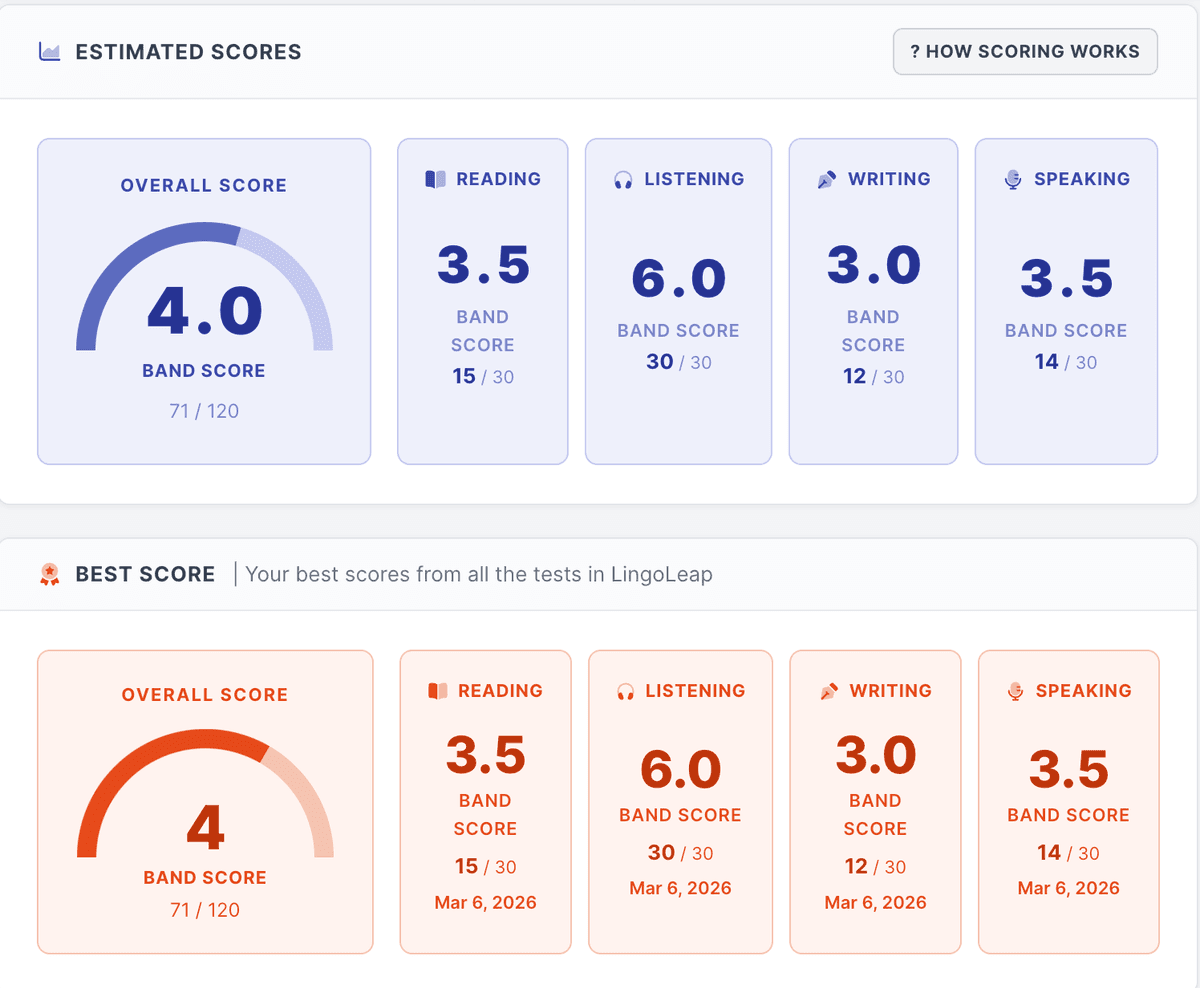 Score Report
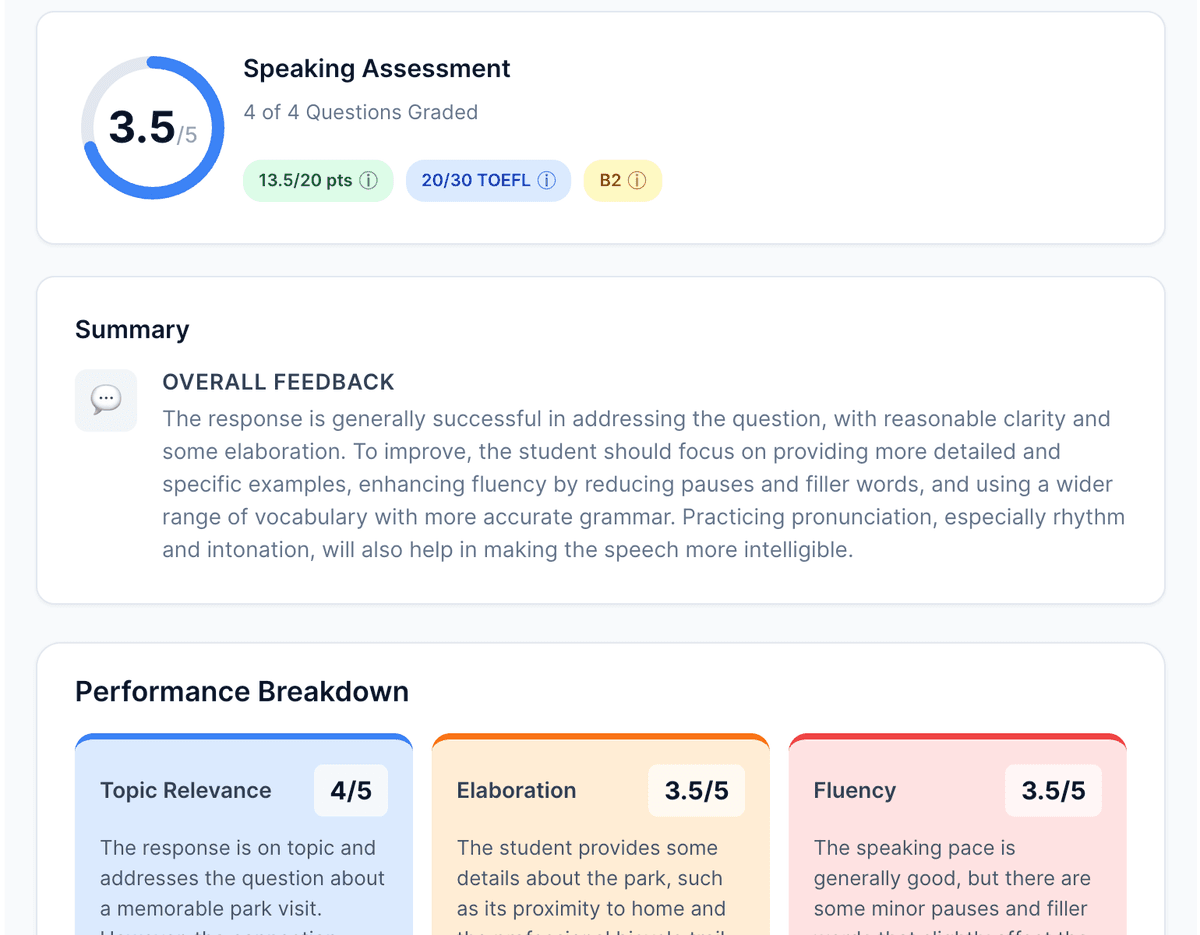 AI Speaking Score
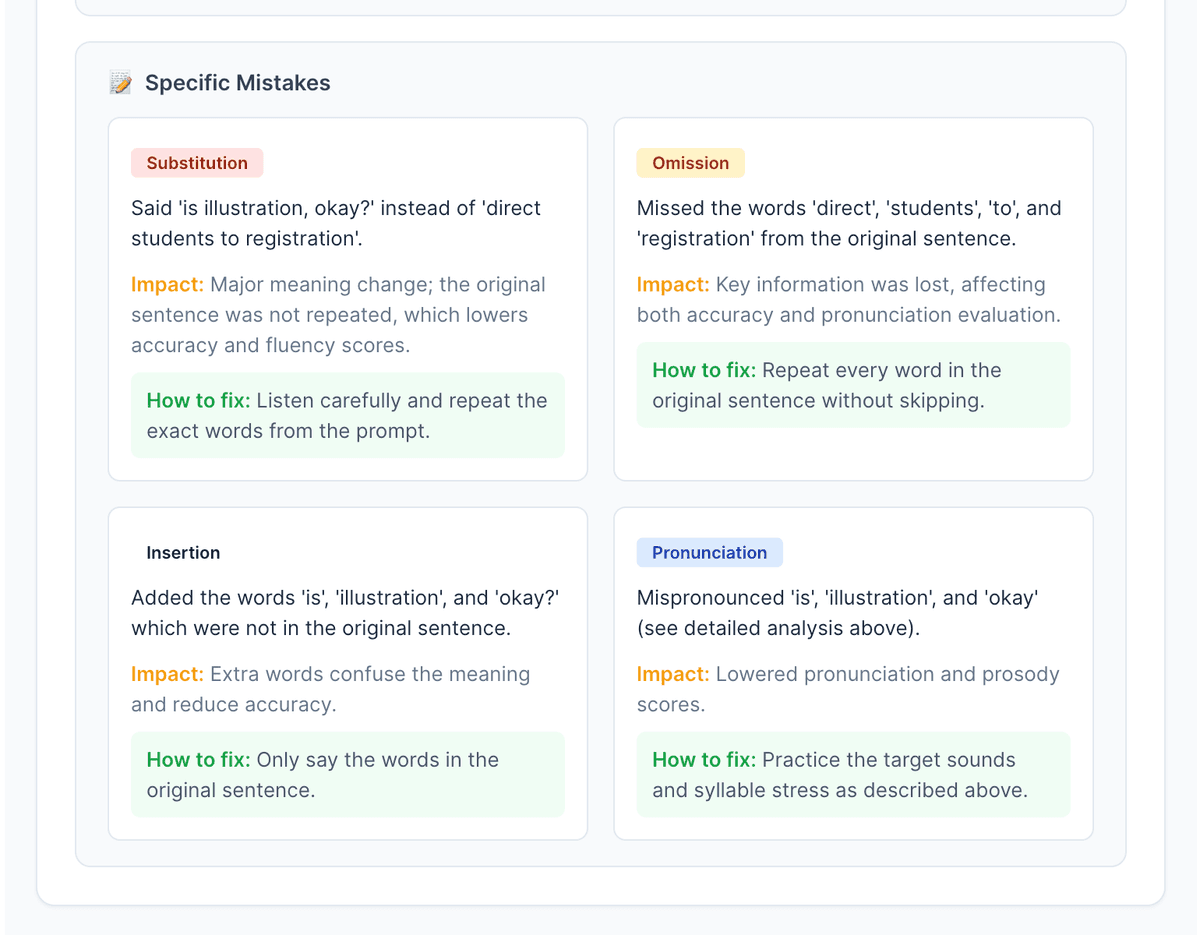 Mistake Analysis
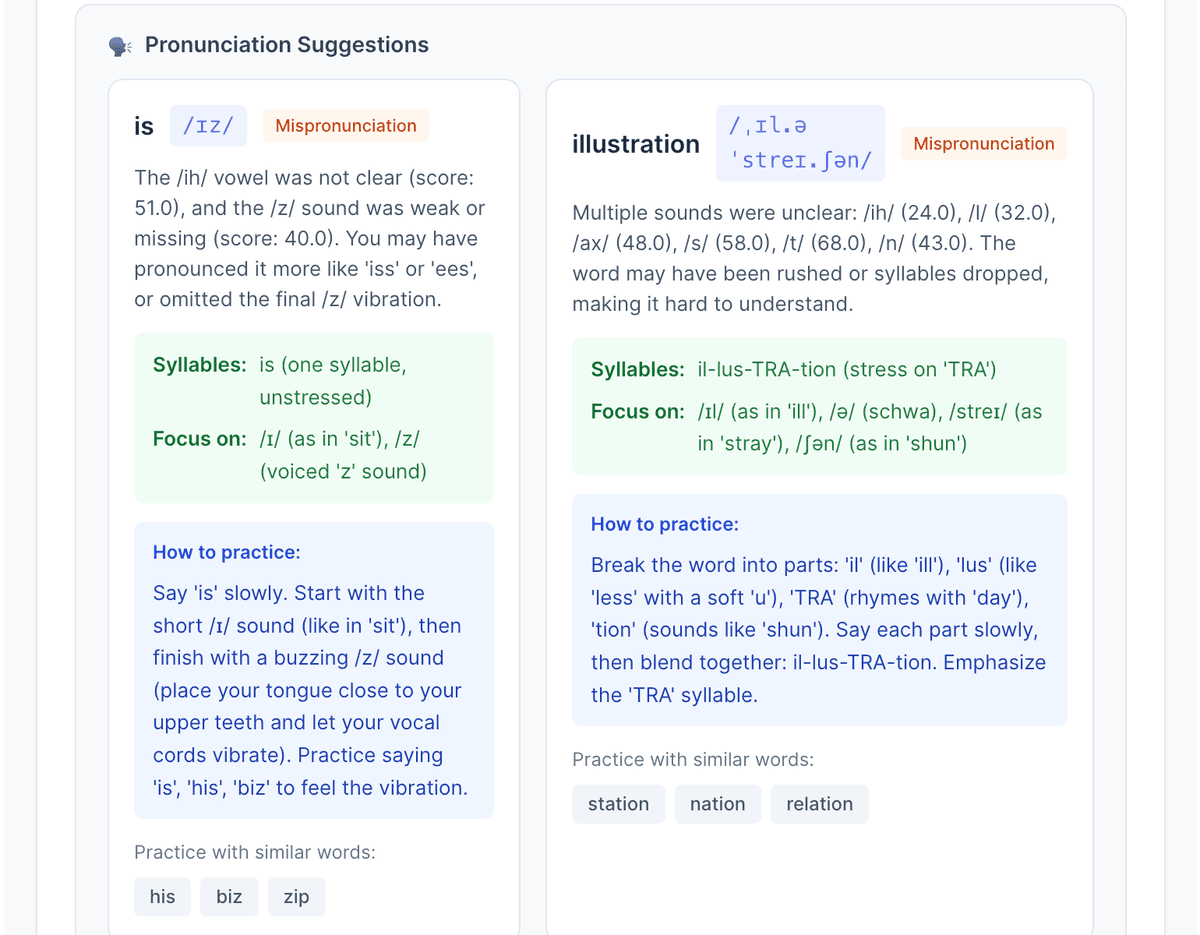 Pronunciation Feedback
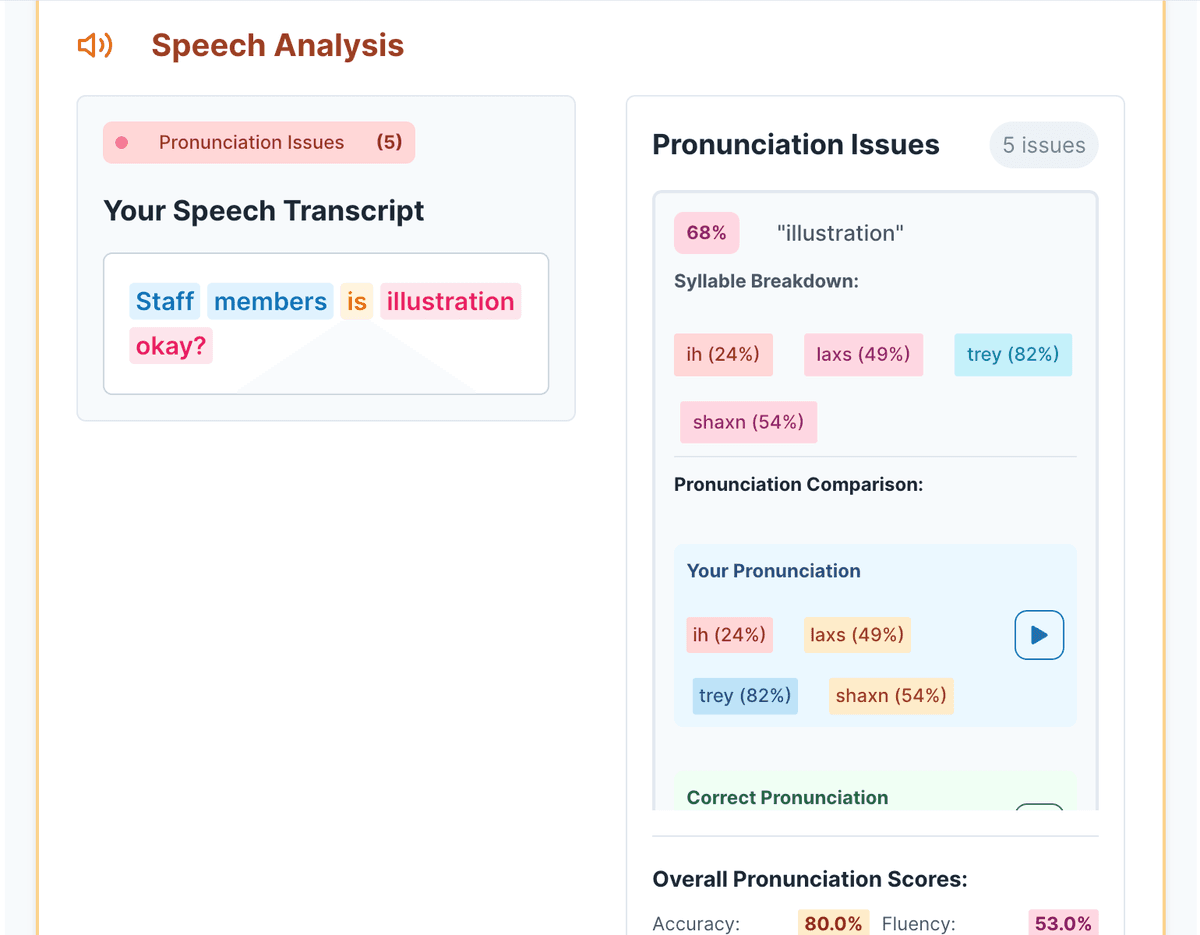 Speech Analysis
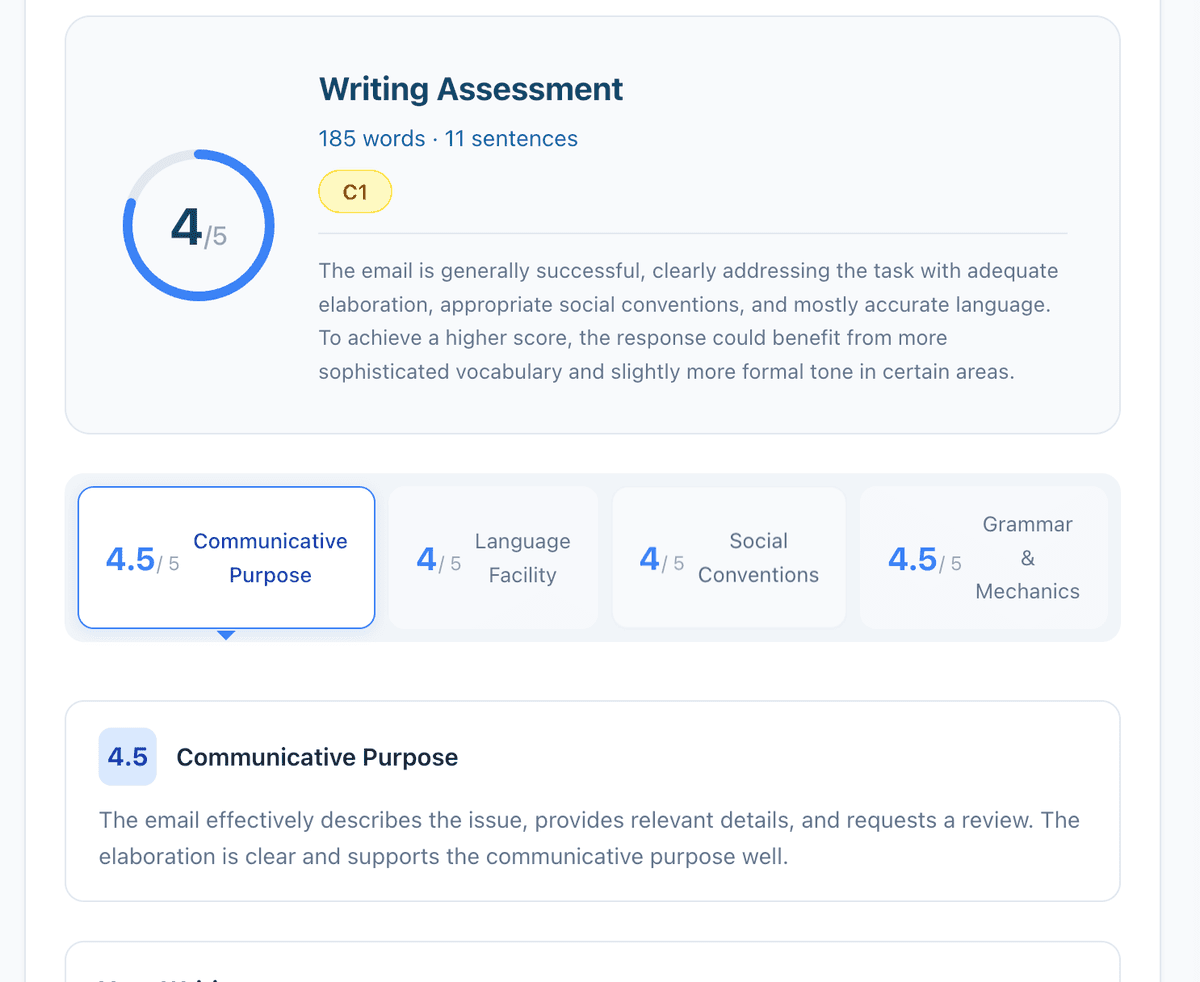 AI Writing Score
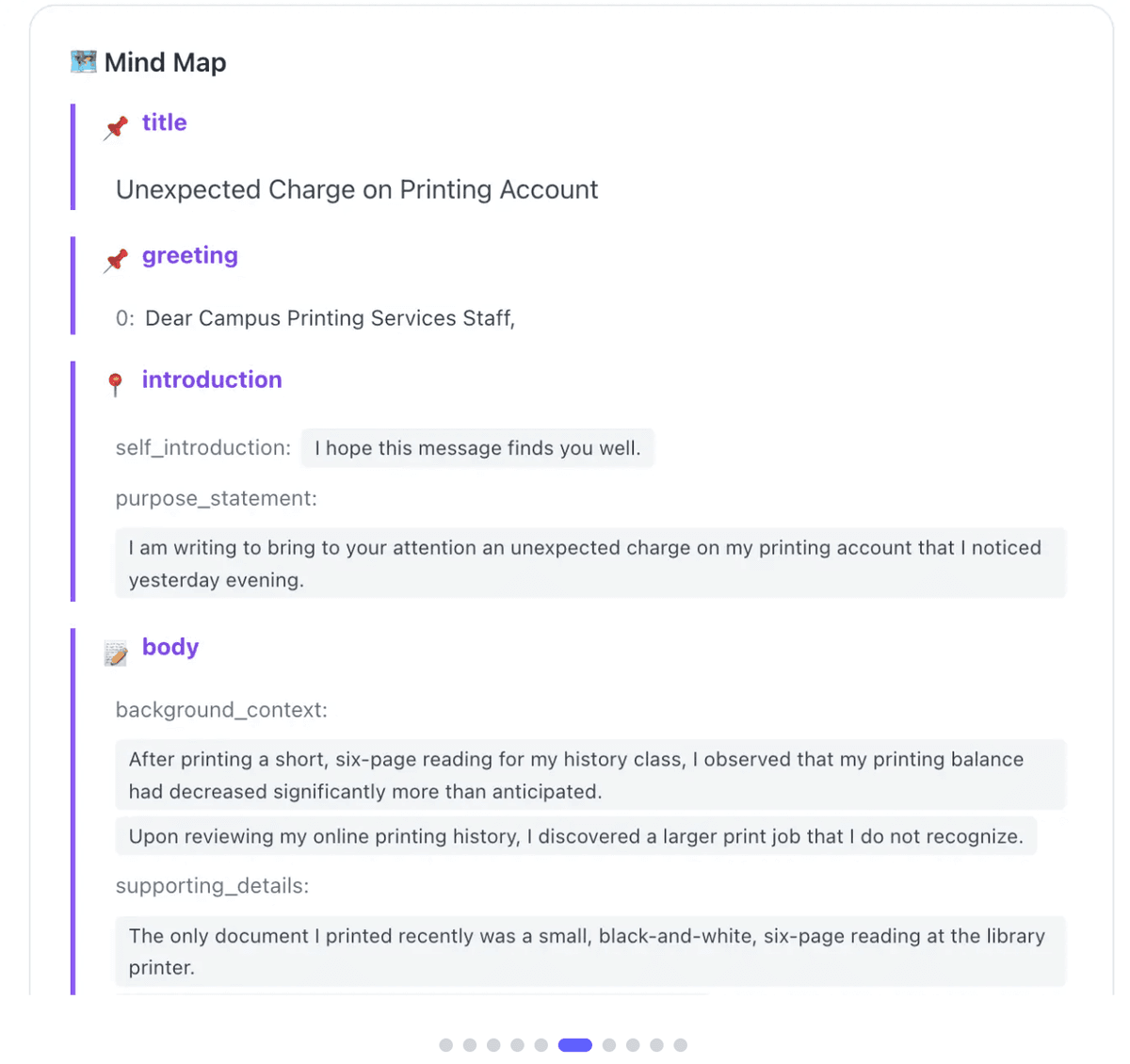 Article Structure Feedback
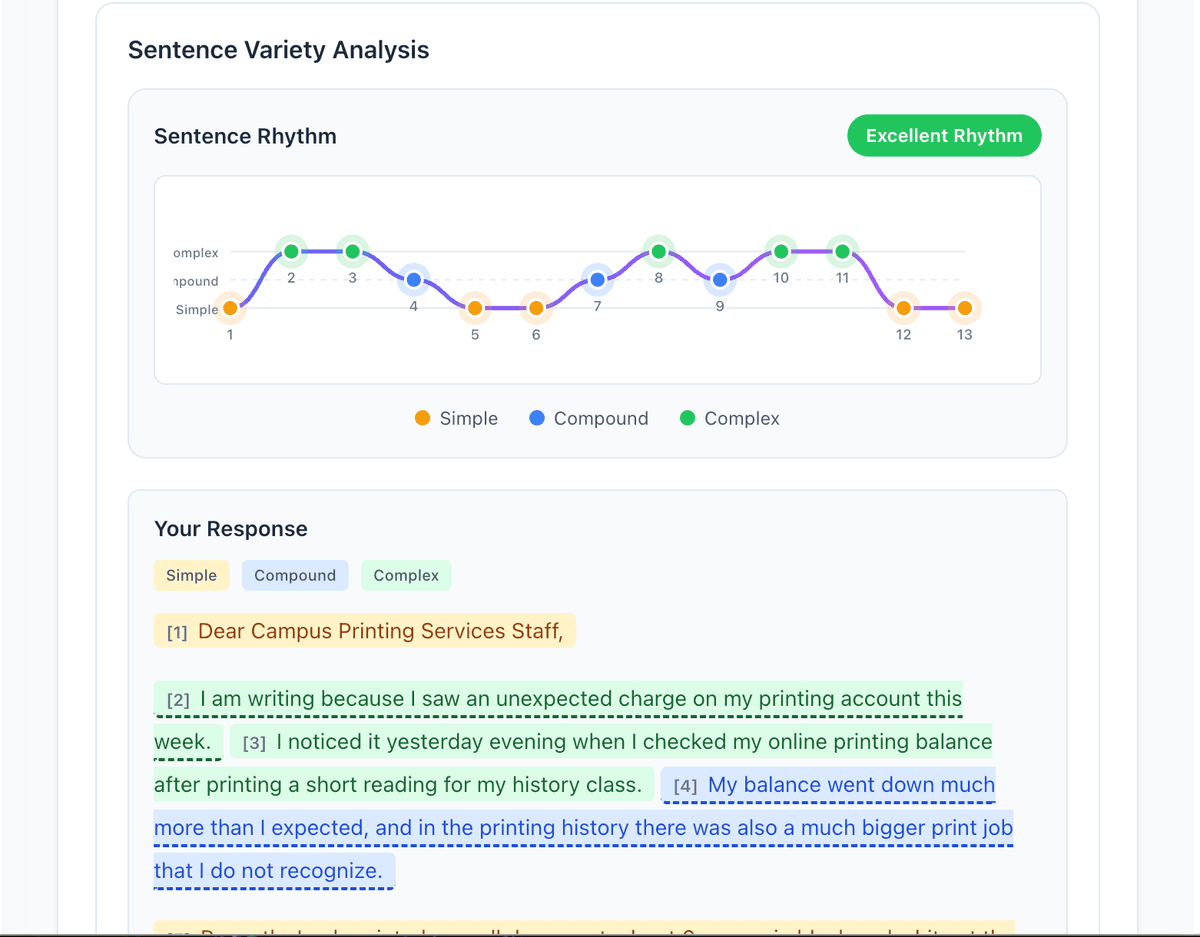 Sentence Variety
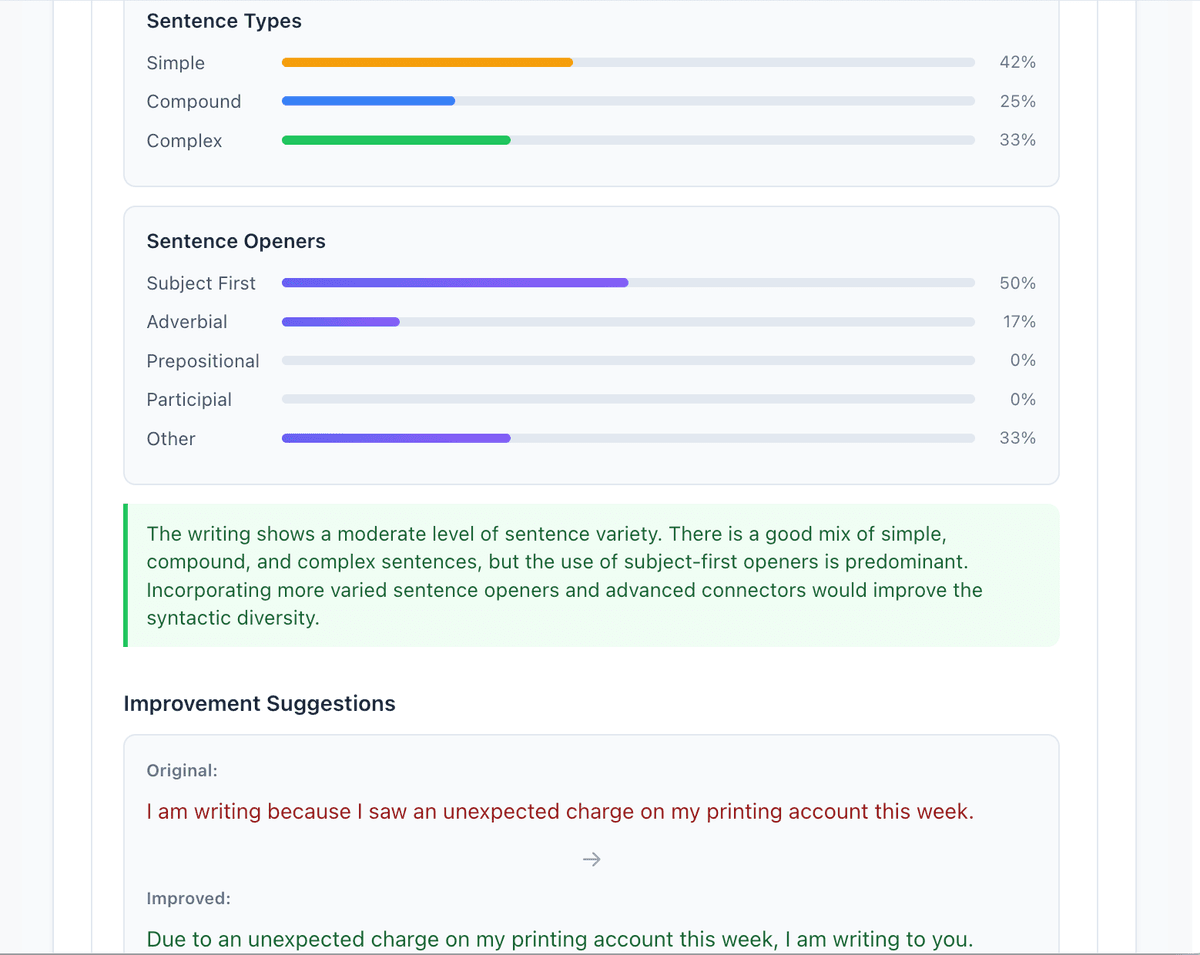 Improvement Suggestions
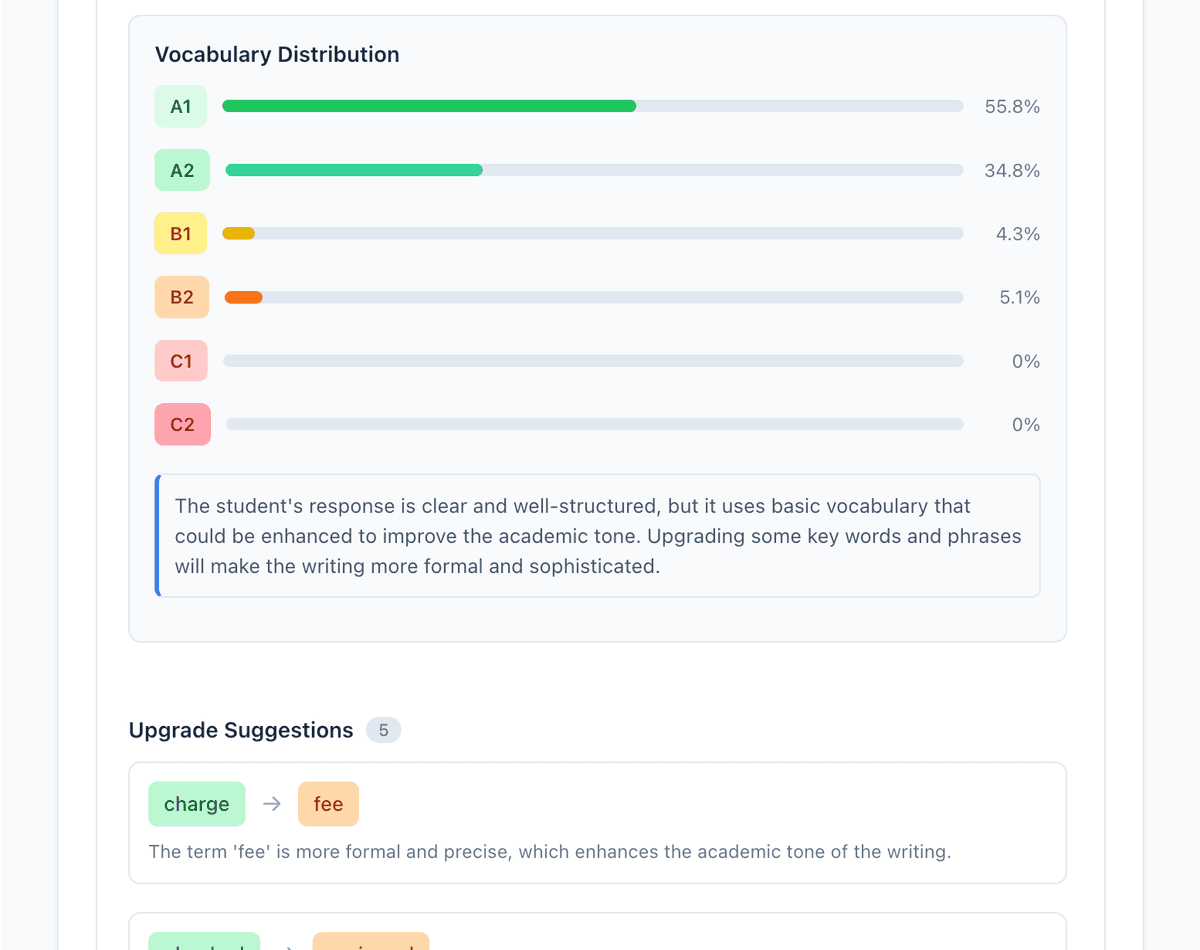 Vocabulary Feedback
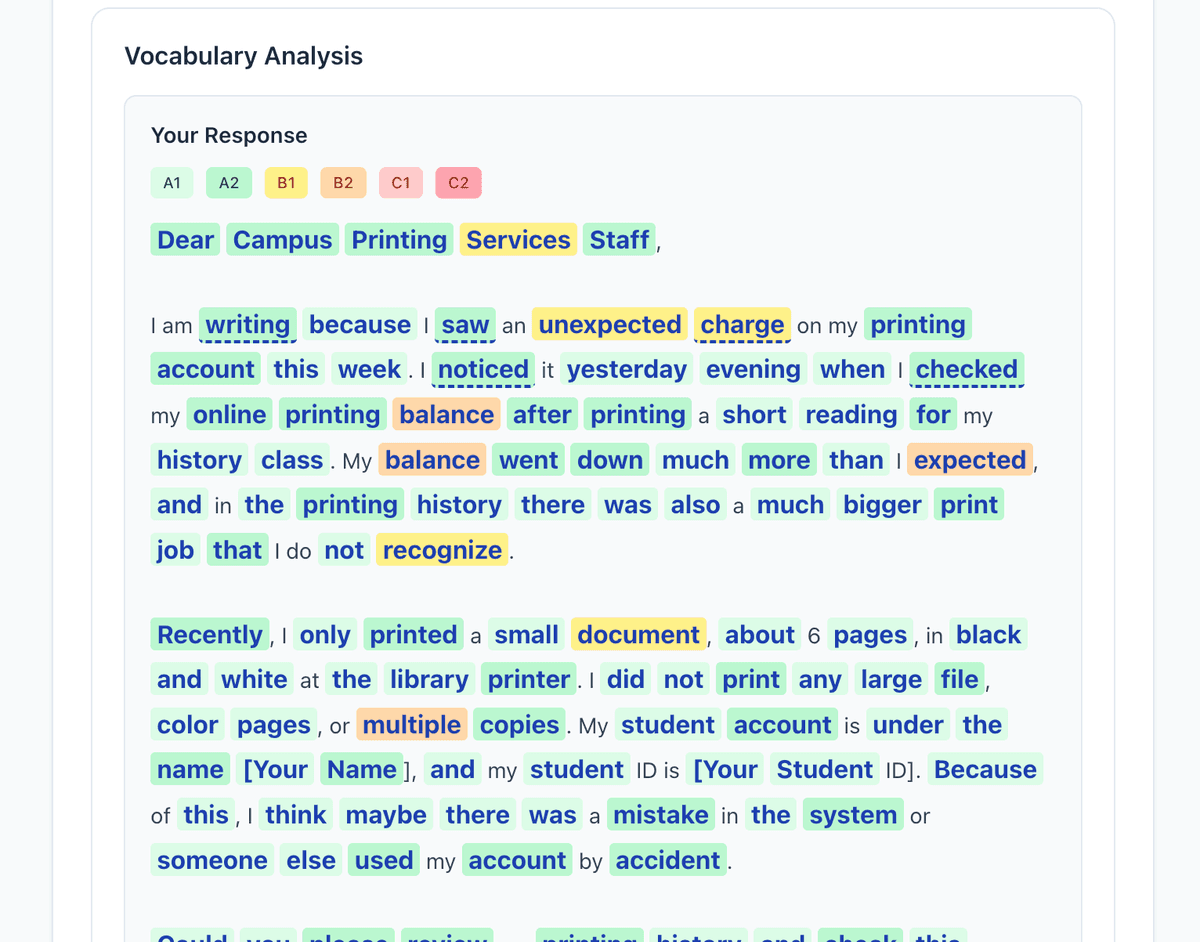 Vocabulary Analysis
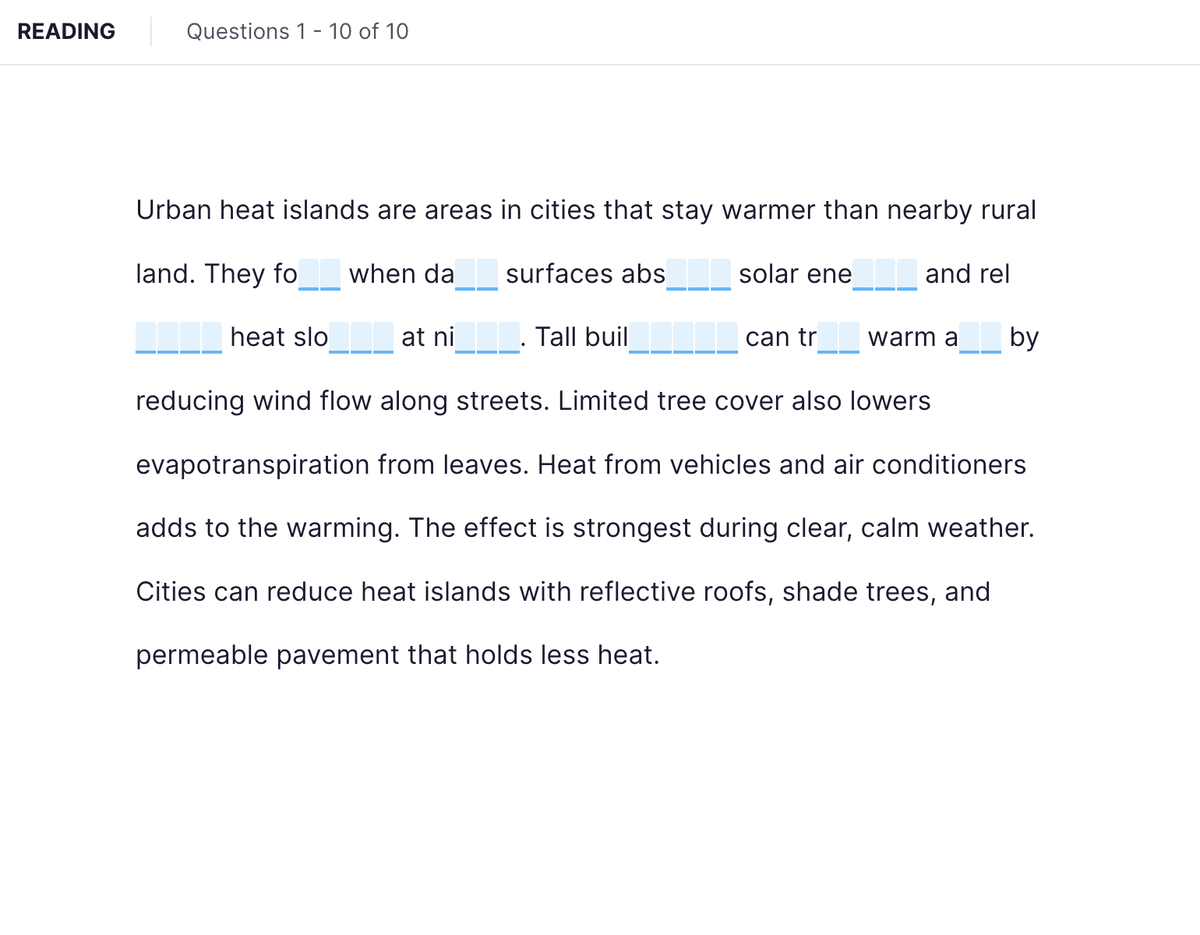 TOEFL 26 New: Reading
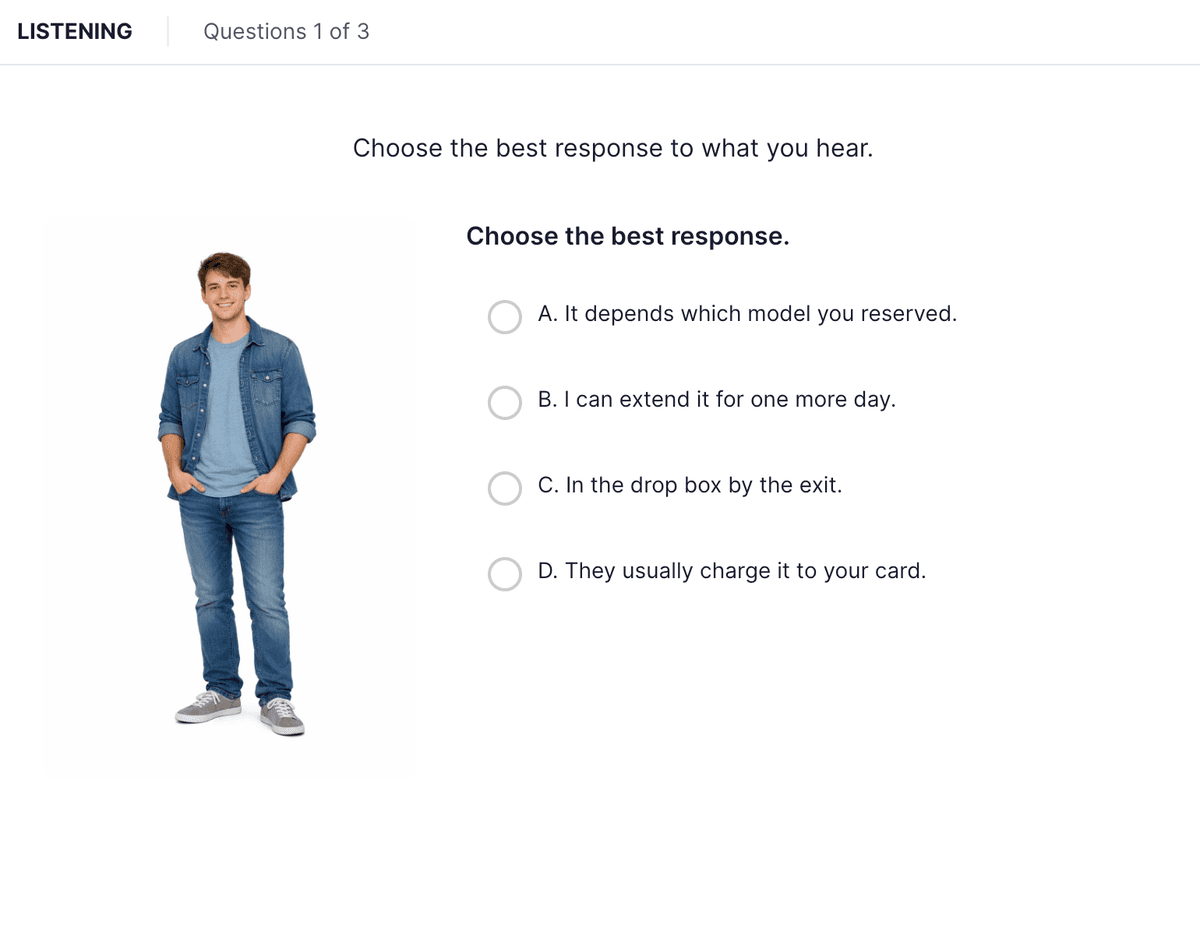 TOEFL 26 New: Listening
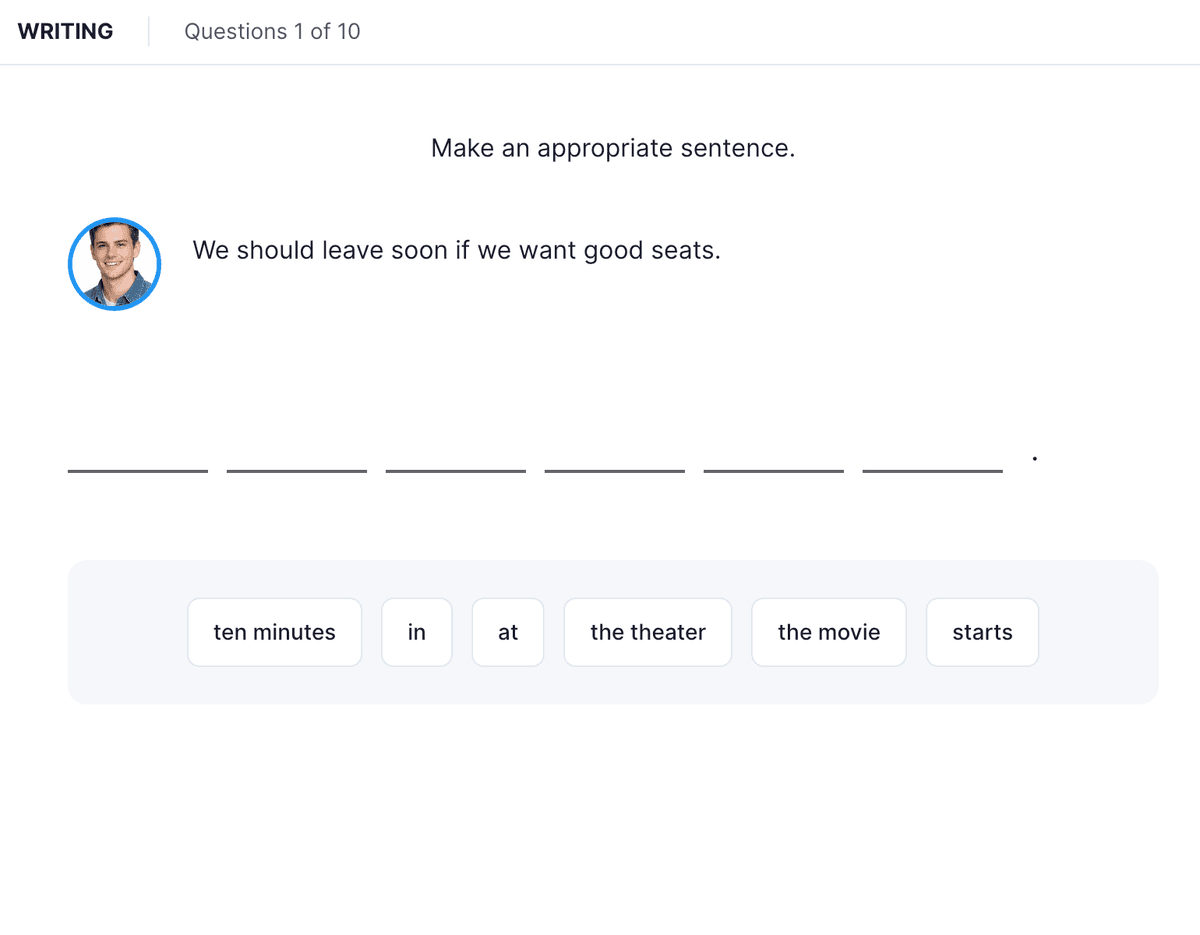 TOEFL 26 New: Writing
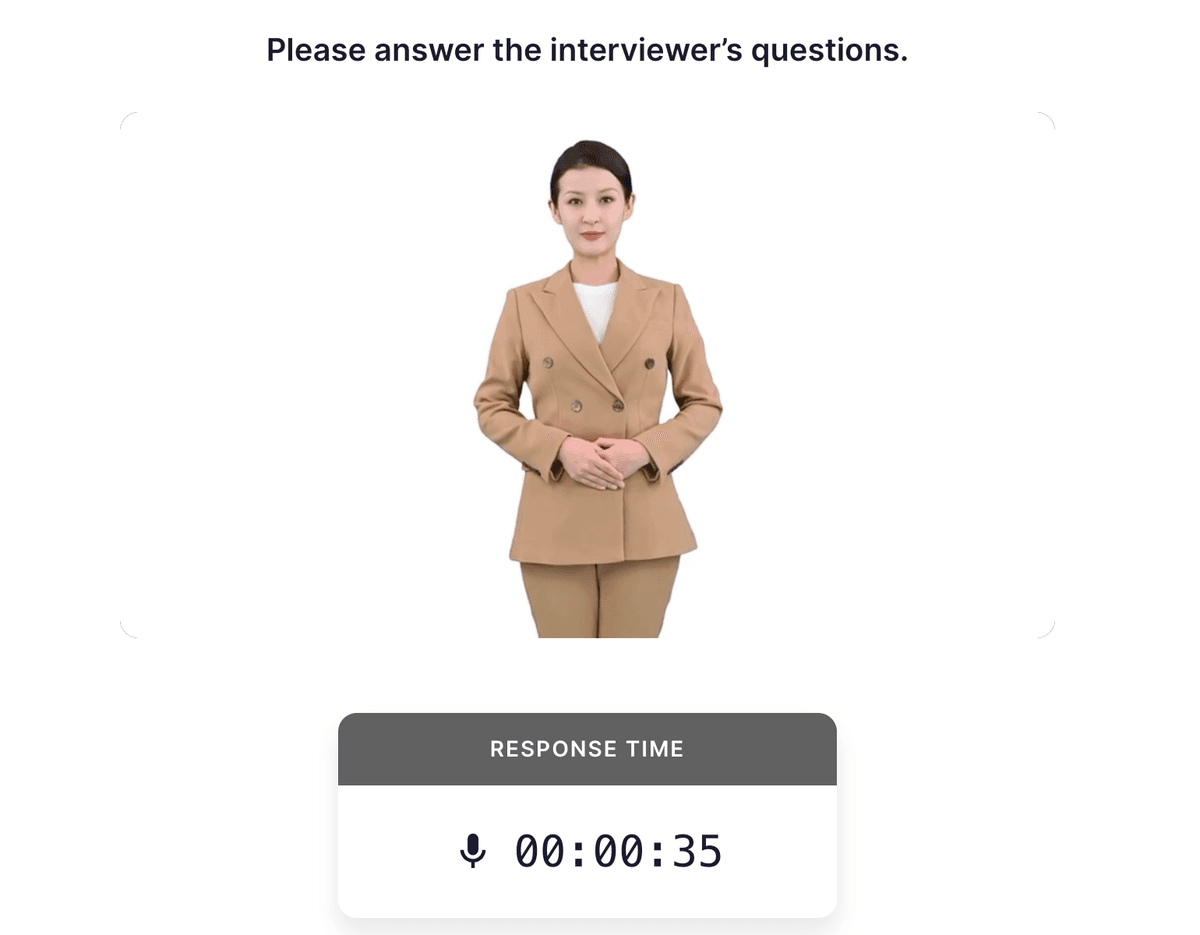 TOEFL 26 New: Speaking
Every TOEFL 2026 mock test in Lingoleap
These are the full-length mock tests the Lingoleap practice app publishes today, listed exactly as they appear inside it. Each one runs all four TOEFL 2026 sections in a single timed sitting, and each name below opens that test in the app.
Start here — free
Start with the free full mock (PQ26-1)
PQ26-1 is the free first test — the quickest way to try the real TOEFL 2026 format before you pick from the full catalogue below.
What to expect: one full, timed sitting across all four TOEFL 2026 sections — the Speaking section records your voice, so you'll need a microphone. PQ26-1 is free to take with a free account. Its scores are free too: every section, including the AI Speaking and Writing feedback, costs no credits.
Not ready for a full test? Try one free AI-graded question instead
104 published full-length mock tests · three sets
- Free with account16 tests
- Plus or Premium15 tests
- Premium73 tests
Access states are the app's own. It marks New TPO and Latest Questions Premium, and describes PQ26-16 to PQ26-30 as included with Plus and Premium; the rest of Practice Questions opens once you create a free account.
Practice Questions (PQ26)
Mixed access31 full-length tests
PQ26-1 to PQ26-15 and PQ26-75 open with a free account. PQ26-16 to PQ26-30 are the range the app sells as part of Plus and Premium.
- PQ26-1Take test →Ücretsiz testFree with account
- PQ26-2Take test →Free with account
- PQ26-3Take test →Free with account
- PQ26-4Take test →Free with account
- PQ26-5Take test →Free with account
- PQ26-6Take test →Free with account
- PQ26-7Take test →Free with account
- PQ26-8Take test →Free with account
- PQ26-9Take test →Free with account
- PQ26-10Take test →Free with account
- PQ26-11Take test →Free with account
- PQ26-12Take test →Free with account
- PQ26-13Take test →Free with account
- PQ26-14Take test →Free with account
- PQ26-15Take test →Free with account
- PQ26-16Take test →Plus or Premium
- PQ26-17Take test →Plus or Premium
- PQ26-18Take test →Plus or Premium
- PQ26-19Take test →Plus or Premium
- PQ26-20Take test →Plus or Premium
- PQ26-21Take test →Plus or Premium
- PQ26-22Take test →Plus or Premium
- PQ26-23Take test →Plus or Premium
- PQ26-24Take test →Plus or Premium
- PQ26-25Take test →Plus or Premium
- PQ26-26Take test →Plus or Premium
- PQ26-27Take test →Plus or Premium
- PQ26-28Take test →Plus or Premium
- PQ26-29Take test →Plus or Premium
- PQ26-30Take test →Plus or Premium
- PQ26-75Take test →Free with account
New TPO (TPO26)
Premium8 full-length tests
The app describes this set as exam-grade practice built for the 2026 format.
Latest Questions (EQ26)
Premium65 full-length tests
The app describes this set as its newest question sets, updated continuously.
- EQ26-1Take test →Premium
- EQ26-2Take test →Premium
- EQ26-3Take test →Premium
- EQ26-4Take test →Premium
- EQ26-5Take test →Premium
- EQ26-6Take test →Premium
- EQ26-7Take test →Premium
- EQ26-8Take test →Premium
- EQ26-9Take test →Premium
- EQ26-10Take test →Premium
- EQ26-11Take test →Premium
- EQ26-12Take test →Premium
- EQ26-13Take test →Premium
- EQ26-14Take test →Premium
- EQ26-15Take test →Premium
- EQ26-16Take test →Premium
- EQ26-17Take test →Premium
- EQ26-18Take test →Premium
- EQ26-19Take test →Premium
- EQ26-20Take test →Premium
- EQ26-21Take test →Premium
- EQ26-22Take test →Premium
- EQ26-23Take test →Premium
- EQ26-24Take test →Premium
- EQ26-25Take test →Premium
- EQ26-26Take test →Premium
- EQ26-27Take test →Premium
- EQ26-28Take test →Premium
- EQ26-29Take test →Premium
- EQ26-30Take test →Premium
- EQ26-31Take test →Premium
- EQ26-32Take test →Premium
- EQ26-33Take test →Premium
- EQ26-34Take test →Premium
- EQ26-35Take test →Premium
- EQ26-36Take test →Premium
- EQ26-37Take test →Premium
- EQ26-38Take test →Premium
- EQ26-39Take test →Premium
- EQ26-40Take test →Premium
- EQ26-41Take test →Premium
- EQ26-42Take test →Premium
- EQ26-43Take test →Premium
- EQ26-44Take test →Premium
- EQ26-45Take test →Premium
- EQ26-46Take test →Premium
- EQ26-47Take test →Premium
- EQ26-48Take test →Premium
- EQ26-49Take test →Premium
- EQ26-50Take test →Premium
- EQ26-51Take test →Premium
- EQ26-52Take test →Premium
- EQ26-53Take test →Premium
- EQ26-54Take test →Premium
- EQ26-55Take test →Premium
- EQ26-56Take test →Premium
- EQ26-58Take test →Premium
- EQ26-59Take test →Premium
- EQ26-60Take test →Premium
- EQ26-61Take test →Premium
- EQ26-62Take test →Premium
- EQ26-63Take test →Premium
- EQ26-64Take test →Premium
- EQ26-65Take test →Premium
- EQ26-66Take test →Premium
Each link opens that exact test in the practice app. The app asks you to sign in first, and tests marked Plus or Premium need the matching plan.
What one mock test contains
The app records a task-type list for every mock test. All four sections appear in all of them:
Reading
- Complete the Words
- Read in Daily Life
- Read an Academic Passage
Listening
- Listen and Choose a Response
- Conversation
- Announcement
- Academic Talk
Speaking
- Listen and Repeat
- Take an Interview
Writing
- Build a Sentence
- Write an Email
- Write for an Academic Discussion
One exception, listed rather than rounded away: TPO26-6 carries no Build a Sentence task. The other 103 tests carry the full task-type list.
Test names, counts and access states read from the practice app's own question list, route table and gate on 18 September 2026. Nothing on this list is an estimate. Lingoleap reports a practice band, not an official ETS score.
TOEFL Deneme Sınavı (Mock Test) Nedir?
TOEFL deneme sınavı (TOEFL mock test, pratik sınav veya sınav simülasyonu olarak da bilinir), TOEFL iBT'nin güncel formatında, tam uzunlukta ve süreli olarak çözülmesidir: 21 Ocak 2026'da başlayan, 12 yeni soru tipi, çok aşamalı adaptif Reading ve Listening bölümleri ve CEFR ile uyumlu 1–6 puan ölçeği içeren yeniden tasarlanmış sınav.
2026 öncesi sınav için hazırlanmış pratik materyalleri bu yapıyı prova ettiremez. Lingoleap'teki her deneme sınavı 2026 formatına göre hazırlanmıştır: aynı dört bölüm, aynı soru tipleri ve süreler, tek oturumda ve sonunda bir pratik puan raporuyla.
Yeni TOEFL 2026 Formatı
TOEFL 2026 sınavı 4 bölümden oluşur: Reading, Listening, Writing ve Speaking. Sınavın tahmini süresi 2 saatin altındadır. Sınav süresi yönergeleri kapsamaz. Sınav adaptif olduğu için süre ve soru sayısı değişebilir.
Reading
~30 dk
~50 soru
İki modül üzerinden çok aşamalı adaptif yapı
Listening
~29 dk
~47 soru
İki modül üzerinden çok aşamalı adaptif yapı
Writing
~23 dk
12 soru
Doğrusal format — tüm adaylar için aynı görevler
Speaking
~8 dk
11 soru
Doğrusal format — tüm adaylar için aynı görevler
Tüm TOEFL 2026 Soru Tipleri
Reading
- Complete the Words
- Read in Daily Life
- Read an Academic Passage
8 soru tipi: Factual & Negative Factual, Vocabulary, Select the Sentence, Sentence Simplification, Reference, Inference, Rhetorical Purpose, Insert Text
Listening
- Listen and Choose a Response
- Listen to a Conversation
- Listen to an Announcement
- Listen to an Academic Talk
6 soru tipi: Main Idea, Factual, Inference, Purpose, Method, Attitude
Writing
- Build a Sentence
- Write an Email
- Write for an Academic Discussion
Doğrusal format — iletişim amacı, söz dizimi, kelime seçimi, sosyal kurallar ve doğruluk üzerinden puanlanır
Speaking
- Listen and Repeat
- Take an Interview
Doğrusal format — sunum (netlik, akıcılık), dil kullanımı (dilbilgisi, kelime dağarcığı) ve detaylandırma üzerinden puanlanır
Reading ve Listening bölümleri çok aşamalı adaptif test yapısı kullanır — Modül 1'deki performansınız Modül 2'nin zorluk seviyesini belirler. Bu, daha kişiselleştirilmiş bir deneyim oluşturur ve yetkinliğinizi daha verimli ve doğru şekilde ölçer.
Neden Lingoleap TOEFL 26 Deneme Sınavlarını Tercih Etmelisiniz
Mevcut TOEFL hazırlık materyallerinin çoğu hâlâ eski sınav formatına odaklanmaktadır. Lingoleap, özel olarak TOEFL 2026 formatı için geliştirilmiştir.
 TOEFL 2026'nın 12 resmi soru tipinin tamamını kapsayan tam uzunlukta deneme sınavları
- Gerçek sınavı yansıtan çok aşamalı adaptif Reading ve Listening
- ETS'nin resmi puanlama ölçütlerine uygun yapay zeka ile Speaking ve Writing puanlaması
- Mevcut en geniş TOEFL 26 deneme sınavı kütüphanelerinden biri
Çoğu kaynak sizi eski TOEFL'a hazırlar. Lingoleap sizi yeni TOEFL'a hazırlar.
Eksiksiz TOEFL 2026 Soru Tipi Kapsamı
Her Lingoleap TOEFL 26 deneme sınavı, dört bölümdeki 12 resmi soru tipinin tamamını kapsar — gerçek sınavda göründüğü şekliyle.
Reading
- Complete the Words
Kısa bir akademik paragraftaki kelimelerin eksik kısımlarını tamamlayın
- Read in Daily Life
E-posta, duyuru veya sosyal medya paylaşımları gibi günlük yaşam metinlerini okuyun
- Read an Academic Passage
Kısa bir akademik metin (~200 kelime) okuyun ve 5 soruyu yanıtlayın
Listening
- Listen and Choose a Response
Kısa bir soru veya ifade dinleyin, 4 seçenek arasından en uygun yanıtı seçin
- Listen to a Conversation
2 kişi arasındaki kısa kampüs yaşamı diyaloglarına ilişkin soruları yanıtlayın
- Listen to an Announcement
Sınıf veya kampüs etkinlik duyurularına ilişkin soruları yanıtlayın
- Listen to an Academic Talk
Çeşitli konulardaki kısa akademik konuşmalara ilişkin soruları yanıtlayın
Writing
- Build a Sentence
Kısa bir diyalogda cümleyi tamamlamak için kelimeleri ve ifadeleri yeniden düzenleyin
- Write an Email
Tavsiye etme, davet etme veya çözüm önerme gibi belirli bir amaç için e-posta yazın
- Write for an Academic Discussion
Bir profesörün gönderisini ve 2 öğrenci yanıtını okuyun, ardından kendi katkınızı yazın (100+ kelime)
Speaking
- Listen and Repeat
Uzunluğu ve karmaşıklığı giderek artan 7 cümleyi tekrarlayın
- Take an Interview
Simüle edilmiş bir akademik görüşmede 4 mülakat sorusunu yanıtlayın (her biri 45 saniye)
Çok Aşamalı Adaptif Test — Gerçek TOEFL 2026 ile Birebir Aynı
Lingoleap deneme sınavları, gerçek TOEFL'un çok aşamalı adaptif yapısını simüle eder. Modül 1'deki performansınız Modül 2'nin zorluğunu belirler — tıpkı gerçek sınavda olduğu gibi.
Gerçekçi Sınav Akışı
Gerçek TOEFL 2026 ile aynı adaptif akışı deneyimleyin — Modül 1 performansı Modül 2 zorluğunu belirler
Çok Seviyeli Pratik
Her seviyede güven ve doğruluk oluşturmak için hem kolay hem de zor modüllerde pratik yapın
Gerçek Performans Değerlendirmesi
Adaptif puanlama mantığı ve ham puandan ölçekli puana dönüştürme yoluyla gerçek puan potansiyelinizi anlayın
Speaking ve Writing İçin Yapay Zeka Puanlaması
Her Speaking ve Writing yanıtınız için anında ayrıntılı geri bildirim alın — ETS'nin resmi puanlama ölçütlerine uygun olarak. Her yanıt bütünsel olarak 0–5 ölçeğinde puanlanır.
Speaking Değerlendirmesi
Listen and Repeat
- Tekrar Doğruluğu
- Anlaşılırlık
- Telaffuz
Take an Interview
- Sunum (netlik, akıcılık, telaffuz, tonlama)
- Dil Kullanımı (dilbilgisi ve kelime dağarcığı çeşitliliği ve doğruluğu)
- Detaylandırma (konuyla ilgili, iyi desteklenmiş fikirler)
Writing Değerlendirmesi
Write an Email
- İletişim amacını destekleyen detaylandırma
- Söz dizimi çeşitliliği ve doğru, deyimsel kelime seçimi
- Uygun sosyal kurallar (nezaket, üslup, resmîyet)
- Sözcüksel ve dilbilgisel doğruluk
Write for an Academic Discussion
- İlgili, iyi detaylandırılmış açıklamalar ve örnekler
- Çeşitli söz dizimi yapıları ve doğru, deyimsel kelime seçimi
- Sözcüksel ve dilbilgisel doğruluk
Accuracy and transparency
How Accurate Is This TOEFL Practice Test Score?
Every practice-test site says its scores are accurate. Almost none says how the number is produced or what has actually been checked. Here is the full answer for Lingoleap — including what we have not verified yet.
What we know
- Reading and Listening are scored against a fixed answer key, so those bands are as reliable as the question set is representative of the real test.
- Writing and Speaking responses are scored 0–5 by a language model against the dimensions of the published ETS scoring guides — the same criteria the Speaking and Writing evaluation section above lists.
- Every band on your report comes from one fixed rule set — the tables and formulas printed further down this page — so the same answers always produce the same band.
What we have not verified
- We have not yet published a comparison of Lingoleap bands against learners' official ETS score reports. Until that verified sample exists and is large enough, we do not quote a correlation, an accuracy percentage or a margin of error — any such number would be invented.
- ETS has not released a raw-to-band conversion for the 2026 test. Our Reading and Listening table is a Lingoleap estimate and is labelled as one below.
- The real test equates scores across forms and adaptive paths with Item Response Theory; our engine uses a simpler lookup table. The two can disagree, most likely at band boundaries.
What to do with the estimate
- Treat one mock band as a range, not a point. Read the section bands and the task-type accuracy under them — those move first and are what you can practise.
- Track direction across three to five mocks spaced two to three weeks apart, rather than certifying a single sitting.
- For admissions, only an ETS score counts. Check your target school's published minimum with the Score Calculator, and treat the last mock as a dress rehearsal, not a prediction.
The method we will use to publish calibration figures — who counts, which mock counts, what gets excluded — is already written down on the how-it-works page. The figures will appear there, with their sample size, once the verified sample exists.
See the calibration method →Wondering whose AI to trust on the 2026 test in general? The AI tutor guide explains how ETS's own SpeechRater and e-rater engines grade Speaking and Writing first, and how to rehearse against an AI scorer.
How the 2026 TOEFL is graded by AI →How Our Adaptive Practice Works
Reading and Listening in a Lingoleap mock run as a two-stage test, the structure ETS describes for the real exam. Here is exactly what our engine does — and, separately, what ETS has and has not said.
In a Lingoleap mock test
- 1
Router module
Every test-taker starts with the same router module in each section.
- 2
Routing
Your router performance sends you to a lower or an upper Stage 2 module. The two modules are built differently, which is why the number of items you see varies from mock to mock. The routing threshold is an engine setting we do not publish on this page.
- 3
One band table, defined for the upper module
Correct answers across both stages are counted, normalised to a 35-point basis, and looked up in the section's band table. The table is defined for the upper module.
- 4
Lower-module adjustment
A sitting routed to the lower module is placed one step down that table for the same normalised count. So in our engine the lower path cannot reach the top band — that is a Lingoleap simplification, not an ETS rule, and it is the one place our scoring is deliberately more conservative than the real test.
Adaptive routing: what ETS has published vs what prep sites assert
| Question | What ETS has published | What prep sites assert |
|---|---|---|
| Structure | Reading and Listening are “designed as two-stage adaptive tests”; Writing and Speaking are linear, with every test-taker on a form getting the same tasks (2026 Test Blueprint, note 5). | The same. This part is not in dispute. |
| Routing | “Based on their performance on the first module, test takers will get a second module where the difficulty of the test tasks matches their ability level.” No routing threshold is published (Teacher FAQ, Q9). | Specific thresholds — “get the first ten questions wrong and you are routed down” — none of which cites an ETS source. |
| How the score is produced | The section score “takes into consideration the total number of questions answered correctly across the two stages or modules as well as the difficulty level of questions”, converted by IRT equating so that a reported score “reflects the same level of language ability, regardless of which second stage was taken” (Teacher FAQ). | A fixed raw-to-band table applied to both paths, or a flat penalty for the easier path. |
| The “ceiling” | ETS states no maximum band for the lower module. It says “the final score is based on both stages” and that item difficulty is accounted for — which means an easier item is worth less, not that a particular band is forbidden. Whether the easier module can reach 6.0 in practice is not something ETS has published either way. | “A perfect score on the easier Stage 2 caps you at 4.0”, or “below 5.0” — the figure differs from site to site and none cites ETS. |
| Unscored items | Reading and Listening item counts “include non-scored items” used to gather data for future forms (Blueprint, note 1). | Rarely mentioned; item counts are usually quoted as if every item scored. |
ETS sources: TOEFL iBT 2026 Test Blueprint and Specifications (PDF) · Teacher FAQ for TOEFL iBT Enhancements (PDF)
Quotations are from those two ETS documents as read on 16 September 2026. Where this page says ETS has not published something, we mean we could not find it in either document or on ets.org — not that no such rule exists internally.
How the Band Is Produced, Section by Section
The whole path from your answers to the 1–6 band, with nothing hidden. These are the rules our score report runs on.
Reading
Scored by: Answer key- 1Every item is compared with the reference answer: right or wrong, no partial credit.
- 2Correct answers across the router and your Stage 2 module are summed and scaled to a 35-point basis: points = round(correct ÷ items × 35).
- 3The points are looked up in the Reading band table below. Lower-module sittings drop one step.
Listening
Scored by: Answer key- 1The same answer-key grading and 35-point scaling as Reading.
- 2The Listening table has its own boundaries: 80% accuracy is a 5.0 in Reading, but 71% is a 4.5 in Listening. That is why two sections at similar accuracy can show different bands.
Writing
Scored by: Answer key + AI- 1Build a Sentence: each item is scored right or wrong against the accepted word orderings. No model is involved.
- 2Write an Email and Write for an Academic Discussion: each response is scored 0–5 by a language model against the dimensions of the ETS scoring guide for that task.
- 3Section band = (points earned ÷ points available) × 5 + 1, rounded to the nearest 0.5.
Speaking
Scored by: AI- 1Listen and Repeat (7 items) and Take an Interview (4 items): your recording is transcribed and measured for pronunciation and fluency, then a model scores each response 0–5 against the rubric dimensions.
- 2Section band = (points earned ÷ points available) × 5 + 1, rounded to the nearest 0.5.
Overall band = the plain average of the four section bands, rounded to the nearest 0.5. The 0–120 “traditional” figure on the report is each section's accuracy scaled to 0–30 and summed; it exists only for comparing against university pages that still quote the old scale.
Raw Correct to Band: Reading and Listening
Lingoleap estimate — not an ETS tableBasis: these are the exact lookup tables our score report uses, defined on a 35-point normalised scale (points = round(correct ÷ items × 35)). ETS has published no raw-to-band conversion for the 2026 test, and real scores are IRT-equated for form and module difficulty, so treat every band here as a practice estimate. The approximate-accuracy column is the points range divided by 35.
Reading
| Band | Points (of 35) | Approx. accuracy |
|---|---|---|
| 6.0 | 34–35 | ≈ 97–100% |
| 5.5 | 32–33 | ≈ 91–94% |
| 5.0 | 28–31 | ≈ 80–89% |
| 4.5 | 25–27 | ≈ 71–77% |
| 4.0 | 18–24 | ≈ 51–69% |
| 3.5 | 12–17 | ≈ 34–49% |
| 3.0 | 8–11 | ≈ 23–31% |
| 2.5 | 7 | ≈ 20% |
| 2.0 | 6 | ≈ 17% |
| 1.0 | 0–5 | ≈ 0–14% |
Listening
| Band | Points (of 35) | Approx. accuracy |
|---|---|---|
| 6.0 | 34–35 | ≈ 97–100% |
| 5.5 | 32–33 | ≈ 91–94% |
| 5.0 | 29–31 | ≈ 83–89% |
| 4.5 | 25–28 | ≈ 71–80% |
| 4.0 | 23–24 | ≈ 66–69% |
| 3.5 | 18–22 | ≈ 51–63% |
| 3.0 | 13–17 | ≈ 37–49% |
| 2.5 | 11–12 | ≈ 31–34% |
| 2.0 | 8–10 | ≈ 23–29% |
| 1.5 | 6–7 | ≈ 17–20% |
| 1.0 | 0–5 | ≈ 0–14% |
Worked example from our sample report: 28 of 35 Reading items correct → 28 points → Band 5.0. 32 of 45 Listening items correct → 24.9, rounded to 25 points → Band 4.5.
Lower-module sittings: one step down the table for the same points.
TOEFL iBT Örnek Sınav Soruları (2026 Formatı)
2026 TOEFL iBT örnek alınarak hazırlanmış bu ücretsiz örnek sorularla ısının — her bölümden bir soru. Cevabı ve açıklamayı görün, hazır olduğunuzda tam uzunlukta bir deneme sınavına başlayın.
Read the short academic passage, then answer the question.
Bioluminescence — the production of light by living organisms — is common in the deep ocean, where sunlight never reaches. Many creatures use it to attract prey, confuse predators, or signal to potential mates. The light is produced by a chemical reaction between a molecule called luciferin and the enzyme luciferase. Because the reaction gives off almost no heat, scientists describe the light as "cold light."
According to the passage, why is bioluminescent light described as "cold light"?
- AIt is only found in cold, deep water.
- BThe chemical reaction releases very little heat.
- CIt appears blue rather than red or orange.
- DIt is produced only at night.
▸Cevabı ve açıklamayı göster
Cevap: B — The chemical reaction releases very little heat.
The final sentence states the reaction "gives off almost no heat," which is why it is called cold light. Option A confuses where the organisms live with why the light is cold; C and D add details the passage never mentions. Factual questions like this reward locating the exact supporting sentence rather than relying on outside knowledge.
Type the missing letters to complete the word so the sentence makes sense.
Regular exercise can signi______ reduce the risk of heart disease.
▸Cevabı ve açıklamayı göster
Cevap: significantly
"Complete the Words" gives you the first letters and the length of a word and asks you to finish it from context. Here the sentence needs an adverb describing how much exercise reduces risk — "significantly." Read the whole sentence first, decide the part of speech, then fit a word that starts with the letters shown.
On the real test you would hear this talk once. Read the transcript excerpt, then answer.
Professor: "So when we talk about the 'urban heat island' effect, we mean that cities tend to be several degrees warmer than the countryside around them. The main reason is surface material. Asphalt and concrete absorb heat during the day and release it slowly at night — unlike soil and vegetation, which cool down much faster. That's why a city can still feel warm hours after sunset."
What is the main cause of the urban heat island effect, according to the professor?
- ACities are located in naturally warmer regions.
- BBuildings block cooling wind from reaching streets.
- CPaved surfaces absorb and slowly release heat.
- DThere are more people generating body heat.
▸Cevabı ve açıklamayı göster
Cevap: C — Paved surfaces absorb and slowly release heat.
The professor names surface material — asphalt and concrete absorbing heat and releasing it slowly — as "the main reason." The other options are plausible-sounding distractors the talk never states. In the Listening section, note the speaker's signal phrases ("the main reason is…") to catch the point being tested.
Put the words and phrases in the correct order to form a grammatical sentence.
[ the deadline / because / the library / she / was approaching / stayed late at ]
▸Cevabı ve açıklamayı göster
Cevap: She stayed late at the library because the deadline was approaching.
"Build a Sentence" tests control of English word order and clause structure. Start with the subject ("She"), add the main verb phrase ("stayed late at the library"), then attach the reason clause introduced by "because." Checking that subject, verb, and connector line up is usually enough to place every chunk.
You have 45 seconds to answer. There is no single correct response — a strong answer is clear, on-topic, and supported with a reason or example.
Some students prefer to study in the morning, while others prefer the evening. Which do you prefer, and why?
▸Cevabı ve açıklamayı göster
Cevap: Sample strong response (outline)
Take a clear position, give one reason, and support it with a specific example: "I prefer studying in the morning because my mind is freshest right after I wake up. For instance, I can read a difficult chapter in thirty minutes in the morning, but the same chapter takes me an hour at night when I'm tired." Scoring rewards delivery (clear, fluent speech), language use (accurate grammar and vocabulary), and elaboration (a developed, on-topic idea) — so commit to one answer and develop it rather than listing both options.
Bunlar, 2026 TOEFL iBT soru tiplerini yansıtacak şekilde hazırlanmış özgün Lingoleap pratik sorularıdır. Yalnızca pratik amaçlıdır ve gerçek ETS sınav soruları değildir; Lingoleap, ETS'den bağımsızdır ve ETS tarafından onaylanmamıştır.
Practice TOEFL by Section
A full-length mock test measures readiness, but targeted section practice is how you fix specific weaknesses. Drill any of the four sections and all 12 task types below.
Reading
Adaptive passages and the three 2026 reading task types.
Listening
Conversations, announcements, and academic talks with adaptive difficulty.
Speaking
Listen and Repeat plus the academic interview, with AI delivery feedback.
Writing
Build a Sentence, Write an Email, and Write for an Academic Discussion.
100+ Tam TOEFL 26 Deneme Sınavı — Her Ay Güncellenir
Mevcut en geniş TOEFL 2026 deneme sınavı kütüphanelerinden birine erişin. Her ay yeni sınavlar eklenir, böylece sürekli güncel ve yeni materyallerle pratik yapabilirsiniz.
- 100+ tam uzunlukta TOEFL 26 deneme sınavı
- Tüm sınavlar en güncel TOEFL 2026 formatı ve soru tipleriyle uyumlu
- Her ay yeni sınavlar eklenir
- 4 bölümün ve 12 soru tipinin tamamını kapsar
- Covers all 4 sections and 12 task types
TOEFL 26 Deneme Sınavınıza Nasıl Başlarsınız
Hesabınızı Oluşturun
Lingoleap'te ücretsiz kayıt olun
Bir Deneme Sınavı Seçin
100+ tam uzunlukta TOEFL 26 deneme sınavından birini seçin
Pratik Yapmaya Başlayın
Sınavı gerçek sınav koşullarında çözün
Puanınızı ve Geri Bildiriminizi Alın
Yapay zeka destekli puanlama ve ayrıntılı performans analizi alın
TOEFL 26 Deneme Sınavınıza Başlayın
Çok aşamalı adaptif test yapısı, 12 soru tipinin tamamı ve yapay zeka puanlaması ile yeni TOEFL 2026 formatında pratik yapın.
Sıkça Sorulan Sorular
TOEFL 26 deneme sınavları hakkında bilmeniz gereken her şey
TOEFL 2026 formatında neler değişti?
21 Ocak 2026'da başlayan TOEFL 2026, tamamen yeniden tasarlanmış bir sınavdır. Reading ve Listening'de Modül 1 performansının Modül 2 zorluğunu belirlediği çok aşamalı adaptif test yapısı sunmaktadır. Writing ve Speaking doğrusal format kullanır (tüm adaylar için aynı görevler). Sınav 12 yepyeni soru tipi ve CEFR ile uyumlu yeni bir 1–6 puanlama ölçeği içerir. Sınav süresi 2 saatin altındadır.
Yeni TOEFL 2026'da kaç soru tipi var?
Yeni TOEFL 2026'da 4 bölümde toplam 12 soru tipi bulunur: Reading'de 3 (Complete the Words, Read in Daily Life, Read an Academic Passage), Listening'de 4 (Listen and Choose a Response, Listen to a Conversation, Listen to an Announcement, Listen to an Academic Talk), Writing'de 3 (Build a Sentence, Write an Email, Write for an Academic Discussion) ve Speaking'de 2 (Listen and Repeat, Take an Interview).
Lingoleap'te kaç tane tam TOEFL deneme sınavı var?
Lingoleap şu anda 100'den fazla tam uzunlukta TOEFL 2026 deneme sınavı yayınlıyor (toplamda 10.000'den fazla cevaplanabilir soru) ve her ay yeni sınavlar ekleniyor. Her sınav dört bölümün tamamını ve 2026 formatındaki tüm resmi soru tiplerini kapsar; sayfanın üst kısmındaki katalogda hepsi listelenir.
Lingoleap çok aşamalı adaptif test yapısını simüle ediyor mu?
Evet. Lingoleap, TOEFL 2026 Reading ve Listening bölümlerinde kullanılan çok aşamalı adaptif test yapısını simüle eden az sayıdaki platformlardan biridir. Modül 1'deki performansınız Modül 2'nin zorluğunu etkiler — tıpkı gerçek sınavda olduğu gibi.
Speaking ve Writing için yapay zeka puanlaması nasıl çalışır?
Lingoleap'in yapay zekası, yanıtlarınızı ETS'nin kamuya açık puanlama ölçütlerine dayanan kriterlerle değerlendirir (her soru için bütünsel olarak 0–5 puanlanır). Speaking için Listen and Repeat tekrar doğruluğu, anlaşılırlık ve telaffuz üzerinden puanlanır. Take an Interview sunum (netlik, akıcılık, tempo), dil kullanımı (dilbilgisi, kelime dağarcığı) ve detaylandırma (konu uygunluğu, destekleyici fikirler) üzerinden puanlanır. Writing için Write an Email iletişim amacı, söz dizimi çeşitliliği ve deyimsel kelime seçimi, sosyal kurallar (nezaket, üslup) ve sözcüksel/dilbilgisel doğruluk üzerinden puanlanır. Write for an Academic Discussion ilgililik ve detaylandırma, söz dizimi yapıları ve kelime seçimi ve sözcüksel/dilbilgisel doğruluk üzerinden puanlanır.
Bu TOEFL sınav simülatörü gerçek sınav gibi mi çalışıyor?
Puanınızı belirleyen kısımlarda evet: aynı 12 soru tipi, aynı bölüm sırası ve süreler, iki aşamalı adaptif Reading ve Listening, hepsi tek bir süreli oturumda. İki şey farklıdır. Sorular ETS soruları değil, Lingoleap'e ait özgün sorulardır; ayrıca gerçek sınav, farklı formlar arasındaki puanları Madde Tepki Kuramı (IRT) ile eşitlerken bizim sistemimiz bu sayfanın doğruluk bölümünde yer alan dönüşüm tablolarını kullanır. Hiçbir deneme sınavı resmi sınavla birebir aynı değildir.
TOEFL deneme sınavını online ya da bölüm bölüm çözebilir miyim?
İkisi de mümkün. Her sınav, giriş yaptıktan sonra Lingoleap pratik uygulamasında tarayıcınızda online olarak çalışır; Speaking bölümü için mikrofon gerekir. Tam uzunluktaki deneme sınavlarının yanı sıra Reading, Listening, Speaking veya Writing'i ayrı ayrı çalışabilir ya da tek bir soru tipine odaklanarak en çok gelişmeniz gereken bölüm üzerinde çalışabilirsiniz.
Lingoleap deneme sınavlarının puan tahminleri ne kadar doğru?
Reading ve Listening bir cevap anahtarına göre puanlanır, bu yüzden bu bölümlerin bandları soru setinin ne kadar temsili olduğuna bağlıdır. Writing ve Speaking bandları ise her yanıtı yayımlanmış ETS puanlama kılavuzlarının boyutlarına göre 0–5 arasında puanlayan bir dil modelinden gelir. Lingoleap bandlarını öğrencilerin resmi ETS puan raporlarıyla karşılaştıran bir çalışma henüz yayınlamadık, bu yüzden bir doğruluk oranı belirtmiyoruz — bu sayfadaki “Bu puan ne kadar doğru?” bölümü her bandın nasıl üretildiğini ve neyin doğrulanıp neyin doğrulanmadığını tam olarak gösterir. Bunlar yalnızca pratik tahminleridir: resmi TOEFL puanlarını yalnızca ETS verir ve Lingoleap, ETS'den bağımsızdır ve ETS tarafından onaylanmamıştır.
Daha kolay modüle yönlendirilirsem bandım sınırlanır mı?
Lingoleap deneme sınavında evet, biraz: band tablosu üst modül için tanımlanmıştır ve alt modülde çözülen bir sınav bu tabloda bir basamak aşağıya yerleştirilir, bu yüzden alt yol en yüksek banda ulaşamaz. Bu bizim basitleştirmemizdir. Gerçek sınav için ETS, puanın her iki aşamaya dayandığını ve IRT eşitlemesi ile soru zorluğunu hesaba kattığını söyler; alt modül için bir üst band sınırı yayınlamamıştır. Hazırlık sitelerinde geçen belirli sınırlar (“4.0”, “5.0'ın altı”) ETS'den gelmez.
Reading veya Listening'de Band 5 için kaç doğru cevap gerekir?
Lingoleap'in pratik tablosuna göre Reading Band 5.0 için 35 normalleştirilmiş puandan 28–31'i (yaklaşık %80–89 doğru), Listening Band 5.0 için ise 29–31'i (yaklaşık %83–89) gerekir. Puanlar, doğru cevaplarınızın 35 puanlık bir tabana ölçeklenmiş halidir. Bu Lingoleap'in tahminidir: ETS, 2026 sınavı için ham puandan banda dönüşüm tablosu yayınlamamıştır ve gerçek puanları zorluğa göre eşitler, bu nedenle resmi dönüşüm farklı olabilir.
Bu TOEFL deneme sınavı ücretsiz mi?
Kısmen. Bu sayfada listelenen tam uzunluktaki sınavlardan PQ26-1 ile PQ26-15 arası ve PQ26-75 ücretsiz bir hesapla açılır; PQ26-16 ile PQ26-30 arası Plus ve Premium'a dahildir, New TPO ve Latest Questions setleri ise Premium'dur. Her sınav önce giriş yapmanızı ister. Reading ve Listening pratiği hiçbir zaman kredi harcamaz. Dört bölümün tamamı için yapay zeka puanlamalı tam bir deneme sınavı 800 kredidir; yeni hesaplar 200 ücretsiz yapay zeka geri bildirim kredisiyle başlar, bu yüzden tam bir deneme sınavının Speaking ve Writing bölümlerini puanlatmak için yeni bir hesapta bulunandan daha fazla kredi gerekir.
TOEFL deneme sınavı ne kadar sürer?
Gerçek TOEFL 2026 gibi 2 saatin altında: yönergeler hariç yaklaşık 30 dakika Reading, 29 dakika Listening, 23 dakika Writing ve 8 dakika Speaking. Reading ve Listening çok aşamalı adaptif olduğundan, kesin süre ve soru sayısı her oturumda değişir.
IELTS'e mi hazırlanıyorsunuz? IELTS pratik testleri: format, süre ve ücretsiz çalışabilecekleriniz →