Đề Thi Thử TOEFL 26
Luyện Thi TOEFL 2026 Định Dạng Mới
Đề thi thử TOEFL 26 đầy đủ với Reading & Listening thích ứng đa giai đoạn, tất cả dạng bài mới và chấm điểm AI cho Speaking và Writing.
Bắt đầu với một câu Speaking hoặc Writing theo định dạng 2026, được AI chấm điểm. Miễn phí với tài khoản LingoLeap, không cần thẻ.
Hoặc mở bài thi thử đầy đủ PQ26-1 (chấm một bài thi đầy đủ tốn 800 tín dụng)
Bài thi thử đầy đủ 2026 đầu tiên của bạn được chấm miễn phí, bao gồm cả Speaking và Writing.
Xem tất cả đề đã phát hành (104) ↓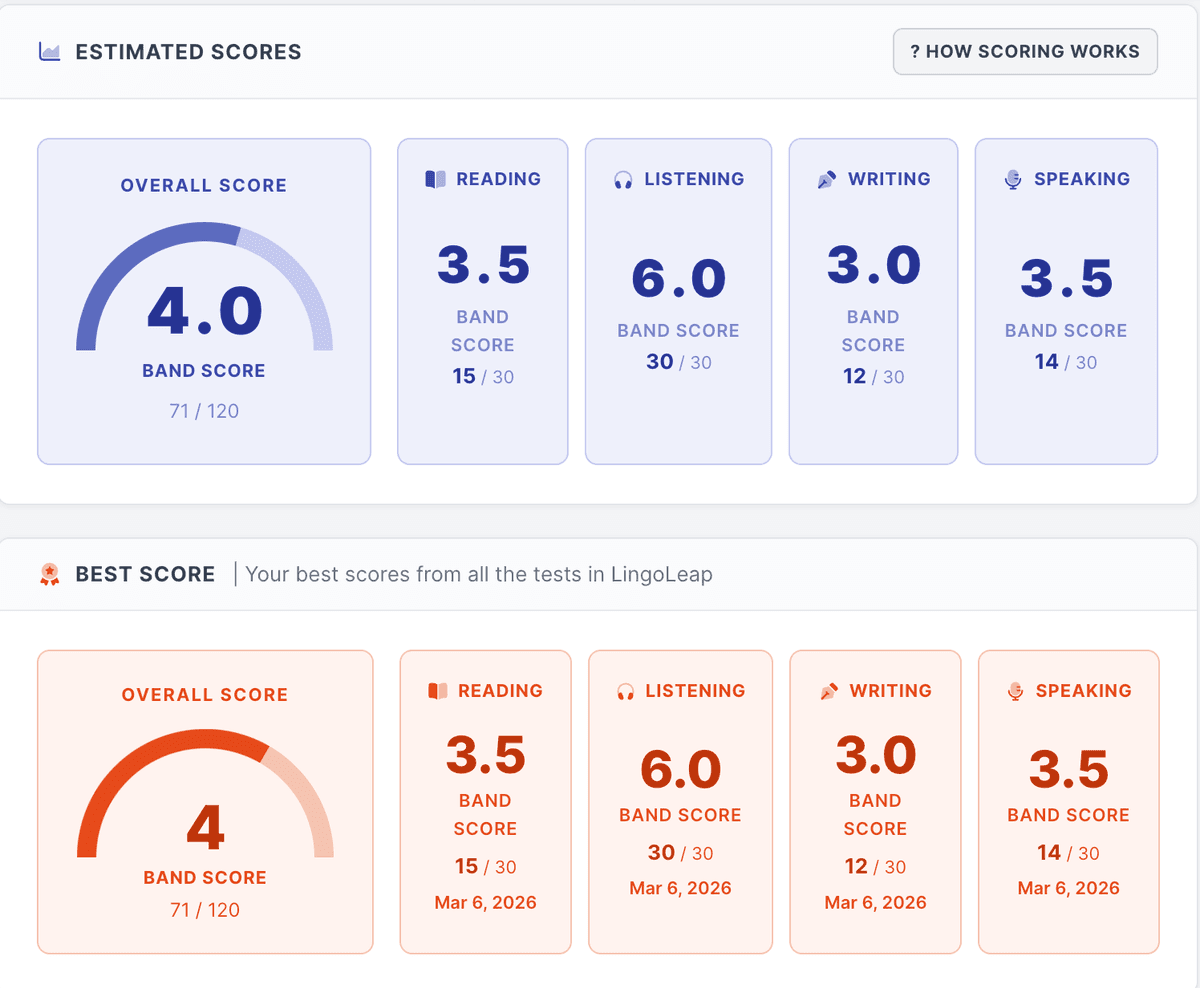 Score Report
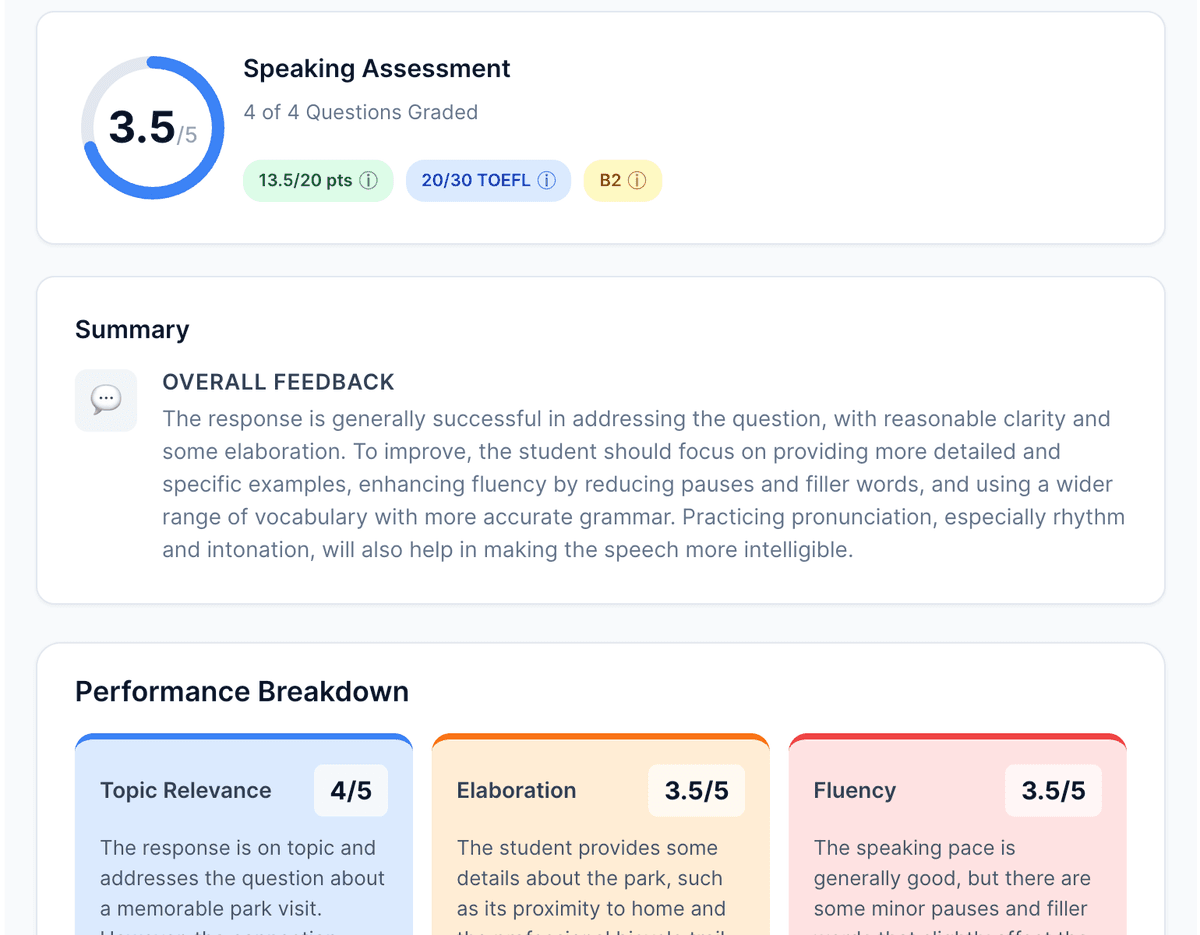 AI Speaking Score
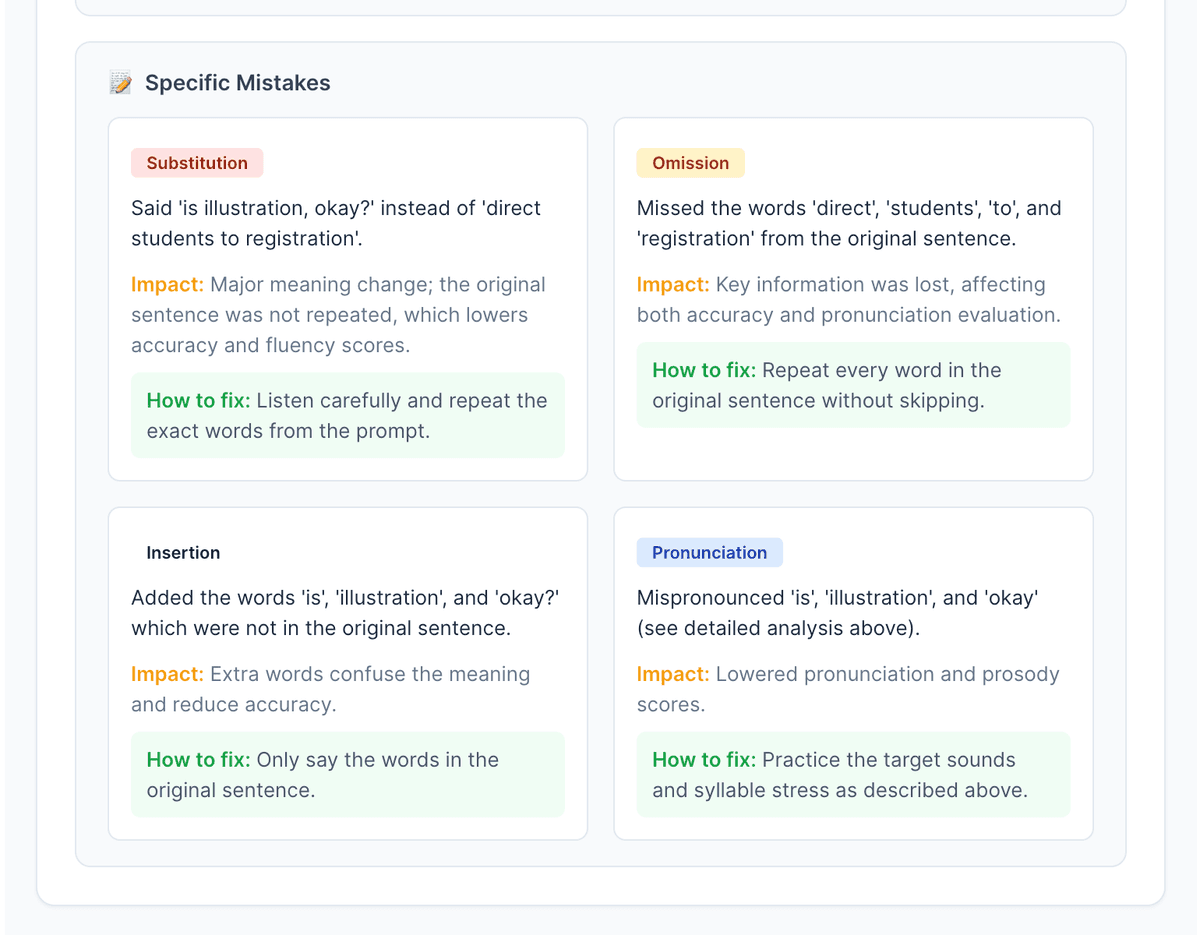 Mistake Analysis
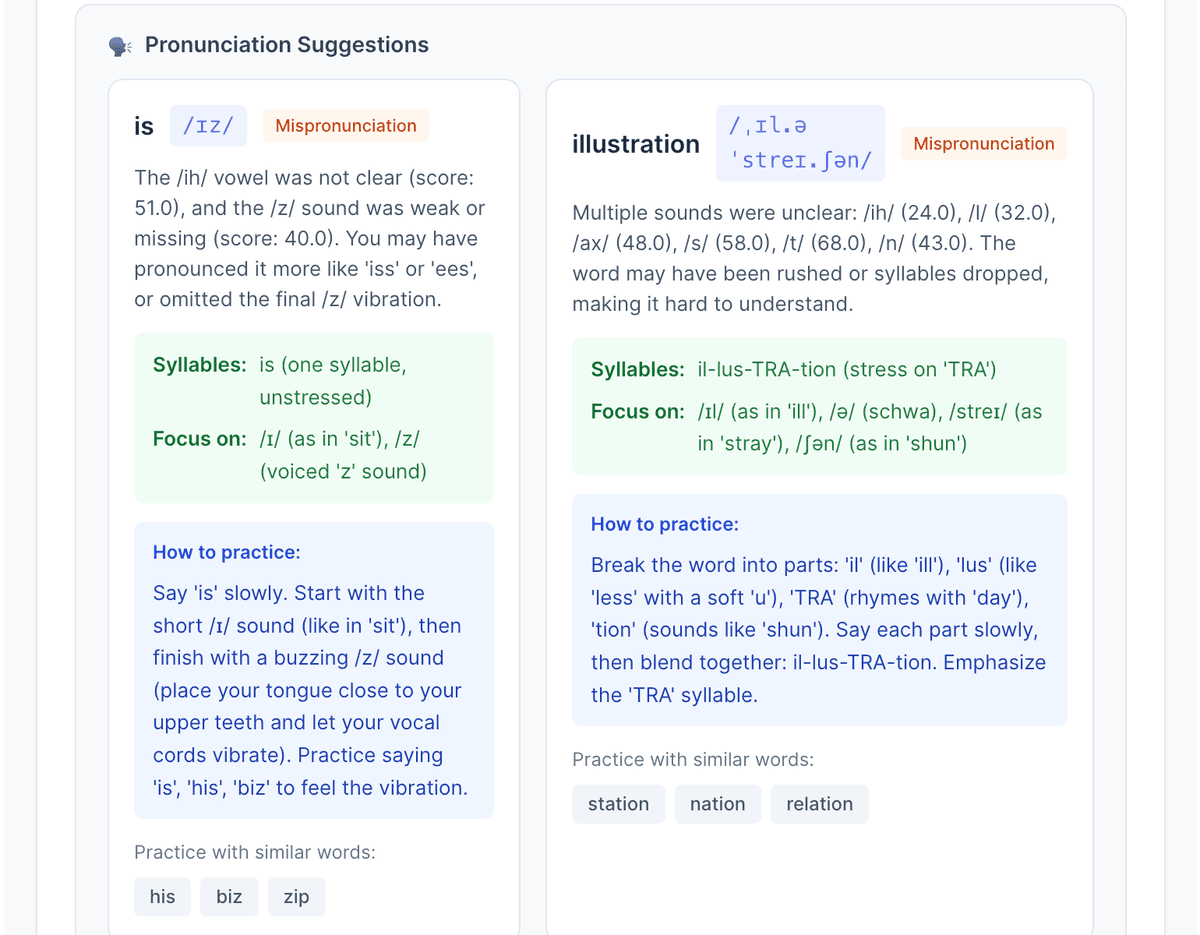 Pronunciation Feedback
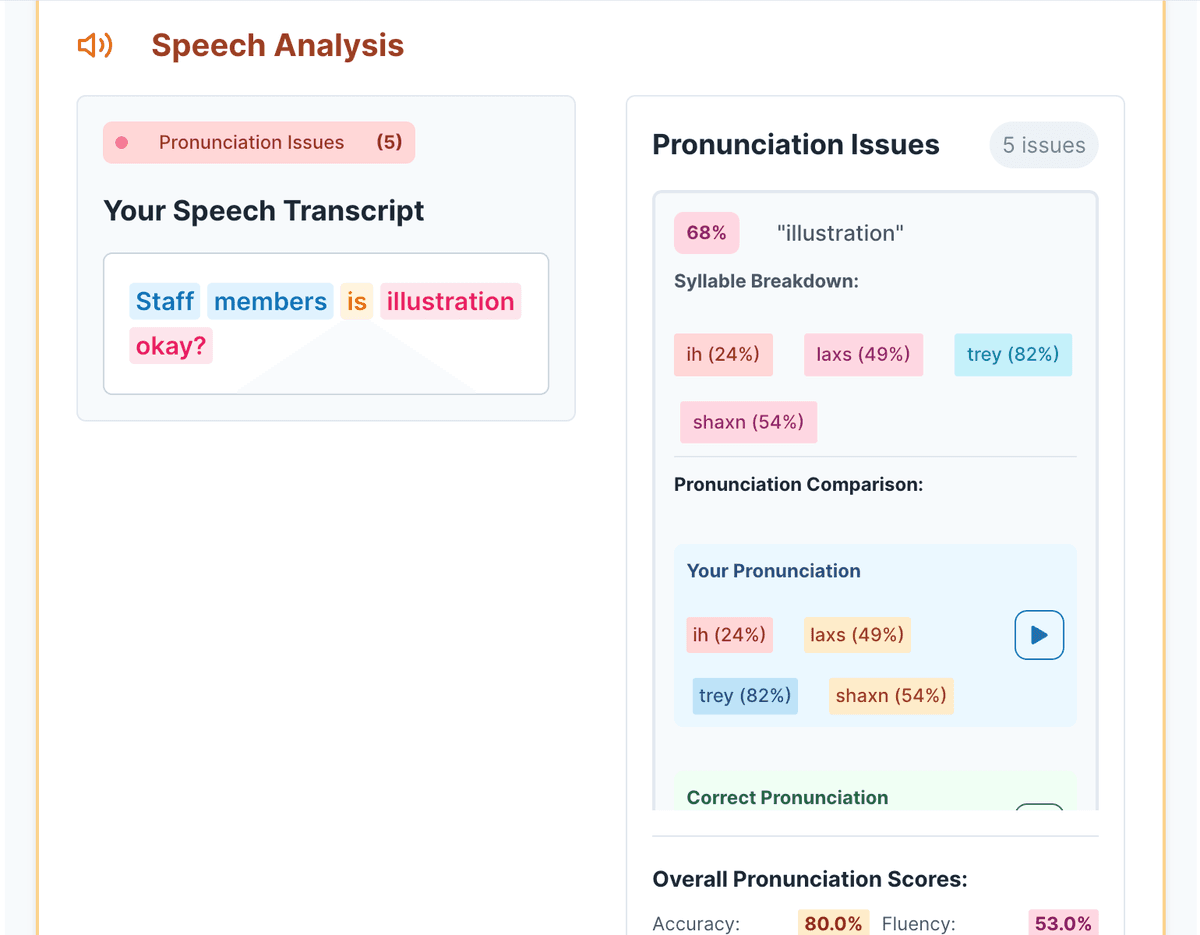 Speech Analysis
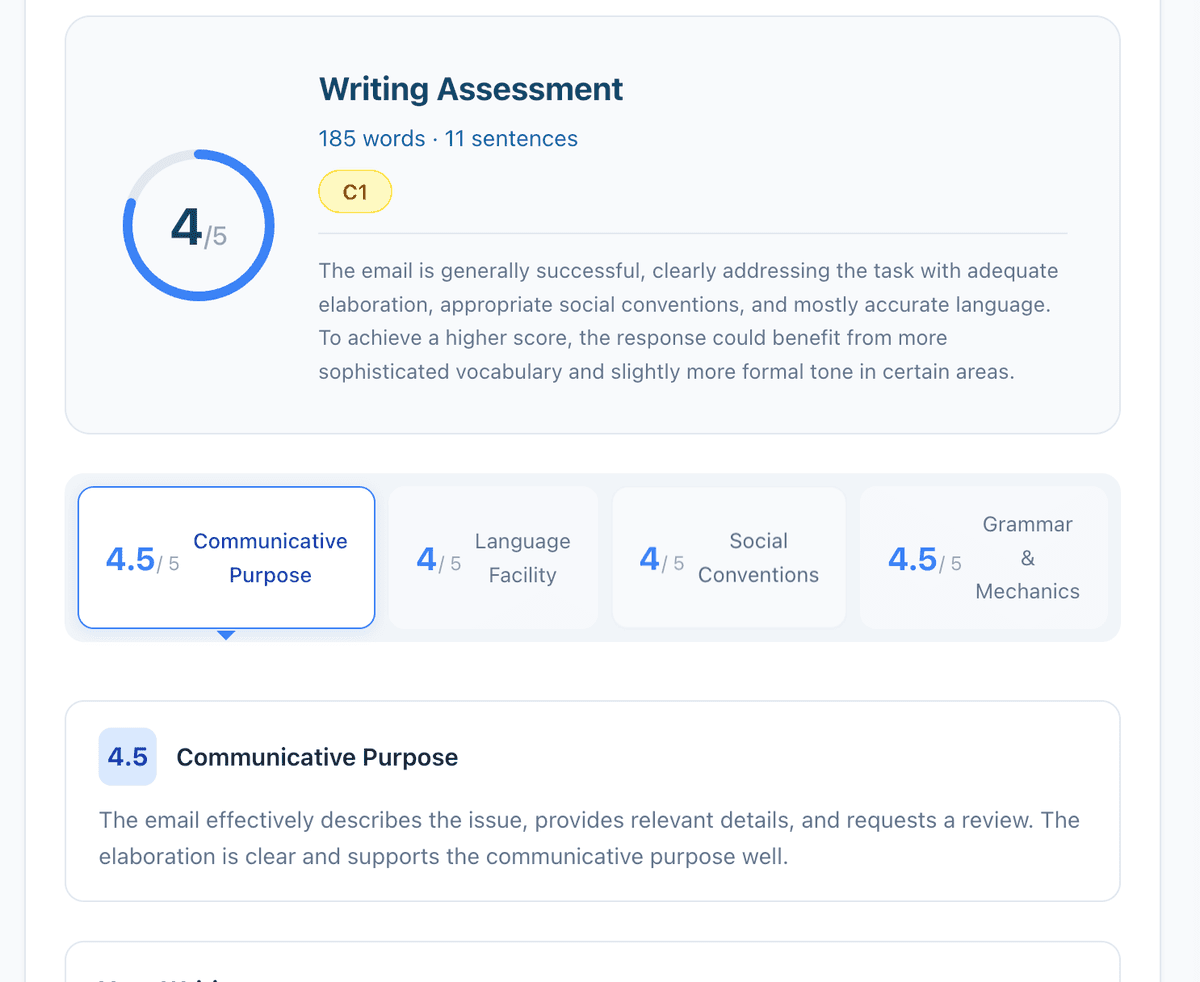 AI Writing Score
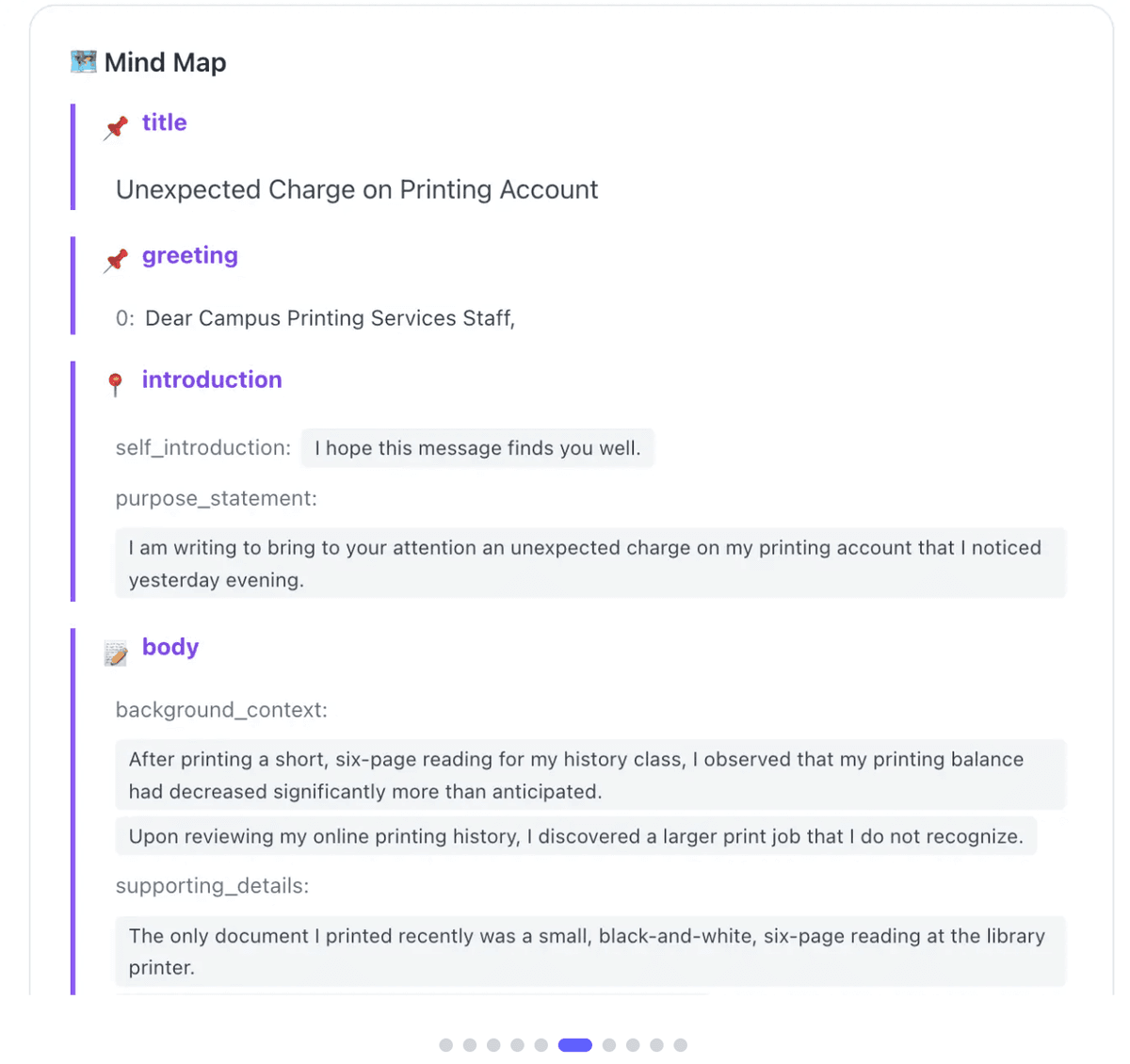 Article Structure Feedback
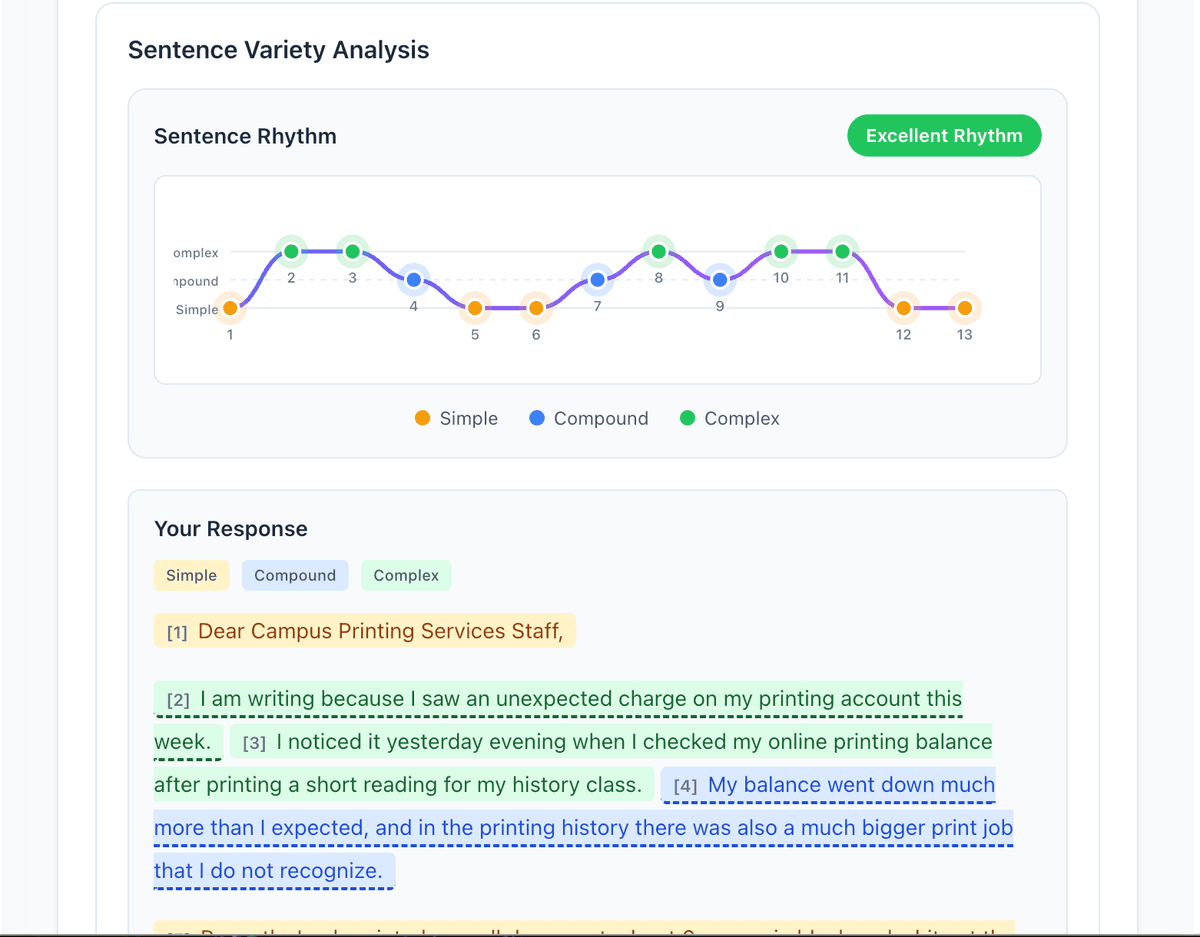 Sentence Variety
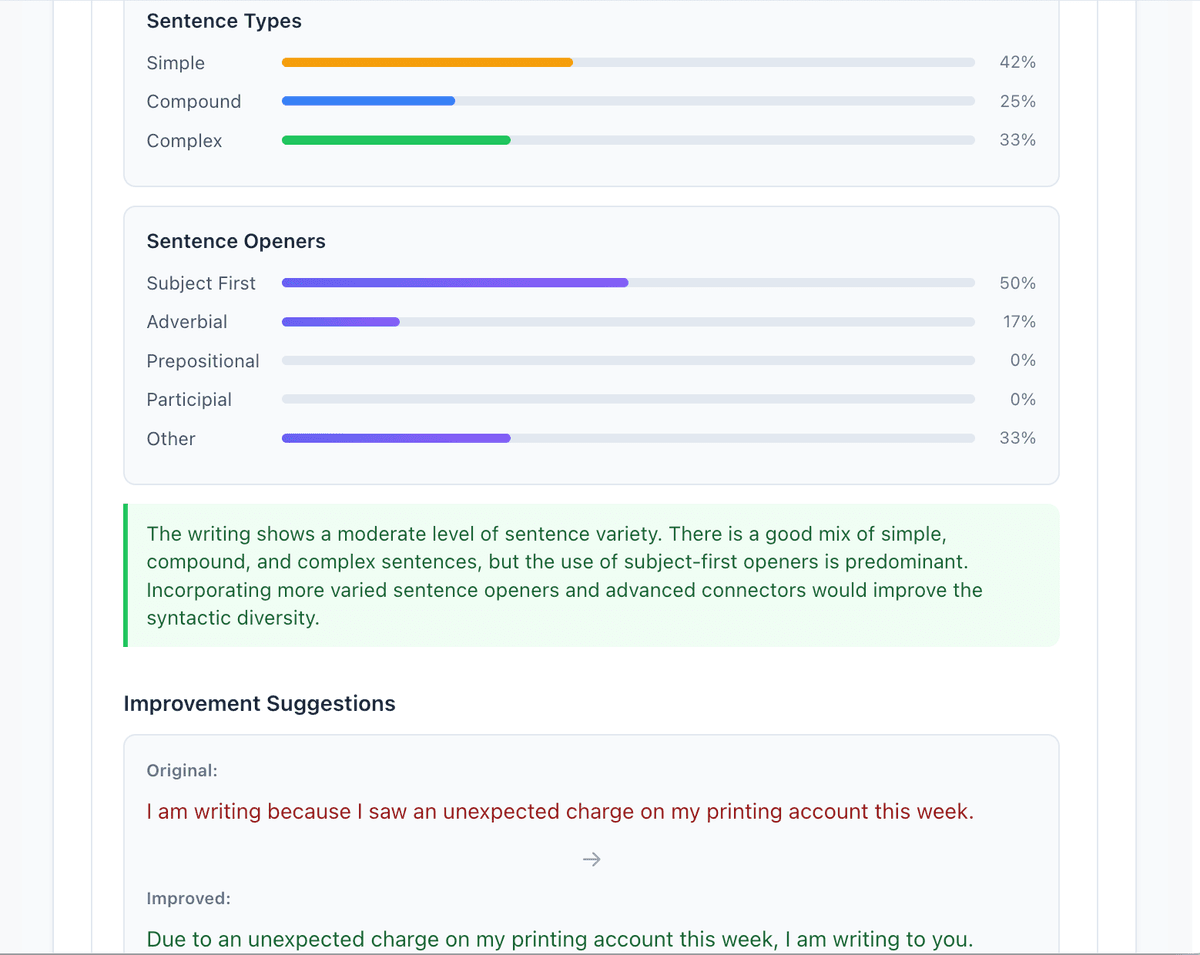 Improvement Suggestions
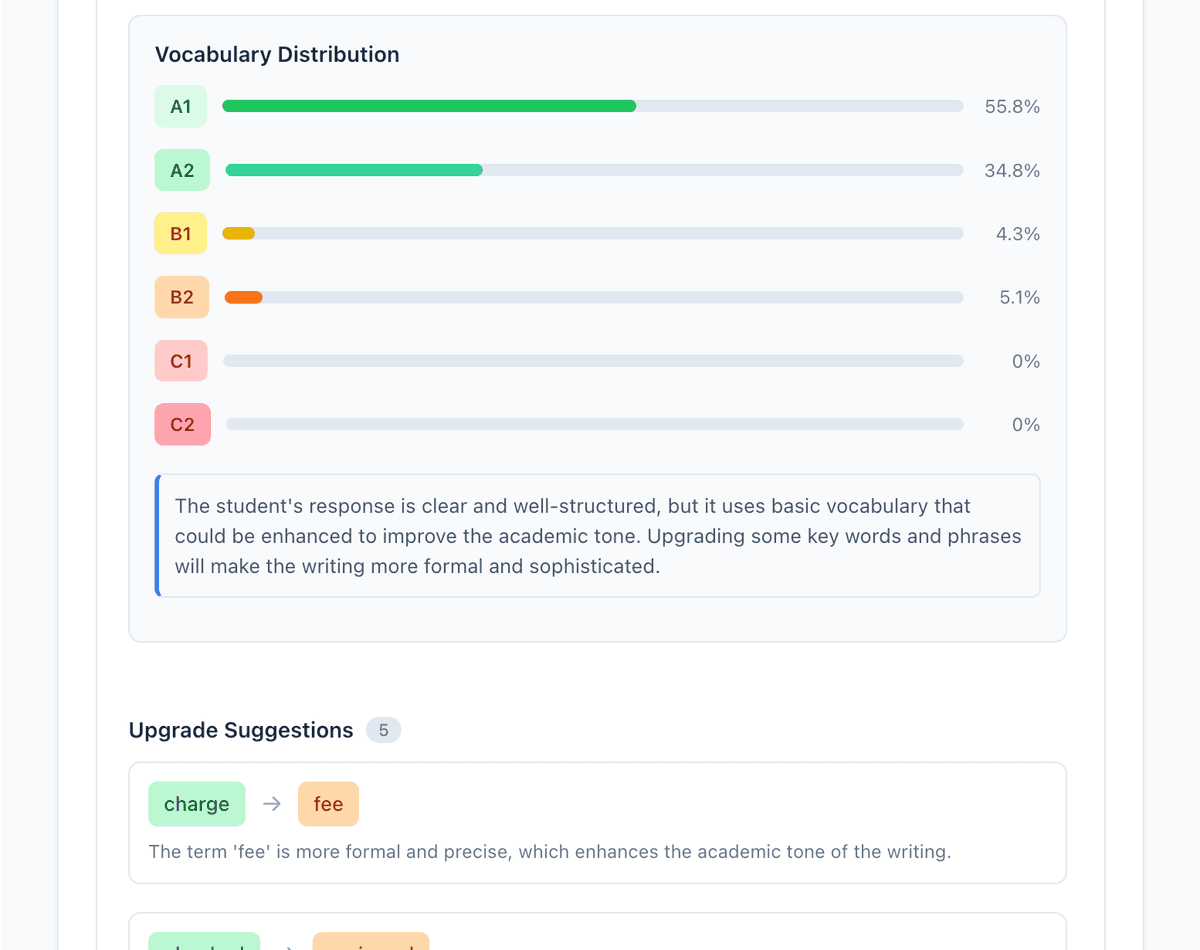 Vocabulary Feedback
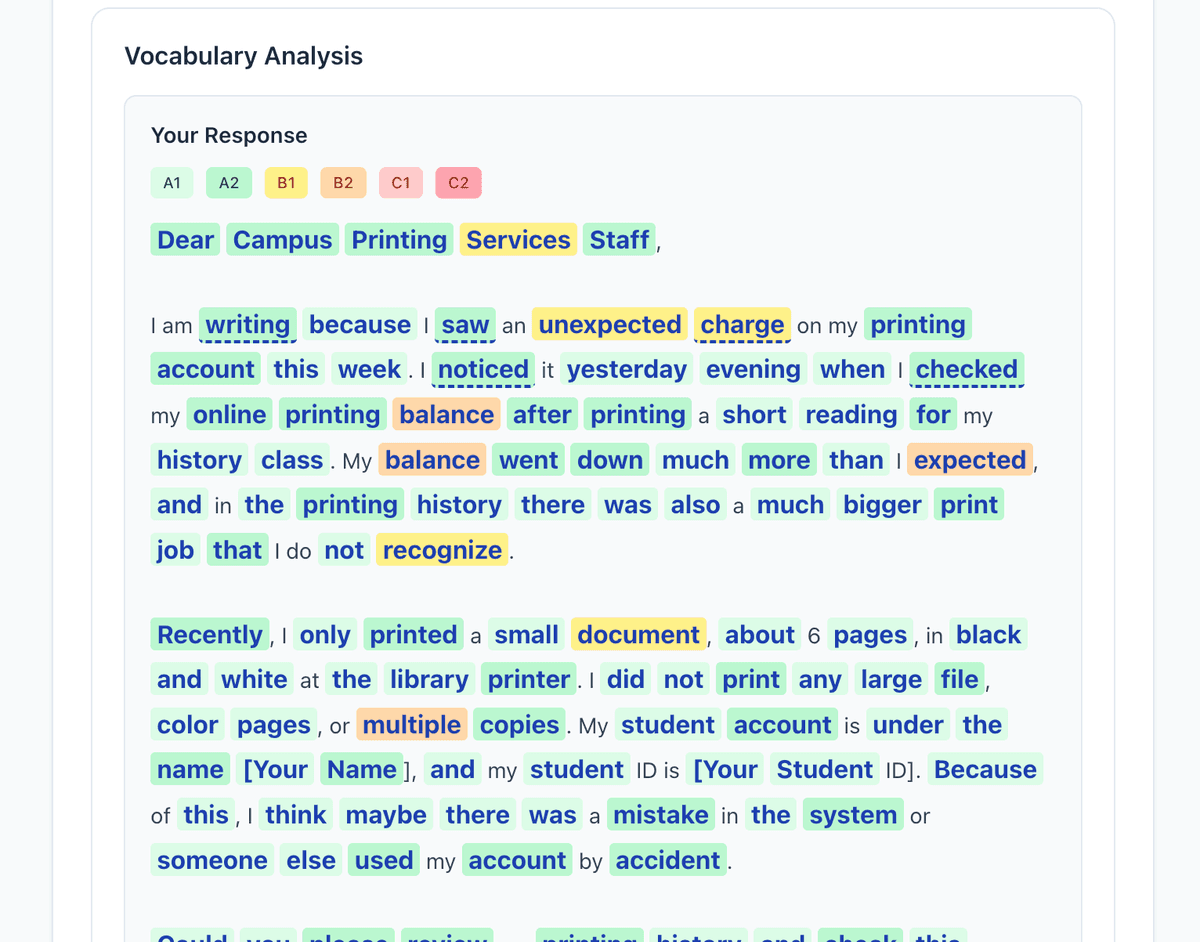 Vocabulary Analysis
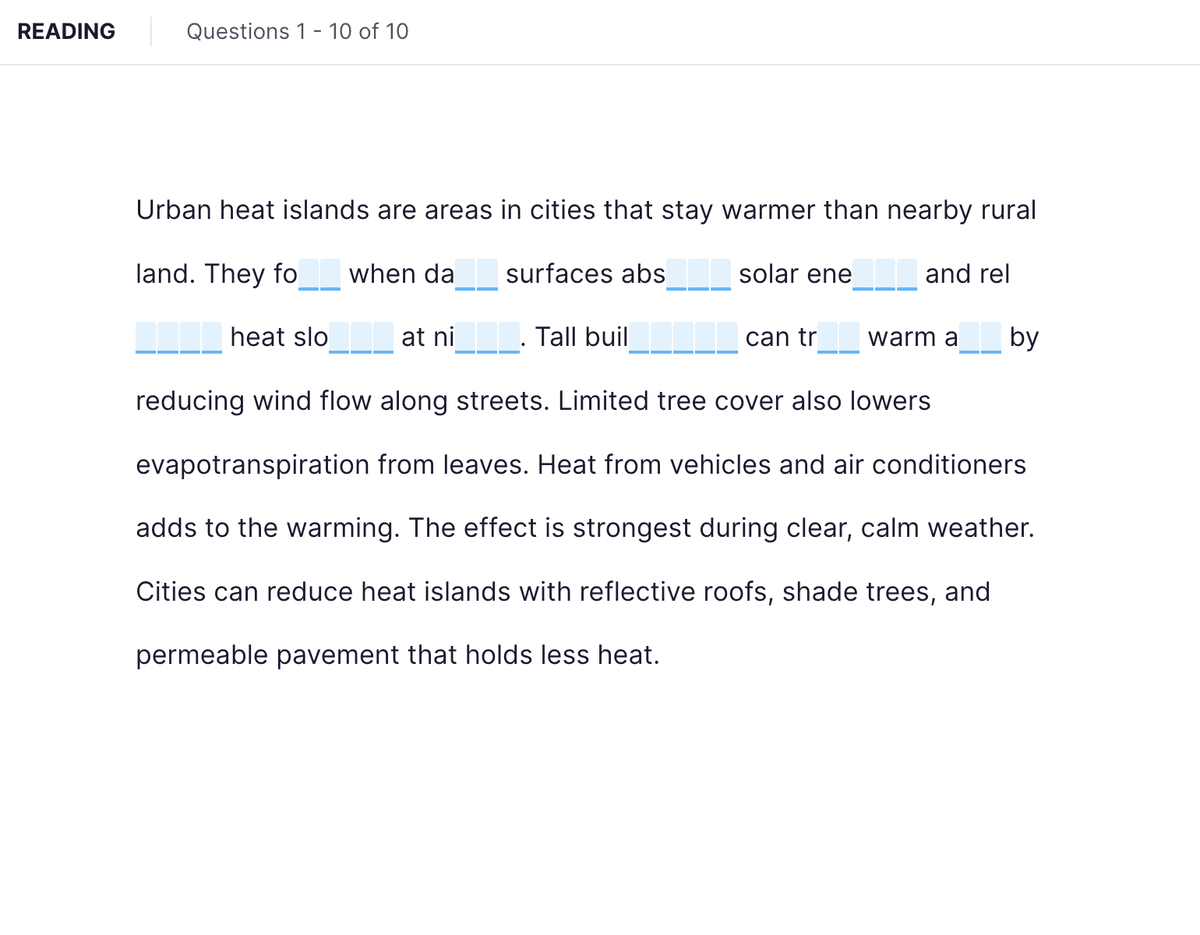 TOEFL 26 New: Reading
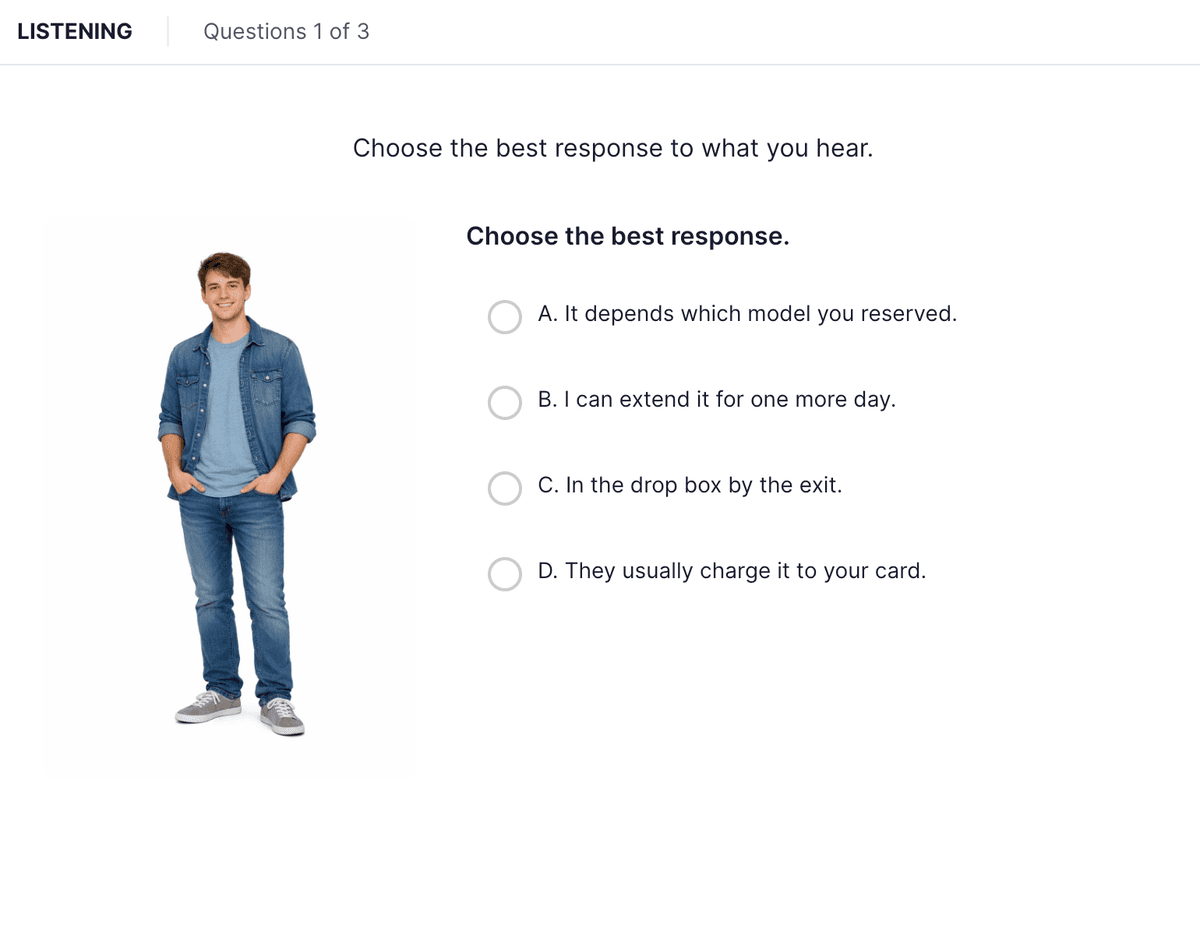 TOEFL 26 New: Listening
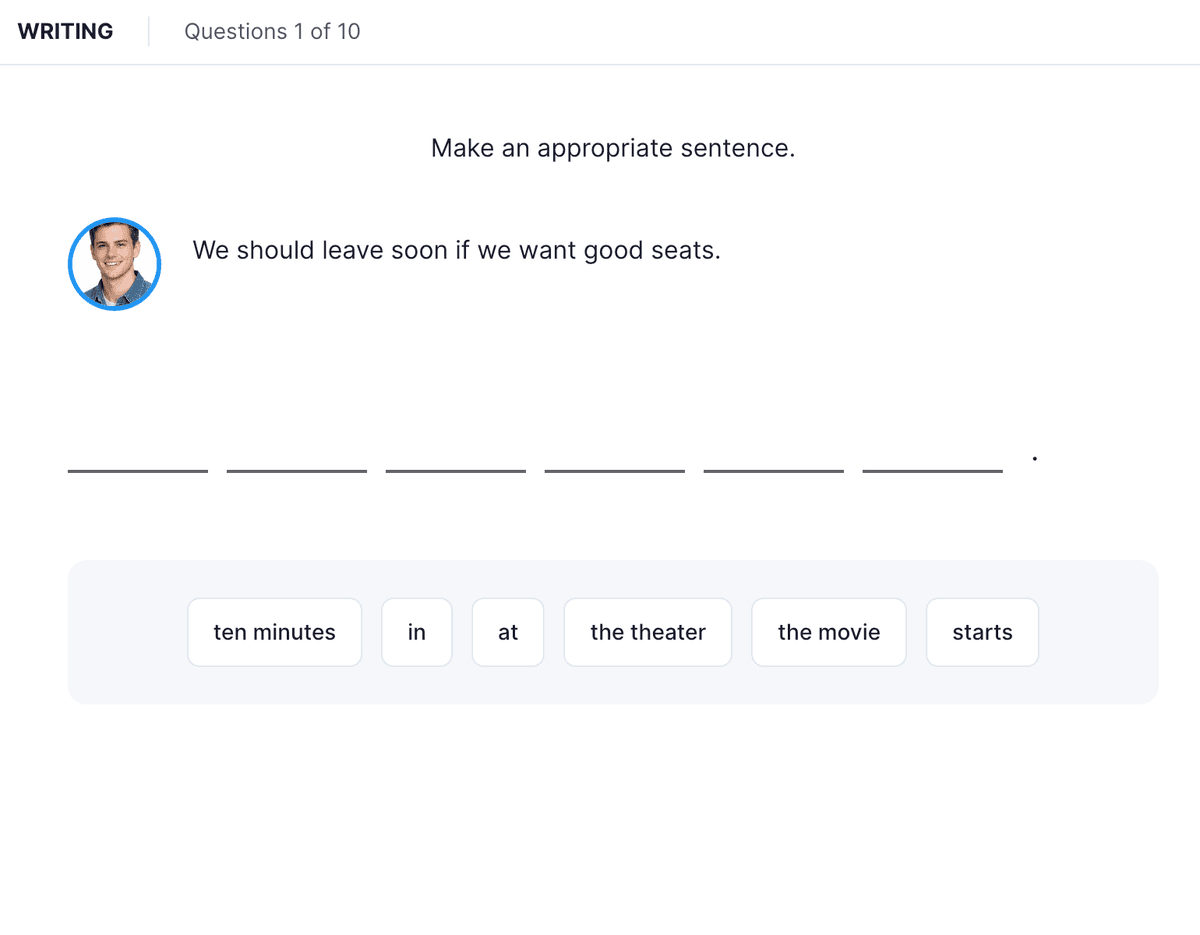 TOEFL 26 New: Writing
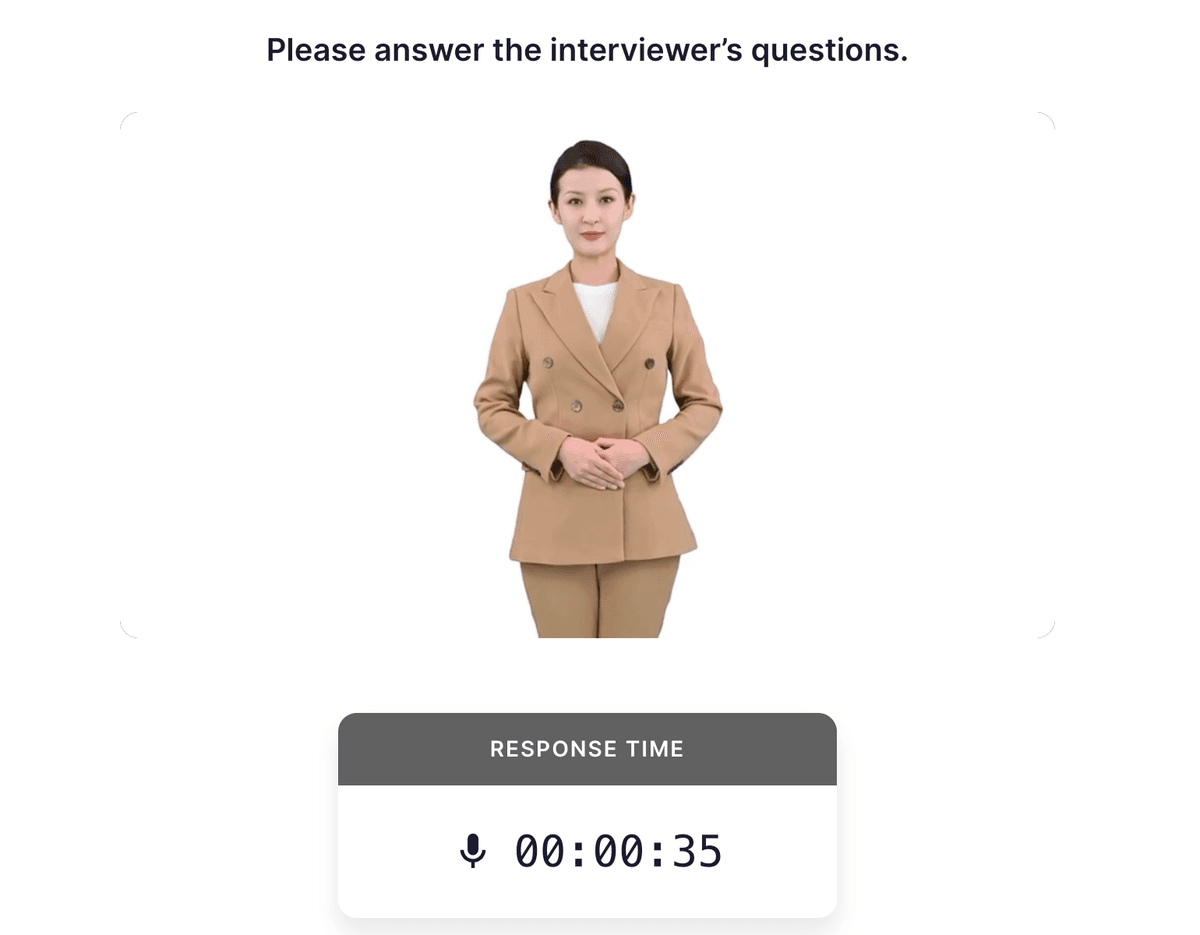 TOEFL 26 New: Speaking
Every TOEFL 2026 mock test in Lingoleap
These are the full-length mock tests the Lingoleap practice app publishes today, listed exactly as they appear inside it. Each one runs all four TOEFL 2026 sections in a single timed sitting, and each name below opens that test in the app.
Start here — free
Start with the free full mock (PQ26-1)
PQ26-1 is the free first test — the quickest way to try the real TOEFL 2026 format before you pick from the full catalogue below.
What to expect: one full, timed sitting across all four TOEFL 2026 sections — the Speaking section records your voice, so you'll need a microphone. PQ26-1 is free to take with a free account. Its scores are free too: every section, including the AI Speaking and Writing feedback, costs no credits.
Not ready for a full test? Try one free AI-graded question instead
104 published full-length mock tests · three sets
- Free with account16 tests
- Plus or Premium15 tests
- Premium73 tests
Access states are the app's own. It marks New TPO and Latest Questions Premium, and describes PQ26-16 to PQ26-30 as included with Plus and Premium; the rest of Practice Questions opens once you create a free account.
Practice Questions (PQ26)
Mixed access31 full-length tests
PQ26-1 to PQ26-15 and PQ26-75 open with a free account. PQ26-16 to PQ26-30 are the range the app sells as part of Plus and Premium.
- PQ26-1Take test →Miễn phíFree with account
- PQ26-2Take test →Free with account
- PQ26-3Take test →Free with account
- PQ26-4Take test →Free with account
- PQ26-5Take test →Free with account
- PQ26-6Take test →Free with account
- PQ26-7Take test →Free with account
- PQ26-8Take test →Free with account
- PQ26-9Take test →Free with account
- PQ26-10Take test →Free with account
- PQ26-11Take test →Free with account
- PQ26-12Take test →Free with account
- PQ26-13Take test →Free with account
- PQ26-14Take test →Free with account
- PQ26-15Take test →Free with account
- PQ26-16Take test →Plus or Premium
- PQ26-17Take test →Plus or Premium
- PQ26-18Take test →Plus or Premium
- PQ26-19Take test →Plus or Premium
- PQ26-20Take test →Plus or Premium
- PQ26-21Take test →Plus or Premium
- PQ26-22Take test →Plus or Premium
- PQ26-23Take test →Plus or Premium
- PQ26-24Take test →Plus or Premium
- PQ26-25Take test →Plus or Premium
- PQ26-26Take test →Plus or Premium
- PQ26-27Take test →Plus or Premium
- PQ26-28Take test →Plus or Premium
- PQ26-29Take test →Plus or Premium
- PQ26-30Take test →Plus or Premium
- PQ26-75Take test →Free with account
New TPO (TPO26)
Premium8 full-length tests
The app describes this set as exam-grade practice built for the 2026 format.
Latest Questions (EQ26)
Premium65 full-length tests
The app describes this set as its newest question sets, updated continuously.
- EQ26-1Take test →Premium
- EQ26-2Take test →Premium
- EQ26-3Take test →Premium
- EQ26-4Take test →Premium
- EQ26-5Take test →Premium
- EQ26-6Take test →Premium
- EQ26-7Take test →Premium
- EQ26-8Take test →Premium
- EQ26-9Take test →Premium
- EQ26-10Take test →Premium
- EQ26-11Take test →Premium
- EQ26-12Take test →Premium
- EQ26-13Take test →Premium
- EQ26-14Take test →Premium
- EQ26-15Take test →Premium
- EQ26-16Take test →Premium
- EQ26-17Take test →Premium
- EQ26-18Take test →Premium
- EQ26-19Take test →Premium
- EQ26-20Take test →Premium
- EQ26-21Take test →Premium
- EQ26-22Take test →Premium
- EQ26-23Take test →Premium
- EQ26-24Take test →Premium
- EQ26-25Take test →Premium
- EQ26-26Take test →Premium
- EQ26-27Take test →Premium
- EQ26-28Take test →Premium
- EQ26-29Take test →Premium
- EQ26-30Take test →Premium
- EQ26-31Take test →Premium
- EQ26-32Take test →Premium
- EQ26-33Take test →Premium
- EQ26-34Take test →Premium
- EQ26-35Take test →Premium
- EQ26-36Take test →Premium
- EQ26-37Take test →Premium
- EQ26-38Take test →Premium
- EQ26-39Take test →Premium
- EQ26-40Take test →Premium
- EQ26-41Take test →Premium
- EQ26-42Take test →Premium
- EQ26-43Take test →Premium
- EQ26-44Take test →Premium
- EQ26-45Take test →Premium
- EQ26-46Take test →Premium
- EQ26-47Take test →Premium
- EQ26-48Take test →Premium
- EQ26-49Take test →Premium
- EQ26-50Take test →Premium
- EQ26-51Take test →Premium
- EQ26-52Take test →Premium
- EQ26-53Take test →Premium
- EQ26-54Take test →Premium
- EQ26-55Take test →Premium
- EQ26-56Take test →Premium
- EQ26-58Take test →Premium
- EQ26-59Take test →Premium
- EQ26-60Take test →Premium
- EQ26-61Take test →Premium
- EQ26-62Take test →Premium
- EQ26-63Take test →Premium
- EQ26-64Take test →Premium
- EQ26-65Take test →Premium
- EQ26-66Take test →Premium
Each link opens that exact test in the practice app. The app asks you to sign in first, and tests marked Plus or Premium need the matching plan.
What one mock test contains
The app records a task-type list for every mock test. All four sections appear in all of them:
Reading
- Complete the Words
- Read in Daily Life
- Read an Academic Passage
Listening
- Listen and Choose a Response
- Conversation
- Announcement
- Academic Talk
Speaking
- Listen and Repeat
- Take an Interview
Writing
- Build a Sentence
- Write an Email
- Write for an Academic Discussion
One exception, listed rather than rounded away: TPO26-6 carries no Build a Sentence task. The other 103 tests carry the full task-type list.
Test names, counts and access states read from the practice app's own question list, route table and gate on 18 September 2026. Nothing on this list is an estimate. Lingoleap reports a practice band, not an official ETS score.
Đề Thi Thử TOEFL (Bài Thi Thử TOEFL) Là Gì?
Đề thi thử TOEFL, còn gọi là bài thi thử, đề luyện thi TOEFL hay bài thi mô phỏng, là một lượt làm bài TOEFL iBT đầy đủ, có tính giờ, theo định dạng hiện hành: bài thi được thiết kế lại ra mắt ngày 21 tháng 1 năm 2026, với 12 dạng bài mới, phần Reading và Listening thích ứng đa giai đoạn, và thang điểm 1–6 tương thích với CEFR.
Tài liệu luyện tập viết cho bài thi trước năm 2026 không thể giúp bạn làm quen với cấu trúc đó. Mọi đề thi thử của Lingoleap đều được xây dựng cho định dạng 2026: cùng bốn phần thi, dạng bài và thời gian, làm trong một lượt, kết thúc bằng một bảng điểm luyện tập.
Định Dạng TOEFL 2026 Mới
Bài thi TOEFL 2026 gồm 4 phần: Reading, Listening, Writing và Speaking. Thời gian ước tính để hoàn thành bài thi là dưới 2 giờ. Thời gian thi không bao gồm phần hướng dẫn. Do tính chất thích ứng của bài thi, thời gian và số lượng câu hỏi có thể thay đổi.
Reading
~30 phút
~50 câu hỏi
Thích ứng đa giai đoạn qua hai mô-đun
Listening
~29 phút
~47 câu hỏi
Thích ứng đa giai đoạn qua hai mô-đun
Writing
~23 phút
12 câu hỏi
Định dạng tuyến tính — cùng dạng bài cho tất cả thí sinh
Speaking
~8 phút
11 câu hỏi
Định dạng tuyến tính — cùng dạng bài cho tất cả thí sinh
Tất Cả Dạng Bài TOEFL 2026
Reading
- Complete the Words
- Read in Daily Life
- Read an Academic Passage
8 dạng câu hỏi: Factual & Negative Factual, Vocabulary, Select the Sentence, Sentence Simplification, Reference, Inference, Rhetorical Purpose, Insert Text
Listening
- Listen and Choose a Response
- Listen to a Conversation
- Listen to an Announcement
- Listen to an Academic Talk
6 dạng câu hỏi: Main Idea, Factual, Inference, Purpose, Method, Attitude
Writing
- Build a Sentence
- Write an Email
- Write for an Academic Discussion
Định dạng tuyến tính — chấm điểm dựa trên mục đích giao tiếp, cú pháp, lựa chọn từ, quy ước xã hội và độ chính xác
Speaking
- Listen and Repeat
- Take an Interview
Định dạng tuyến tính — chấm điểm dựa trên phát âm (rõ ràng, lưu loát), sử dụng ngôn ngữ (ngữ pháp, từ vựng) và khả năng diễn đạt
Phần Reading và Listening sử dụng cấu trúc thi thích ứng đa giai đoạn — kết quả của bạn ở Module 1 sẽ quyết định độ khó của Module 2. Điều này tạo ra trải nghiệm cá nhân hóa hơn và đo lường năng lực của bạn hiệu quả, chính xác hơn.
Tại Sao Chọn Đề Thi Thử TOEFL 26 Của Lingoleap
Hầu hết tài liệu luyện thi TOEFL hiện nay vẫn dựa trên định dạng thi cũ. Lingoleap được xây dựng riêng cho định dạng TOEFL 2026.
 Đề thi thử đầy đủ bao gồm cả 12 dạng bài chính thức của TOEFL 2026
- Reading và Listening thích ứng đa giai đoạn giống hệt bài thi thật
- Chấm điểm AI cho Speaking và Writing theo tiêu chí chấm điểm chính thức của ETS
- Một trong những thư viện đề thi thử TOEFL 26 lớn nhất hiện có
Hầu hết tài liệu giúp bạn ôn cho TOEFL cũ. Lingoleap giúp bạn ôn cho TOEFL mới.
Bao Phủ Đầy Đủ Tất Cả Dạng Bài TOEFL 2026
Mỗi đề thi thử TOEFL 26 của Lingoleap bao gồm đủ 12 dạng bài chính thức ở cả bốn phần thi — chính xác như bài thi thật.
Reading
- Complete the Words
Khôi phục các phần còn thiếu của từ trong một đoạn văn học thuật ngắn
- Read in Daily Life
Đọc các văn bản thực tế như email, thông báo hoặc bài đăng mạng xã hội
- Read an Academic Passage
Đọc một đoạn văn học thuật ngắn (~200 từ) và trả lời 5 câu hỏi
Listening
- Listen and Choose a Response
Nghe một câu hỏi hoặc phát biểu ngắn, chọn câu trả lời phù hợp nhất từ 4 lựa chọn
- Listen to a Conversation
Trả lời câu hỏi về các đoạn hội thoại ngắn trong môi trường đại học giữa 2 người
- Listen to an Announcement
Trả lời câu hỏi về các thông báo trong lớp học hoặc sự kiện trường học
- Listen to an Academic Talk
Trả lời câu hỏi về các bài giảng học thuật ngắn về nhiều chủ đề khác nhau
Writing
- Build a Sentence
Sắp xếp lại các từ và cụm từ để hoàn thành câu trong một đoạn hội thoại ngắn
- Write an Email
Viết email cho một mục đích cụ thể như đề xuất, mời hoặc đưa ra giải pháp
- Write for an Academic Discussion
Đọc bài đăng của giáo sư và 2 phản hồi của sinh viên, sau đó viết ý kiến của bạn (100+ từ)
Speaking
- Listen and Repeat
Nhắc lại 7 câu nói có độ dài và độ phức tạp tăng dần
- Take an Interview
Trả lời 4 câu hỏi phỏng vấn trong một cuộc trò chuyện học thuật mô phỏng (45 giây mỗi câu)
Thi Thích Ứng Đa Giai Đoạn — Giống Hệt TOEFL 2026 Thật
Đề thi thử Lingoleap mô phỏng cấu trúc thích ứng đa giai đoạn của TOEFL thật. Kết quả của bạn ở Module 1 sẽ quyết định độ khó của Module 2, giống như bài thi chính thức.
Tiến Trình Thi Thực Tế
Trải nghiệm cùng quy trình thích ứng như TOEFL 2026 thật — kết quả Module 1 xác định độ khó của Module 2
Luyện Tập Đa Cấp Độ
Luyện tập cả mô-đun dễ và khó để xây dựng sự tự tin và độ chính xác ở mọi trình độ
Đánh Giá Năng Lực Thực Sự
Hiểu rõ tiềm năng điểm số thật của bạn dựa trên logic chấm điểm thích ứng và quy đổi điểm thô sang điểm chuẩn
Chấm Điểm AI cho Speaking & Writing
Nhận phản hồi chi tiết ngay lập tức cho mọi câu trả lời Speaking và Writing — theo tiêu chí chấm điểm chính thức của ETS. Mỗi câu trả lời được chấm tổng thể theo thang điểm 0–5.
Đánh Giá Speaking
Listen and Repeat
- Độ chính xác khi nhắc lại
- Mức độ rõ ràng
- Phát âm
Take an Interview
- Trình bày (rõ ràng, lưu loát, phát âm, ngữ điệu)
- Sử dụng ngôn ngữ (phạm vi và độ chính xác ngữ pháp & từ vựng)
- Khả năng diễn đạt (đúng chủ đề, ý kiến có luận điểm hỗ trợ)
Đánh Giá Writing
Write an Email
- Diễn đạt phục vụ mục đích giao tiếp
- Đa dạng cú pháp & lựa chọn từ chính xác, tự nhiên
- Quy ước xã hội phù hợp (lịch sự, ngữ vực, mức độ trang trọng)
- Độ chính xác từ vựng & ngữ pháp
Write for an Academic Discussion
- Giải thích và ví dụ phù hợp, có chiều sâu
- Đa dạng cấu trúc cú pháp & lựa chọn từ chính xác, tự nhiên
- Độ chính xác từ vựng & ngữ pháp
Accuracy and transparency
How Accurate Is This TOEFL Practice Test Score?
Every practice-test site says its scores are accurate. Almost none says how the number is produced or what has actually been checked. Here is the full answer for Lingoleap — including what we have not verified yet.
What we know
- Reading and Listening are scored against a fixed answer key, so those bands are as reliable as the question set is representative of the real test.
- Writing and Speaking responses are scored 0–5 by a language model against the dimensions of the published ETS scoring guides — the same criteria the Speaking and Writing evaluation section above lists.
- Every band on your report comes from one fixed rule set — the tables and formulas printed further down this page — so the same answers always produce the same band.
What we have not verified
- We have not yet published a comparison of Lingoleap bands against learners' official ETS score reports. Until that verified sample exists and is large enough, we do not quote a correlation, an accuracy percentage or a margin of error — any such number would be invented.
- ETS has not released a raw-to-band conversion for the 2026 test. Our Reading and Listening table is a Lingoleap estimate and is labelled as one below.
- The real test equates scores across forms and adaptive paths with Item Response Theory; our engine uses a simpler lookup table. The two can disagree, most likely at band boundaries.
What to do with the estimate
- Treat one mock band as a range, not a point. Read the section bands and the task-type accuracy under them — those move first and are what you can practise.
- Track direction across three to five mocks spaced two to three weeks apart, rather than certifying a single sitting.
- For admissions, only an ETS score counts. Check your target school's published minimum with the Score Calculator, and treat the last mock as a dress rehearsal, not a prediction.
The method we will use to publish calibration figures — who counts, which mock counts, what gets excluded — is already written down on the how-it-works page. The figures will appear there, with their sample size, once the verified sample exists.
See the calibration method →Wondering whose AI to trust on the 2026 test in general? The AI tutor guide explains how ETS's own SpeechRater and e-rater engines grade Speaking and Writing first, and how to rehearse against an AI scorer.
How the 2026 TOEFL is graded by AI →How Our Adaptive Practice Works
Reading and Listening in a Lingoleap mock run as a two-stage test, the structure ETS describes for the real exam. Here is exactly what our engine does — and, separately, what ETS has and has not said.
In a Lingoleap mock test
- 1
Router module
Every test-taker starts with the same router module in each section.
- 2
Routing
Your router performance sends you to a lower or an upper Stage 2 module. The two modules are built differently, which is why the number of items you see varies from mock to mock. The routing threshold is an engine setting we do not publish on this page.
- 3
One band table, defined for the upper module
Correct answers across both stages are counted, normalised to a 35-point basis, and looked up in the section's band table. The table is defined for the upper module.
- 4
Lower-module adjustment
A sitting routed to the lower module is placed one step down that table for the same normalised count. So in our engine the lower path cannot reach the top band — that is a Lingoleap simplification, not an ETS rule, and it is the one place our scoring is deliberately more conservative than the real test.
Adaptive routing: what ETS has published vs what prep sites assert
| Question | What ETS has published | What prep sites assert |
|---|---|---|
| Structure | Reading and Listening are “designed as two-stage adaptive tests”; Writing and Speaking are linear, with every test-taker on a form getting the same tasks (2026 Test Blueprint, note 5). | The same. This part is not in dispute. |
| Routing | “Based on their performance on the first module, test takers will get a second module where the difficulty of the test tasks matches their ability level.” No routing threshold is published (Teacher FAQ, Q9). | Specific thresholds — “get the first ten questions wrong and you are routed down” — none of which cites an ETS source. |
| How the score is produced | The section score “takes into consideration the total number of questions answered correctly across the two stages or modules as well as the difficulty level of questions”, converted by IRT equating so that a reported score “reflects the same level of language ability, regardless of which second stage was taken” (Teacher FAQ). | A fixed raw-to-band table applied to both paths, or a flat penalty for the easier path. |
| The “ceiling” | ETS states no maximum band for the lower module. It says “the final score is based on both stages” and that item difficulty is accounted for — which means an easier item is worth less, not that a particular band is forbidden. Whether the easier module can reach 6.0 in practice is not something ETS has published either way. | “A perfect score on the easier Stage 2 caps you at 4.0”, or “below 5.0” — the figure differs from site to site and none cites ETS. |
| Unscored items | Reading and Listening item counts “include non-scored items” used to gather data for future forms (Blueprint, note 1). | Rarely mentioned; item counts are usually quoted as if every item scored. |
ETS sources: TOEFL iBT 2026 Test Blueprint and Specifications (PDF) · Teacher FAQ for TOEFL iBT Enhancements (PDF)
Quotations are from those two ETS documents as read on 16 September 2026. Where this page says ETS has not published something, we mean we could not find it in either document or on ets.org — not that no such rule exists internally.
How the Band Is Produced, Section by Section
The whole path from your answers to the 1–6 band, with nothing hidden. These are the rules our score report runs on.
Reading
Scored by: Answer key- 1Every item is compared with the reference answer: right or wrong, no partial credit.
- 2Correct answers across the router and your Stage 2 module are summed and scaled to a 35-point basis: points = round(correct ÷ items × 35).
- 3The points are looked up in the Reading band table below. Lower-module sittings drop one step.
Listening
Scored by: Answer key- 1The same answer-key grading and 35-point scaling as Reading.
- 2The Listening table has its own boundaries: 80% accuracy is a 5.0 in Reading, but 71% is a 4.5 in Listening. That is why two sections at similar accuracy can show different bands.
Writing
Scored by: Answer key + AI- 1Build a Sentence: each item is scored right or wrong against the accepted word orderings. No model is involved.
- 2Write an Email and Write for an Academic Discussion: each response is scored 0–5 by a language model against the dimensions of the ETS scoring guide for that task.
- 3Section band = (points earned ÷ points available) × 5 + 1, rounded to the nearest 0.5.
Speaking
Scored by: AI- 1Listen and Repeat (7 items) and Take an Interview (4 items): your recording is transcribed and measured for pronunciation and fluency, then a model scores each response 0–5 against the rubric dimensions.
- 2Section band = (points earned ÷ points available) × 5 + 1, rounded to the nearest 0.5.
Overall band = the plain average of the four section bands, rounded to the nearest 0.5. The 0–120 “traditional” figure on the report is each section's accuracy scaled to 0–30 and summed; it exists only for comparing against university pages that still quote the old scale.
Raw Correct to Band: Reading and Listening
Lingoleap estimate — not an ETS tableBasis: these are the exact lookup tables our score report uses, defined on a 35-point normalised scale (points = round(correct ÷ items × 35)). ETS has published no raw-to-band conversion for the 2026 test, and real scores are IRT-equated for form and module difficulty, so treat every band here as a practice estimate. The approximate-accuracy column is the points range divided by 35.
Reading
| Band | Points (of 35) | Approx. accuracy |
|---|---|---|
| 6.0 | 34–35 | ≈ 97–100% |
| 5.5 | 32–33 | ≈ 91–94% |
| 5.0 | 28–31 | ≈ 80–89% |
| 4.5 | 25–27 | ≈ 71–77% |
| 4.0 | 18–24 | ≈ 51–69% |
| 3.5 | 12–17 | ≈ 34–49% |
| 3.0 | 8–11 | ≈ 23–31% |
| 2.5 | 7 | ≈ 20% |
| 2.0 | 6 | ≈ 17% |
| 1.0 | 0–5 | ≈ 0–14% |
Listening
| Band | Points (of 35) | Approx. accuracy |
|---|---|---|
| 6.0 | 34–35 | ≈ 97–100% |
| 5.5 | 32–33 | ≈ 91–94% |
| 5.0 | 29–31 | ≈ 83–89% |
| 4.5 | 25–28 | ≈ 71–80% |
| 4.0 | 23–24 | ≈ 66–69% |
| 3.5 | 18–22 | ≈ 51–63% |
| 3.0 | 13–17 | ≈ 37–49% |
| 2.5 | 11–12 | ≈ 31–34% |
| 2.0 | 8–10 | ≈ 23–29% |
| 1.5 | 6–7 | ≈ 17–20% |
| 1.0 | 0–5 | ≈ 0–14% |
Worked example from our sample report: 28 of 35 Reading items correct → 28 points → Band 5.0. 32 of 45 Listening items correct → 24.9, rounded to 25 points → Band 4.5.
Lower-module sittings: one step down the table for the same points.
Câu Hỏi Mẫu TOEFL iBT (Định Dạng 2026)
Khởi động với các câu hỏi mẫu miễn phí mô phỏng TOEFL iBT 2026 — mỗi phần thi một câu. Xem đáp án và giải thích, rồi bắt đầu một đề thi thử đầy đủ khi bạn sẵn sàng.
Read the short academic passage, then answer the question.
Bioluminescence — the production of light by living organisms — is common in the deep ocean, where sunlight never reaches. Many creatures use it to attract prey, confuse predators, or signal to potential mates. The light is produced by a chemical reaction between a molecule called luciferin and the enzyme luciferase. Because the reaction gives off almost no heat, scientists describe the light as "cold light."
According to the passage, why is bioluminescent light described as "cold light"?
- AIt is only found in cold, deep water.
- BThe chemical reaction releases very little heat.
- CIt appears blue rather than red or orange.
- DIt is produced only at night.
▸Xem đáp án & giải thích
Đáp án: B — The chemical reaction releases very little heat.
The final sentence states the reaction "gives off almost no heat," which is why it is called cold light. Option A confuses where the organisms live with why the light is cold; C and D add details the passage never mentions. Factual questions like this reward locating the exact supporting sentence rather than relying on outside knowledge.
Type the missing letters to complete the word so the sentence makes sense.
Regular exercise can signi______ reduce the risk of heart disease.
▸Xem đáp án & giải thích
Đáp án: significantly
"Complete the Words" gives you the first letters and the length of a word and asks you to finish it from context. Here the sentence needs an adverb describing how much exercise reduces risk — "significantly." Read the whole sentence first, decide the part of speech, then fit a word that starts with the letters shown.
On the real test you would hear this talk once. Read the transcript excerpt, then answer.
Professor: "So when we talk about the 'urban heat island' effect, we mean that cities tend to be several degrees warmer than the countryside around them. The main reason is surface material. Asphalt and concrete absorb heat during the day and release it slowly at night — unlike soil and vegetation, which cool down much faster. That's why a city can still feel warm hours after sunset."
What is the main cause of the urban heat island effect, according to the professor?
- ACities are located in naturally warmer regions.
- BBuildings block cooling wind from reaching streets.
- CPaved surfaces absorb and slowly release heat.
- DThere are more people generating body heat.
▸Xem đáp án & giải thích
Đáp án: C — Paved surfaces absorb and slowly release heat.
The professor names surface material — asphalt and concrete absorbing heat and releasing it slowly — as "the main reason." The other options are plausible-sounding distractors the talk never states. In the Listening section, note the speaker's signal phrases ("the main reason is…") to catch the point being tested.
Put the words and phrases in the correct order to form a grammatical sentence.
[ the deadline / because / the library / she / was approaching / stayed late at ]
▸Xem đáp án & giải thích
Đáp án: She stayed late at the library because the deadline was approaching.
"Build a Sentence" tests control of English word order and clause structure. Start with the subject ("She"), add the main verb phrase ("stayed late at the library"), then attach the reason clause introduced by "because." Checking that subject, verb, and connector line up is usually enough to place every chunk.
You have 45 seconds to answer. There is no single correct response — a strong answer is clear, on-topic, and supported with a reason or example.
Some students prefer to study in the morning, while others prefer the evening. Which do you prefer, and why?
▸Xem đáp án & giải thích
Đáp án: Sample strong response (outline)
Take a clear position, give one reason, and support it with a specific example: "I prefer studying in the morning because my mind is freshest right after I wake up. For instance, I can read a difficult chapter in thirty minutes in the morning, but the same chapter takes me an hour at night when I'm tired." Scoring rewards delivery (clear, fluent speech), language use (accurate grammar and vocabulary), and elaboration (a developed, on-topic idea) — so commit to one answer and develop it rather than listing both options.
Đây là các câu hỏi luyện tập gốc của Lingoleap, được xây dựng theo các dạng bài của TOEFL iBT 2026. Chúng chỉ dùng để luyện tập và không phải câu hỏi thi thật của ETS; Lingoleap độc lập, không được ETS xác nhận hay bảo trợ.
Practice TOEFL by Section
A full-length mock test measures readiness, but targeted section practice is how you fix specific weaknesses. Drill any of the four sections and all 12 task types below.
Reading
Adaptive passages and the three 2026 reading task types.
Listening
Conversations, announcements, and academic talks with adaptive difficulty.
Speaking
Listen and Repeat plus the academic interview, with AI delivery feedback.
Writing
Build a Sentence, Write an Email, and Write for an Academic Discussion.
100+ Đề Thi Thử TOEFL 26 Đầy Đủ — Cập Nhật Hàng Tháng
Truy cập một trong những thư viện đề thi thử TOEFL 2026 lớn nhất hiện có. Đề thi mới được bổ sung hàng tháng, giúp bạn liên tục luyện tập với tài liệu mới và cập nhật.
- 100+ đề thi thử TOEFL 26 đầy đủ
- Tất cả đề thi phù hợp với định dạng và dạng bài TOEFL 2026 mới nhất
- Đề thi mới được bổ sung hàng tháng
- Bao gồm đủ 4 phần thi và 12 dạng bài
- Covers all 4 sections and 12 task types
Cách Bắt Đầu Thi Thử TOEFL 26
Tạo Tài Khoản
Đăng ký miễn phí trên Lingoleap
Chọn Đề Thi Thử
Chọn từ hơn 100 đề thi thử TOEFL 26 đầy đủ
Bắt Đầu Luyện Tập
Làm bài thi trong điều kiện giống thi thật
Nhận Điểm & Phản Hồi
Nhận điểm do AI chấm và phân tích kết quả chi tiết
Bắt Đầu Thi Thử TOEFL 26
Luyện thi theo định dạng TOEFL 2026 mới với cấu trúc thích ứng đa giai đoạn, đủ 12 dạng bài và chấm điểm AI.
Câu Hỏi Thường Gặp
Mọi điều bạn cần biết về đề thi thử TOEFL 26
Định dạng TOEFL 2026 có gì khác biệt?
TOEFL 2026, ra mắt ngày 21 tháng 1 năm 2026, là bài thi được thiết kế lại hoàn toàn. Bài thi áp dụng hình thức thi thích ứng đa giai đoạn cho Reading và Listening, trong đó kết quả Module 1 quyết định độ khó của Module 2. Writing và Speaking theo hình thức tuyến tính (mọi thí sinh làm cùng một bộ câu hỏi). Bài thi có 12 dạng bài hoàn toàn mới và thang điểm mới 1–6 tương thích với CEFR. Thời gian thi dưới 2 giờ.
TOEFL 2026 mới có bao nhiêu dạng bài?
TOEFL 2026 mới có 12 dạng bài trong 4 phần thi: 3 dạng ở Reading (Complete the Words, Read in Daily Life, Read an Academic Passage), 4 dạng ở Listening (Listen and Choose a Response, Listen to a Conversation, Listen to an Announcement, Listen to an Academic Talk), 3 dạng ở Writing (Build a Sentence, Write an Email, Write for an Academic Discussion) và 2 dạng ở Speaking (Listen and Repeat, Take an Interview).
Lingoleap có bao nhiêu đề thi thử TOEFL đầy đủ?
Hiện Lingoleap có hơn 100 đề thi thử TOEFL 2026 đầy đủ (tổng cộng hơn 10.000 câu hỏi có thể làm), và đề mới được bổ sung hằng tháng. Mỗi đề bao gồm cả bốn phần thi và mọi dạng bài chính thức theo định dạng 2026; danh mục ở đầu trang này liệt kê tất cả các đề.
Lingoleap có mô phỏng cấu trúc thi thích ứng đa giai đoạn không?
Có. Lingoleap là một trong số ít nền tảng mô phỏng cấu trúc thi thích ứng đa giai đoạn được dùng trong phần Reading và Listening của TOEFL 2026. Kết quả của bạn ở Module 1 ảnh hưởng đến độ khó của Module 2, giống hệt bài thi thật.
Chấm điểm AI cho Speaking và Writing hoạt động như thế nào?
AI của Lingoleap đánh giá bài làm của bạn theo các tiêu chí dựa trên thang chấm điểm ETS được công bố công khai (chấm tổng thể 0–5 cho mỗi câu). Với Speaking, Listen and Repeat được chấm theo độ chính xác khi nhắc lại, mức độ dễ hiểu và phát âm. Take an Interview được chấm theo cách trình bày (rõ ràng, trôi chảy, tốc độ), sử dụng ngôn ngữ (ngữ pháp, từ vựng) và triển khai ý (bám sát chủ đề, ý hỗ trợ). Với Writing, Write an Email được chấm theo mục đích giao tiếp, sự đa dạng cú pháp và cách dùng từ tự nhiên, quy ước giao tiếp xã hội (lịch sự, văn phong) và độ chính xác từ vựng/ngữ pháp. Write for an Academic Discussion được chấm theo mức độ liên quan và triển khai ý, cấu trúc câu và cách dùng từ, cùng độ chính xác từ vựng/ngữ pháp.
Phần mềm thi thử TOEFL này có hoạt động giống bài thi thật không?
Ở những phần quyết định điểm số của bạn thì có: cùng 12 dạng bài, cùng thứ tự phần thi và thời gian, và Reading, Listening thích ứng hai giai đoạn, trong một lượt thi có tính giờ. Có hai điểm khác. Câu hỏi là câu hỏi gốc do Lingoleap biên soạn, không phải câu hỏi của ETS; và bài thi thật quy đổi điểm giữa các đề bằng Item Response Theory, còn hệ thống của chúng tôi dùng các bảng quy đổi được in trong phần độ chính xác trên trang này. Không đề thi thử nào giống hệt bài thi chính thức.
Tôi có thể thi thử TOEFL online, hoặc làm từng phần riêng không?
Được cả hai. Mọi đề thi đều làm online ngay trên trình duyệt, trong ứng dụng luyện tập Lingoleap sau khi bạn đăng nhập; phần Speaking cần micro. Ngoài đề thi thử đầy đủ, bạn có thể luyện riêng Reading, Listening, Speaking hoặc Writing, hoặc luyện một dạng bài duy nhất, để tập trung vào phần bạn cần cải thiện nhất.
Điểm ước tính của đề thi thử Lingoleap chính xác đến mức nào?
Reading và Listening được chấm theo đáp án, nên band điểm phụ thuộc vào mức độ đại diện của bộ câu hỏi. Band Writing và Speaking do một mô hình ngôn ngữ chấm, cho mỗi bài từ 0–5 theo các tiêu chí trong hướng dẫn chấm điểm ETS đã công bố. Chúng tôi chưa công bố so sánh giữa band của Lingoleap và bảng điểm ETS chính thức của học viên, nên chúng tôi không đưa ra con số độ chính xác — phần “Điểm này chính xác đến đâu?” trên trang này trình bày cụ thể cách tạo ra từng band và những gì đã hoặc chưa được kiểm chứng. Đây chỉ là điểm ước tính để luyện tập: điểm TOEFL chính thức chỉ do ETS cấp, và Lingoleap độc lập, không được ETS xác nhận hay bảo trợ.
Nếu tôi được chuyển sang module dễ hơn, band điểm có bị giới hạn không?
Trong đề thi thử Lingoleap thì có, một chút: bảng band được xây dựng cho module khó, và lượt làm ở module dễ được xếp thấp hơn một bậc, nên nhánh dễ không thể đạt band cao nhất. Đó là cách đơn giản hóa của chúng tôi. Ở bài thi thật, ETS cho biết điểm dựa trên cả hai giai đoạn và tính đến độ khó của câu hỏi qua quy đổi IRT; ETS chưa công bố band tối đa nào cho module dễ. Các mức trần cụ thể mà các trang luyện thi hay nhắc đến (“4.0”, “dưới 5.0”) không đến từ ETS.
Cần đúng bao nhiêu câu để đạt Band 5 Reading hoặc Listening?
Theo bảng luyện tập của Lingoleap, Band 5.0 Reading cần 28–31 trên 35 điểm chuẩn hóa (khoảng 80–89% câu đúng) và Band 5.0 Listening cần 29–31 (khoảng 83–89%). Điểm ở đây là số câu đúng của bạn quy về thang 35 điểm. Đây là ước tính của Lingoleap: ETS chưa công bố bảng quy đổi điểm thô sang band cho bài thi 2026 và điểm thật được quy đổi theo độ khó, nên cách quy đổi chính thức có thể khác.
Đề thi thử TOEFL này có miễn phí không?
Một phần. Trong các đề đầy đủ liệt kê trên trang này, PQ26-1 đến PQ26-15 và PQ26-75 mở với tài khoản miễn phí; PQ26-16 đến PQ26-30 thuộc gói Plus và Premium, còn bộ New TPO và Latest Questions dành cho Premium. Mọi đề đều yêu cầu bạn đăng nhập trước. Luyện Reading và Listening không bao giờ tốn credit. Một đề thi thử đầy đủ có chấm điểm AI cho cả bốn phần tốn 800 credit, và tài khoản mới bắt đầu với 200 credit phản hồi AI miễn phí, nên việc chấm Speaking và Writing của một đề đầy đủ cần nhiều credit hơn số tài khoản mới có.
Đề thi thử TOEFL kéo dài bao lâu?
Dưới 2 giờ, giống TOEFL 2026 thật: khoảng 30 phút Reading, 29 phút Listening, 23 phút Writing và 8 phút Speaking, chưa tính phần hướng dẫn. Vì Reading và Listening thích ứng đa giai đoạn, thời gian và số câu hỏi chính xác sẽ khác nhau giữa các lượt thi.