Testy próbne TOEFL 26
Ćwicz nowy format TOEFL 2026
Pełne testy próbne TOEFL 26 z adaptacyjnym Reading i Listening, wszystkimi oficjalnymi typami zadań oraz oceną AI dla Speaking i Writing.
Zacznij od jednego zadania Speaking lub Writing w formacie 2026, ocenionego przez AI. Za darmo z kontem LingoLeap, bez karty.
Albo otwórz pełny test próbny PQ26-1 (ocena pełnego testu kosztuje 800 kredytów)
Twój pierwszy pełny test próbny 2026 jest oceniany za darmo, łącznie ze Speaking i Writing.
Zobacz wszystkie opublikowane testy (104) ↓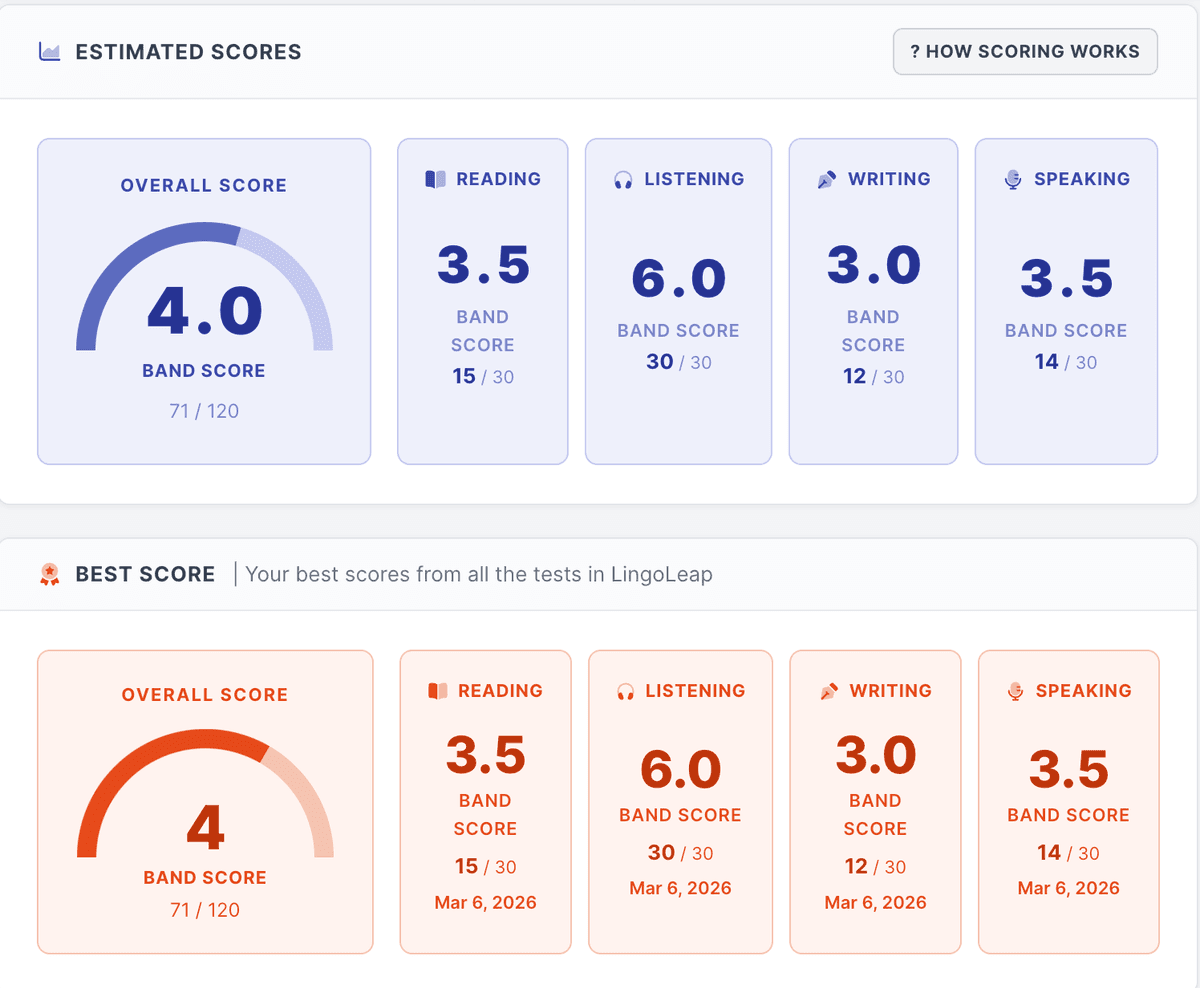 Score Report
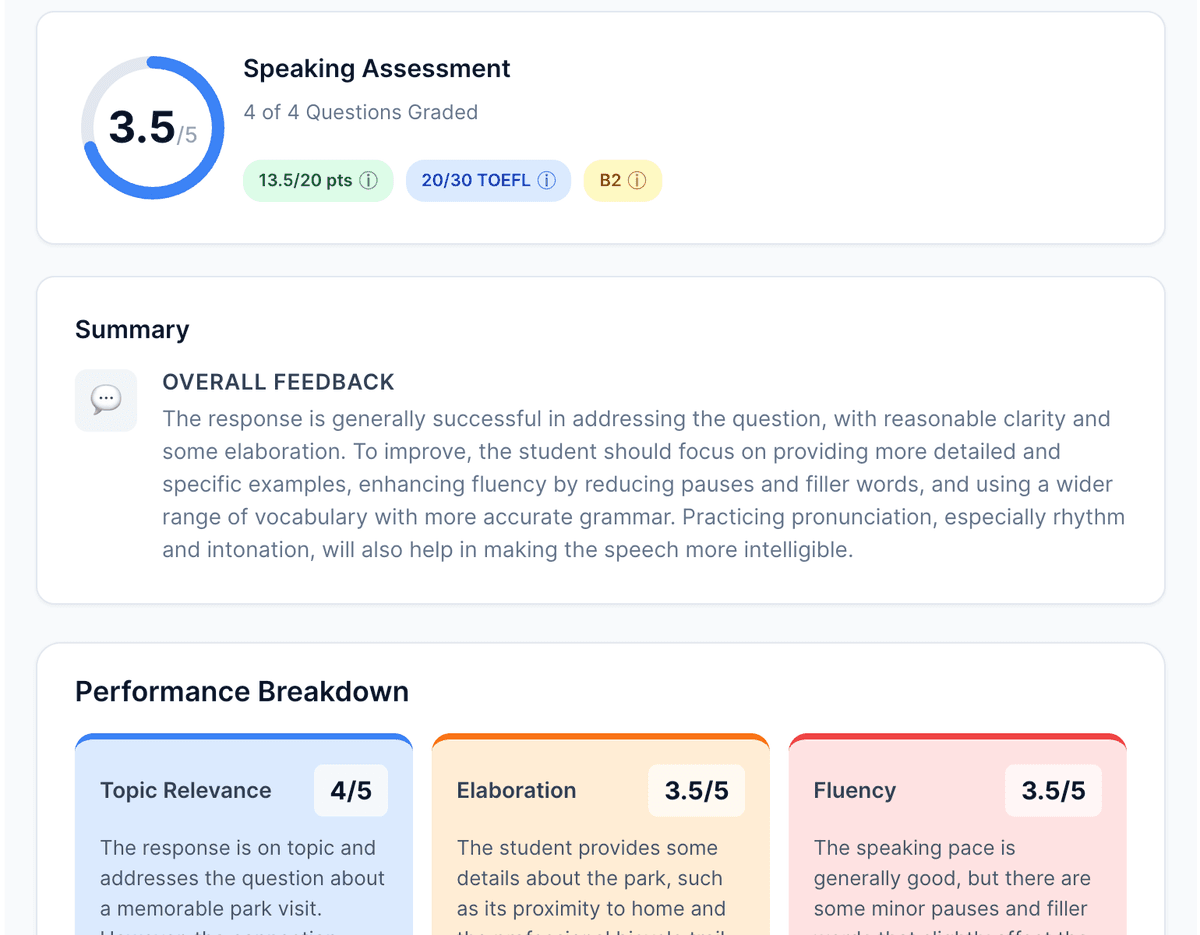 AI Speaking Score
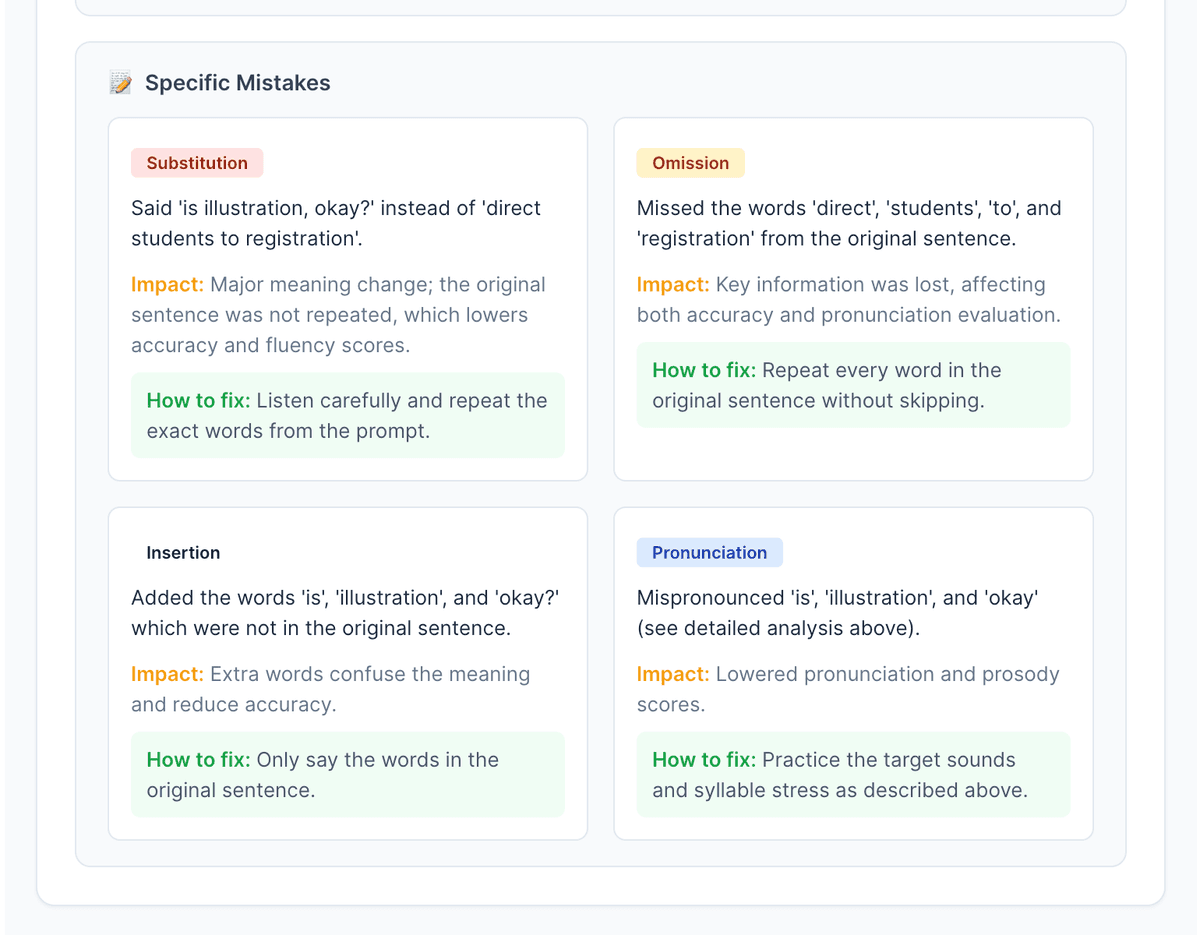 Mistake Analysis
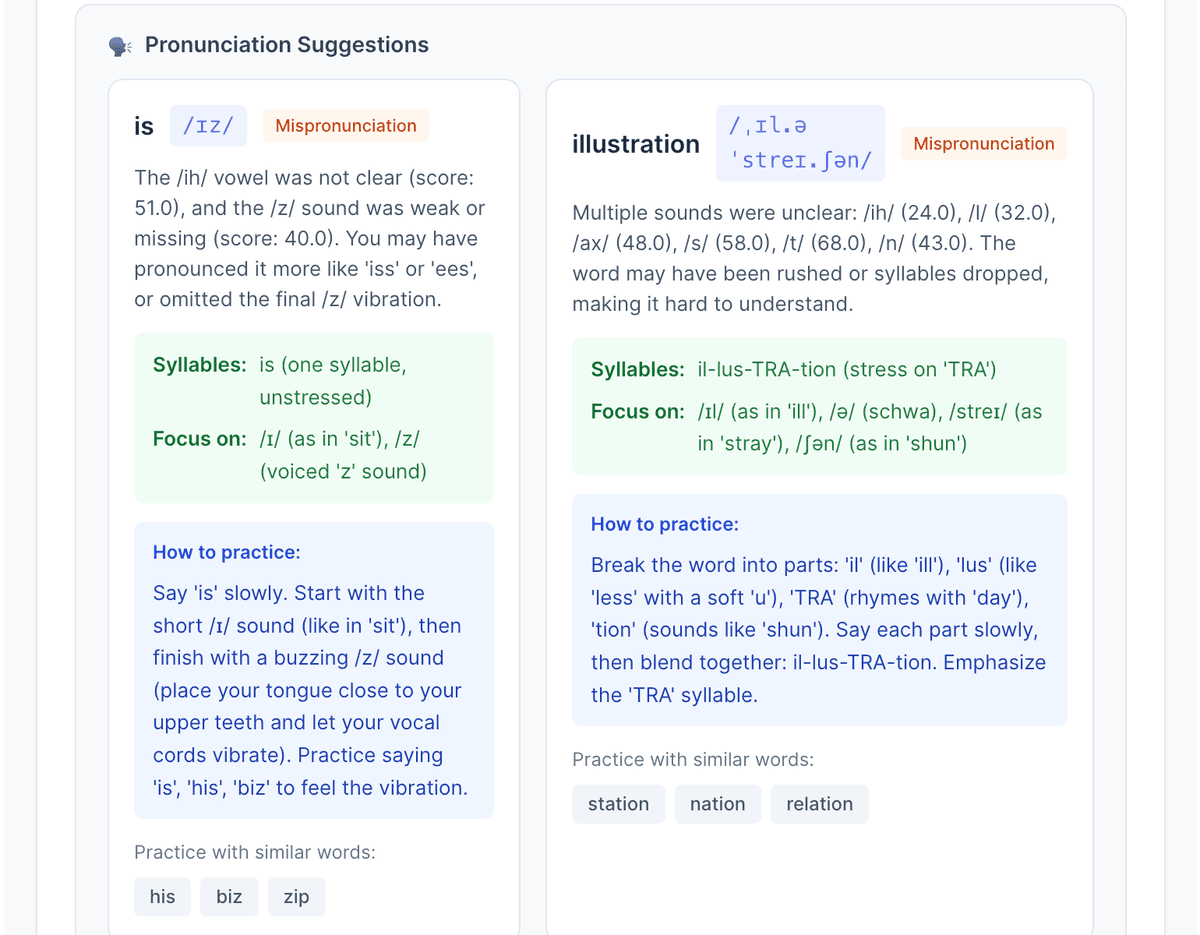 Pronunciation Feedback
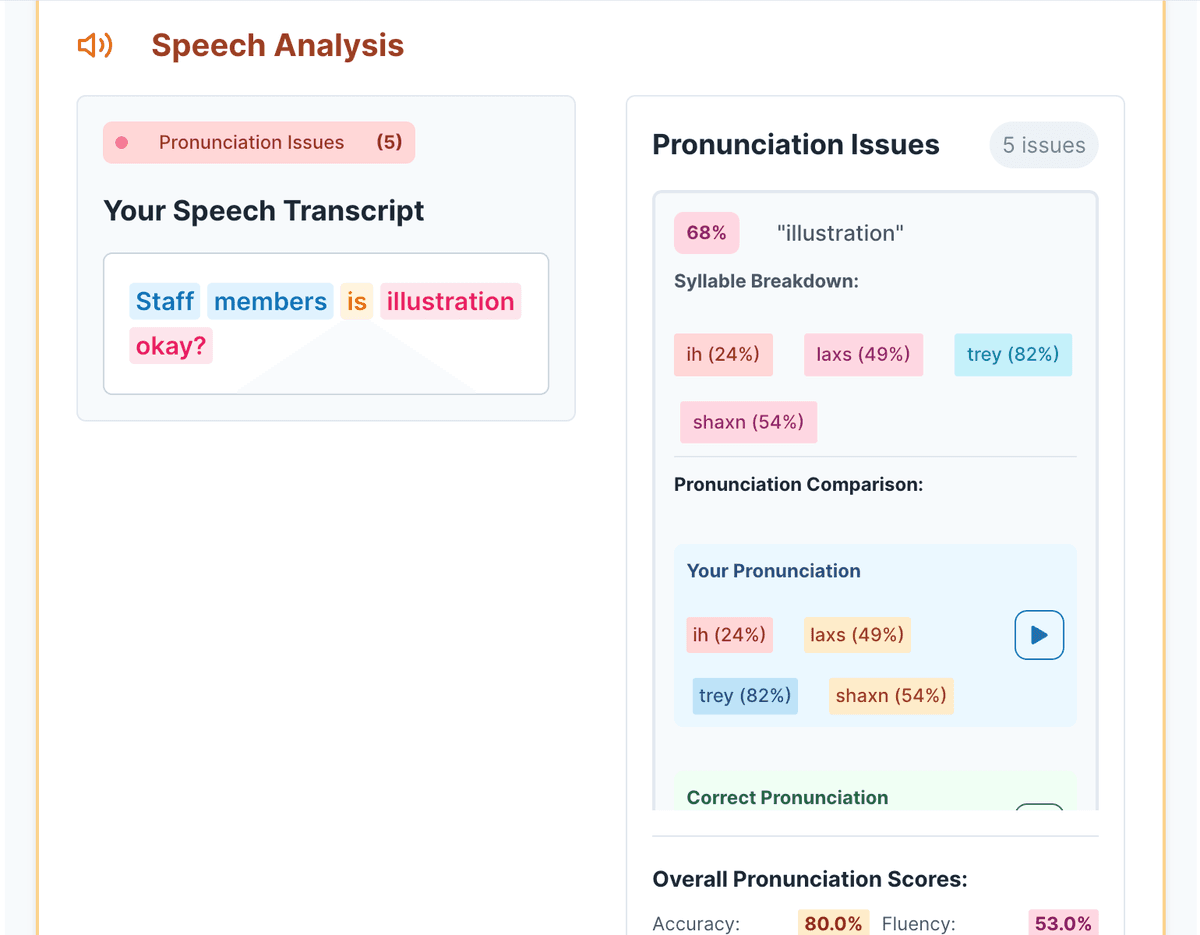 Speech Analysis
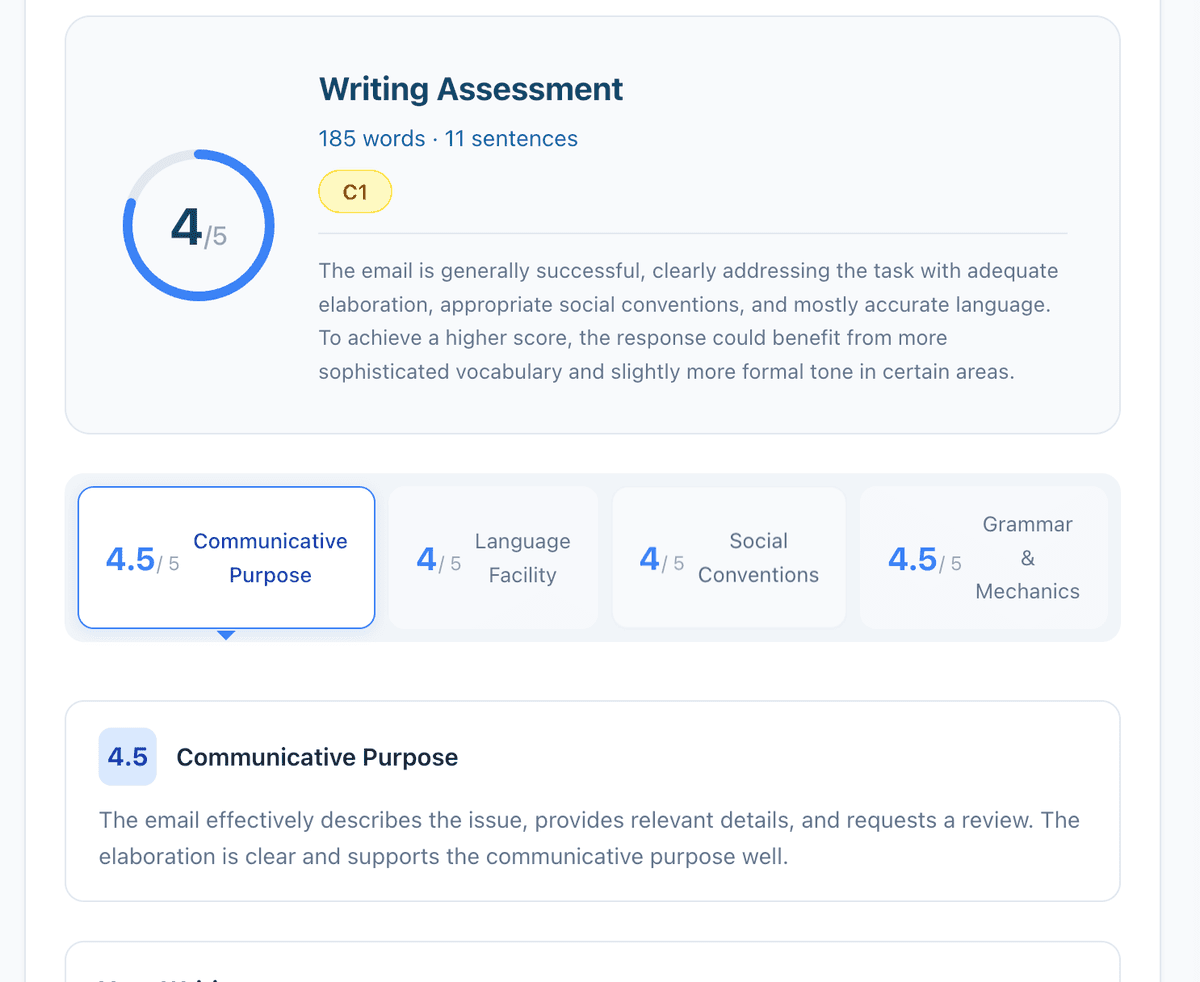 AI Writing Score
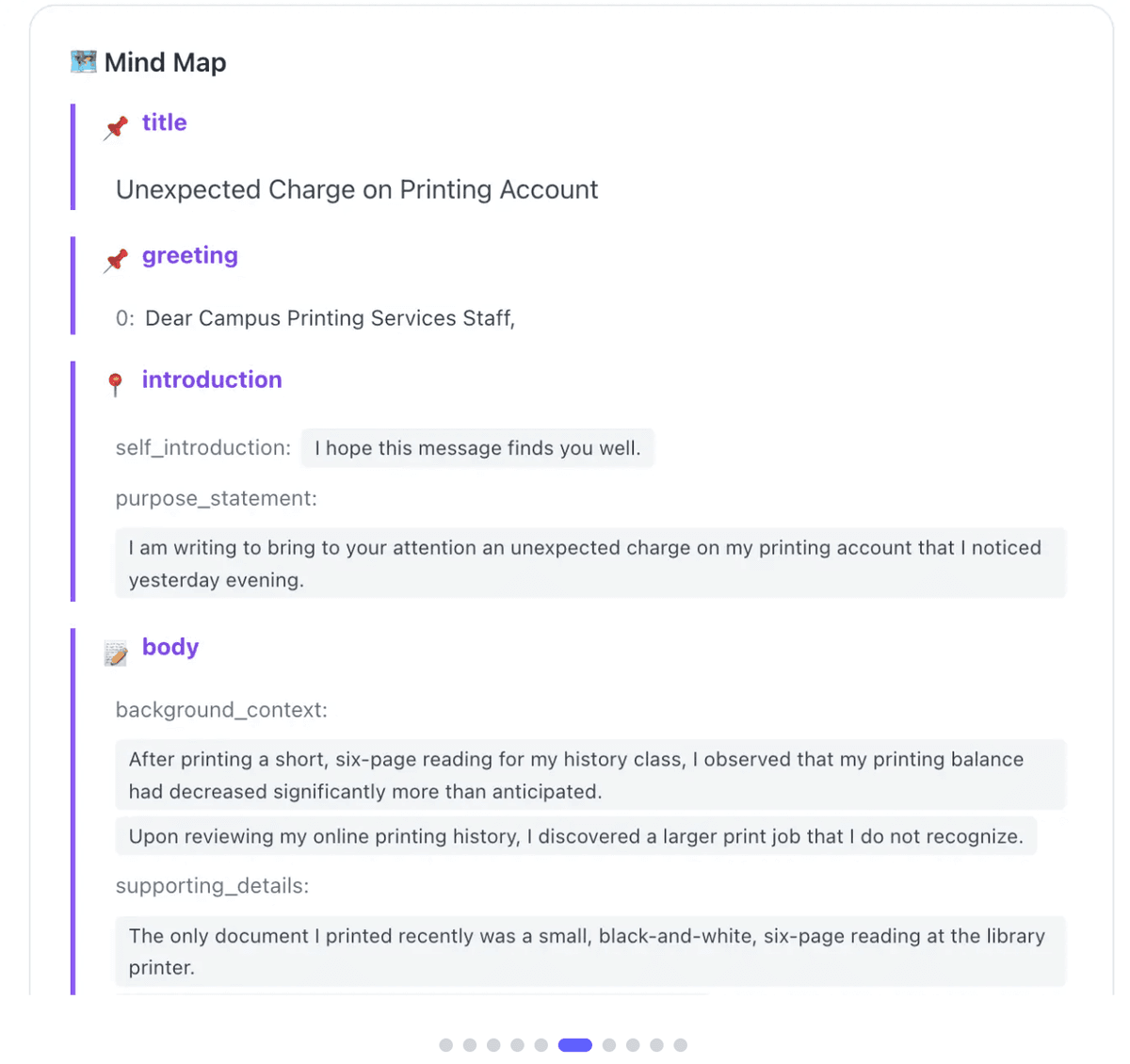 Article Structure Feedback
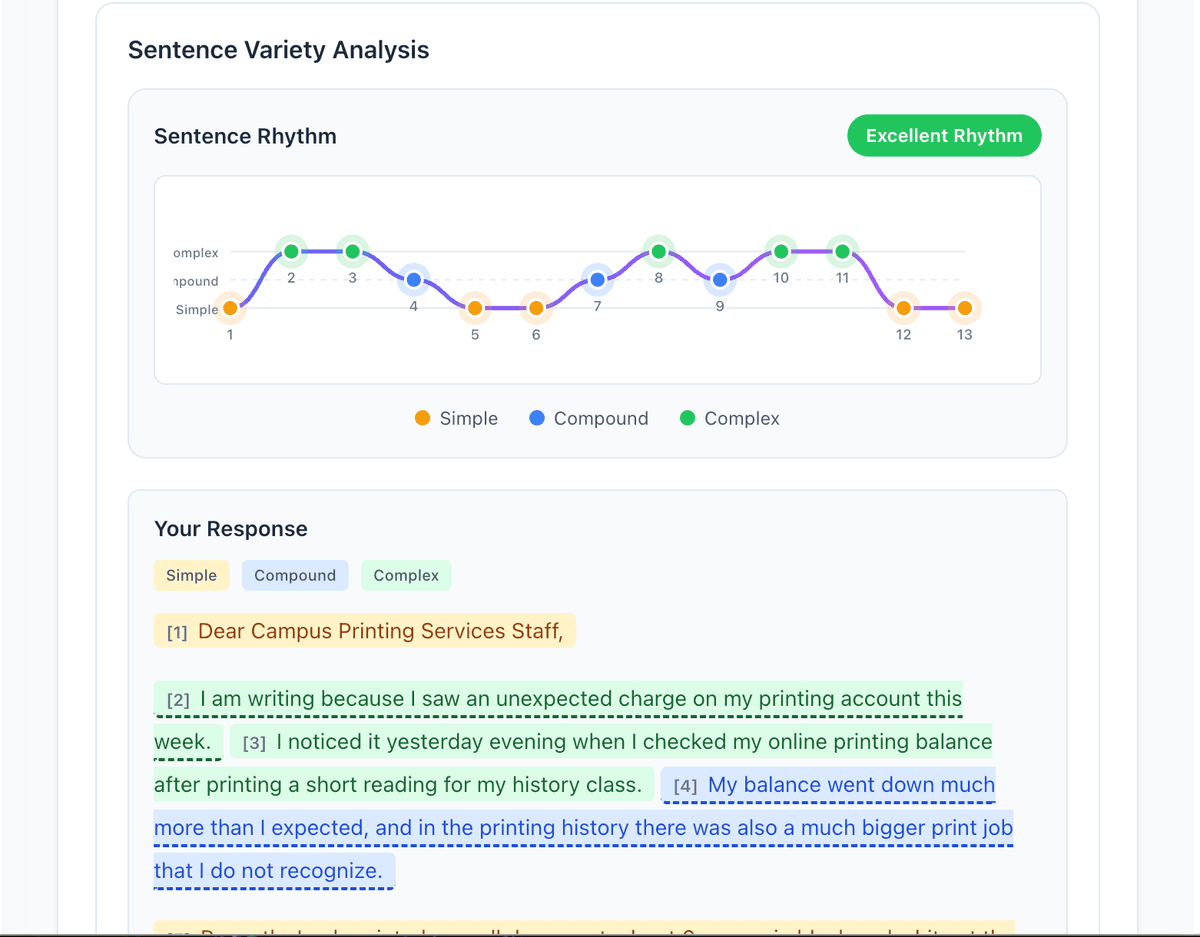 Sentence Variety
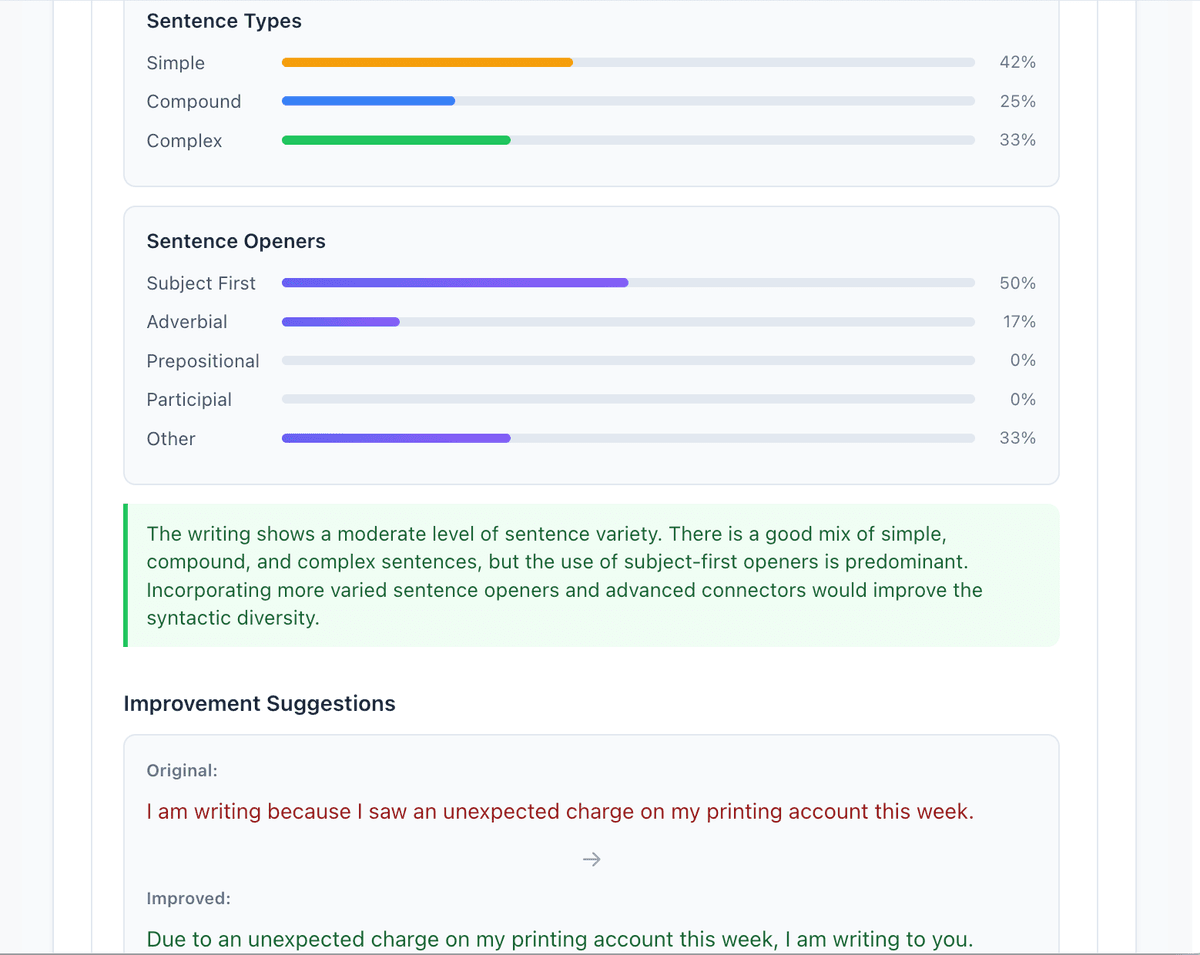 Improvement Suggestions
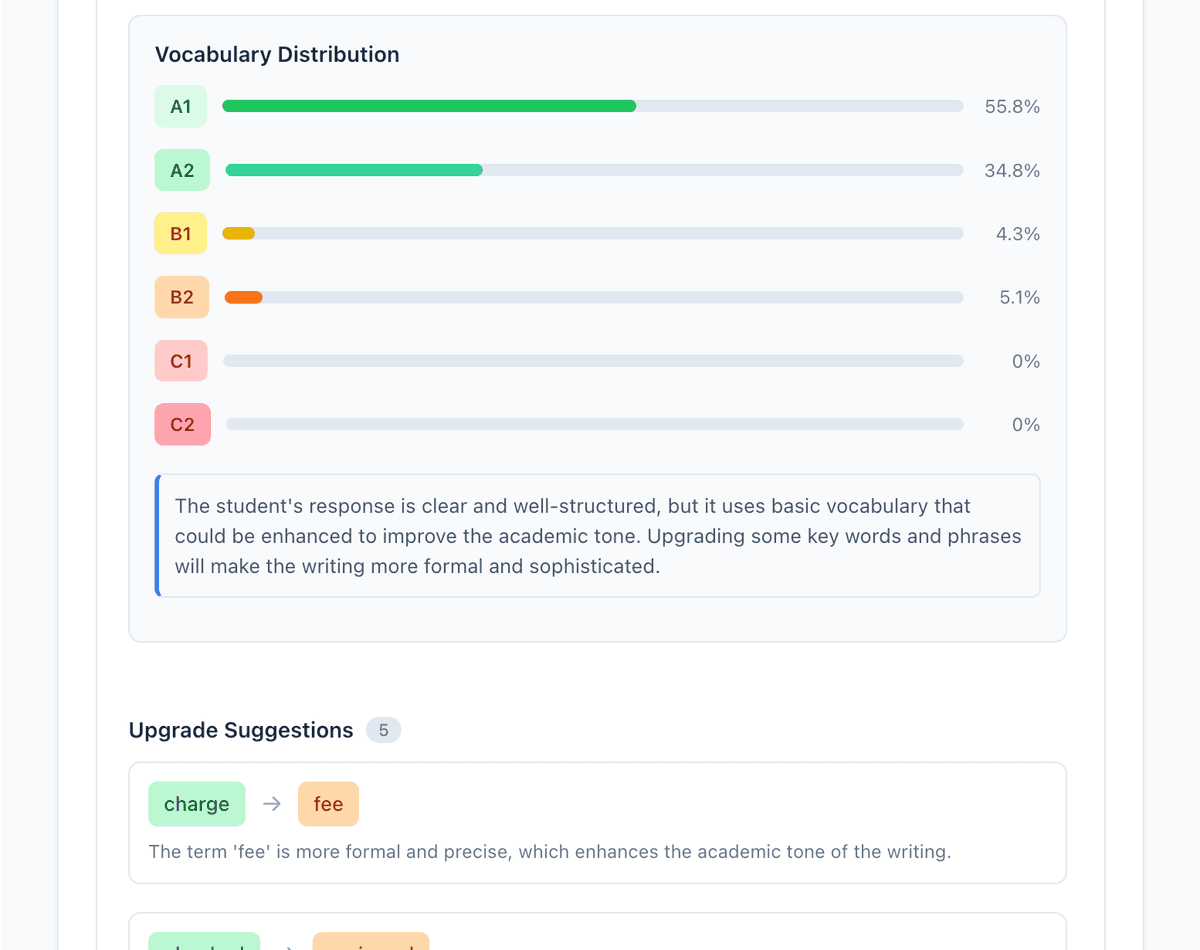 Vocabulary Feedback
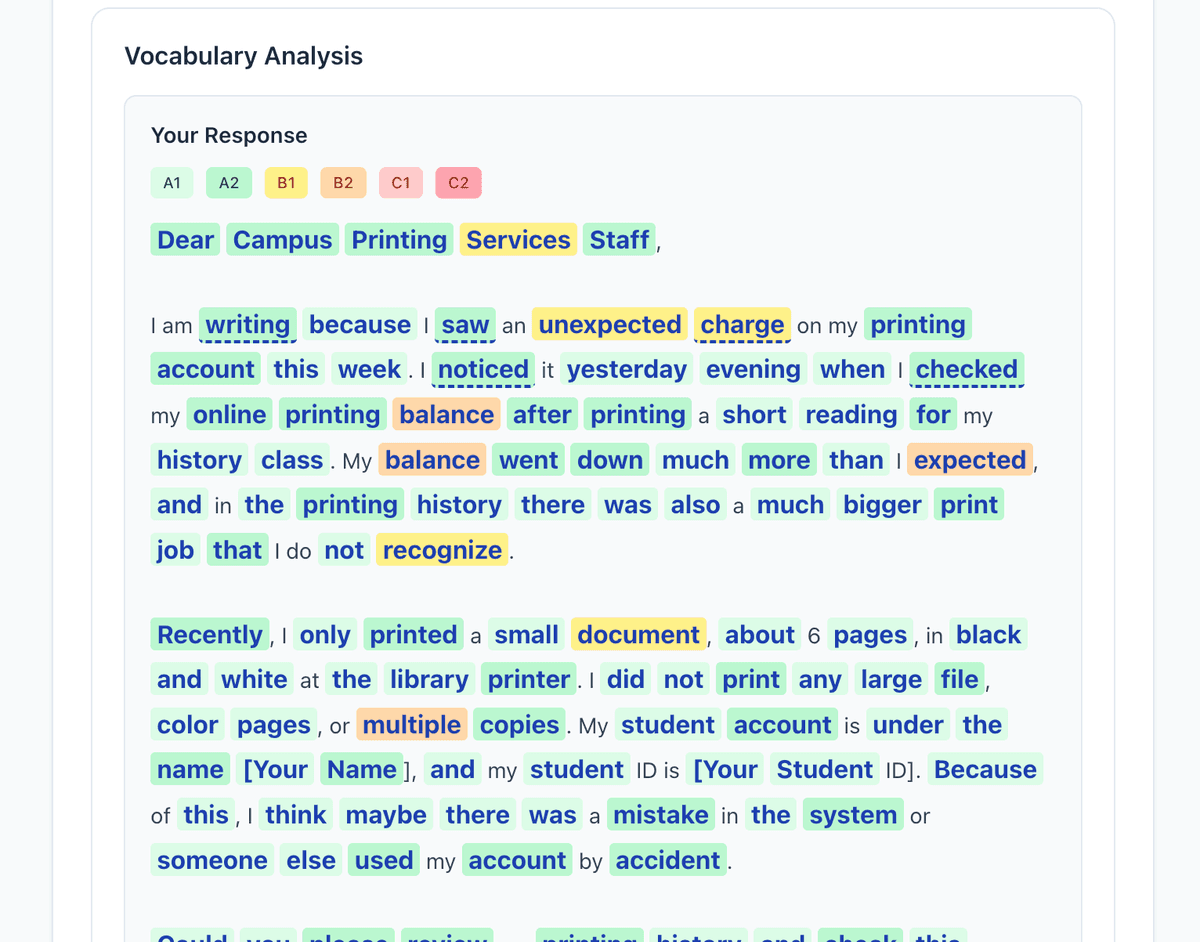 Vocabulary Analysis
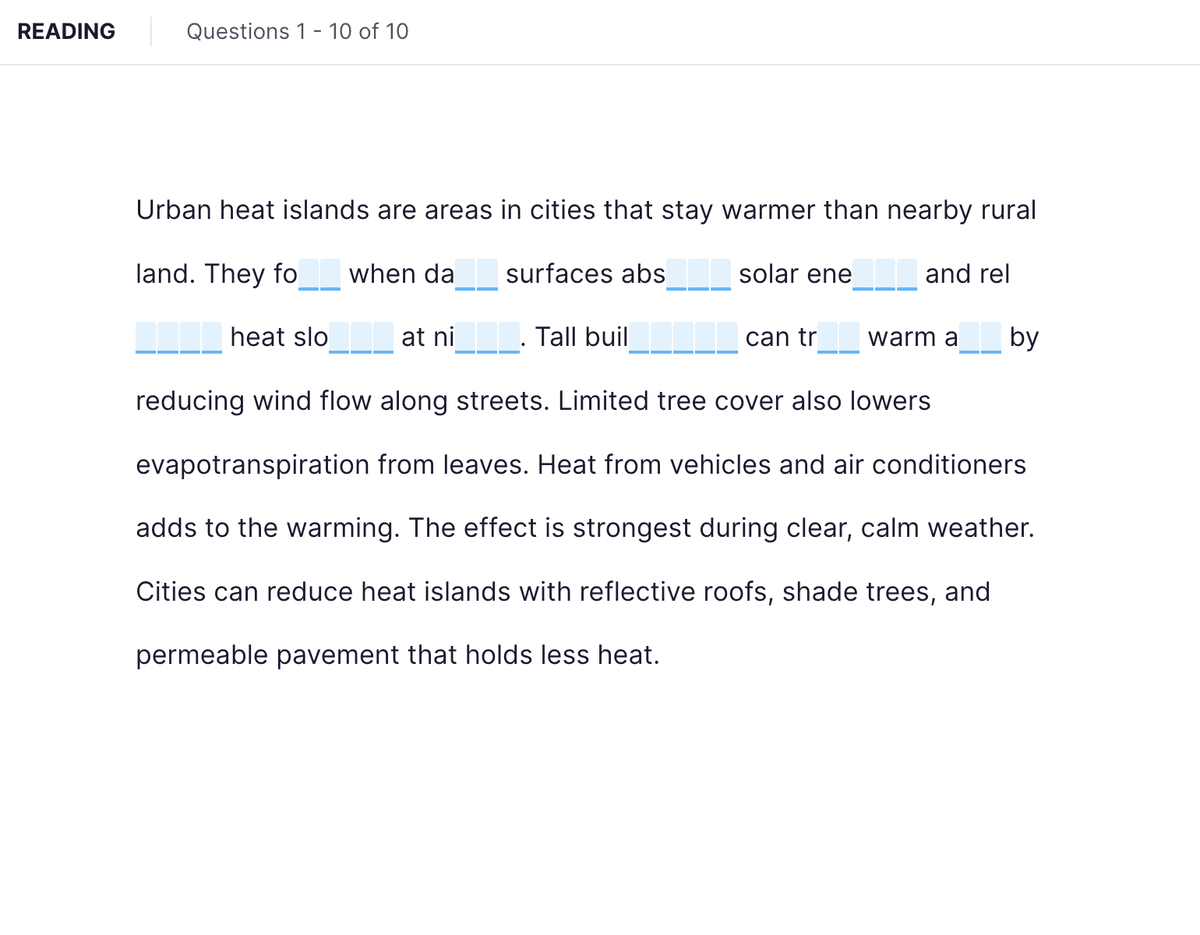 TOEFL 26 New: Reading
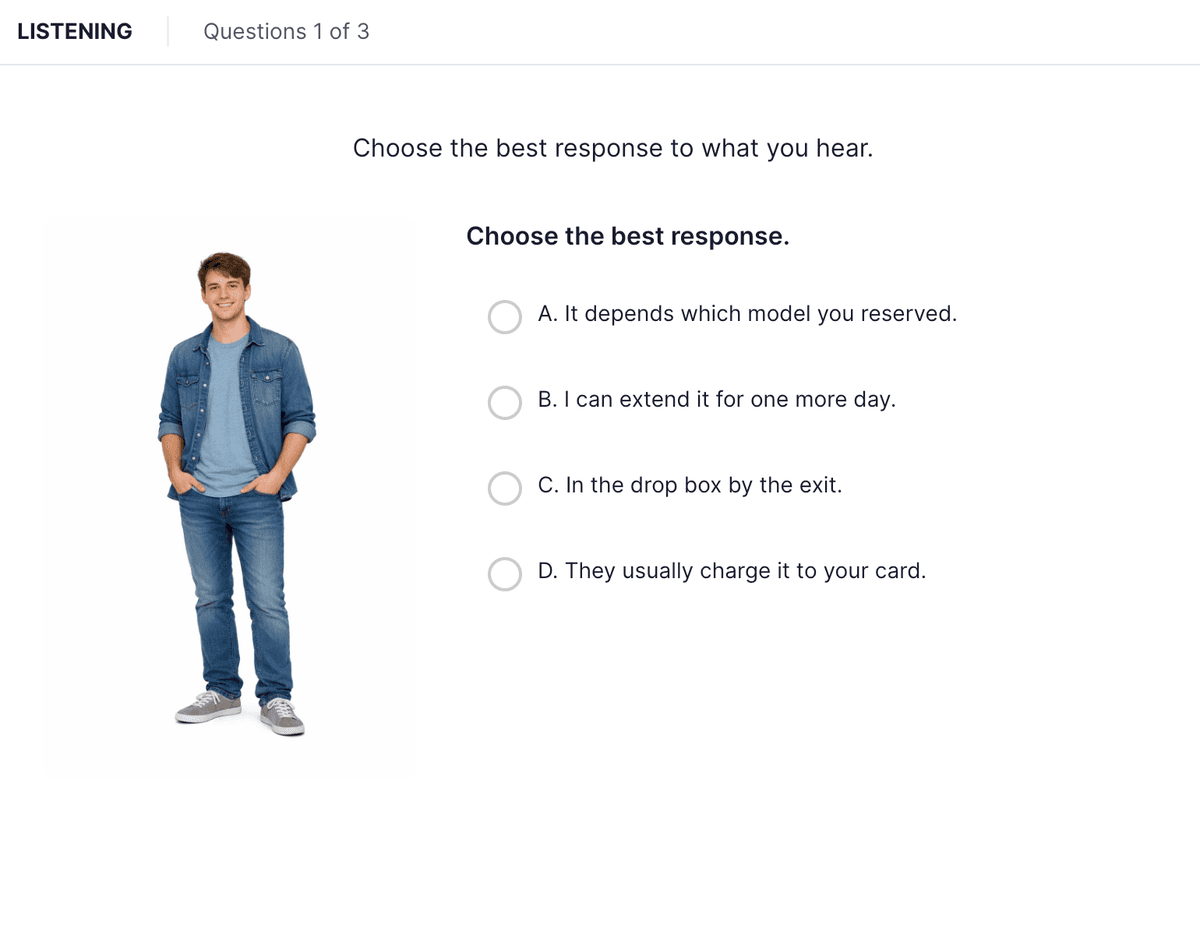 TOEFL 26 New: Listening
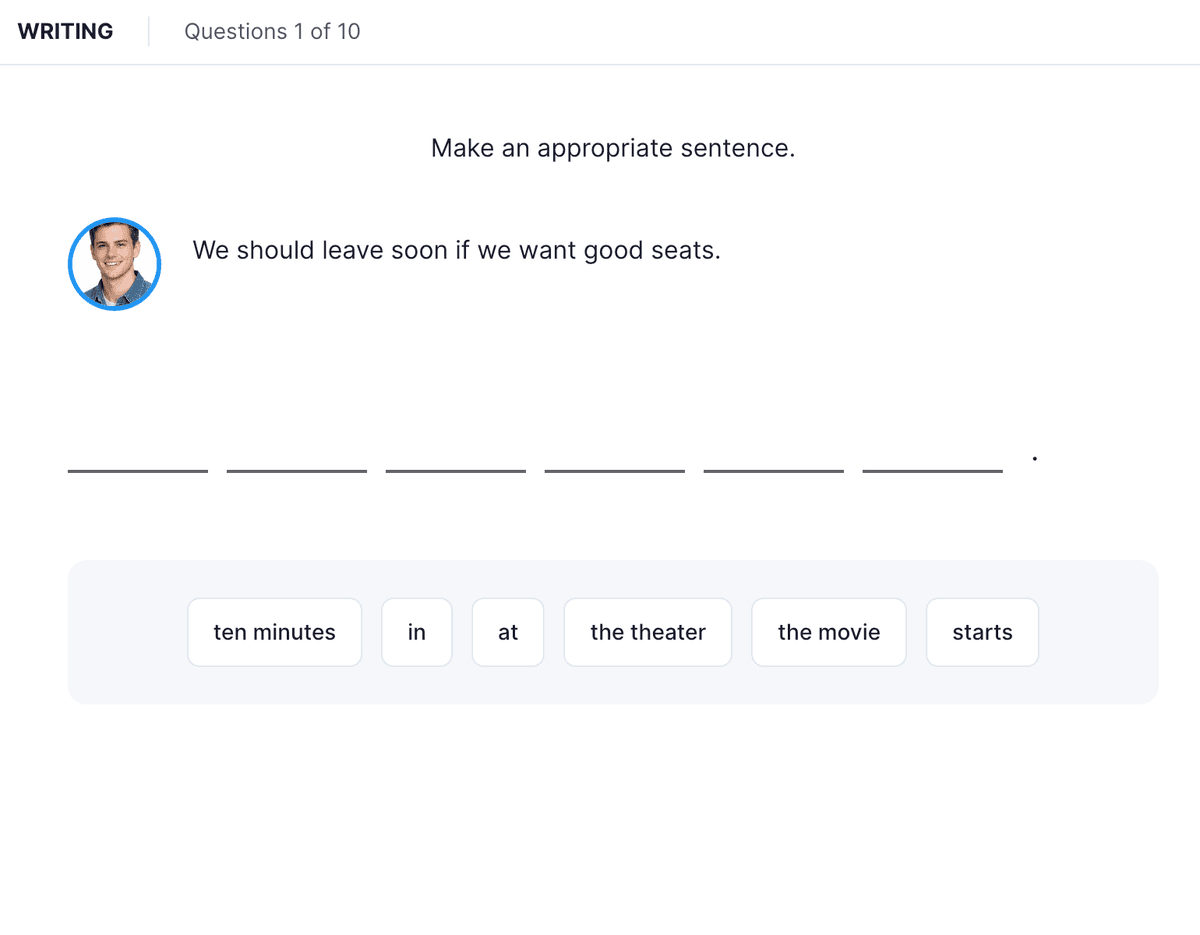 TOEFL 26 New: Writing
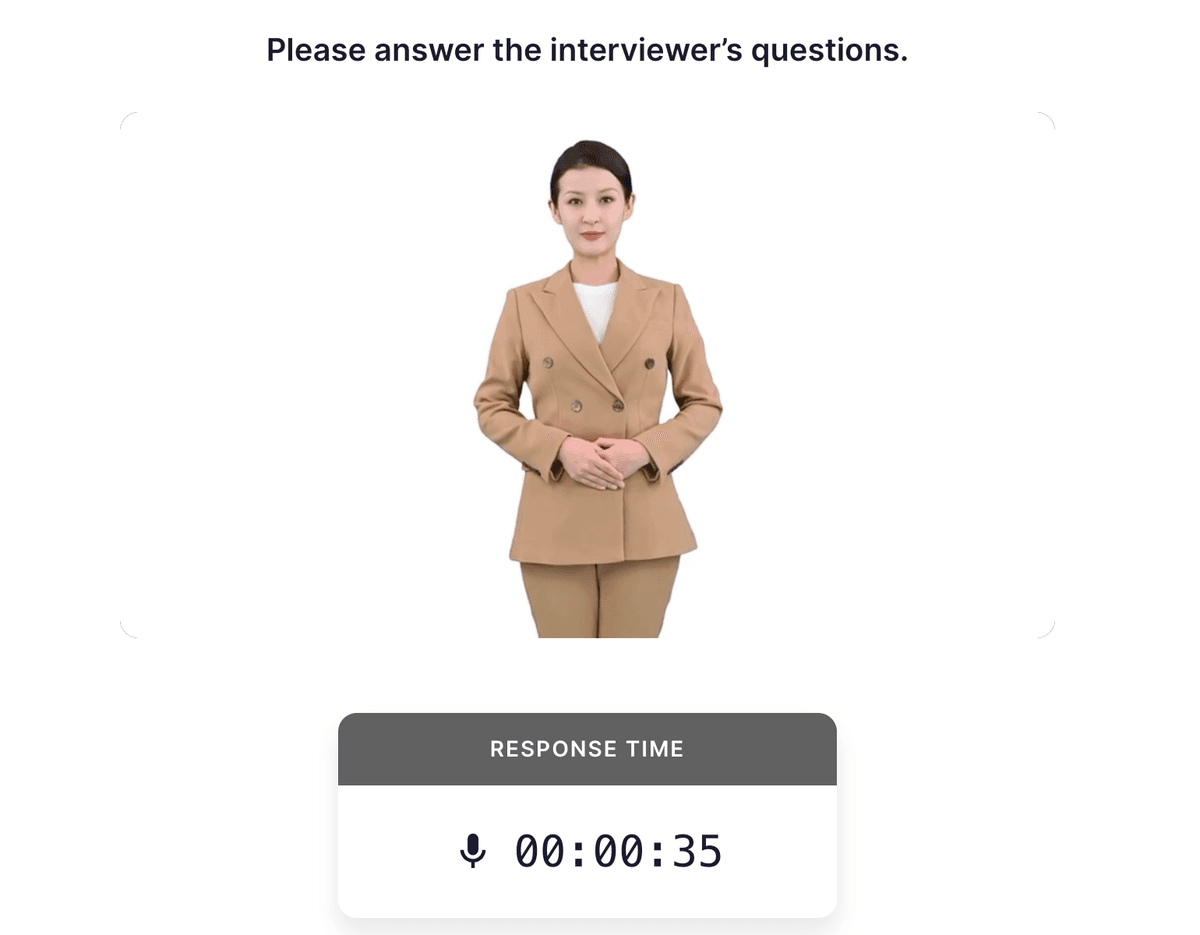 TOEFL 26 New: Speaking
Every TOEFL 2026 mock test in Lingoleap
These are the full-length mock tests the Lingoleap practice app publishes today, listed exactly as they appear inside it. Each one runs all four TOEFL 2026 sections in a single timed sitting, and each name below opens that test in the app.
Start here — free
Start with the free full mock (PQ26-1)
PQ26-1 is the free first test — the quickest way to try the real TOEFL 2026 format before you pick from the full catalogue below.
What to expect: one full, timed sitting across all four TOEFL 2026 sections — the Speaking section records your voice, so you'll need a microphone. PQ26-1 is free to take with a free account. Its scores are free too: every section, including the AI Speaking and Writing feedback, costs no credits.
Not ready for a full test? Try one free AI-graded question instead
104 published full-length mock tests · three sets
- Free with account16 tests
- Plus or Premium15 tests
- Premium73 tests
Access states are the app's own. It marks New TPO and Latest Questions Premium, and describes PQ26-16 to PQ26-30 as included with Plus and Premium; the rest of Practice Questions opens once you create a free account.
Practice Questions (PQ26)
Mixed access31 full-length tests
PQ26-1 to PQ26-15 and PQ26-75 open with a free account. PQ26-16 to PQ26-30 are the range the app sells as part of Plus and Premium.
- PQ26-1Take test →Darmowy testFree with account
- PQ26-2Take test →Free with account
- PQ26-3Take test →Free with account
- PQ26-4Take test →Free with account
- PQ26-5Take test →Free with account
- PQ26-6Take test →Free with account
- PQ26-7Take test →Free with account
- PQ26-8Take test →Free with account
- PQ26-9Take test →Free with account
- PQ26-10Take test →Free with account
- PQ26-11Take test →Free with account
- PQ26-12Take test →Free with account
- PQ26-13Take test →Free with account
- PQ26-14Take test →Free with account
- PQ26-15Take test →Free with account
- PQ26-16Take test →Plus or Premium
- PQ26-17Take test →Plus or Premium
- PQ26-18Take test →Plus or Premium
- PQ26-19Take test →Plus or Premium
- PQ26-20Take test →Plus or Premium
- PQ26-21Take test →Plus or Premium
- PQ26-22Take test →Plus or Premium
- PQ26-23Take test →Plus or Premium
- PQ26-24Take test →Plus or Premium
- PQ26-25Take test →Plus or Premium
- PQ26-26Take test →Plus or Premium
- PQ26-27Take test →Plus or Premium
- PQ26-28Take test →Plus or Premium
- PQ26-29Take test →Plus or Premium
- PQ26-30Take test →Plus or Premium
- PQ26-75Take test →Free with account
New TPO (TPO26)
Premium8 full-length tests
The app describes this set as exam-grade practice built for the 2026 format.
Latest Questions (EQ26)
Premium65 full-length tests
The app describes this set as its newest question sets, updated continuously.
- EQ26-1Take test →Premium
- EQ26-2Take test →Premium
- EQ26-3Take test →Premium
- EQ26-4Take test →Premium
- EQ26-5Take test →Premium
- EQ26-6Take test →Premium
- EQ26-7Take test →Premium
- EQ26-8Take test →Premium
- EQ26-9Take test →Premium
- EQ26-10Take test →Premium
- EQ26-11Take test →Premium
- EQ26-12Take test →Premium
- EQ26-13Take test →Premium
- EQ26-14Take test →Premium
- EQ26-15Take test →Premium
- EQ26-16Take test →Premium
- EQ26-17Take test →Premium
- EQ26-18Take test →Premium
- EQ26-19Take test →Premium
- EQ26-20Take test →Premium
- EQ26-21Take test →Premium
- EQ26-22Take test →Premium
- EQ26-23Take test →Premium
- EQ26-24Take test →Premium
- EQ26-25Take test →Premium
- EQ26-26Take test →Premium
- EQ26-27Take test →Premium
- EQ26-28Take test →Premium
- EQ26-29Take test →Premium
- EQ26-30Take test →Premium
- EQ26-31Take test →Premium
- EQ26-32Take test →Premium
- EQ26-33Take test →Premium
- EQ26-34Take test →Premium
- EQ26-35Take test →Premium
- EQ26-36Take test →Premium
- EQ26-37Take test →Premium
- EQ26-38Take test →Premium
- EQ26-39Take test →Premium
- EQ26-40Take test →Premium
- EQ26-41Take test →Premium
- EQ26-42Take test →Premium
- EQ26-43Take test →Premium
- EQ26-44Take test →Premium
- EQ26-45Take test →Premium
- EQ26-46Take test →Premium
- EQ26-47Take test →Premium
- EQ26-48Take test →Premium
- EQ26-49Take test →Premium
- EQ26-50Take test →Premium
- EQ26-51Take test →Premium
- EQ26-52Take test →Premium
- EQ26-53Take test →Premium
- EQ26-54Take test →Premium
- EQ26-55Take test →Premium
- EQ26-56Take test →Premium
- EQ26-58Take test →Premium
- EQ26-59Take test →Premium
- EQ26-60Take test →Premium
- EQ26-61Take test →Premium
- EQ26-62Take test →Premium
- EQ26-63Take test →Premium
- EQ26-64Take test →Premium
- EQ26-65Take test →Premium
- EQ26-66Take test →Premium
Each link opens that exact test in the practice app. The app asks you to sign in first, and tests marked Plus or Premium need the matching plan.
What one mock test contains
The app records a task-type list for every mock test. All four sections appear in all of them:
Reading
- Complete the Words
- Read in Daily Life
- Read an Academic Passage
Listening
- Listen and Choose a Response
- Conversation
- Announcement
- Academic Talk
Speaking
- Listen and Repeat
- Take an Interview
Writing
- Build a Sentence
- Write an Email
- Write for an Academic Discussion
One exception, listed rather than rounded away: TPO26-6 carries no Build a Sentence task. The other 103 tests carry the full task-type list.
Test names, counts and access states read from the practice app's own question list, route table and gate on 18 September 2026. Nothing on this list is an estimate. Lingoleap reports a practice band, not an official ETS score.
Czym jest test próbny TOEFL (egzamin próbny)?
Test próbny TOEFL, nazywany też egzaminem próbnym, mock testem lub symulacją egzaminu, to pełne, mierzone czasem podejście do TOEFL iBT w obecnym formacie: przeprojektowanego testu wprowadzonego 21 stycznia 2026 roku, z 12 nowymi typami zadań, wieloetapowym adaptacyjnym Reading i Listening oraz skalą wyników 1–6 zgodną z CEFR.
Materiały przygotowane pod test sprzed 2026 roku nie pozwalają przećwiczyć tej struktury. Każdy test próbny Lingoleap powstał pod format 2026: te same cztery sekcje, typy zadań i limity czasu, w jednym podejściu, zakończonym raportem z wynikiem próbnym.
Nowy format TOEFL 2026
Egzamin TOEFL 2026 składa się z 4 sekcji: Reading, Listening, Writing i Speaking. Szacowany czas trwania egzaminu to poniżej 2 godzin. Czas nie obejmuje instrukcji. Ponieważ test jest adaptacyjny, czas trwania i liczba pytań mogą się różnić.
Reading
~30 min
~50 pytań
Wieloetapowe testowanie adaptacyjne w dwóch modułach
Listening
~29 min
~47 pytań
Wieloetapowe testowanie adaptacyjne w dwóch modułach
Writing
~23 min
12 pytań
Format liniowy — te same zadania dla wszystkich zdających
Speaking
~8 min
11 pytań
Format liniowy — te same zadania dla wszystkich zdających
Wszystkie typy zadań TOEFL 2026
Reading
- Complete the Words
- Read in Daily Life
- Read an Academic Passage
8 typów pytań: Factual & Negative Factual, Vocabulary, Select the Sentence, Sentence Simplification, Reference, Inference, Rhetorical Purpose, Insert Text
Listening
- Listen and Choose a Response
- Listen to a Conversation
- Listen to an Announcement
- Listen to an Academic Talk
6 typów pytań: Main Idea, Factual, Inference, Purpose, Method, Attitude
Writing
- Build a Sentence
- Write an Email
- Write for an Academic Discussion
Format liniowy — ocena na podstawie celu komunikacyjnego, składni, doboru słów, konwencji społecznych i poprawności
Speaking
- Listen and Repeat
- Take an Interview
Format liniowy — ocena na podstawie prezentacji (wyrazistość, płynność), użycia języka (gramatyka, słownictwo) i rozwinięcia wypowiedzi
Sekcje Reading i Listening wykorzystują wieloetapowe testowanie adaptacyjne — Twoje wyniki w Module 1 określają poziom trudności Modułu 2. Zapewnia to bardziej spersonalizowane doświadczenie i pozwala dokładniej oraz efektywniej zmierzyć Twoje umiejętności.
Dlaczego warto wybrać testy próbne TOEFL 26 od Lingoleap
Większość materiałów przygotowawczych do TOEFL wciąż opiera się na starym formacie egzaminu. Lingoleap jest stworzony specjalnie pod format TOEFL 2026.
 Pełne testy próbne obejmujące wszystkie 12 oficjalnych typów zadań TOEFL 2026
- Wieloetapowe adaptacyjne Reading i Listening odwzorowujące prawdziwy egzamin
- Ocena AI dla Speaking i Writing zgodna z oficjalnymi kryteriami ETS
- Jedna z największych dostępnych baz testów próbnych TOEFL 26
Większość materiałów przygotowuje do starego TOEFL. Lingoleap przygotowuje do nowego.
Pełne pokrycie typów zadań TOEFL 2026
Każdy test próbny TOEFL 26 od Lingoleap obejmuje wszystkie 12 oficjalnych typów zadań we wszystkich czterech sekcjach egzaminu — dokładnie tak, jak na prawdziwym teście.
Reading
- Complete the Words
Uzupełnianie brakujących fragmentów słów w krótkim akapicie akademickim
- Read in Daily Life
Czytanie tekstów praktycznych, takich jak e-maile, ogłoszenia czy posty w mediach społecznościowych
- Read an Academic Passage
Przeczytanie krótkiego tekstu akademickiego (~200 słów) i udzielenie odpowiedzi na 5 pytań
Listening
- Listen and Choose a Response
Wysłuchanie krótkiego pytania lub stwierdzenia i wybranie najlepszej odpowiedzi spośród 4 opcji
- Listen to a Conversation
Odpowiadanie na pytania dotyczące krótkich rozmów z życia kampusu między 2 rozmówcami
- Listen to an Announcement
Odpowiadanie na pytania dotyczące ogłoszeń w klasie lub na kampusie
- Listen to an Academic Talk
Odpowiadanie na pytania dotyczące krótkich wykładów akademickich na różne tematy
Writing
- Build a Sentence
Układanie słów i wyrażeń w celu utworzenia zdania w krótkim dialogu
- Write an Email
Napisanie e-maila w określonym celu, np. rekomendacja, zaproszenie lub zaproponowanie rozwiązania
- Write for an Academic Discussion
Przeczytanie posta profesora i 2 odpowiedzi studentów, a następnie napisanie własnej wypowiedzi (100+ słów)
Speaking
- Listen and Repeat
Powtórzenie 7 wypowiedzianych zdań o rosnącej długości i złożoności
- Take an Interview
Udzielenie odpowiedzi na 4 pytania w symulowanej rozmowie akademickiej (45 s na każde)
Wieloetapowe testowanie adaptacyjne — tak jak na prawdziwym TOEFL 2026
Testy próbne Lingoleap odwzorowują wieloetapową strukturę adaptacyjną prawdziwego TOEFL. Twoje wyniki w Module 1 określają trudność Modułu 2, dokładnie jak na rzeczywistym egzaminie.
Realistyczny przebieg testu
Doświadcz tego samego adaptacyjnego przebiegu co na prawdziwym TOEFL 2026 — wyniki w Module 1 wyznaczają trudność Modułu 2
Ćwiczenie na wielu poziomach
Ćwicz zarówno łatwiejsze, jak i trudniejsze moduły, aby budować pewność siebie i dokładność na każdym poziomie
Prawdziwy wgląd w wyniki
Poznaj swój rzeczywisty potencjał punktowy dzięki adaptacyjnej logice oceniania i przeliczaniu wyników surowych na skalowane
Ocena AI dla Speaking i Writing
Otrzymuj natychmiastową, szczegółową informację zwrotną do każdej odpowiedzi Speaking i Writing — zgodną z oficjalnymi kryteriami oceniania ETS. Każda odpowiedź jest oceniana holistycznie w skali 0–5.
Ocena Speaking
Listen and Repeat
- Dokładność powtórzenia
- Zrozumiałość
- Wymowa
Take an Interview
- Prezentacja (wyrazistość, płynność, wymowa, intonacja)
- Użycie języka (zakres i poprawność gramatyki i słownictwa)
- Rozwinięcie wypowiedzi (trafność tematu, dobrze uzasadnione argumenty)
Ocena Writing
Write an Email
- Rozwinięcie wspierające cel komunikacyjny
- Różnorodność składniowa i precyzyjny, idiomatyczny dobór słów
- Odpowiednie konwencje społeczne (uprzejmość, rejestr, formalność)
- Poprawność leksykalna i gramatyczna
Write for an Academic Discussion
- Trafne, dobrze rozwinięte wyjaśnienia i przykłady
- Różnorodność struktur składniowych i precyzyjny, idiomatyczny dobór słów
- Poprawność leksykalna i gramatyczna
Accuracy and transparency
How Accurate Is This TOEFL Practice Test Score?
Every practice-test site says its scores are accurate. Almost none says how the number is produced or what has actually been checked. Here is the full answer for Lingoleap — including what we have not verified yet.
What we know
- Reading and Listening are scored against a fixed answer key, so those bands are as reliable as the question set is representative of the real test.
- Writing and Speaking responses are scored 0–5 by a language model against the dimensions of the published ETS scoring guides — the same criteria the Speaking and Writing evaluation section above lists.
- Every band on your report comes from one fixed rule set — the tables and formulas printed further down this page — so the same answers always produce the same band.
What we have not verified
- We have not yet published a comparison of Lingoleap bands against learners' official ETS score reports. Until that verified sample exists and is large enough, we do not quote a correlation, an accuracy percentage or a margin of error — any such number would be invented.
- ETS has not released a raw-to-band conversion for the 2026 test. Our Reading and Listening table is a Lingoleap estimate and is labelled as one below.
- The real test equates scores across forms and adaptive paths with Item Response Theory; our engine uses a simpler lookup table. The two can disagree, most likely at band boundaries.
What to do with the estimate
- Treat one mock band as a range, not a point. Read the section bands and the task-type accuracy under them — those move first and are what you can practise.
- Track direction across three to five mocks spaced two to three weeks apart, rather than certifying a single sitting.
- For admissions, only an ETS score counts. Check your target school's published minimum with the Score Calculator, and treat the last mock as a dress rehearsal, not a prediction.
The method we will use to publish calibration figures — who counts, which mock counts, what gets excluded — is already written down on the how-it-works page. The figures will appear there, with their sample size, once the verified sample exists.
See the calibration method →Wondering whose AI to trust on the 2026 test in general? The AI tutor guide explains how ETS's own SpeechRater and e-rater engines grade Speaking and Writing first, and how to rehearse against an AI scorer.
How the 2026 TOEFL is graded by AI →How Our Adaptive Practice Works
Reading and Listening in a Lingoleap mock run as a two-stage test, the structure ETS describes for the real exam. Here is exactly what our engine does — and, separately, what ETS has and has not said.
In a Lingoleap mock test
- 1
Router module
Every test-taker starts with the same router module in each section.
- 2
Routing
Your router performance sends you to a lower or an upper Stage 2 module. The two modules are built differently, which is why the number of items you see varies from mock to mock. The routing threshold is an engine setting we do not publish on this page.
- 3
One band table, defined for the upper module
Correct answers across both stages are counted, normalised to a 35-point basis, and looked up in the section's band table. The table is defined for the upper module.
- 4
Lower-module adjustment
A sitting routed to the lower module is placed one step down that table for the same normalised count. So in our engine the lower path cannot reach the top band — that is a Lingoleap simplification, not an ETS rule, and it is the one place our scoring is deliberately more conservative than the real test.
Adaptive routing: what ETS has published vs what prep sites assert
| Question | What ETS has published | What prep sites assert |
|---|---|---|
| Structure | Reading and Listening are “designed as two-stage adaptive tests”; Writing and Speaking are linear, with every test-taker on a form getting the same tasks (2026 Test Blueprint, note 5). | The same. This part is not in dispute. |
| Routing | “Based on their performance on the first module, test takers will get a second module where the difficulty of the test tasks matches their ability level.” No routing threshold is published (Teacher FAQ, Q9). | Specific thresholds — “get the first ten questions wrong and you are routed down” — none of which cites an ETS source. |
| How the score is produced | The section score “takes into consideration the total number of questions answered correctly across the two stages or modules as well as the difficulty level of questions”, converted by IRT equating so that a reported score “reflects the same level of language ability, regardless of which second stage was taken” (Teacher FAQ). | A fixed raw-to-band table applied to both paths, or a flat penalty for the easier path. |
| The “ceiling” | ETS states no maximum band for the lower module. It says “the final score is based on both stages” and that item difficulty is accounted for — which means an easier item is worth less, not that a particular band is forbidden. Whether the easier module can reach 6.0 in practice is not something ETS has published either way. | “A perfect score on the easier Stage 2 caps you at 4.0”, or “below 5.0” — the figure differs from site to site and none cites ETS. |
| Unscored items | Reading and Listening item counts “include non-scored items” used to gather data for future forms (Blueprint, note 1). | Rarely mentioned; item counts are usually quoted as if every item scored. |
ETS sources: TOEFL iBT 2026 Test Blueprint and Specifications (PDF) · Teacher FAQ for TOEFL iBT Enhancements (PDF)
Quotations are from those two ETS documents as read on 16 September 2026. Where this page says ETS has not published something, we mean we could not find it in either document or on ets.org — not that no such rule exists internally.
How the Band Is Produced, Section by Section
The whole path from your answers to the 1–6 band, with nothing hidden. These are the rules our score report runs on.
Reading
Scored by: Answer key- 1Every item is compared with the reference answer: right or wrong, no partial credit.
- 2Correct answers across the router and your Stage 2 module are summed and scaled to a 35-point basis: points = round(correct ÷ items × 35).
- 3The points are looked up in the Reading band table below. Lower-module sittings drop one step.
Listening
Scored by: Answer key- 1The same answer-key grading and 35-point scaling as Reading.
- 2The Listening table has its own boundaries: 80% accuracy is a 5.0 in Reading, but 71% is a 4.5 in Listening. That is why two sections at similar accuracy can show different bands.
Writing
Scored by: Answer key + AI- 1Build a Sentence: each item is scored right or wrong against the accepted word orderings. No model is involved.
- 2Write an Email and Write for an Academic Discussion: each response is scored 0–5 by a language model against the dimensions of the ETS scoring guide for that task.
- 3Section band = (points earned ÷ points available) × 5 + 1, rounded to the nearest 0.5.
Speaking
Scored by: AI- 1Listen and Repeat (7 items) and Take an Interview (4 items): your recording is transcribed and measured for pronunciation and fluency, then a model scores each response 0–5 against the rubric dimensions.
- 2Section band = (points earned ÷ points available) × 5 + 1, rounded to the nearest 0.5.
Overall band = the plain average of the four section bands, rounded to the nearest 0.5. The 0–120 “traditional” figure on the report is each section's accuracy scaled to 0–30 and summed; it exists only for comparing against university pages that still quote the old scale.
Raw Correct to Band: Reading and Listening
Lingoleap estimate — not an ETS tableBasis: these are the exact lookup tables our score report uses, defined on a 35-point normalised scale (points = round(correct ÷ items × 35)). ETS has published no raw-to-band conversion for the 2026 test, and real scores are IRT-equated for form and module difficulty, so treat every band here as a practice estimate. The approximate-accuracy column is the points range divided by 35.
Reading
| Band | Points (of 35) | Approx. accuracy |
|---|---|---|
| 6.0 | 34–35 | ≈ 97–100% |
| 5.5 | 32–33 | ≈ 91–94% |
| 5.0 | 28–31 | ≈ 80–89% |
| 4.5 | 25–27 | ≈ 71–77% |
| 4.0 | 18–24 | ≈ 51–69% |
| 3.5 | 12–17 | ≈ 34–49% |
| 3.0 | 8–11 | ≈ 23–31% |
| 2.5 | 7 | ≈ 20% |
| 2.0 | 6 | ≈ 17% |
| 1.0 | 0–5 | ≈ 0–14% |
Listening
| Band | Points (of 35) | Approx. accuracy |
|---|---|---|
| 6.0 | 34–35 | ≈ 97–100% |
| 5.5 | 32–33 | ≈ 91–94% |
| 5.0 | 29–31 | ≈ 83–89% |
| 4.5 | 25–28 | ≈ 71–80% |
| 4.0 | 23–24 | ≈ 66–69% |
| 3.5 | 18–22 | ≈ 51–63% |
| 3.0 | 13–17 | ≈ 37–49% |
| 2.5 | 11–12 | ≈ 31–34% |
| 2.0 | 8–10 | ≈ 23–29% |
| 1.5 | 6–7 | ≈ 17–20% |
| 1.0 | 0–5 | ≈ 0–14% |
Worked example from our sample report: 28 of 35 Reading items correct → 28 points → Band 5.0. 32 of 45 Listening items correct → 24.9, rounded to 25 points → Band 4.5.
Lower-module sittings: one step down the table for the same points.
Przykładowe pytania TOEFL iBT (format 2026)
Rozgrzej się na tych darmowych przykładowych pytaniach wzorowanych na TOEFL iBT 2026 — po jednym z każdej sekcji. Odsłoń odpowiedź i wyjaśnienie, a gdy będziesz gotowy, zacznij pełny test próbny.
Read the short academic passage, then answer the question.
Bioluminescence — the production of light by living organisms — is common in the deep ocean, where sunlight never reaches. Many creatures use it to attract prey, confuse predators, or signal to potential mates. The light is produced by a chemical reaction between a molecule called luciferin and the enzyme luciferase. Because the reaction gives off almost no heat, scientists describe the light as "cold light."
According to the passage, why is bioluminescent light described as "cold light"?
- AIt is only found in cold, deep water.
- BThe chemical reaction releases very little heat.
- CIt appears blue rather than red or orange.
- DIt is produced only at night.
▸Pokaż odpowiedź i wyjaśnienie
Odpowiedź: B — The chemical reaction releases very little heat.
The final sentence states the reaction "gives off almost no heat," which is why it is called cold light. Option A confuses where the organisms live with why the light is cold; C and D add details the passage never mentions. Factual questions like this reward locating the exact supporting sentence rather than relying on outside knowledge.
Type the missing letters to complete the word so the sentence makes sense.
Regular exercise can signi______ reduce the risk of heart disease.
▸Pokaż odpowiedź i wyjaśnienie
Odpowiedź: significantly
"Complete the Words" gives you the first letters and the length of a word and asks you to finish it from context. Here the sentence needs an adverb describing how much exercise reduces risk — "significantly." Read the whole sentence first, decide the part of speech, then fit a word that starts with the letters shown.
On the real test you would hear this talk once. Read the transcript excerpt, then answer.
Professor: "So when we talk about the 'urban heat island' effect, we mean that cities tend to be several degrees warmer than the countryside around them. The main reason is surface material. Asphalt and concrete absorb heat during the day and release it slowly at night — unlike soil and vegetation, which cool down much faster. That's why a city can still feel warm hours after sunset."
What is the main cause of the urban heat island effect, according to the professor?
- ACities are located in naturally warmer regions.
- BBuildings block cooling wind from reaching streets.
- CPaved surfaces absorb and slowly release heat.
- DThere are more people generating body heat.
▸Pokaż odpowiedź i wyjaśnienie
Odpowiedź: C — Paved surfaces absorb and slowly release heat.
The professor names surface material — asphalt and concrete absorbing heat and releasing it slowly — as "the main reason." The other options are plausible-sounding distractors the talk never states. In the Listening section, note the speaker's signal phrases ("the main reason is…") to catch the point being tested.
Put the words and phrases in the correct order to form a grammatical sentence.
[ the deadline / because / the library / she / was approaching / stayed late at ]
▸Pokaż odpowiedź i wyjaśnienie
Odpowiedź: She stayed late at the library because the deadline was approaching.
"Build a Sentence" tests control of English word order and clause structure. Start with the subject ("She"), add the main verb phrase ("stayed late at the library"), then attach the reason clause introduced by "because." Checking that subject, verb, and connector line up is usually enough to place every chunk.
You have 45 seconds to answer. There is no single correct response — a strong answer is clear, on-topic, and supported with a reason or example.
Some students prefer to study in the morning, while others prefer the evening. Which do you prefer, and why?
▸Pokaż odpowiedź i wyjaśnienie
Odpowiedź: Sample strong response (outline)
Take a clear position, give one reason, and support it with a specific example: "I prefer studying in the morning because my mind is freshest right after I wake up. For instance, I can read a difficult chapter in thirty minutes in the morning, but the same chapter takes me an hour at night when I'm tired." Scoring rewards delivery (clear, fluent speech), language use (accurate grammar and vocabulary), and elaboration (a developed, on-topic idea) — so commit to one answer and develop it rather than listing both options.
To autorskie zadania ćwiczeniowe Lingoleap, odwzorowujące typy zadań TOEFL iBT 2026. Służą wyłącznie do ćwiczeń i nie są prawdziwymi pytaniami egzaminacyjnymi ETS; Lingoleap jest niezależny od ETS i nie ma jego rekomendacji.
Practice TOEFL by Section
A full-length mock test measures readiness, but targeted section practice is how you fix specific weaknesses. Drill any of the four sections and all 12 task types below.
Reading
Adaptive passages and the three 2026 reading task types.
Listening
Conversations, announcements, and academic talks with adaptive difficulty.
Speaking
Listen and Repeat plus the academic interview, with AI delivery feedback.
Writing
Build a Sentence, Write an Email, and Write for an Academic Discussion.
100+ pełnych testów próbnych TOEFL 26 — aktualizowanych co miesiąc
Skorzystaj z jednej z największych dostępnych baz testów próbnych TOEFL 2026. Nowe testy są dodawane co miesiąc, dzięki czemu możesz nieustannie ćwiczyć na świeżych, zaktualizowanych materiałach.
- 100+ pełnych testów próbnych TOEFL 26
- Wszystkie testy zgodne z najnowszym formatem i typami zadań TOEFL 2026
- Nowe testy dodawane co miesiąc
- Obejmują wszystkie 4 sekcje i 12 typów zadań
- Covers all 4 sections and 12 task types
Jak rozpocząć test próbny TOEFL 26
Załóż konto
Zarejestruj się za darmo na Lingoleap
Wybierz test próbny
Wybierz spośród 100+ pełnych testów próbnych TOEFL 26
Zacznij ćwiczyć
Rozwiąż test w warunkach zbliżonych do prawdziwego egzaminu
Otrzymaj wynik i informację zwrotną
Uzyskaj ocenę AI i szczegółową analizę swoich wyników
Rozpocznij test próbny TOEFL 26
Ćwicz nowy format TOEFL 2026 z wieloetapowym testowaniem adaptacyjnym, wszystkimi 12 typami zadań i oceną AI.
Najczęściej zadawane pytania
Wszystko, co musisz wiedzieć o testach próbnych TOEFL 26
Co się zmieniło w formacie TOEFL 2026?
TOEFL 2026, uruchomiony 21 stycznia 2026 roku, to całkowicie przeprojektowany egzamin. Wprowadza wieloetapowe testowanie adaptacyjne w sekcjach Reading i Listening, w którym wyniki w Module 1 określają trudność Modułu 2. Sekcje Writing i Speaking mają format liniowy (te same zadania dla wszystkich). Egzamin zawiera 12 zupełnie nowych typów zadań i nową skalę ocen 1–6 zgodną z CEFR. Czas trwania egzaminu to poniżej 2 godzin.
Ile typów zadań zawiera nowy TOEFL 2026?
Nowy TOEFL 2026 ma 12 typów zadań w 4 sekcjach: 3 w Reading (Complete the Words, Read in Daily Life, Read an Academic Passage), 4 w Listening (Listen and Choose a Response, Listen to a Conversation, Listen to an Announcement, Listen to an Academic Talk), 3 w Writing (Build a Sentence, Write an Email, Write for an Academic Discussion) i 2 w Speaking (Listen and Repeat, Take an Interview).
Ile pełnych testów próbnych TOEFL jest na Lingoleap?
Lingoleap publikuje obecnie ponad 100 pełnych testów próbnych TOEFL 2026 (łącznie ponad 10 000 pytań, na które można odpowiedzieć), a co miesiąc dochodzą nowe. Każdy test obejmuje wszystkie cztery sekcje i każdy oficjalny typ zadania w formacie 2026; katalog u góry tej strony zawiera je wszystkie.
Czy Lingoleap symuluje wieloetapowe testowanie adaptacyjne?
Tak. Lingoleap jest jedną z nielicznych platform, które symulują wieloetapową strukturę testowania adaptacyjnego stosowaną w sekcjach Reading i Listening egzaminu TOEFL 2026. Twoje wyniki w Module 1 wpływają na trudność Modułu 2, dokładnie tak jak na prawdziwym egzaminie.
Jak działa ocena AI dla Speaking i Writing?
AI Lingoleap ocenia Twoje odpowiedzi na podstawie kryteriów opartych na publicznie dostępnych rubrykach oceniania ETS (ocena holistyczna 0–5 za pytanie). W sekcji Speaking zadanie Listen and Repeat jest oceniane pod kątem dokładności powtórzenia, zrozumiałości i wymowy. Take an Interview jest oceniane pod kątem prezentacji (wyrazistość, płynność, tempo), użycia języka (gramatyka, słownictwo) i rozwinięcia (trafność tematu, uzasadnienie argumentów). W sekcji Writing zadanie Write an Email jest oceniane pod kątem celu komunikacyjnego, różnorodności składniowej i idiomatycznego doboru słów, konwencji społecznych (uprzejmość, rejestr) oraz poprawności leksykalnej i gramatycznej. Write for an Academic Discussion jest oceniane pod kątem trafności i rozwinięcia, struktur składniowych i doboru słów oraz poprawności leksykalnej i gramatycznej.
Czy ten symulator egzaminu TOEFL działa jak prawdziwy test?
W tym, co kształtuje wynik, tak: te same 12 typów zadań, ta sama kolejność sekcji i limity czasu oraz dwuetapowe adaptacyjne Reading i Listening, w jednym podejściu na czas. Różnią się dwie rzeczy. Pytania są autorskimi zadaniami Lingoleap, a nie pytaniami ETS, a prawdziwy test zrównuje wyniki między wersjami za pomocą teorii odpowiedzi na pozycje testowe (IRT), podczas gdy nasz silnik korzysta z tabel przeliczeniowych podanych w sekcji o dokładności na tej stronie. Żaden test próbny nie jest identyczny z oficjalnym egzaminem.
Czy mogę zrobić test próbny TOEFL online albo jedną sekcję naraz?
Tak, jedno i drugie. Każdy test działa online w przeglądarce, w aplikacji Lingoleap do ćwiczeń, po zalogowaniu; do sekcji Speaking potrzebny jest mikrofon. Oprócz pełnych testów próbnych możesz osobno ćwiczyć Reading, Listening, Speaking lub Writing albo przerabiać pojedynczy typ zadania, żeby popracować nad sekcją, która najbardziej wymaga poprawy.
Jak dokładne są szacunki wyników w testach próbnych Lingoleap?
Reading i Listening są oceniane według klucza odpowiedzi, więc ich wyniki zależą od tego, na ile reprezentatywny jest zestaw pytań. Wyniki z Writing i Speaking pochodzą z modelu językowego, który ocenia każdą odpowiedź w skali 0–5 według kryteriów opublikowanych przewodników oceniania ETS. Nie opublikowaliśmy jeszcze porównania wyników Lingoleap z oficjalnymi raportami ETS uczących się, więc nie podajemy wskaźnika dokładności — sekcja „Na ile dokładny jest ten wynik?” na tej stronie pokazuje dokładnie, jak powstaje każdy wynik i co zostało, a co nie zostało zweryfikowane. To wyłącznie szacunki próbne: oficjalne wyniki TOEFL wydaje wyłącznie ETS, a Lingoleap jest niezależny od ETS i nie ma jego rekomendacji.
Czy jeśli trafię do łatwiejszego modułu, mój wynik jest ograniczony?
W teście próbnym Lingoleap tak, nieznacznie: tabela wyników jest zdefiniowana dla wyższego modułu, a podejście w niższym module jest umieszczane o jeden stopień niżej, więc ścieżka niższa nie może osiągnąć najwyższego wyniku. To nasze uproszczenie. W przypadku prawdziwego testu ETS podaje, że wynik opiera się na obu etapach i uwzględnia trudność pytań poprzez zrównywanie IRT; ETS nie opublikował maksymalnego wyniku dla niższego modułu. Konkretne limity podawane na stronach o przygotowaniu („4.0”, „poniżej 5.0”) nie pochodzą od ETS.
Ile poprawnych odpowiedzi potrzeba do Band 5 w Reading lub Listening?
Według tabeli próbnej Lingoleap Reading Band 5.0 wymaga 28–31 z 35 znormalizowanych punktów (około 80–89% poprawnych odpowiedzi), a Listening Band 5.0 wymaga 29–31 (około 83–89%). Punkty to Twoje poprawne odpowiedzi przeskalowane do bazy 35 punktów. To szacunek Lingoleap: ETS nie opublikował tabeli przeliczania surowych punktów na band dla testu 2026 i zrównuje prawdziwe wyniki pod kątem trudności, więc oficjalne przeliczenie może się różnić.
Czy ten test próbny TOEFL jest darmowy?
Częściowo. Spośród pełnych testów na tej stronie PQ26-1 do PQ26-15 oraz PQ26-75 są dostępne z darmowym kontem; PQ26-16 do PQ26-30 są w pakietach Plus i Premium, a zestawy New TPO i Latest Questions są w Premium. Każdy test wymaga najpierw zalogowania się. Ćwiczenia z Reading i Listening nigdy nie zużywają kredytów. Pełny test próbny z oceną AI wszystkich czterech sekcji kosztuje 800 kredytów, a nowe konta otrzymują na start 200 darmowych kredytów na informację zwrotną od AI, więc ocena Speaking i Writing w pełnym teście próbnym wymaga więcej kredytów, niż ma nowe konto.
Ile trwa test próbny TOEFL?
Poniżej 2 godzin, tak jak prawdziwy TOEFL 2026: około 30 minut Reading, 29 Listening, 23 Writing i 8 Speaking, nie licząc instrukcji. Ponieważ Reading i Listening są wieloetapowo adaptacyjne, dokładny czas i liczba pytań różnią się między podejściami.
Przygotowujesz się raczej do IELTS? Testy próbne IELTS: format, czas i co możesz ćwiczyć za darmo →