Free TOEFL Mock Test (2026 Format)
100+ Full-Length Practice Tests, Scored in the App
Practice score estimates in 1–2 minutes, with sentence-level AI feedback for Speaking and Writing.
Free test · PQ26-1
The button opens PQ26-1, the first Practice Questions test. It is free with a LingoLeap account — the app asks you to sign in first — and Reading and Listening practice never costs credits.
See every published test (104) ↓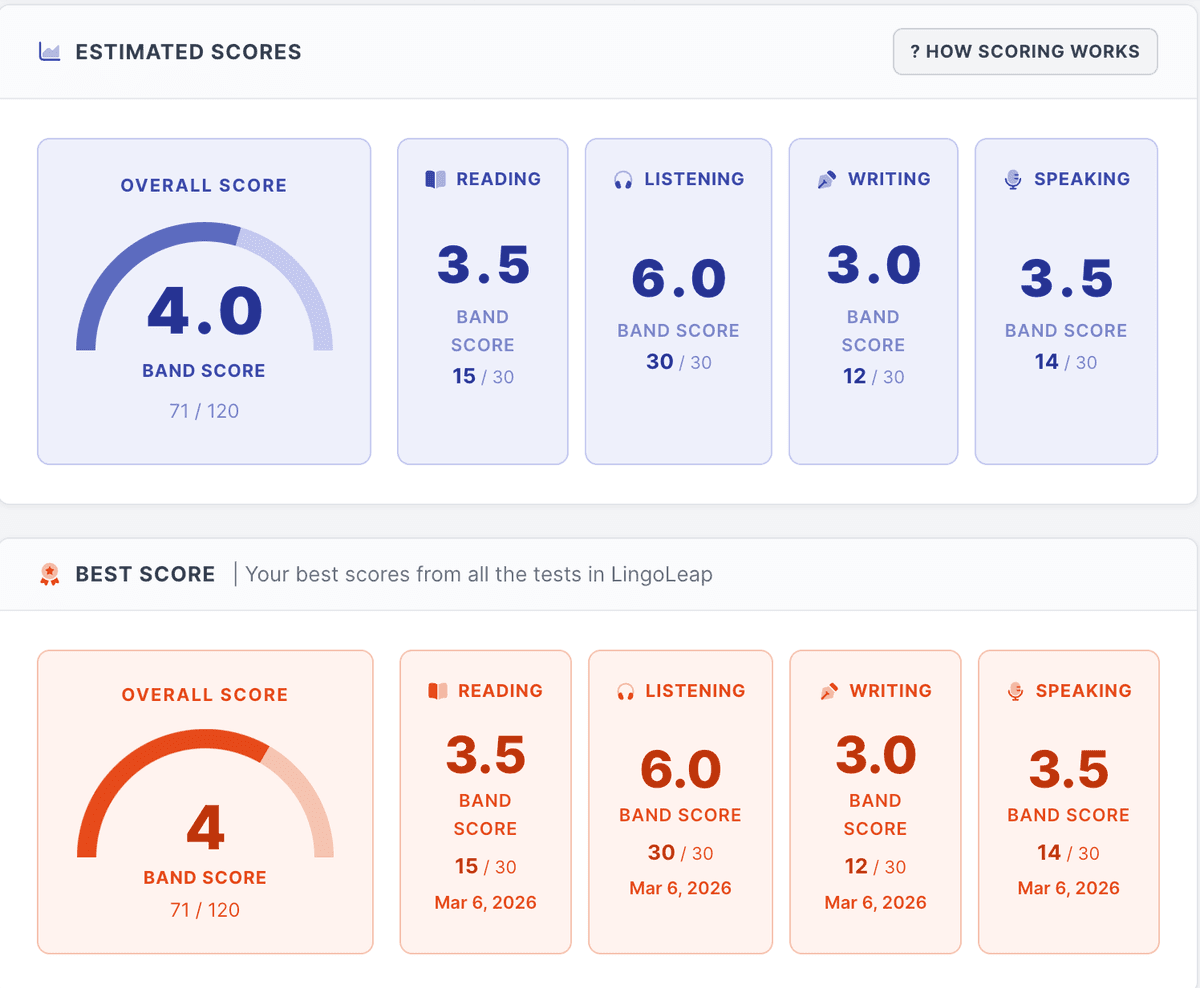 Score Report
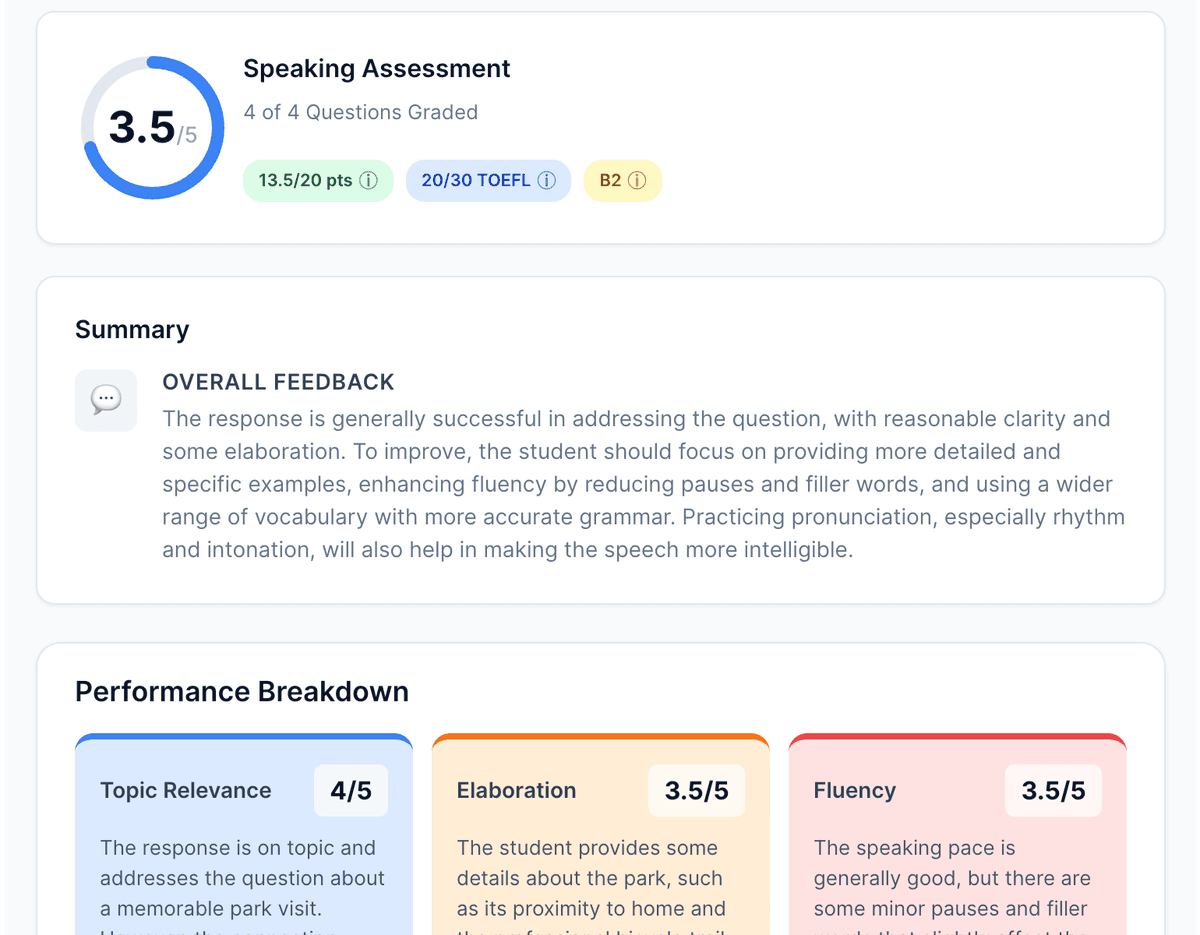 AI Speaking Score
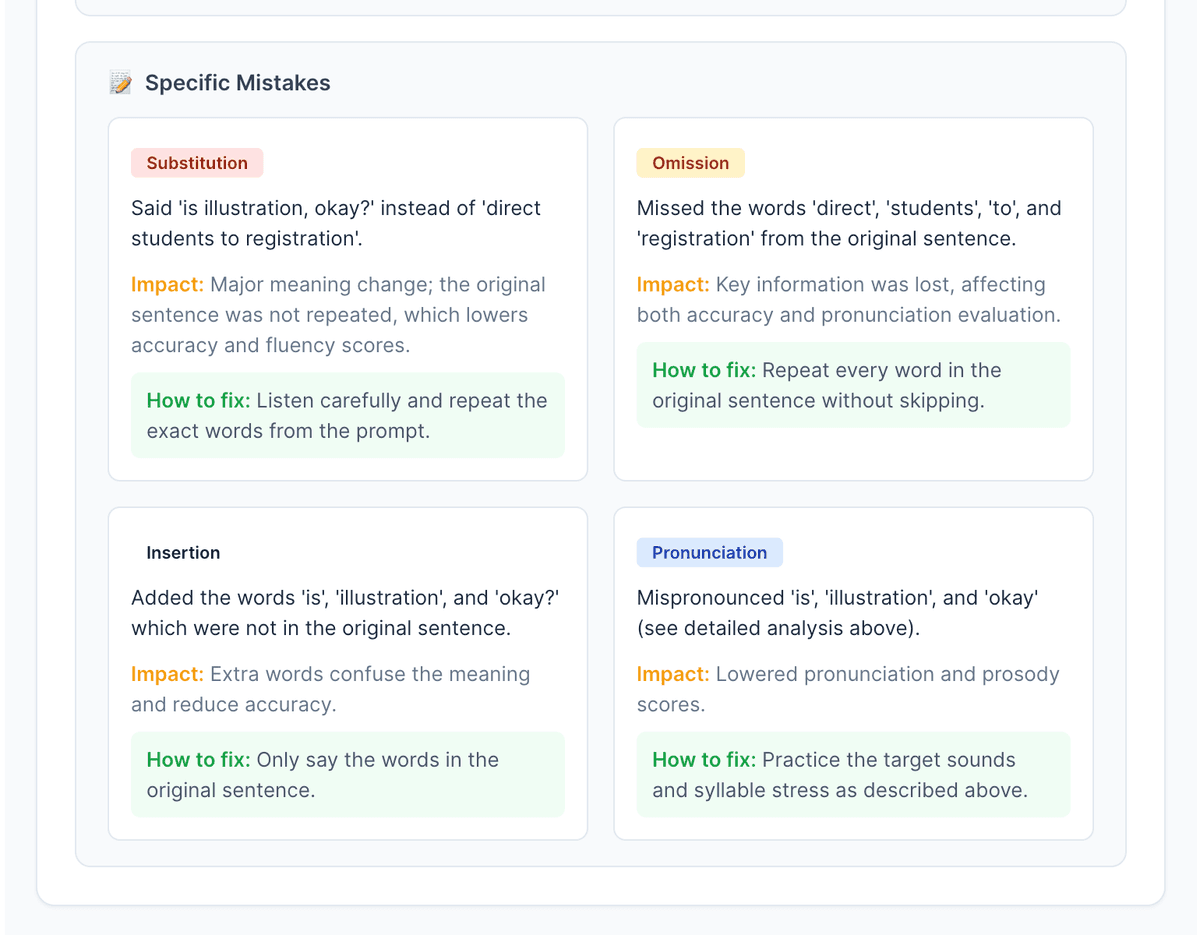 Mistake Analysis
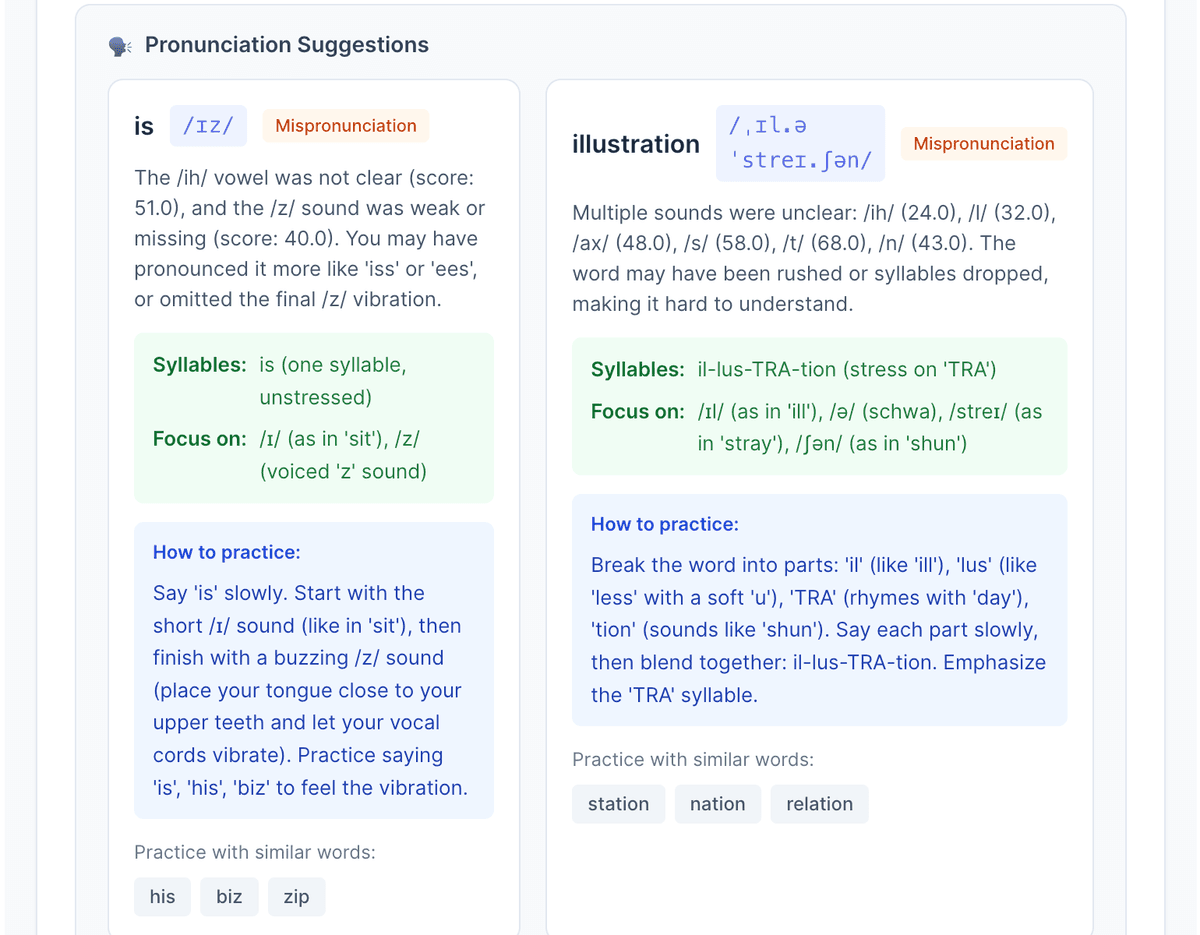 Pronunciation Feedback
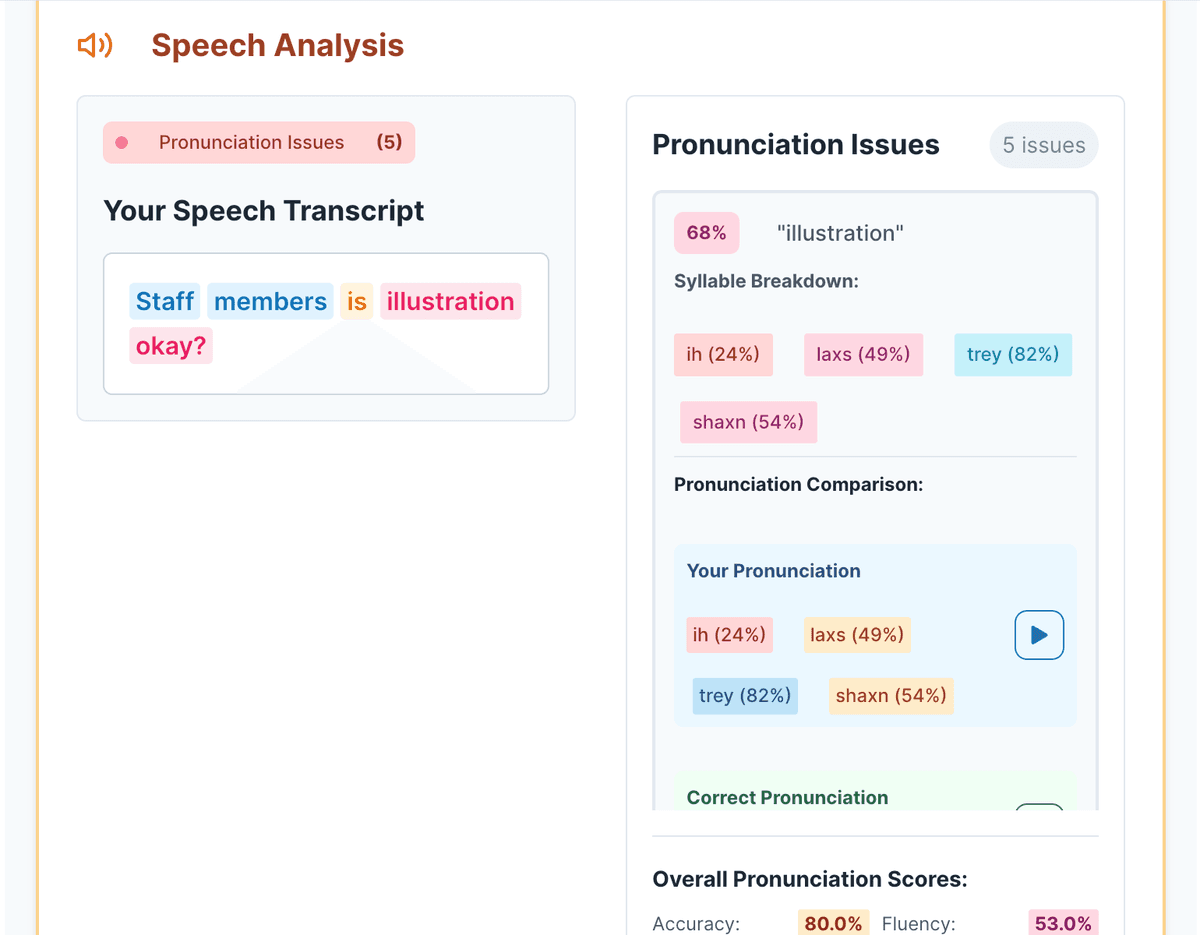 Speech Analysis
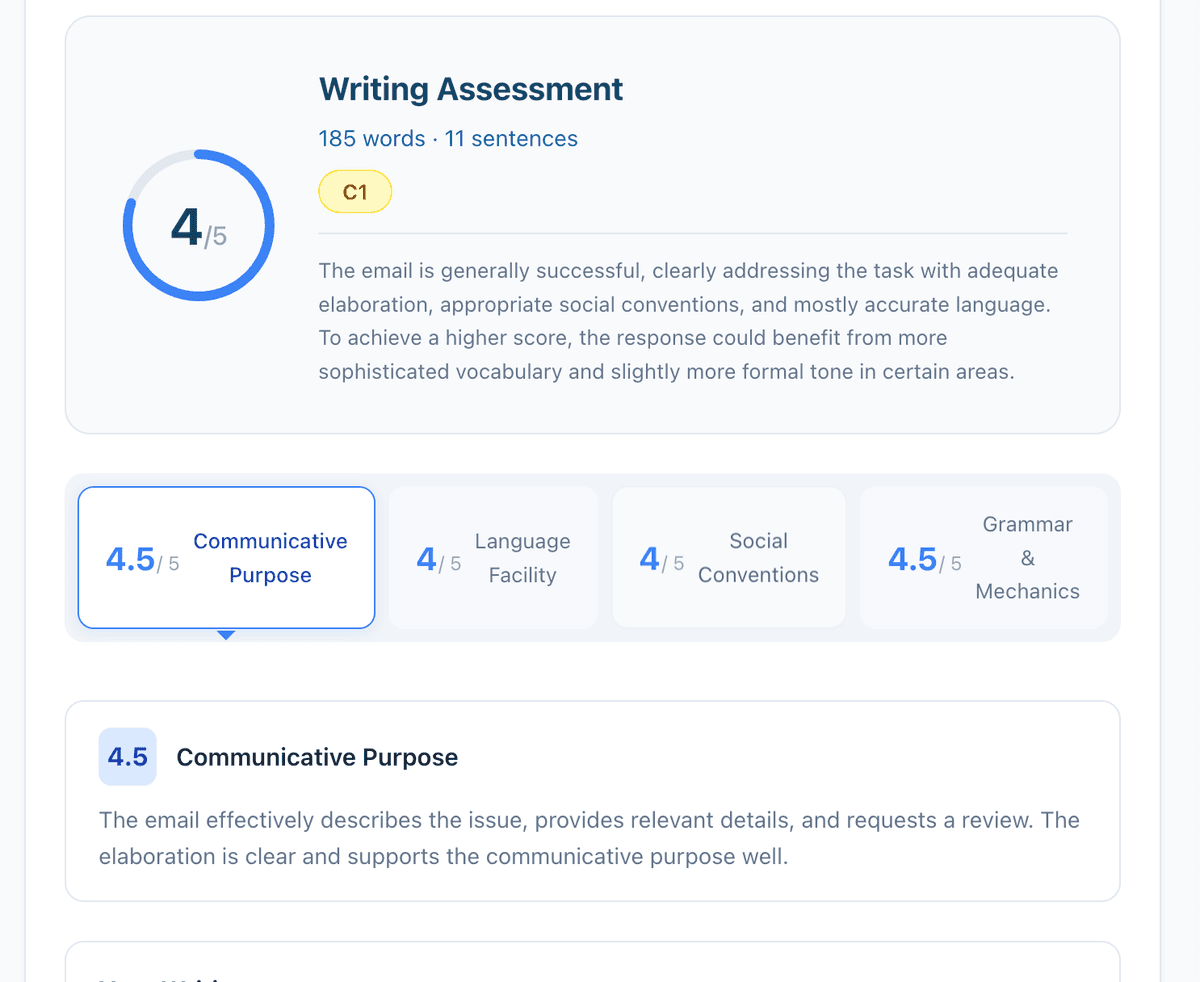 AI Writing Score
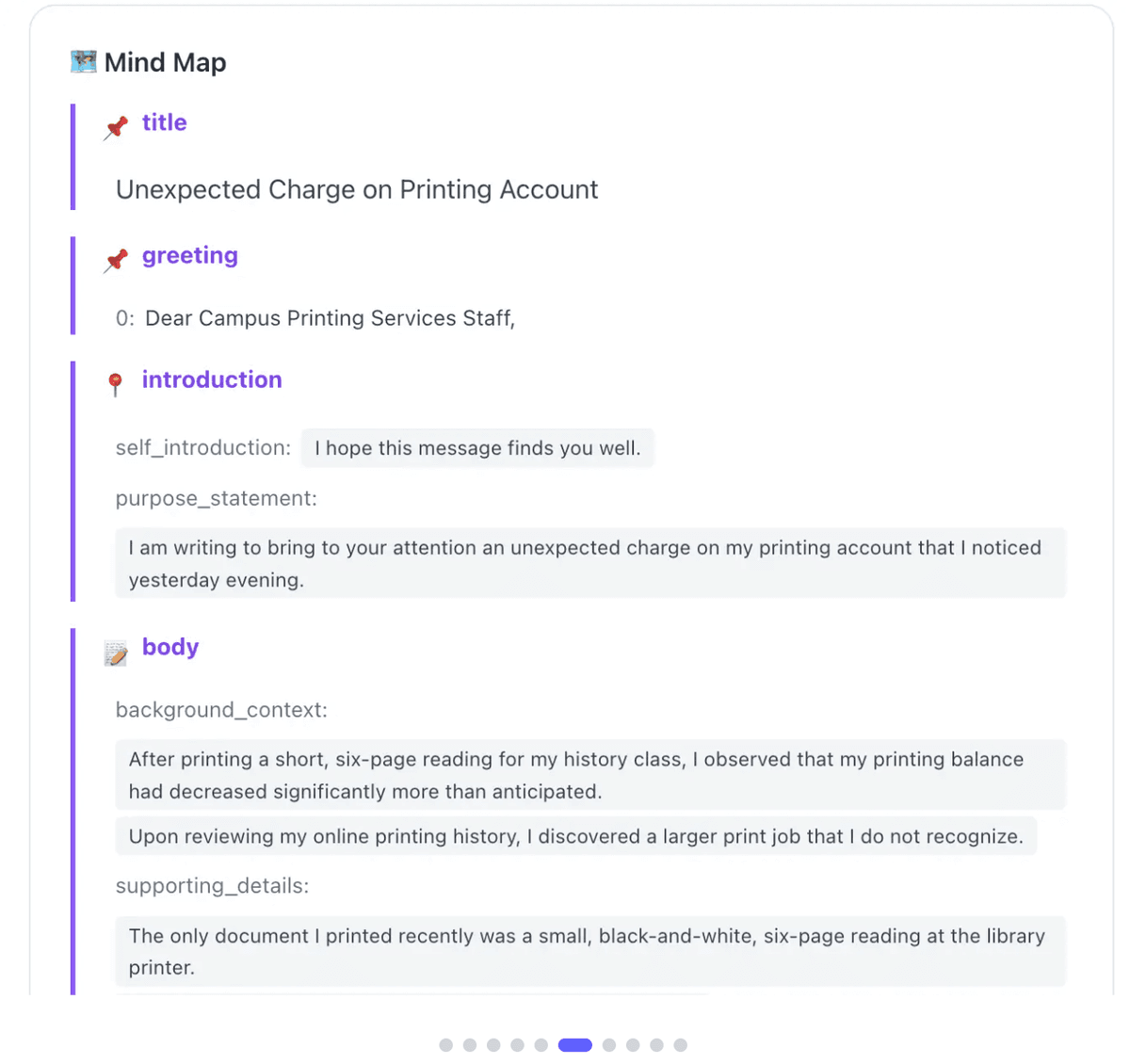 Article Structure Feedback
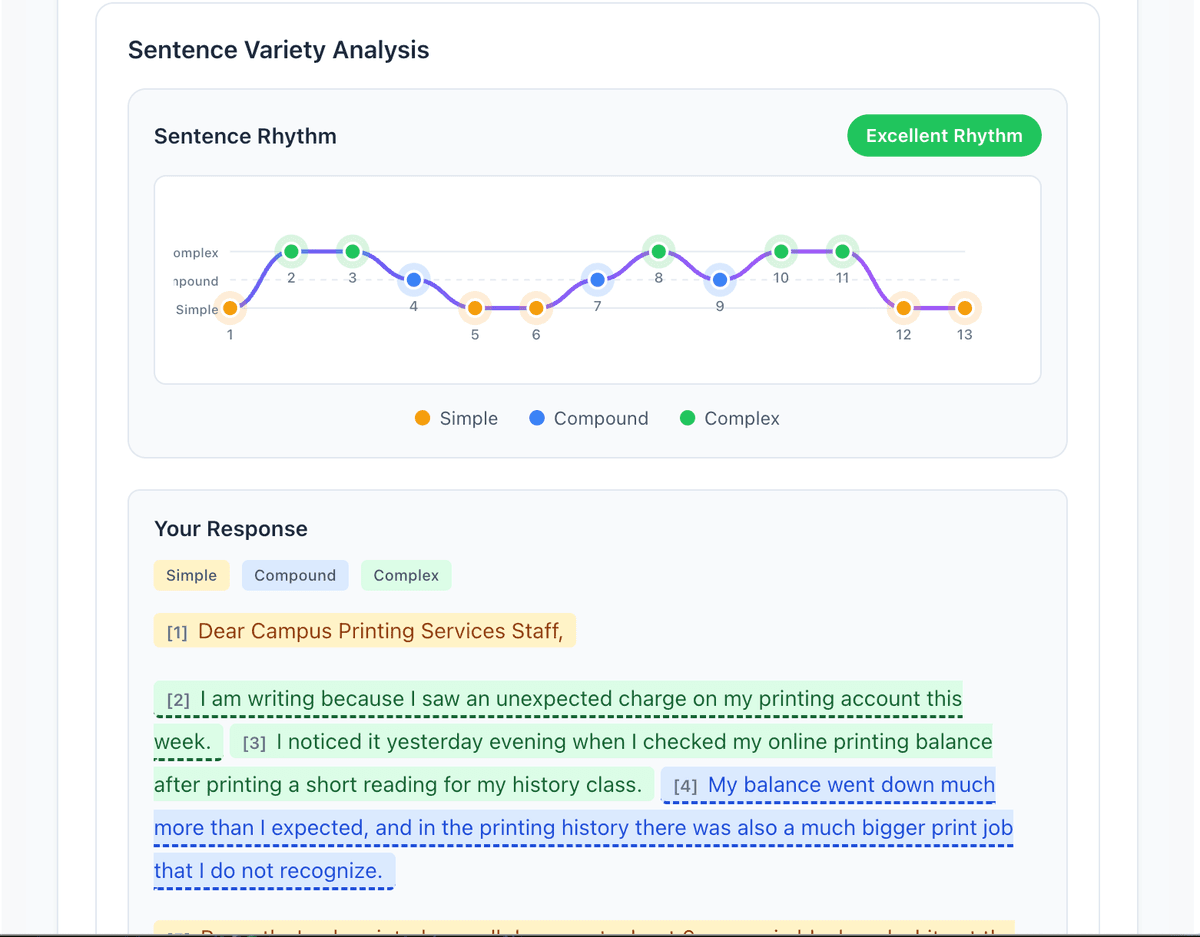 Sentence Variety
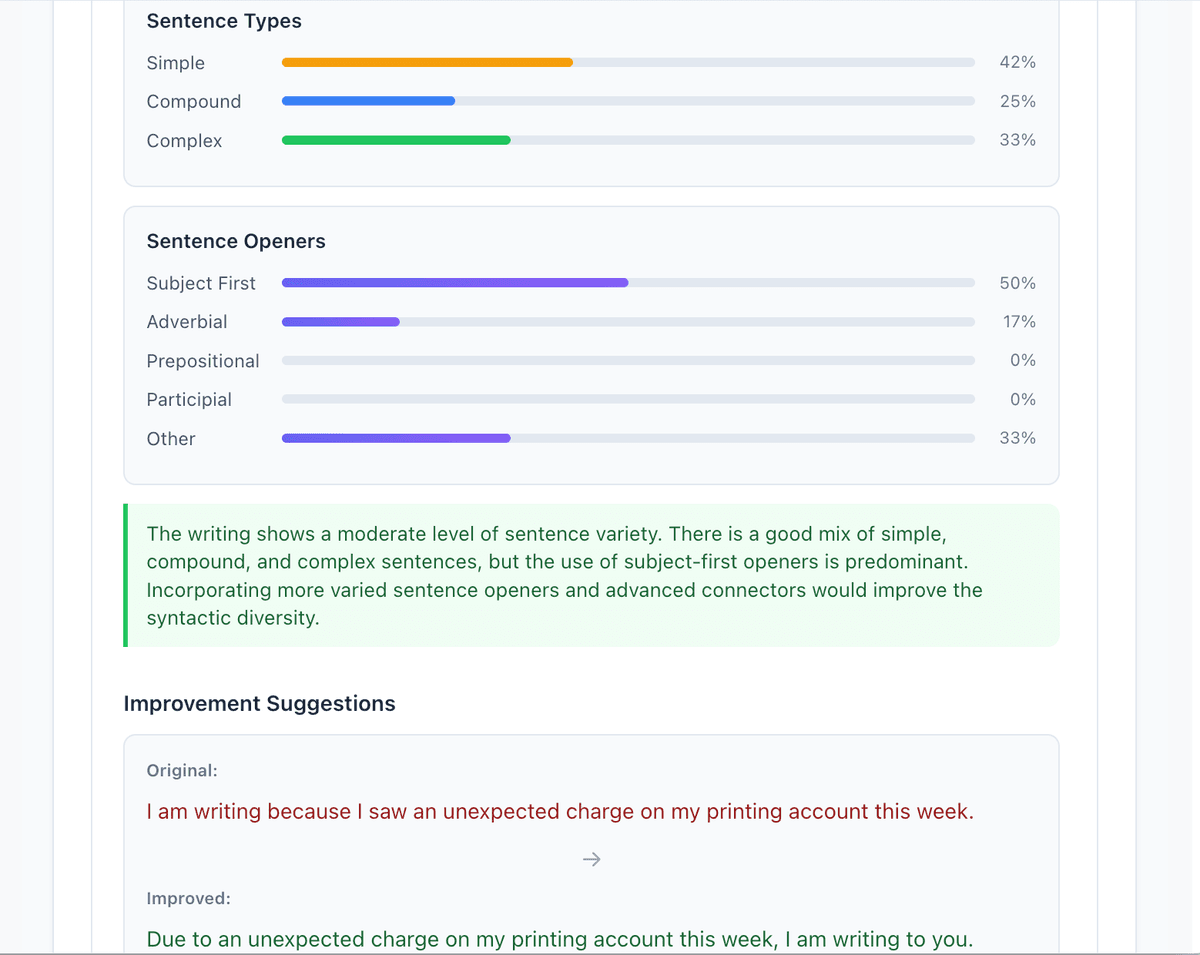 Improvement Suggestions
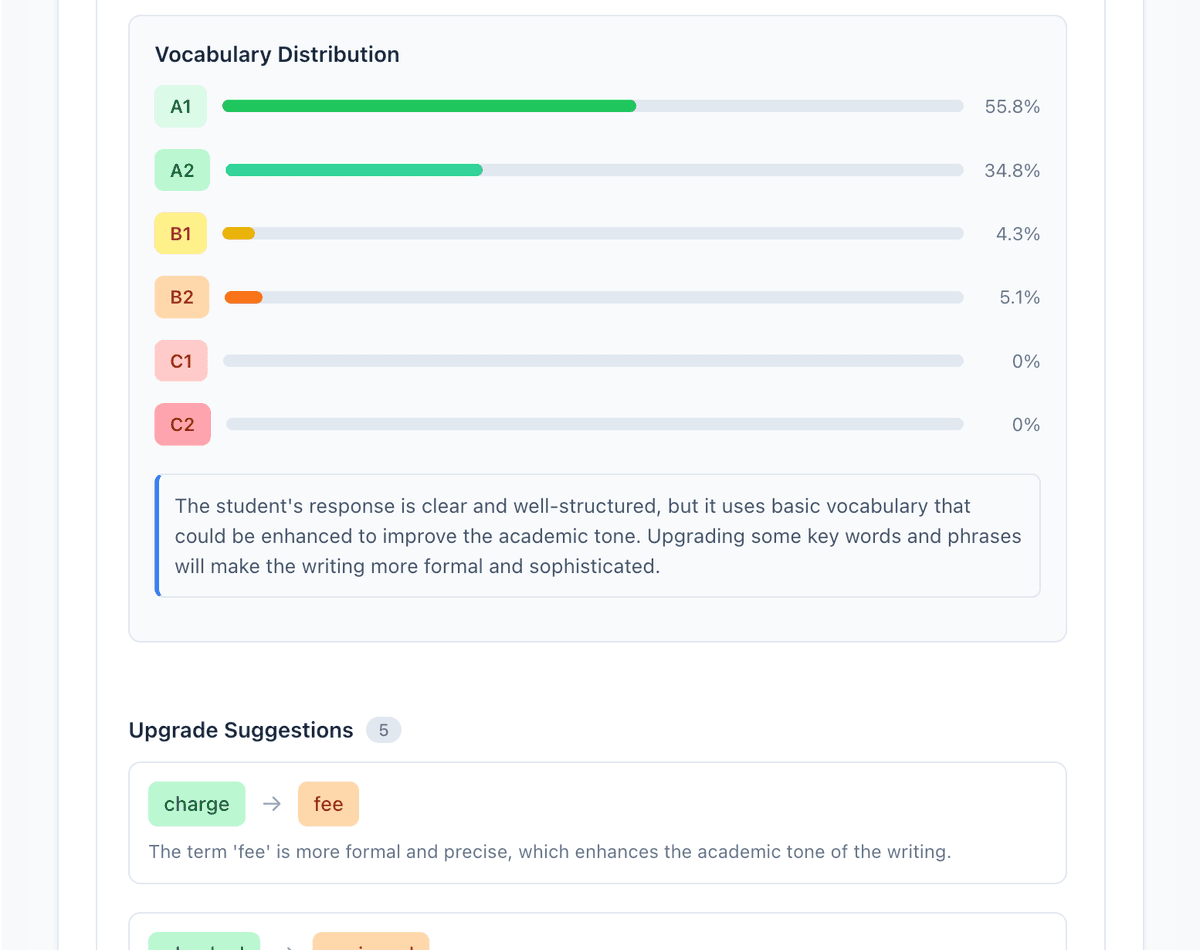 Vocabulary Feedback
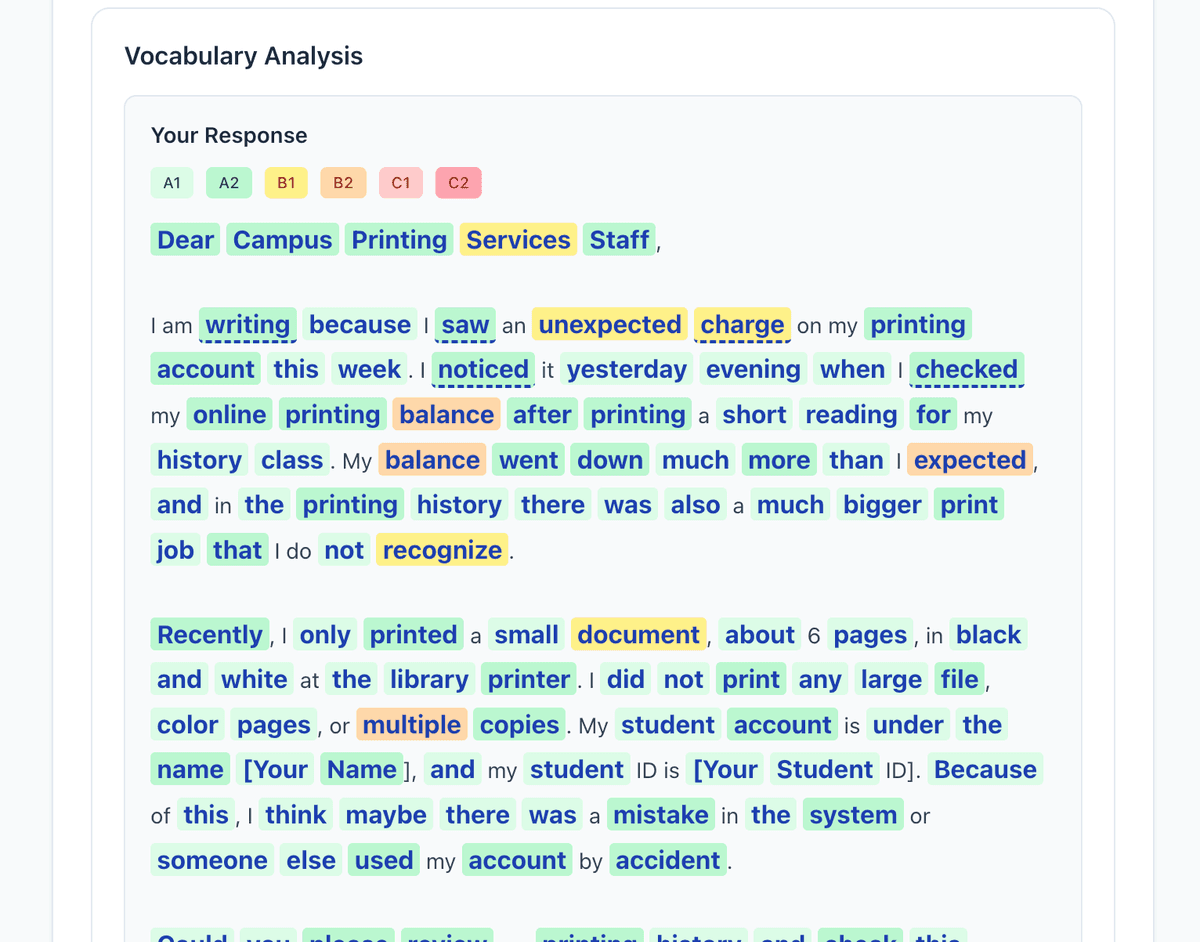 Vocabulary Analysis
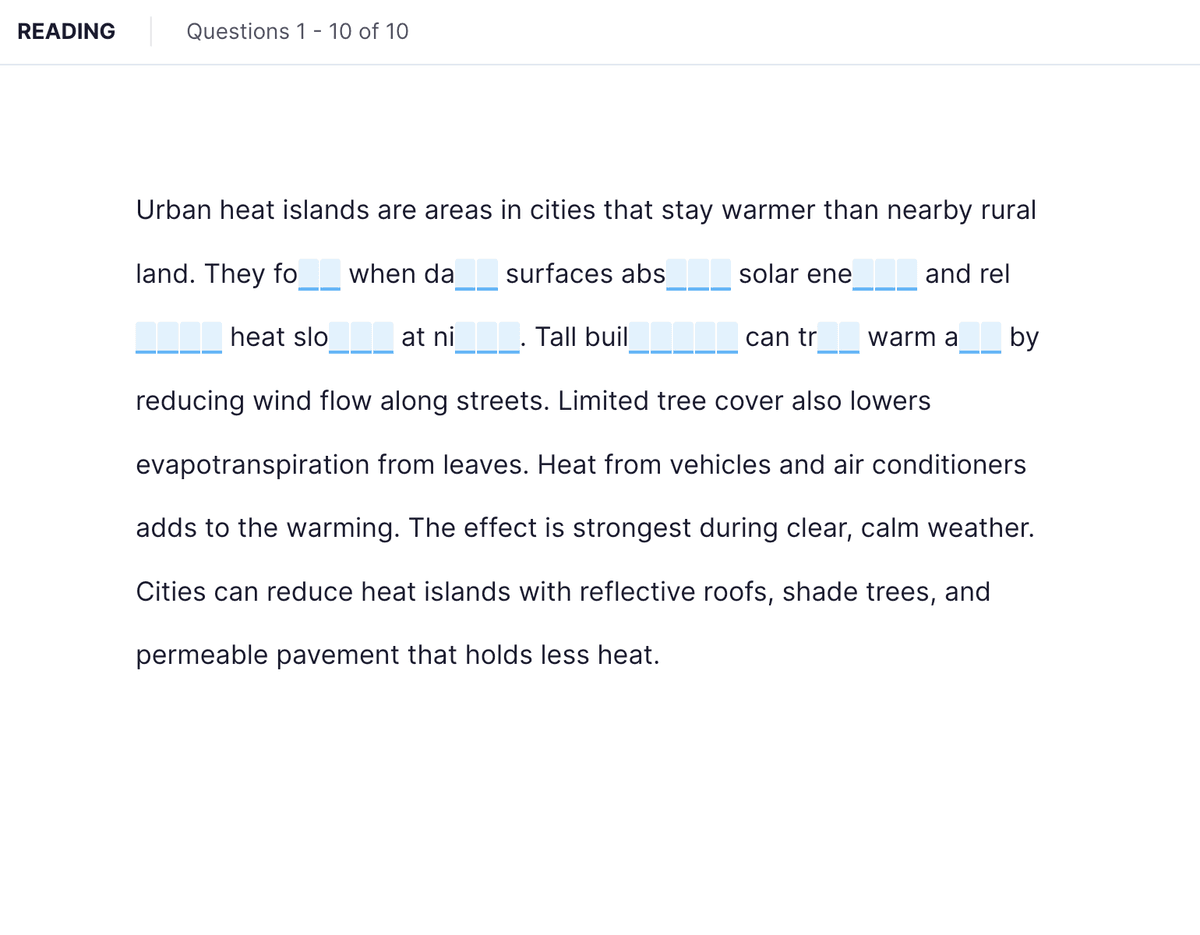 TOEFL 26 New: Reading
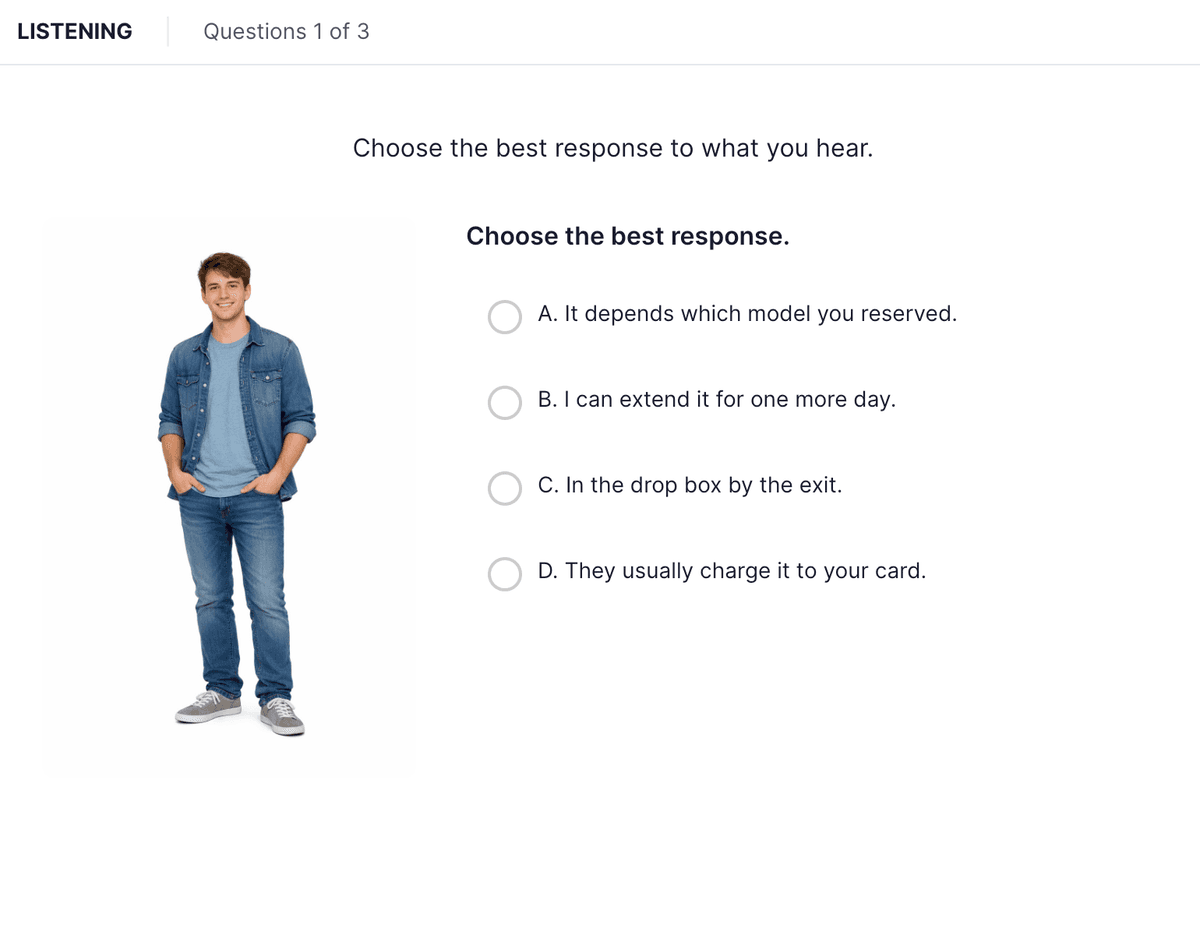 TOEFL 26 New: Listening
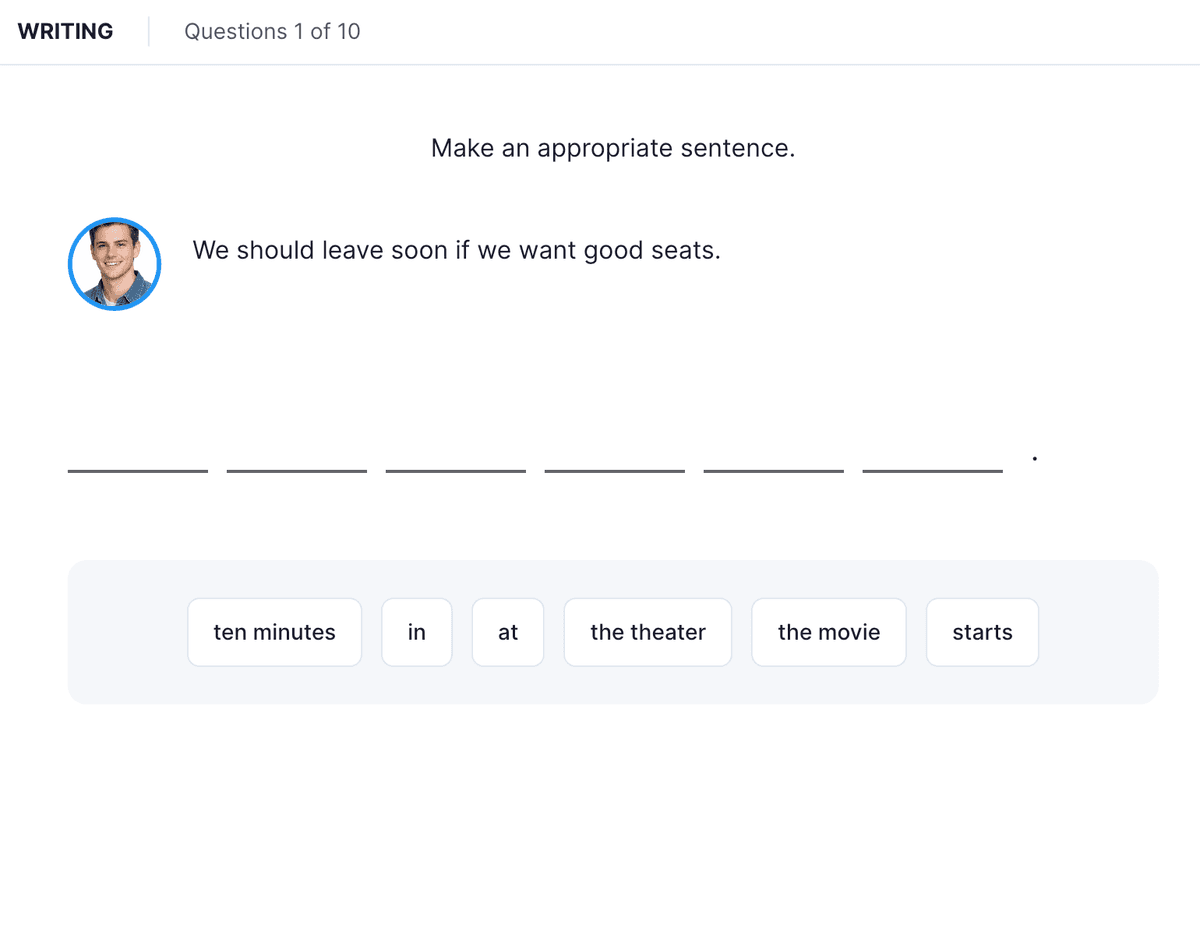 TOEFL 26 New: Writing
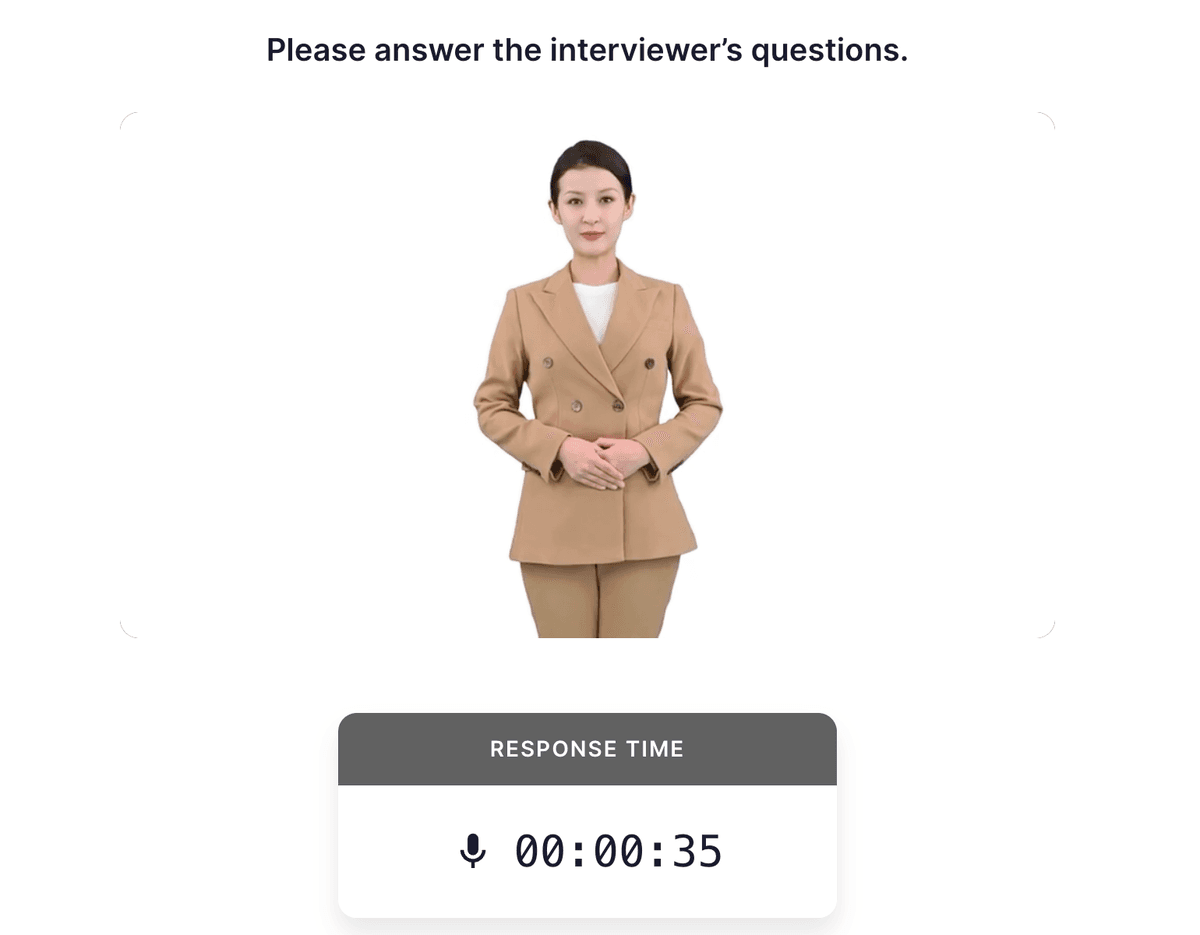 TOEFL 26 New: Speaking
Every TOEFL 2026 mock test in Lingoleap
These are the full-length mock tests the Lingoleap practice app publishes today, listed exactly as they appear inside it. Each one runs all four TOEFL 2026 sections in a single timed sitting, and each name below opens that test in the app.
104 published full-length mock tests · three sets
- Free with account16 tests
- Plus or Premium15 tests
- Premium73 tests
Access states are the app's own. It marks New TPO and Latest Questions Premium, and describes PQ26-16 to PQ26-30 as included with Plus and Premium; the rest of Practice Questions opens once you create a free account.
Practice Questions (PQ26)
Mixed access31 full-length tests
PQ26-1 to PQ26-15 and PQ26-75 open with a free account. PQ26-16 to PQ26-30 are the range the app sells as part of Plus and Premium.
- PQ26-1Take test →Free testFree with account
- PQ26-2Take test →Free with account
- PQ26-3Take test →Free with account
- PQ26-4Take test →Free with account
- PQ26-5Take test →Free with account
- PQ26-6Take test →Free with account
- PQ26-7Take test →Free with account
- PQ26-8Take test →Free with account
- PQ26-9Take test →Free with account
- PQ26-10Take test →Free with account
- PQ26-11Take test →Free with account
- PQ26-12Take test →Free with account
- PQ26-13Take test →Free with account
- PQ26-14Take test →Free with account
- PQ26-15Take test →Free with account
- PQ26-16Take test →Plus or Premium
- PQ26-17Take test →Plus or Premium
- PQ26-18Take test →Plus or Premium
- PQ26-19Take test →Plus or Premium
- PQ26-20Take test →Plus or Premium
- PQ26-21Take test →Plus or Premium
- PQ26-22Take test →Plus or Premium
- PQ26-23Take test →Plus or Premium
- PQ26-24Take test →Plus or Premium
- PQ26-25Take test →Plus or Premium
- PQ26-26Take test →Plus or Premium
- PQ26-27Take test →Plus or Premium
- PQ26-28Take test →Plus or Premium
- PQ26-29Take test →Plus or Premium
- PQ26-30Take test →Plus or Premium
- PQ26-75Take test →Free with account
New TPO (TPO26)
Premium8 full-length tests
The app describes this set as exam-grade practice built for the 2026 format.
Latest Questions (EQ26)
Premium65 full-length tests
The app describes this set as its newest question sets, updated continuously.
- EQ26-1Take test →Premium
- EQ26-2Take test →Premium
- EQ26-3Take test →Premium
- EQ26-4Take test →Premium
- EQ26-5Take test →Premium
- EQ26-6Take test →Premium
- EQ26-7Take test →Premium
- EQ26-8Take test →Premium
- EQ26-9Take test →Premium
- EQ26-10Take test →Premium
- EQ26-11Take test →Premium
- EQ26-12Take test →Premium
- EQ26-13Take test →Premium
- EQ26-14Take test →Premium
- EQ26-15Take test →Premium
- EQ26-16Take test →Premium
- EQ26-17Take test →Premium
- EQ26-18Take test →Premium
- EQ26-19Take test →Premium
- EQ26-20Take test →Premium
- EQ26-21Take test →Premium
- EQ26-22Take test →Premium
- EQ26-23Take test →Premium
- EQ26-24Take test →Premium
- EQ26-25Take test →Premium
- EQ26-26Take test →Premium
- EQ26-27Take test →Premium
- EQ26-28Take test →Premium
- EQ26-29Take test →Premium
- EQ26-30Take test →Premium
- EQ26-31Take test →Premium
- EQ26-32Take test →Premium
- EQ26-33Take test →Premium
- EQ26-34Take test →Premium
- EQ26-35Take test →Premium
- EQ26-36Take test →Premium
- EQ26-37Take test →Premium
- EQ26-38Take test →Premium
- EQ26-39Take test →Premium
- EQ26-40Take test →Premium
- EQ26-41Take test →Premium
- EQ26-42Take test →Premium
- EQ26-43Take test →Premium
- EQ26-44Take test →Premium
- EQ26-45Take test →Premium
- EQ26-46Take test →Premium
- EQ26-47Take test →Premium
- EQ26-48Take test →Premium
- EQ26-49Take test →Premium
- EQ26-50Take test →Premium
- EQ26-51Take test →Premium
- EQ26-52Take test →Premium
- EQ26-53Take test →Premium
- EQ26-54Take test →Premium
- EQ26-55Take test →Premium
- EQ26-56Take test →Premium
- EQ26-58Take test →Premium
- EQ26-59Take test →Premium
- EQ26-60Take test →Premium
- EQ26-61Take test →Premium
- EQ26-62Take test →Premium
- EQ26-63Take test →Premium
- EQ26-64Take test →Premium
- EQ26-65Take test →Premium
- EQ26-66Take test →Premium
Each link opens that exact test in the practice app. The app asks you to sign in first, and tests marked Plus or Premium need the matching plan.
What one mock test contains
The app records a task-type list for every mock test. All four sections appear in all of them:
Reading
- Complete the Words
- Read in Daily Life
- Read an Academic Passage
Listening
- Listen and Choose a Response
- Conversation
- Announcement
- Academic Talk
Speaking
- Listen and Repeat
- Take an Interview
Writing
- Build a Sentence
- Write an Email
- Write for an Academic Discussion
One exception, listed rather than rounded away: TPO26-6 carries no Build a Sentence task. The other 103 tests carry the full task-type list.
Test names, counts and access states read from the practice app's own question list, route table and gate on 18 September 2026. Nothing on this list is an estimate. Lingoleap reports a practice band, not an official ETS score.
What Is a TOEFL 26 Mock Test?
A TOEFL 26 mock test is a practice test designed for the completely redesigned TOEFL iBT format that launched on January 21, 2026.
The new TOEFL introduces 12 entirely new task types across Reading, Listening, Writing, and Speaking, multistage adaptive testing in Reading and Listening, and a new 1–6 scoring scale aligned with the CEFR.
To prepare effectively, test takers need mock tests that reflect the new structure, all 12 task types, and the updated scoring system.
Lingoleap provides TOEFL 26 mock tests built to closely simulate the real exam experience.
New TOEFL 2026 Format
The TOEFL 2026 test consists of 4 sections: Reading, Listening, Writing, and Speaking. The estimated time to complete the test is under 2 hours. Test time does not include directions. As the test adapts, test time and number of questions may vary.
Reading
~30 min
~50 questions
Multistage adaptive across two modules
Listening
~29 min
~47 questions
Multistage adaptive across two modules
Writing
~23 min
12 questions
Linear format — same tasks for all test takers
Speaking
~8 min
11 questions
Linear format — same tasks for all test takers
All TOEFL 2026 Task Types
Reading
- Complete the Words
- Read in Daily Life
- Read an Academic Passage
8 question types: Factual & Negative Factual, Vocabulary, Select the Sentence, Sentence Simplification, Reference, Inference, Rhetorical Purpose, Insert Text
Listening
- Listen and Choose a Response
- Listen to a Conversation
- Listen to an Announcement
- Listen to an Academic Talk
6 question types: Main Idea, Factual, Inference, Purpose, Method, Attitude
Writing
- Build a Sentence
- Write an Email
- Write for an Academic Discussion
Linear format — scored on communicative purpose, syntax, word choice, social conventions, and accuracy
Speaking
- Listen and Repeat
- Take an Interview
Linear format — scored on delivery (clarity, fluency), language use (grammar, vocabulary), and elaboration
Reading and Listening sections use multistage adaptive testing — your performance in Module 1 determines the difficulty level of Module 2. This creates a more personalized experience and measures your ability more efficiently and accurately.
Why Choose Lingoleap TOEFL 26 Mock Tests
Most TOEFL practice materials still focus on the old test format. Lingoleap is built specifically for the TOEFL 2026 format.
 100+ full-length mock tests covering all 12 official TOEFL 2026 task types
- 10,000+ answerable questions, with new questions added every month
- Multistage adaptive Reading and Listening that mirrors the real test
- AI scoring for Speaking and Writing based on publicly available ETS rubrics
Most resources prepare you for the old TOEFL. Lingoleap prepares you for the new one.
Complete TOEFL 2026 Task Type Coverage
Every Lingoleap TOEFL 26 mock test covers all 12 official task types across the four test sections — exactly as they appear on the real exam.
Reading
- Complete the Words
Reconstruct missing parts of words in a short academic paragraph
- Read in Daily Life
Read practical texts such as emails, notices, or social media posts
- Read an Academic Passage
Read a short academic passage (~200 words) and answer 5 questions
Listening
- Listen and Choose a Response
Hear a brief question or statement, choose the best response from 4 options
- Listen to a Conversation
Answer questions about short campus-life conversations between 2 speakers
- Listen to an Announcement
Answer questions about classroom or campus event announcements
- Listen to an Academic Talk
Answer questions about short academic talks on various subjects
Writing
- Build a Sentence
Rearrange words and phrases to complete a sentence in a short dialogue
- Write an Email
Write an email for a specific purpose such as recommending, inviting, or proposing a solution
- Write for an Academic Discussion
Read a professor's post and 2 student responses, then write your own contribution (100+ words)
Speaking
- Listen and Repeat
Repeat 7 spoken sentences that increase in length and complexity
- Take an Interview
Answer 4 interview questions in a simulated academic conversation (45s each)
Multistage Adaptive Testing — Just Like the Real TOEFL 2026
Lingoleap mock tests simulate the multistage adaptive structure of the real TOEFL. Your performance in Module 1 determines the difficulty of Module 2, just like the actual exam.
Realistic Test Progression
Experience the same adaptive flow as the actual TOEFL 2026 — Module 1 performance sets the difficulty for Module 2
Multi-Level Practice
Practice both easier and harder modules to build confidence and accuracy at every level
True Performance Insight
Understand your real score potential based on adaptive scoring logic and raw-to-scaled score conversion
AI Scoring for Speaking & Writing
Get detailed feedback on every Speaking and Writing response — based on publicly available ETS scoring rubrics. Each response is scored holistically on a 0–5 scale.
Speaking Evaluation
Listen and Repeat
- Repetition Accuracy
- Intelligibility
- Pronunciation
Take an Interview
- Delivery (clarity, fluency, pronunciation, intonation)
- Language Use (grammar & vocabulary range and accuracy)
- Elaboration (on-topic, well-supported ideas)
Writing Evaluation
Write an Email
- Elaboration supporting communicative purpose
- Syntactic variety & precise, idiomatic word choice
- Appropriate social conventions (politeness, register, formality)
- Lexical & grammatical accuracy
Write for an Academic Discussion
- Relevant, well-elaborated explanations and examples
- Variety of syntactic structures & precise, idiomatic word choice
- Lexical & grammatical accuracy
Accuracy and transparency
How Accurate Is This TOEFL Practice Test Score?
Every practice-test site says its scores are accurate. Almost none says how the number is produced or what has actually been checked. Here is the full answer for Lingoleap — including what we have not verified yet.
What we know
- Reading and Listening are scored against a fixed answer key, so those bands are as reliable as the question set is representative of the real test.
- Writing and Speaking responses are scored 0–5 by a language model against the dimensions of the published ETS scoring guides — the same criteria the Speaking and Writing evaluation section above lists.
- Every band on your report comes from one fixed rule set — the tables and formulas printed further down this page — so the same answers always produce the same band.
What we have not verified
- We have not yet published a comparison of Lingoleap bands against learners' official ETS score reports. Until that verified sample exists and is large enough, we do not quote a correlation, an accuracy percentage or a margin of error — any such number would be invented.
- ETS has not released a raw-to-band conversion for the 2026 test. Our Reading and Listening table is a Lingoleap estimate and is labelled as one below.
- The real test equates scores across forms and adaptive paths with Item Response Theory; our engine uses a simpler lookup table. The two can disagree, most likely at band boundaries.
What to do with the estimate
- Treat one mock band as a range, not a point. Read the section bands and the task-type accuracy under them — those move first and are what you can practise.
- Track direction across three to five mocks spaced two to three weeks apart, rather than certifying a single sitting.
- For admissions, only an ETS score counts. Check your target school's published minimum with the Score Calculator, and treat the last mock as a dress rehearsal, not a prediction.
The method we will use to publish calibration figures — who counts, which mock counts, what gets excluded — is already written down on the how-it-works page. The figures will appear there, with their sample size, once the verified sample exists.
See the calibration method →Wondering whose AI to trust on the 2026 test in general? The AI tutor guide explains how ETS's own SpeechRater and e-rater engines grade Speaking and Writing first, and how to rehearse against an AI scorer.
How the 2026 TOEFL is graded by AI →How Our Adaptive Practice Works
Reading and Listening in a Lingoleap mock run as a two-stage test, the structure ETS describes for the real exam. Here is exactly what our engine does — and, separately, what ETS has and has not said.
In a Lingoleap mock test
- 1
Router module
Every test-taker starts with the same router module in each section.
- 2
Routing
Your router performance sends you to a lower or an upper Stage 2 module. The two modules are built differently, which is why the number of items you see varies from mock to mock. The routing threshold is an engine setting we do not publish on this page.
- 3
One band table, defined for the upper module
Correct answers across both stages are counted, normalised to a 35-point basis, and looked up in the section's band table. The table is defined for the upper module.
- 4
Lower-module adjustment
A sitting routed to the lower module is placed one step down that table for the same normalised count. So in our engine the lower path cannot reach the top band — that is a Lingoleap simplification, not an ETS rule, and it is the one place our scoring is deliberately more conservative than the real test.
Adaptive routing: what ETS has published vs what prep sites assert
| Question | What ETS has published | What prep sites assert |
|---|---|---|
| Structure | Reading and Listening are “designed as two-stage adaptive tests”; Writing and Speaking are linear, with every test-taker on a form getting the same tasks (2026 Test Blueprint, note 5). | The same. This part is not in dispute. |
| Routing | “Based on their performance on the first module, test takers will get a second module where the difficulty of the test tasks matches their ability level.” No routing threshold is published (Teacher FAQ, Q9). | Specific thresholds — “get the first ten questions wrong and you are routed down” — none of which cites an ETS source. |
| How the score is produced | The section score “takes into consideration the total number of questions answered correctly across the two stages or modules as well as the difficulty level of questions”, converted by IRT equating so that a reported score “reflects the same level of language ability, regardless of which second stage was taken” (Teacher FAQ). | A fixed raw-to-band table applied to both paths, or a flat penalty for the easier path. |
| The “ceiling” | ETS states no maximum band for the lower module. It says “the final score is based on both stages” and that item difficulty is accounted for — which means an easier item is worth less, not that a particular band is forbidden. Whether the easier module can reach 6.0 in practice is not something ETS has published either way. | “A perfect score on the easier Stage 2 caps you at 4.0”, or “below 5.0” — the figure differs from site to site and none cites ETS. |
| Unscored items | Reading and Listening item counts “include non-scored items” used to gather data for future forms (Blueprint, note 1). | Rarely mentioned; item counts are usually quoted as if every item scored. |
ETS sources: TOEFL iBT 2026 Test Blueprint and Specifications (PDF) · Teacher FAQ for TOEFL iBT Enhancements (PDF)
Quotations are from those two ETS documents as read on 16 September 2026. Where this page says ETS has not published something, we mean we could not find it in either document or on ets.org — not that no such rule exists internally.
How the Band Is Produced, Section by Section
The whole path from your answers to the 1–6 band, with nothing hidden. These are the rules our score report runs on.
Reading
Scored by: Answer key- 1Every item is compared with the reference answer: right or wrong, no partial credit.
- 2Correct answers across the router and your Stage 2 module are summed and scaled to a 35-point basis: points = round(correct ÷ items × 35).
- 3The points are looked up in the Reading band table below. Lower-module sittings drop one step.
Listening
Scored by: Answer key- 1The same answer-key grading and 35-point scaling as Reading.
- 2The Listening table has its own boundaries: 80% accuracy is a 5.0 in Reading, but 71% is a 4.5 in Listening. That is why two sections at similar accuracy can show different bands.
Writing
Scored by: Answer key + AI- 1Build a Sentence: each item is scored right or wrong against the accepted word orderings. No model is involved.
- 2Write an Email and Write for an Academic Discussion: each response is scored 0–5 by a language model against the dimensions of the ETS scoring guide for that task.
- 3Section band = (points earned ÷ points available) × 5 + 1, rounded to the nearest 0.5.
Speaking
Scored by: AI- 1Listen and Repeat (7 items) and Take an Interview (4 items): your recording is transcribed and measured for pronunciation and fluency, then a model scores each response 0–5 against the rubric dimensions.
- 2Section band = (points earned ÷ points available) × 5 + 1, rounded to the nearest 0.5.
Overall band = the plain average of the four section bands, rounded to the nearest 0.5. The 0–120 “traditional” figure on the report is each section's accuracy scaled to 0–30 and summed; it exists only for comparing against university pages that still quote the old scale.
Raw Correct to Band: Reading and Listening
Lingoleap estimate — not an ETS tableBasis: these are the exact lookup tables our score report uses, defined on a 35-point normalised scale (points = round(correct ÷ items × 35)). ETS has published no raw-to-band conversion for the 2026 test, and real scores are IRT-equated for form and module difficulty, so treat every band here as a practice estimate. The approximate-accuracy column is the points range divided by 35.
Reading
| Band | Points (of 35) | Approx. accuracy |
|---|---|---|
| 6.0 | 34–35 | ≈ 97–100% |
| 5.5 | 32–33 | ≈ 91–94% |
| 5.0 | 28–31 | ≈ 80–89% |
| 4.5 | 25–27 | ≈ 71–77% |
| 4.0 | 18–24 | ≈ 51–69% |
| 3.5 | 12–17 | ≈ 34–49% |
| 3.0 | 8–11 | ≈ 23–31% |
| 2.5 | 7 | ≈ 20% |
| 2.0 | 6 | ≈ 17% |
| 1.0 | 0–5 | ≈ 0–14% |
Listening
| Band | Points (of 35) | Approx. accuracy |
|---|---|---|
| 6.0 | 34–35 | ≈ 97–100% |
| 5.5 | 32–33 | ≈ 91–94% |
| 5.0 | 29–31 | ≈ 83–89% |
| 4.5 | 25–28 | ≈ 71–80% |
| 4.0 | 23–24 | ≈ 66–69% |
| 3.5 | 18–22 | ≈ 51–63% |
| 3.0 | 13–17 | ≈ 37–49% |
| 2.5 | 11–12 | ≈ 31–34% |
| 2.0 | 8–10 | ≈ 23–29% |
| 1.5 | 6–7 | ≈ 17–20% |
| 1.0 | 0–5 | ≈ 0–14% |
Worked example from our sample report: 28 of 35 Reading items correct → 28 points → Band 5.0. 32 of 45 Listening items correct → 24.9, rounded to 25 points → Band 4.5.
Lower-module sittings: one step down the table for the same points.
Try TOEFL Practice Test Questions Now
Warm up with these free sample questions modeled on the 2026 TOEFL iBT — one from each section. Reveal the answer and explanation, then start a full-length practice test when you are ready.
Read the short academic passage, then answer the question.
Bioluminescence — the production of light by living organisms — is common in the deep ocean, where sunlight never reaches. Many creatures use it to attract prey, confuse predators, or signal to potential mates. The light is produced by a chemical reaction between a molecule called luciferin and the enzyme luciferase. Because the reaction gives off almost no heat, scientists describe the light as "cold light."
According to the passage, why is bioluminescent light described as "cold light"?
- AIt is only found in cold, deep water.
- BThe chemical reaction releases very little heat.
- CIt appears blue rather than red or orange.
- DIt is produced only at night.
▸Show answer & explanation
Answer: B — The chemical reaction releases very little heat.
The final sentence states the reaction "gives off almost no heat," which is why it is called cold light. Option A confuses where the organisms live with why the light is cold; C and D add details the passage never mentions. Factual questions like this reward locating the exact supporting sentence rather than relying on outside knowledge.
Type the missing letters to complete the word so the sentence makes sense.
Regular exercise can signi______ reduce the risk of heart disease.
▸Show answer & explanation
Answer: significantly
"Complete the Words" gives you the first letters and the length of a word and asks you to finish it from context. Here the sentence needs an adverb describing how much exercise reduces risk — "significantly." Read the whole sentence first, decide the part of speech, then fit a word that starts with the letters shown.
On the real test you would hear this talk once. Read the transcript excerpt, then answer.
Professor: "So when we talk about the 'urban heat island' effect, we mean that cities tend to be several degrees warmer than the countryside around them. The main reason is surface material. Asphalt and concrete absorb heat during the day and release it slowly at night — unlike soil and vegetation, which cool down much faster. That's why a city can still feel warm hours after sunset."
What is the main cause of the urban heat island effect, according to the professor?
- ACities are located in naturally warmer regions.
- BBuildings block cooling wind from reaching streets.
- CPaved surfaces absorb and slowly release heat.
- DThere are more people generating body heat.
▸Show answer & explanation
Answer: C — Paved surfaces absorb and slowly release heat.
The professor names surface material — asphalt and concrete absorbing heat and releasing it slowly — as "the main reason." The other options are plausible-sounding distractors the talk never states. In the Listening section, note the speaker's signal phrases ("the main reason is…") to catch the point being tested.
Put the words and phrases in the correct order to form a grammatical sentence.
[ the deadline / because / the library / she / was approaching / stayed late at ]
▸Show answer & explanation
Answer: She stayed late at the library because the deadline was approaching.
"Build a Sentence" tests control of English word order and clause structure. Start with the subject ("She"), add the main verb phrase ("stayed late at the library"), then attach the reason clause introduced by "because." Checking that subject, verb, and connector line up is usually enough to place every chunk.
You have 45 seconds to answer. There is no single correct response — a strong answer is clear, on-topic, and supported with a reason or example.
Some students prefer to study in the morning, while others prefer the evening. Which do you prefer, and why?
▸Show answer & explanation
Answer: Sample strong response (outline)
Take a clear position, give one reason, and support it with a specific example: "I prefer studying in the morning because my mind is freshest right after I wake up. For instance, I can read a difficult chapter in thirty minutes in the morning, but the same chapter takes me an hour at night when I'm tired." Scoring rewards delivery (clear, fluent speech), language use (accurate grammar and vocabulary), and elaboration (a developed, on-topic idea) — so commit to one answer and develop it rather than listing both options.
These are original Lingoleap practice items built to mirror the 2026 TOEFL iBT task types. They are for practice only and are not real ETS test questions; Lingoleap is independent of and not endorsed by ETS.
Practice TOEFL by Section
A full-length mock test measures readiness, but targeted section practice is how you fix specific weaknesses. Drill any of the four sections and all 12 task types below.
Reading
Adaptive passages and the three 2026 reading task types.
Listening
Conversations, announcements, and academic talks with adaptive difficulty.
Speaking
Listen and Repeat plus the academic interview, with AI delivery feedback.
Writing
Build a Sentence, Write an Email, and Write for an Academic Discussion.
100+ Full TOEFL 2026 Mock Tests — Updated Monthly
Practice with 100+ full-length TOEFL 2026 mock tests covering 10,000+ answerable questions. New tests are added every month, helping you continuously practice with fresh, updated materials.
- 100+ full-length TOEFL 2026 mock tests
- 10,000+ answerable questions across all four sections
- All tests aligned with the latest TOEFL 2026 format and task types
- New tests added every month
- Covers all 4 sections and 12 task types
How to Start Your TOEFL 26 Mock Test
Create Your Account
Sign up for free — get 1,000+ free questions and 200 AI-feedback credits
Choose a Mock Test
Pick from 100+ full-length TOEFL 2026 mock tests
Start Practicing
Take the test under real exam conditions
Get Your Score & Feedback
Receive AI-powered scoring and detailed performance analysis
Start Your TOEFL 26 Mock Test
Practice the new TOEFL 2026 format with multistage adaptive testing, all 12 task types, and AI scoring.
Frequently Asked Questions
Everything you need to know about TOEFL 26 mock tests
What is different about the TOEFL 2026 format?
The TOEFL 2026, launched January 21, 2026, is a completely redesigned test. It introduces multistage adaptive testing in Reading and Listening, where Module 1 performance determines the difficulty of Module 2. Writing and Speaking use a linear format (same tasks for all). It features 12 entirely new task types and a new 1–6 scoring scale aligned with the CEFR. The test takes under 2 hours.
How many task types are in the new TOEFL 2026?
The new TOEFL 2026 has 12 task types across 4 sections: 3 in Reading (Complete the Words, Read in Daily Life, Read an Academic Passage), 4 in Listening (Listen and Choose a Response, Listen to a Conversation, Listen to an Announcement, Listen to an Academic Talk), 3 in Writing (Build a Sentence, Write an Email, Write for an Academic Discussion), and 2 in Speaking (Listen and Repeat, Take an Interview).
How many TOEFL 26 mock tests does Lingoleap offer?
Lingoleap currently offers 100+ full-length TOEFL 2026 mock tests (10,000+ answerable questions in total), with new tests added every month. Each test covers all four sections and includes every official task type in the TOEFL 2026 format. Create a free account to access 1,000+ free questions and 200 AI-feedback credits.
Does Lingoleap simulate multistage adaptive testing?
Yes. Lingoleap is one of the few platforms that simulates the multistage adaptive testing structure used in the TOEFL 2026 Reading and Listening sections. Your performance in Module 1 affects the difficulty of Module 2, just like the real exam.
How does AI scoring work for Speaking and Writing?
Lingoleap's AI evaluates your responses using criteria based on publicly available ETS scoring rubrics (scored holistically 0–5 per question). For Speaking, Listen and Repeat is scored on repetition accuracy, intelligibility, and pronunciation. Take an Interview is scored on delivery (clarity, fluency, pace), language use (grammar, vocabulary), and elaboration (topic relevance, supporting ideas). For Writing, Write an Email is scored on communicative purpose, syntactic variety & idiomatic word choice, social conventions (politeness, register), and lexical/grammatical accuracy. Write for an Academic Discussion is scored on relevance & elaboration, syntactic structures & word choice, and lexical/grammatical accuracy.
Are Lingoleap mock tests the same as the real TOEFL?
Lingoleap mock tests are designed to closely simulate the real TOEFL 2026 experience, including the new task types, multistage adaptive testing, and exam timing. While no practice test is identical to the official exam, Lingoleap provides one of the most realistic TOEFL 2026 practice experiences available.
Can I practice individual sections instead of the full test?
Yes. In addition to full-length mock tests, Lingoleap allows you to practice individual sections — Reading, Listening, Speaking, or Writing — so you can focus on the areas where you need the most improvement.
How accurate are Lingoleap's mock test score estimates?
Reading and Listening are scored against an answer key, so their bands depend on how representative the question set is. Writing and Speaking bands come from a language model scoring each response 0–5 against the dimensions of the published ETS scoring guides. We have not yet published a comparison of Lingoleap bands with learners' official ETS score reports, so we do not quote an accuracy figure — the section “How accurate is this score?” on this page shows exactly how each band is produced and what has and has not been verified. These are practice estimates only: official TOEFL scores are issued exclusively by ETS, and Lingoleap is independent of and not endorsed by ETS.
If I am routed to the easier module, is my band capped?
In a Lingoleap mock, yes, slightly: the band table is defined for the upper module and a lower-module sitting is placed one step down it, so the lower path cannot reach the top band. That is our simplification. On the real test, ETS says the score is based on both stages and accounts for item difficulty through IRT equating; it has published no maximum band for the lower module. The specific caps quoted on prep sites (“4.0”, “below 5.0”) do not come from ETS.
How many correct answers do I need for a Band 5 in Reading or Listening?
On Lingoleap's practice table, Reading Band 5.0 needs 28–31 of 35 normalised points (roughly 80–89% correct) and Listening Band 5.0 needs 29–31 (roughly 83–89%). Points are your correct answers scaled to a 35-point basis. This is Lingoleap's estimate: ETS has published no raw-to-band table for the 2026 test and equates real scores for difficulty, so the official conversion can differ.
How much does a full mock test cost?
A full mock test costs 800 credits and includes AI scoring for Reading, Listening, Speaking, and Writing with a complete score report. New accounts start with 200 free AI-feedback credits, and Reading and Listening practice never costs credits.
Is the LingoLeap TOEFL mock test free?
Partly. Of the full-length tests listed on this page, PQ26-1 to PQ26-15 and PQ26-75 open with a free account; PQ26-16 to PQ26-30 are included with Plus and Premium, and the New TPO and Latest Questions sets are Premium. Every test asks you to sign in first. Reading and Listening practice never costs credits; a full mock test with AI scoring for all four sections costs 800 credits, and new accounts start with 200 free AI-feedback credits.
How long does a TOEFL mock test take?
Under 2 hours, matching the real TOEFL 2026: about 30 minutes of Reading, 29 of Listening, 23 of Writing and 8 of Speaking, not counting directions. Because Reading and Listening are multistage adaptive, the exact time and number of questions vary from sitting to sitting.