TOEFL 26 oefentests
Oefen het nieuwe TOEFL 2026 format
Volledige TOEFL 26 oefentests met adaptief Reading & Listening, alle officiële taaktypes en AI-beoordeling voor Speaking en Writing.
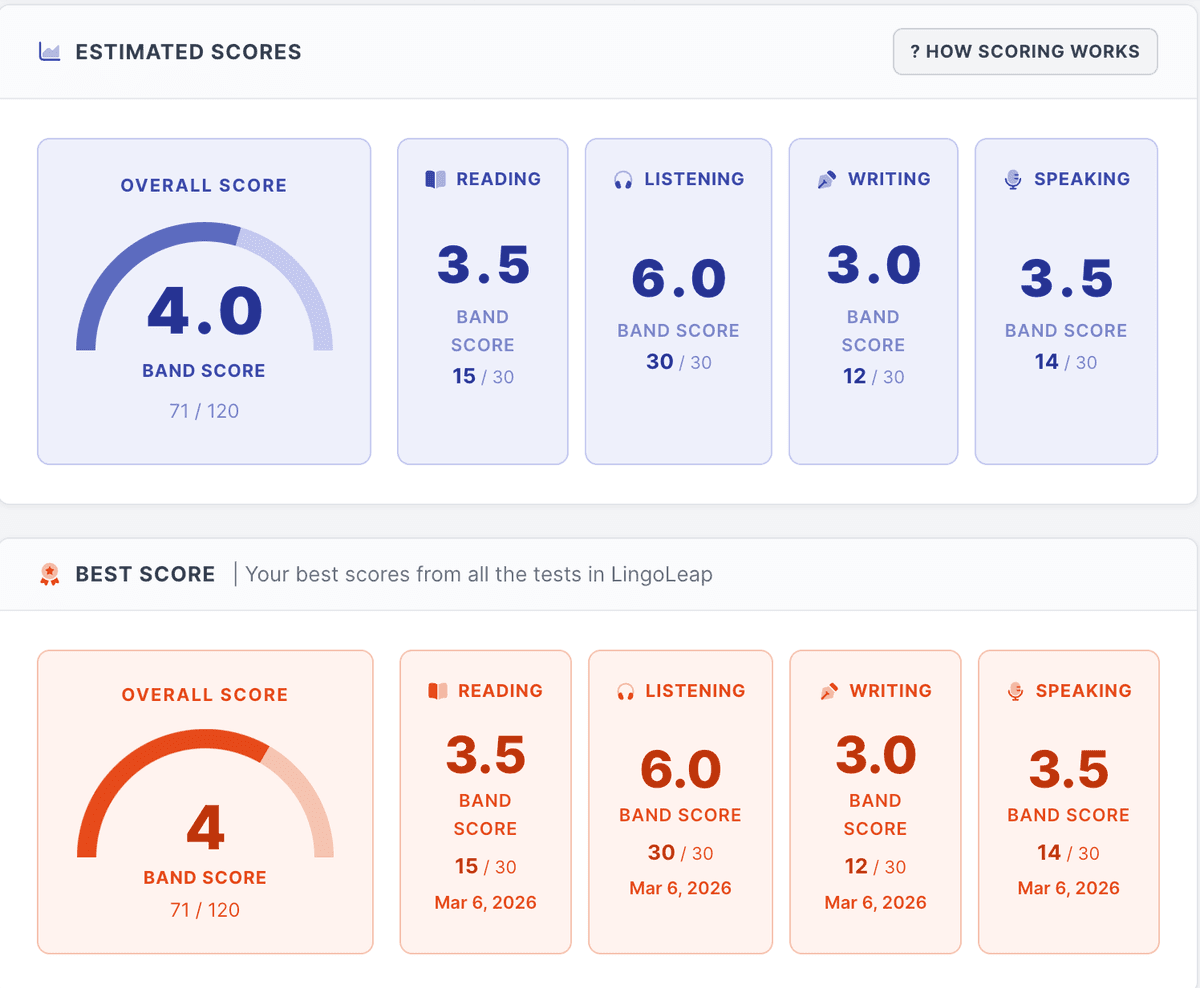 Score Report
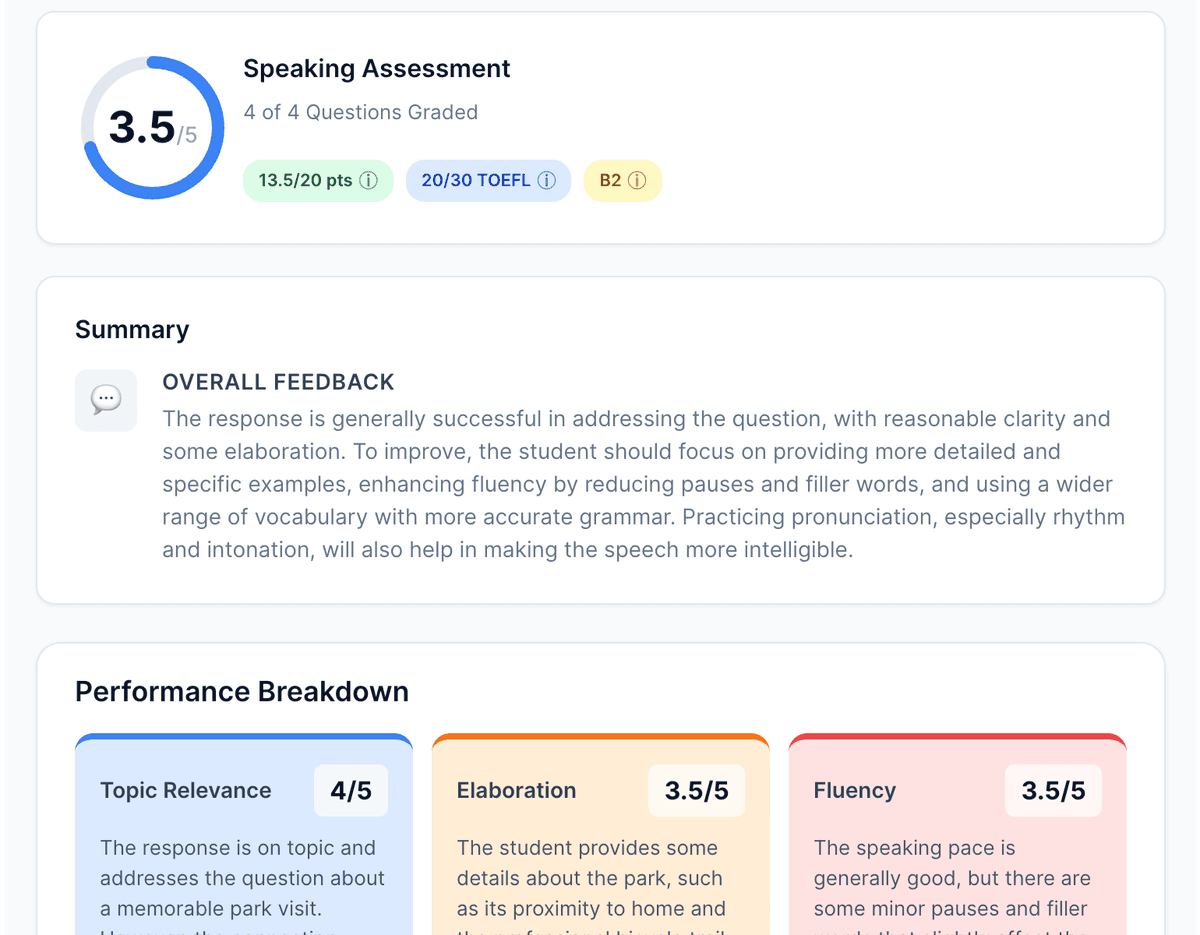 AI Speaking Score
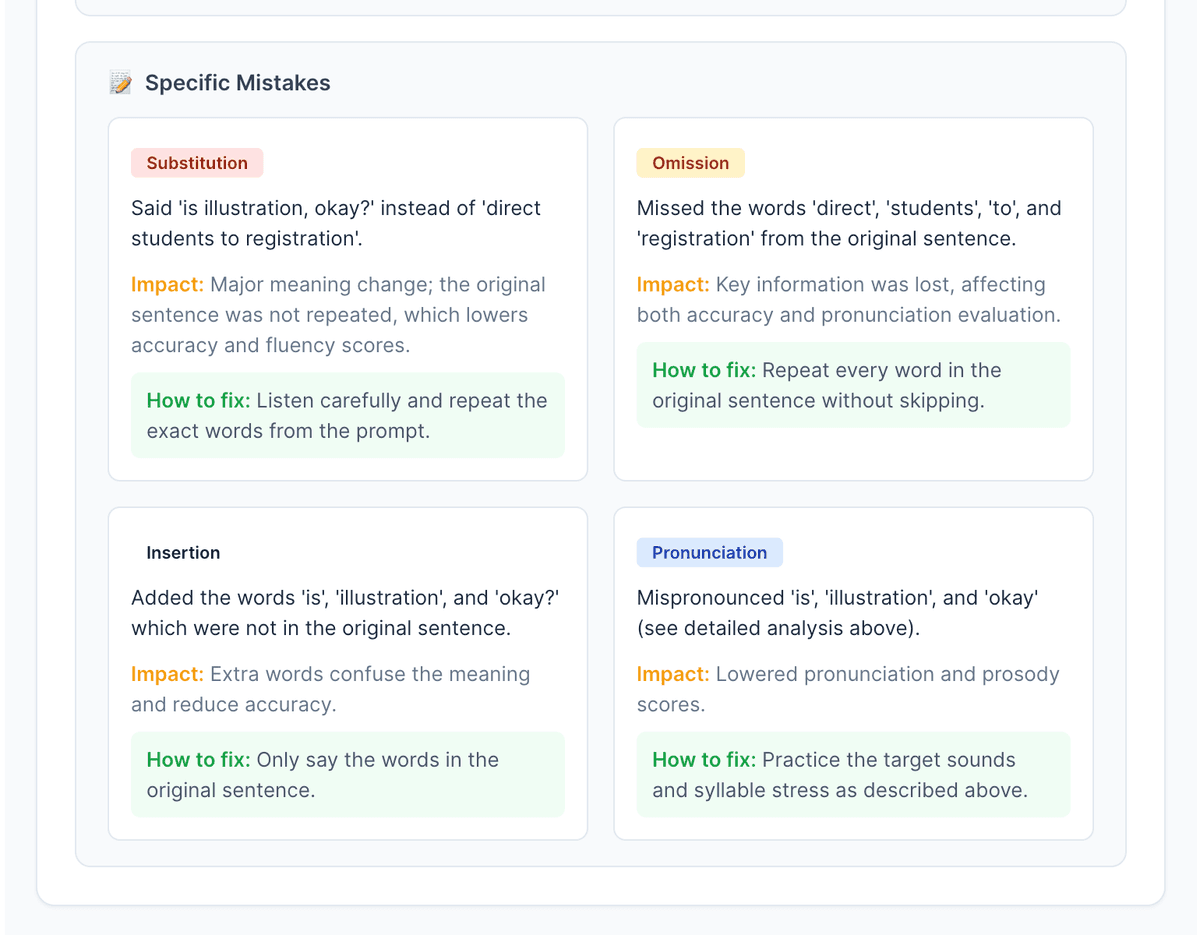 Mistake Analysis
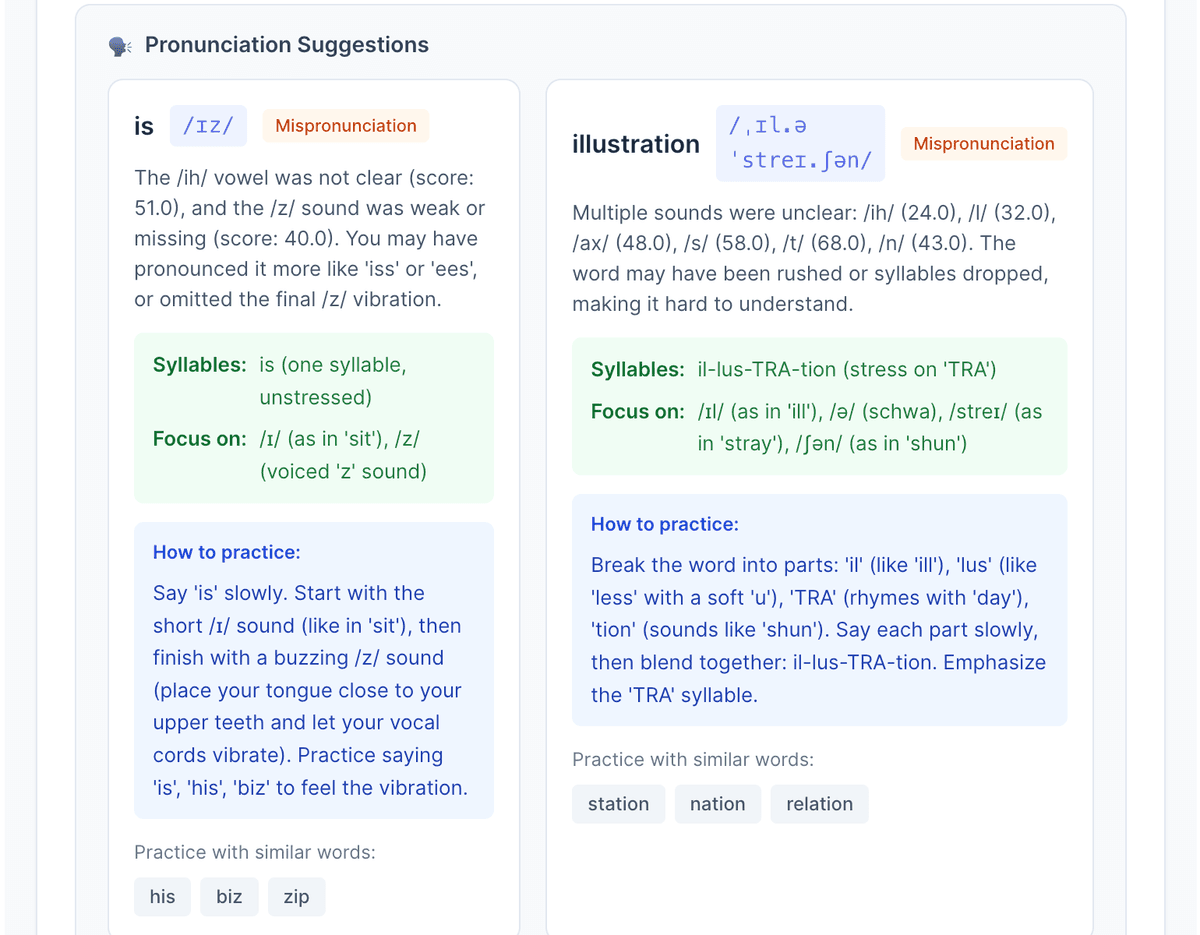 Pronunciation Feedback
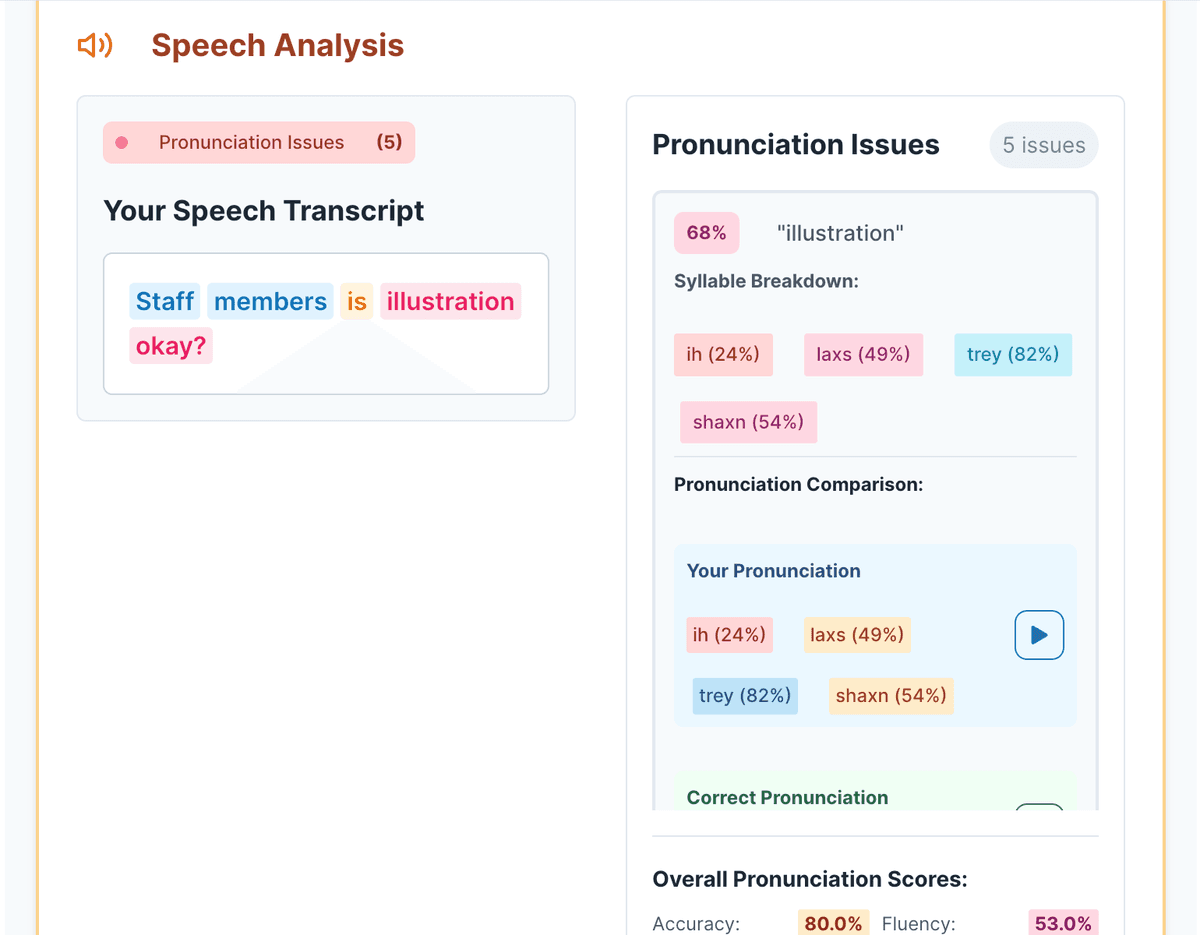 Speech Analysis
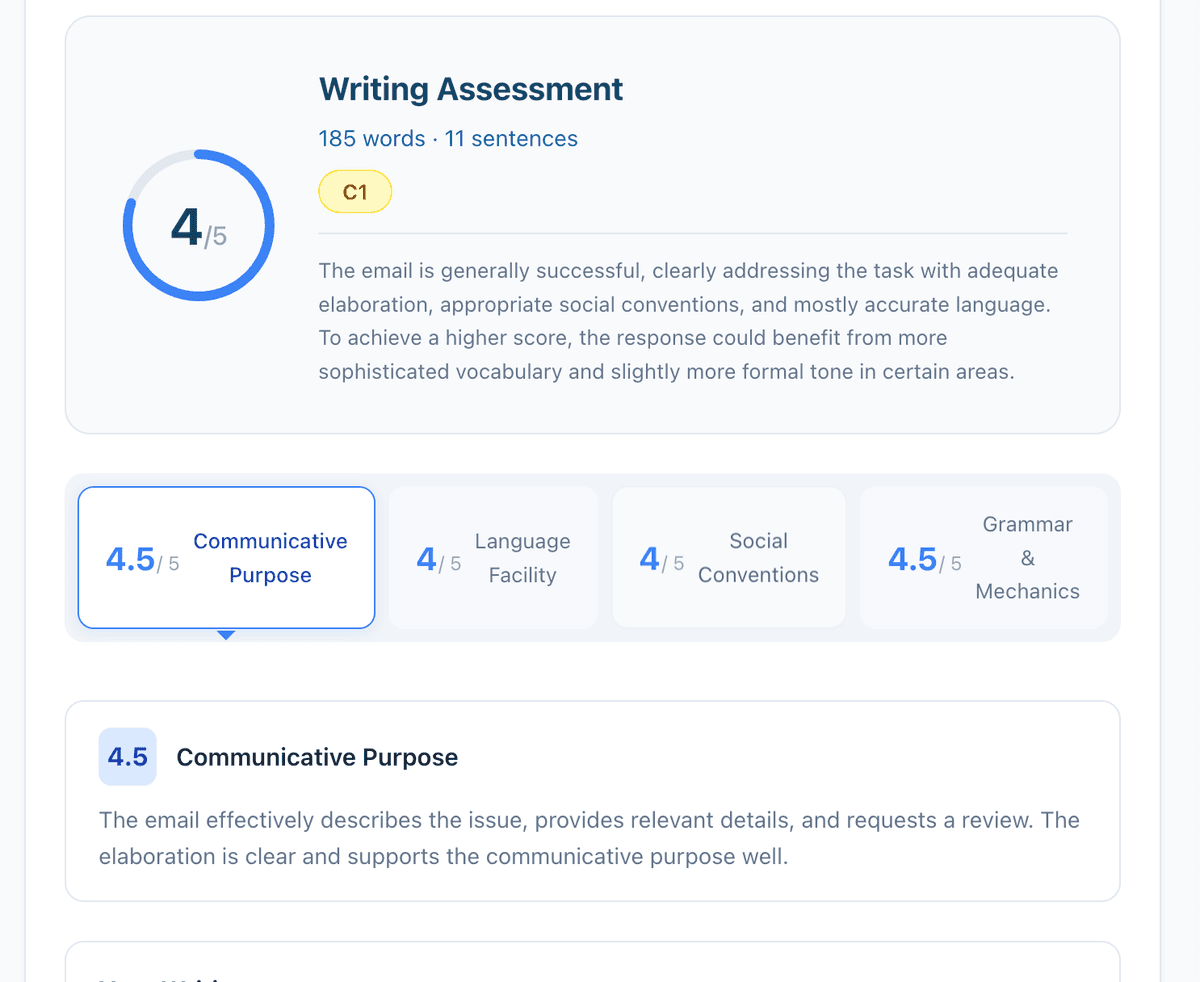 AI Writing Score
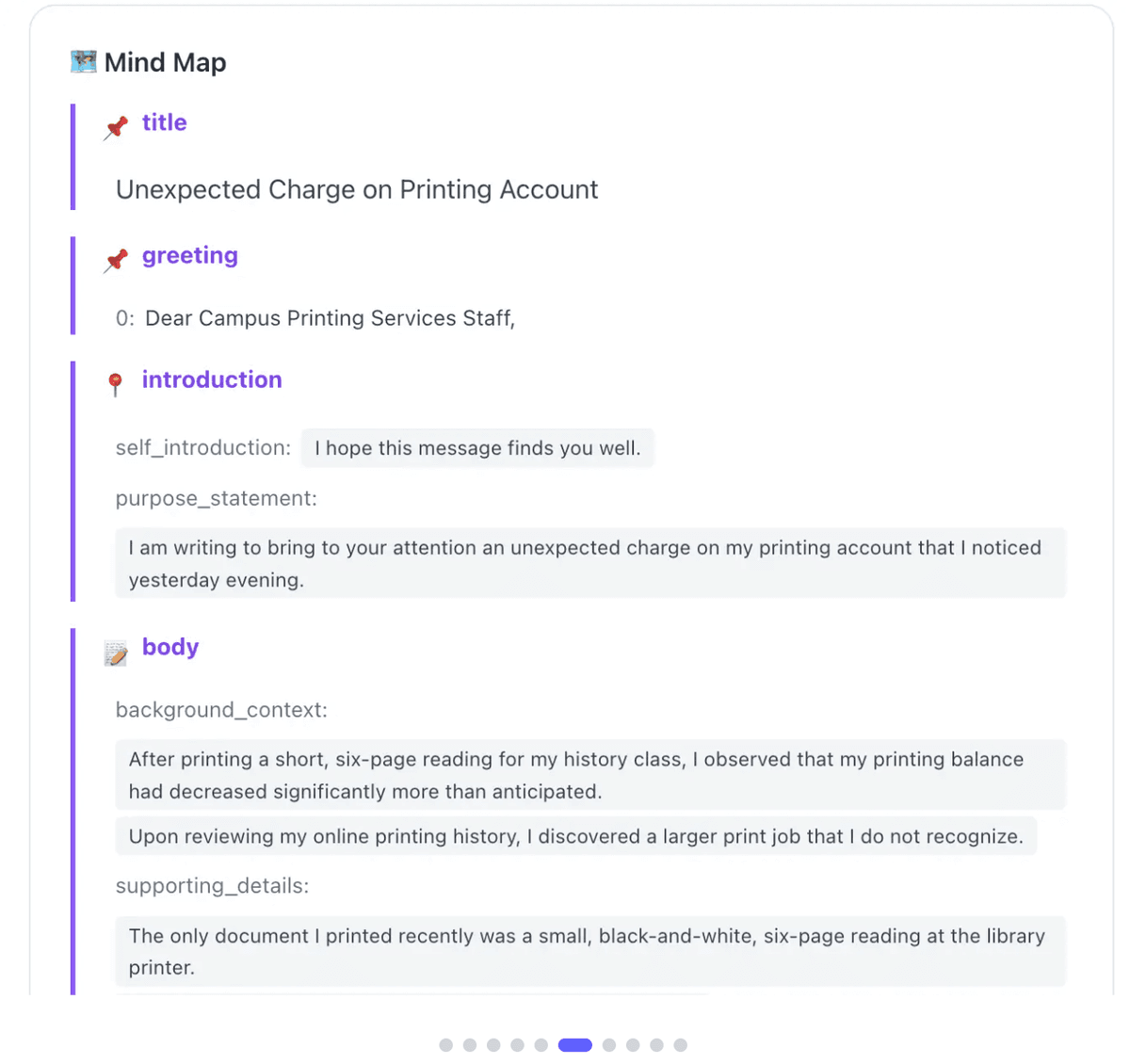 Article Structure Feedback
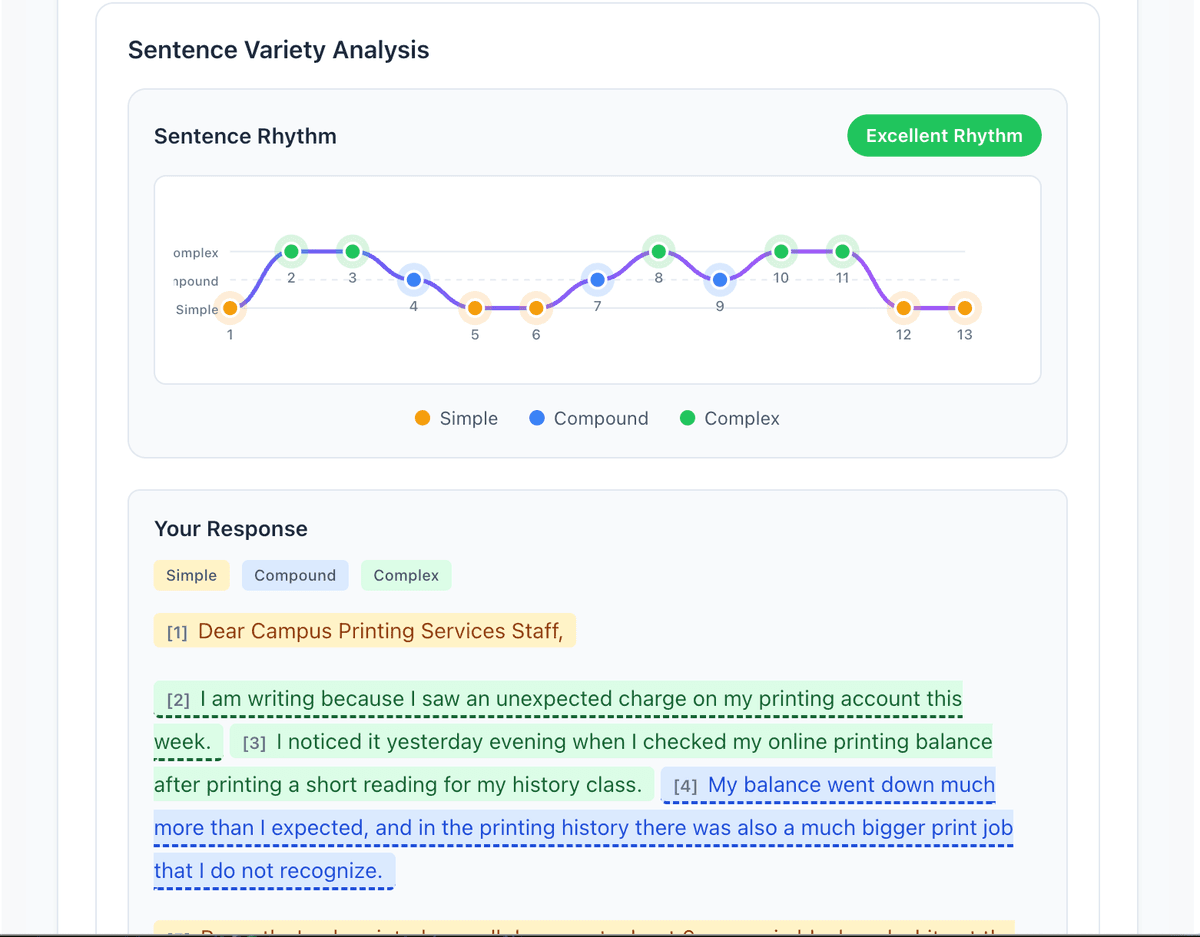 Sentence Variety
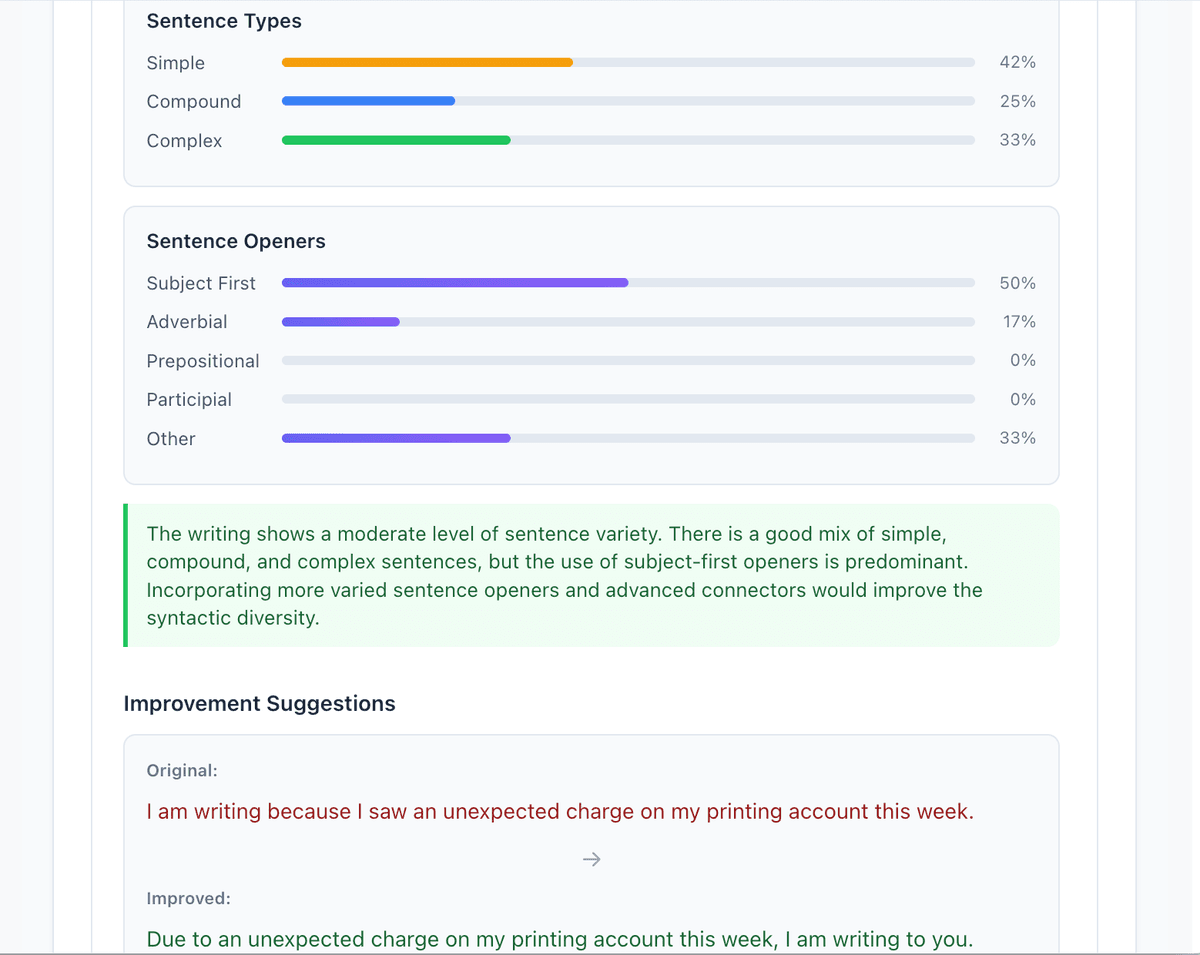 Improvement Suggestions
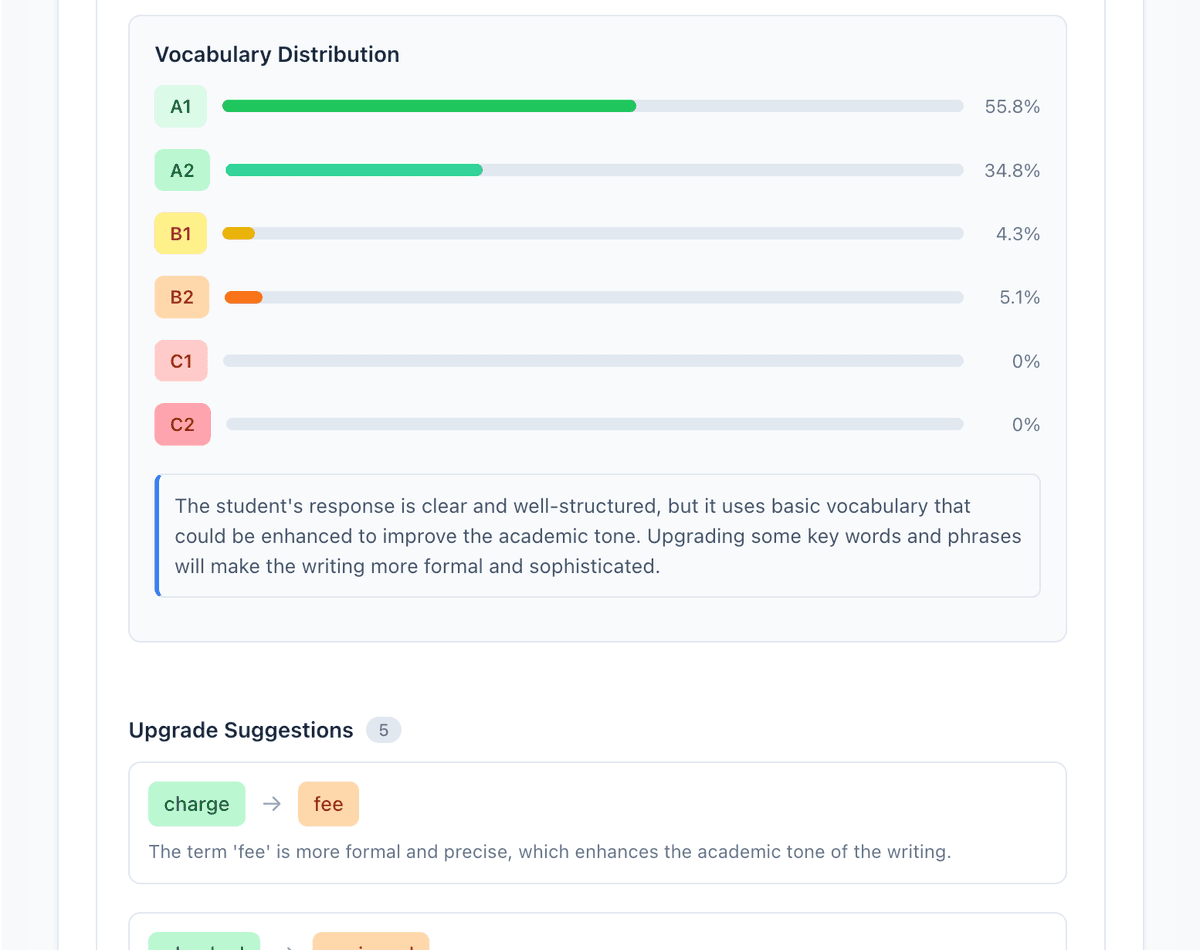 Vocabulary Feedback
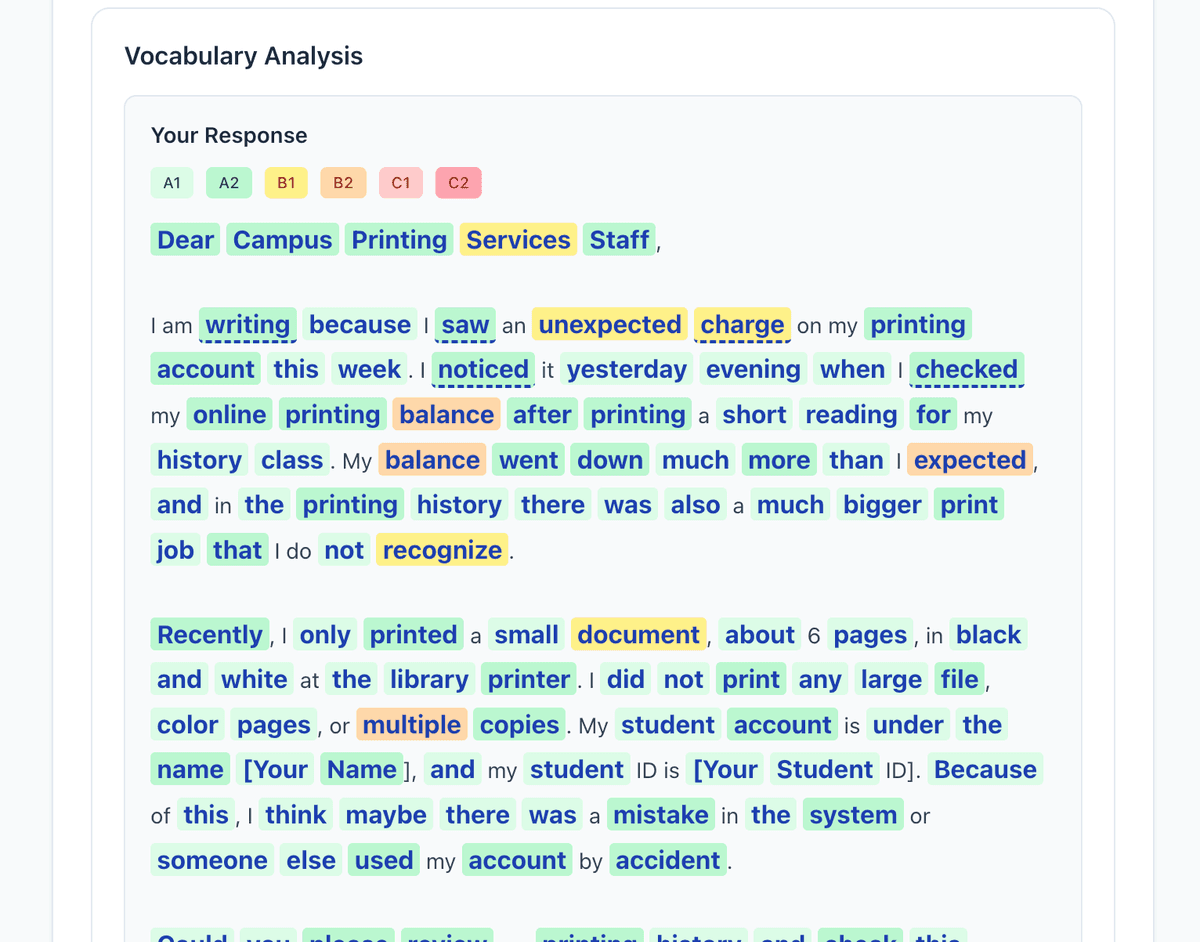 Vocabulary Analysis
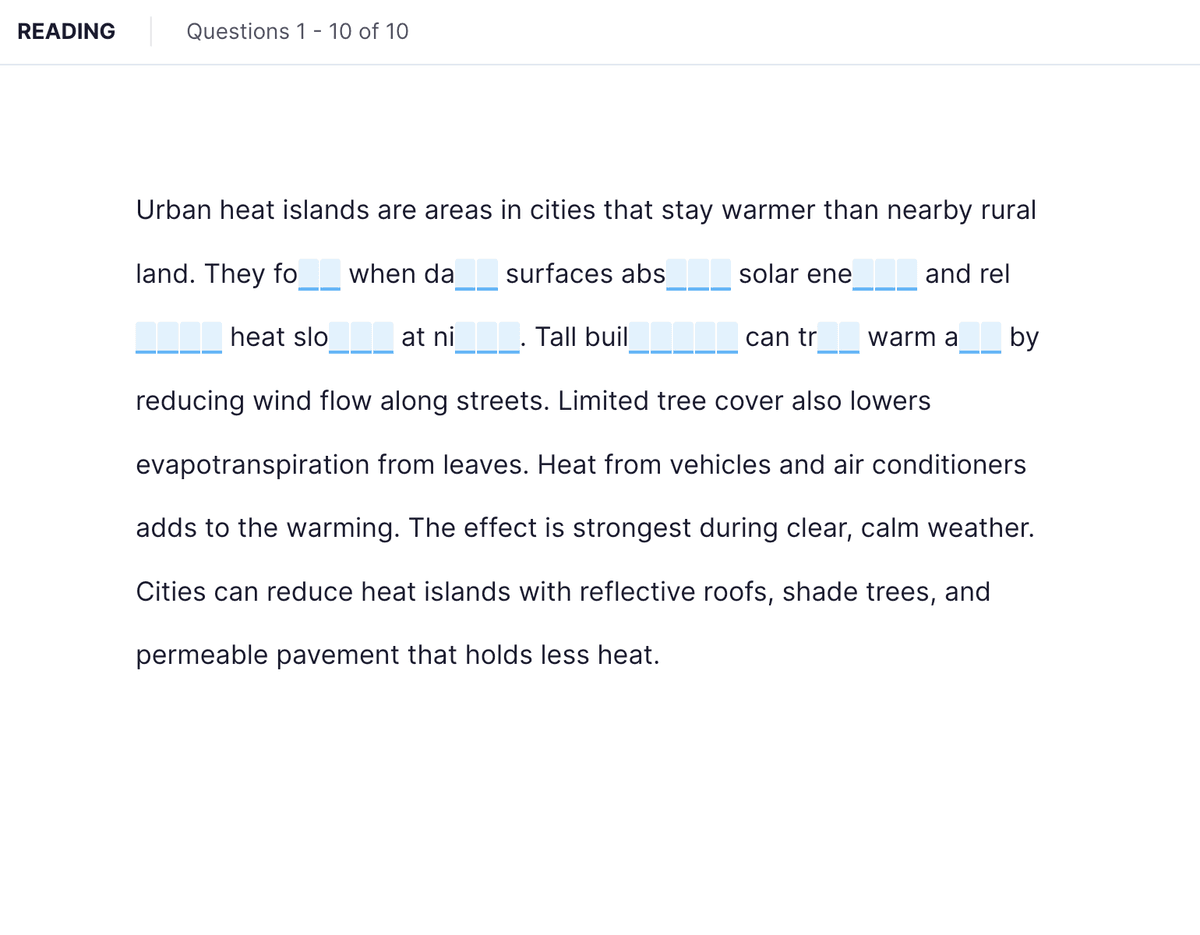 TOEFL 26 New: Reading
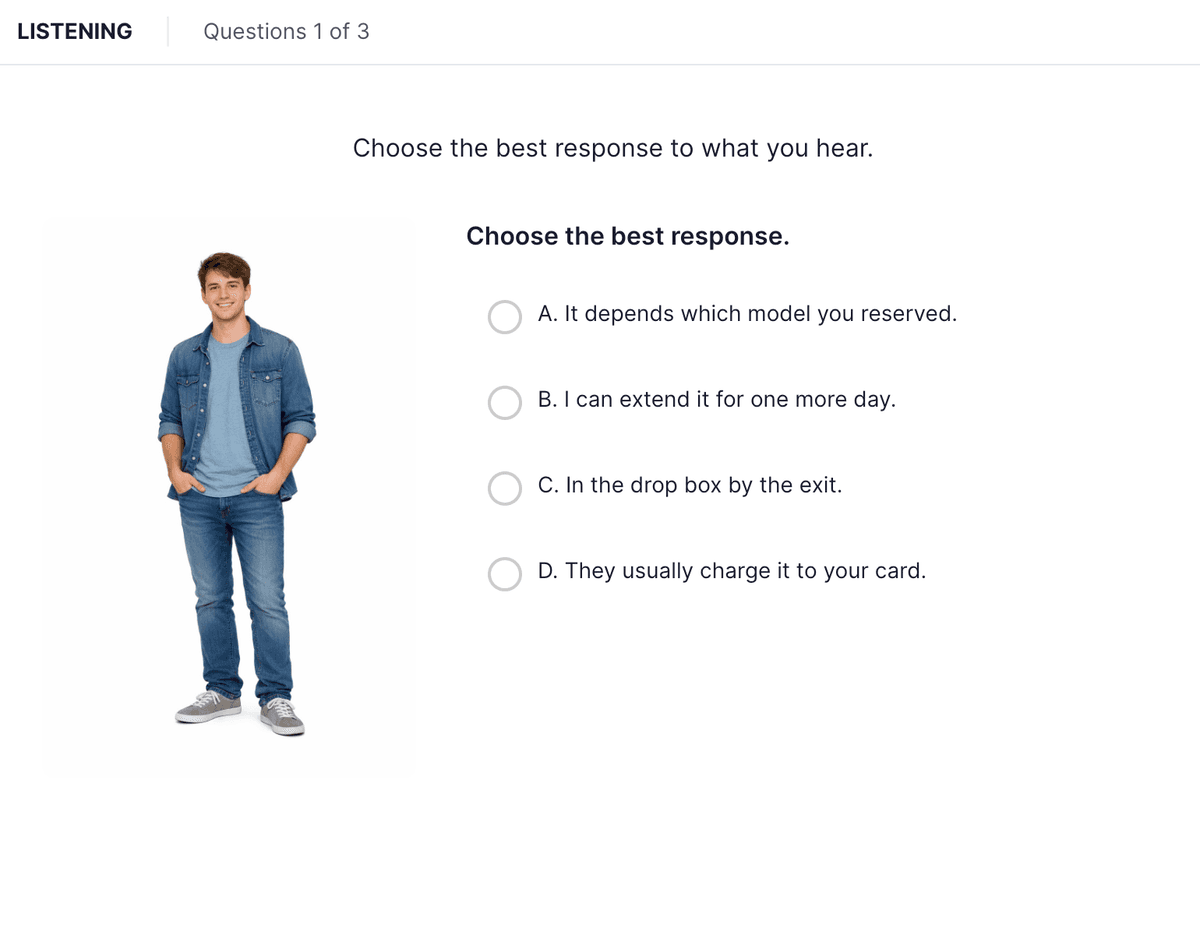 TOEFL 26 New: Listening
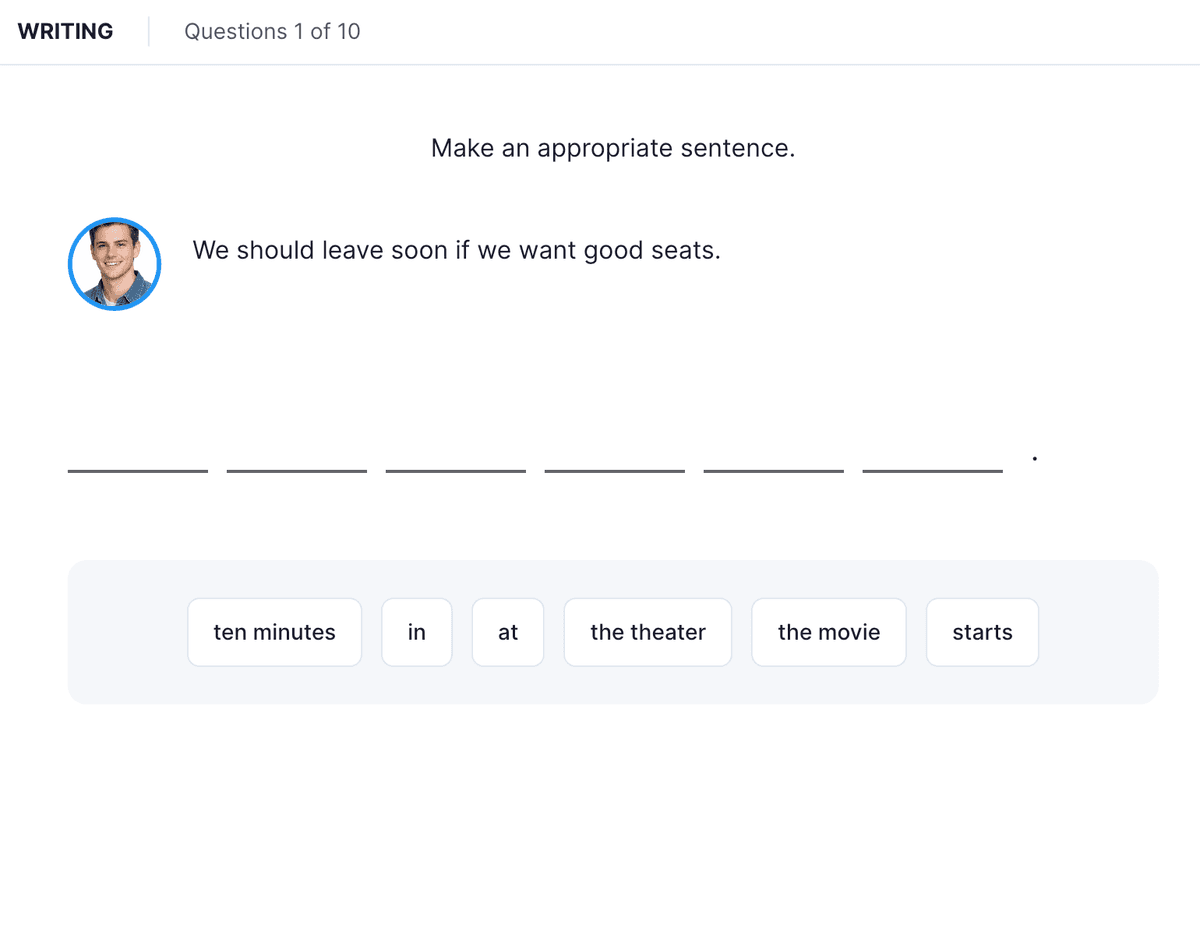 TOEFL 26 New: Writing
 TOEFL 26 New: Speaking
Wat is een TOEFL 26 oefentest?
Een TOEFL 26 oefentest is een oefentoets die is ontworpen voor het volledig vernieuwde TOEFL iBT-format dat op 21 januari 2026 is gelanceerd.
De nieuwe TOEFL introduceert 10 geheel nieuwe taaktypes voor Reading, Listening, Writing en Speaking, meerfasig adaptief testen bij Reading en Listening, en een nieuwe scoreschaal van 1–6 die is afgestemd op het CEFR.
Om je effectief voor te bereiden heb je oefentests nodig die de nieuwe structuur weerspiegelen, met alle 10 taaktypes en het bijgewerkte scoresysteem.
Lingoleap biedt TOEFL 26 oefentests die de werkelijke examenervaring zo nauwkeurig mogelijk nabootsen.
Nieuw TOEFL 2026 format
Het TOEFL 2026 examen bestaat uit 4 secties: Reading, Listening, Writing en Speaking. De geschatte tijd om het examen af te ronden is minder dan 2 uur. De testtijd omvat geen instructies. Omdat de test adaptief is, kunnen de testtijd en het aantal vragen variëren.
Reading
~30 min
~50 vragen
Meerfasig adaptief testen in twee modules
Listening
~29 min
~47 vragen
Meerfasig adaptief testen in twee modules
Writing
~23 min
12 vragen
Lineair format — dezelfde taken voor alle deelnemers
Speaking
~8 min
11 vragen
Lineair format — dezelfde taken voor alle deelnemers
Alle TOEFL 2026 taaktypes
Reading
- Complete the Words
- Read in Daily Life
- Read an Academic Passage
8 vraagtypes: Factual & Negative Factual, Vocabulary, Select the Sentence, Sentence Simplification, Reference, Inference, Rhetorical Purpose, Insert Text
Listening
- Listen and Choose a Response
- Listen to a Conversation
- Listen to an Announcement
- Listen to an Academic Talk
6 vraagtypes: Main Idea, Factual, Inference, Purpose, Method, Attitude
Writing
- Build a Sentence
- Write an Email
- Write for an Academic Discussion
Lineair format — beoordeeld op communicatief doel, syntaxis, woordkeuze, sociale conventies en nauwkeurigheid
Speaking
- Listen and Repeat
- Take an Interview
Lineair format — beoordeeld op presentatie (helderheid, vloeiendheid), taalgebruik (grammatica, woordenschat) en uitwerking
De secties Reading en Listening maken gebruik van meerfasig adaptief testen — je prestatie in Module 1 bepaalt het moeilijkheidsniveau van Module 2. Dit zorgt voor een meer gepersonaliseerde ervaring en meet je vaardigheden efficiënter en nauwkeuriger.
Waarom kiezen voor Lingoleap TOEFL 26 oefentests
De meeste TOEFL-oefenmaterialen zijn nog steeds gebaseerd op het oude testformat. Lingoleap is speciaal gebouwd voor het TOEFL 2026 format.
 Volledige oefentests met alle 10 officiële TOEFL 2026 taaktypes
- Meerfasig adaptief Reading en Listening dat de echte test weerspiegelt
- AI-beoordeling voor Speaking en Writing afgestemd op de officiële ETS-beoordelingscriteria
- Een van de grootste beschikbare bibliotheken met TOEFL 26 oefentests
De meeste materialen bereiden je voor op de oude TOEFL. Lingoleap bereidt je voor op de nieuwe.
Volledige dekking van TOEFL 2026 taaktypes
Elke Lingoleap TOEFL 26 oefentest behandelt alle 10 officiële taaktypes in de vier testsecties — precies zoals ze op het echte examen voorkomen.
Reading
- Complete the Words
Ontbrekende delen van woorden aanvullen in een korte academische alinea
- Read in Daily Life
Praktische teksten lezen zoals e-mails, mededelingen of berichten op sociale media
- Read an Academic Passage
Een korte academische tekst (~200 woorden) lezen en 5 vragen beantwoorden
Listening
- Listen and Choose a Response
Een korte vraag of uitspraak beluisteren en het beste antwoord uit 4 opties kiezen
- Listen to a Conversation
Vragen beantwoorden over korte campusgesprekken tussen 2 sprekers
- Listen to an Announcement
Vragen beantwoorden over aankondigingen in de klas of op de campus
- Listen to an Academic Talk
Vragen beantwoorden over korte academische voordrachten over uiteenlopende onderwerpen
Writing
- Build a Sentence
Woorden en zinsdelen rangschikken om een zin te vormen in een kort dialoog
- Write an Email
Een e-mail schrijven met een specifiek doel, zoals aanbevelen, uitnodigen of een oplossing voorstellen
- Write for an Academic Discussion
Een bericht van een professor en 2 studentenreacties lezen en vervolgens je eigen bijdrage schrijven (100+ woorden)
Speaking
- Listen and Repeat
7 gesproken zinnen herhalen die toenemen in lengte en complexiteit
- Take an Interview
4 interviewvragen beantwoorden in een gesimuleerd academisch gesprek (45 s per vraag)
Meerfasig adaptief testen — net als bij het echte TOEFL 2026 examen
Lingoleap oefentests simuleren de meerfasige adaptieve structuur van de echte TOEFL. Je prestatie in Module 1 bepaalt de moeilijkheidsgraad van Module 2, precies zoals bij het werkelijke examen.
Realistisch testverloop
Ervaar dezelfde adaptieve opbouw als bij het echte TOEFL 2026 examen — je prestatie in Module 1 bepaalt de moeilijkheidsgraad van Module 2
Oefenen op meerdere niveaus
Oefen zowel makkelijkere als moeilijkere modules om op elk niveau vertrouwen en nauwkeurigheid op te bouwen
Waarheidsgetrouw inzicht in je prestaties
Begrijp je werkelijke scorepotentieel op basis van adaptieve scorelogica en de omrekening van ruwe naar geschaalde scores
AI-beoordeling voor Speaking & Writing
Ontvang directe, gedetailleerde feedback op elke Speaking- en Writing-opdracht — afgestemd op de officiële ETS-beoordelingscriteria. Elke opdracht wordt holistisch beoordeeld op een schaal van 0–5.
Speaking-beoordeling
Listen and Repeat
- Herhalingsnauwkeurigheid
- Verstaanbaarheid
- Uitspraak
Take an Interview
- Presentatie (helderheid, vloeiendheid, uitspraak, intonatie)
- Taalgebruik (bereik en nauwkeurigheid van grammatica en woordenschat)
- Uitwerking (relevant onderwerp, goed onderbouwde ideeën)
Writing-beoordeling
Write an Email
- Uitwerking die het communicatieve doel ondersteunt
- Syntactische variatie en nauwkeurige, idiomatische woordkeuze
- Passende sociale conventies (beleefdheid, register, formaliteit)
- Lexicale en grammaticale nauwkeurigheid
Write for an Academic Discussion
- Relevante, goed uitgewerkte uitleg en voorbeelden
- Variatie in syntactische structuren en nauwkeurige, idiomatische woordkeuze
- Lexicale en grammaticale nauwkeurigheid
Try TOEFL Practice Test Questions Now
Warm up with these free sample questions modeled on the 2026 TOEFL iBT — one from each section. Reveal the answer and explanation, then start a full-length practice test when you are ready.
Read the short academic passage, then answer the question.
Bioluminescence — the production of light by living organisms — is common in the deep ocean, where sunlight never reaches. Many creatures use it to attract prey, confuse predators, or signal to potential mates. The light is produced by a chemical reaction between a molecule called luciferin and the enzyme luciferase. Because the reaction gives off almost no heat, scientists describe the light as "cold light."
According to the passage, why is bioluminescent light described as "cold light"?
- AIt is only found in cold, deep water.
- BThe chemical reaction releases very little heat.
- CIt appears blue rather than red or orange.
- DIt is produced only at night.
▸Show answer & explanation
Answer: B — The chemical reaction releases very little heat.
The final sentence states the reaction "gives off almost no heat," which is why it is called cold light. Option A confuses where the organisms live with why the light is cold; C and D add details the passage never mentions. Factual questions like this reward locating the exact supporting sentence rather than relying on outside knowledge.
Type the missing letters to complete the word so the sentence makes sense.
Regular exercise can signi______ reduce the risk of heart disease.
▸Show answer & explanation
Answer: significantly
"Complete the Words" gives you the first letters and the length of a word and asks you to finish it from context. Here the sentence needs an adverb describing how much exercise reduces risk — "significantly." Read the whole sentence first, decide the part of speech, then fit a word that starts with the letters shown.
On the real test you would hear this talk once. Read the transcript excerpt, then answer.
Professor: "So when we talk about the 'urban heat island' effect, we mean that cities tend to be several degrees warmer than the countryside around them. The main reason is surface material. Asphalt and concrete absorb heat during the day and release it slowly at night — unlike soil and vegetation, which cool down much faster. That's why a city can still feel warm hours after sunset."
What is the main cause of the urban heat island effect, according to the professor?
- ACities are located in naturally warmer regions.
- BBuildings block cooling wind from reaching streets.
- CPaved surfaces absorb and slowly release heat.
- DThere are more people generating body heat.
▸Show answer & explanation
Answer: C — Paved surfaces absorb and slowly release heat.
The professor names surface material — asphalt and concrete absorbing heat and releasing it slowly — as "the main reason." The other options are plausible-sounding distractors the talk never states. In the Listening section, note the speaker's signal phrases ("the main reason is…") to catch the point being tested.
Put the words and phrases in the correct order to form a grammatical sentence.
[ the deadline / because / the library / she / was approaching / stayed late at ]
▸Show answer & explanation
Answer: She stayed late at the library because the deadline was approaching.
"Build a Sentence" tests control of English word order and clause structure. Start with the subject ("She"), add the main verb phrase ("stayed late at the library"), then attach the reason clause introduced by "because." Checking that subject, verb, and connector line up is usually enough to place every chunk.
You have 45 seconds to answer. There is no single correct response — a strong answer is clear, on-topic, and supported with a reason or example.
Some students prefer to study in the morning, while others prefer the evening. Which do you prefer, and why?
▸Show answer & explanation
Answer: Sample strong response (outline)
Take a clear position, give one reason, and support it with a specific example: "I prefer studying in the morning because my mind is freshest right after I wake up. For instance, I can read a difficult chapter in thirty minutes in the morning, but the same chapter takes me an hour at night when I'm tired." Scoring rewards delivery (clear, fluent speech), language use (accurate grammar and vocabulary), and elaboration (a developed, on-topic idea) — so commit to one answer and develop it rather than listing both options.
These are original Lingoleap practice items built to mirror the 2026 TOEFL iBT task types. They are for practice only and are not real ETS test questions; Lingoleap is independent of and not endorsed by ETS.
Practice TOEFL by Section
A full-length mock test measures readiness, but targeted section practice is how you fix specific weaknesses. Drill any of the four sections and all 10 task types below.
Reading
Adaptive passages and the three 2026 reading task types.
Listening
Conversations, announcements, and academic talks with adaptive difficulty.
Speaking
Listen and Repeat plus the academic interview, with AI delivery feedback.
Writing
Build a Sentence, Write an Email, and Write for an Academic Discussion.
100+ volledige TOEFL 26 oefentests — maandelijks bijgewerkt
Krijg toegang tot een van de grootste beschikbare TOEFL 2026 oefentestbibliotheken. Elke maand worden er nieuwe tests toegevoegd, zodat je continu kunt oefenen met vers, bijgewerkt materiaal.
- 100+ volledige TOEFL 26 oefentests
- Alle tests afgestemd op het nieuwste TOEFL 2026 format en alle taaktypes
- Elke maand nieuwe tests toegevoegd
- Dekking van alle 4 secties en 10 taaktypes
- Covers all 4 sections and 10 task types
Hoe begin je met je TOEFL 26 oefentest
Maak een account aan
Registreer je gratis op Lingoleap
Kies een oefentest
Kies uit 100+ volledige TOEFL 26 oefentests
Begin met oefenen
Maak de test onder echte examenomstandigheden
Ontvang je score en feedback
Krijg AI-beoordeling en een gedetailleerde analyse van je prestaties
Begin je TOEFL 26 oefentest
Oefen het nieuwe TOEFL 2026 format met meerfasig adaptief testen, alle 10 taaktypes en AI-beoordeling.
Veelgestelde vragen
Alles wat je moet weten over TOEFL 26 oefentests
Wat is er anders aan het TOEFL 2026 format?
Het TOEFL 2026 examen, gelanceerd op 21 januari 2026, is een volledig vernieuwd examen. Het introduceert meerfasig adaptief testen bij Reading en Listening, waarbij je prestatie in Module 1 de moeilijkheidsgraad van Module 2 bepaalt. Writing en Speaking gebruiken een lineair format (dezelfde taken voor iedereen). Het examen bevat 10 geheel nieuwe taaktypes en een nieuwe scoreschaal van 1–6 die is afgestemd op het CEFR. De test duurt minder dan 2 uur.
Hoeveel taaktypes bevat de nieuwe TOEFL 2026?
De nieuwe TOEFL 2026 heeft 10 taaktypes verdeeld over 4 secties: 3 bij Reading (Complete the Words, Read in Daily Life, Read an Academic Passage), 4 bij Listening (Listen and Choose a Response, Listen to a Conversation, Listen to an Announcement, Listen to an Academic Talk), 3 bij Writing (Build a Sentence, Write an Email, Write for an Academic Discussion) en 2 bij Speaking (Listen and Repeat, Take an Interview).
Hoeveel TOEFL 26 oefentests biedt Lingoleap?
Lingoleap biedt momenteel 100+ volledige TOEFL 26 oefentests, en elke maand worden er nieuwe tests toegevoegd. Elke test behandelt alle vier secties en bevat elk officieel taaktype uit het TOEFL 2026 format.
Simuleert Lingoleap meerfasig adaptief testen?
Ja. Lingoleap is een van de weinige platforms die de meerfasige adaptieve teststructuur simuleren die wordt gebruikt bij de TOEFL 2026 secties Reading en Listening. Je prestatie in Module 1 beïnvloedt de moeilijkheidsgraad van Module 2, precies zoals bij het echte examen.
Hoe werkt de AI-beoordeling voor Speaking en Writing?
De AI van Lingoleap beoordeelt je antwoorden op basis van criteria die zijn afgestemd op de officiële ETS-beoordelingscriteria (holistische beoordeling 0–5 per vraag). Bij Speaking wordt Listen and Repeat beoordeeld op herhalingsnauwkeurigheid, verstaanbaarheid en uitspraak. Take an Interview wordt beoordeeld op presentatie (helderheid, vloeiendheid, tempo), taalgebruik (grammatica, woordenschat) en uitwerking (relevantie, onderbouwing). Bij Writing wordt Write an Email beoordeeld op communicatief doel, syntactische variatie en idiomatische woordkeuze, sociale conventies (beleefdheid, register) en lexicale/grammaticale nauwkeurigheid. Write for an Academic Discussion wordt beoordeeld op relevantie en uitwerking, syntactische structuren en woordkeuze, en lexicale/grammaticale nauwkeurigheid.
Zijn de Lingoleap oefentests hetzelfde als de echte TOEFL?
De oefentests van Lingoleap zijn ontworpen om de werkelijke TOEFL 2026 ervaring zo nauwkeurig mogelijk na te bootsen, inclusief de nieuwe taaktypes, meerfasig adaptief testen en de examenduur. Hoewel geen enkele oefentest identiek is aan het officiële examen, biedt Lingoleap een van de meest realistische TOEFL 2026 oefenervaringen die beschikbaar zijn.
Kan ik afzonderlijke secties oefenen in plaats van de volledige test?
Ja. Naast volledige oefentests kun je bij Lingoleap ook afzonderlijke secties oefenen — Reading, Listening, Speaking of Writing — zodat je je kunt concentreren op de gebieden waar je de meeste verbetering nodig hebt.
How accurate are Lingoleap's mock test score estimates?
Across 5,000+ paired records comparing a Lingoleap mock-test score estimate with the same learner's official TOEFL score, the mean absolute score difference is within 0.5 points on the TOEFL 1–6 scale. Score estimates are typically available within 1–2 minutes after submission. These are practice score estimates only — official TOEFL scores are issued exclusively by ETS, and Lingoleap is independent of and not endorsed by ETS. See verified student score-improvement stories at lingoleap.ai/toefl/success-stories.
How much does a full mock test cost?
A full mock test costs 800 credits and includes AI scoring for Reading, Listening, Speaking, and Writing with a complete score report. New accounts start with 200 free AI-feedback credits, and Reading and Listening practice never costs credits.