Пробные тесты TOEFL 26
Практика нового формата TOEFL 2026
Полноформатные пробные тесты TOEFL 26 с адаптивным чтением и аудированием, всеми новыми типами заданий и ИИ-оценкой устной и письменной речи.
Начните с одного задания Speaking или Writing в формате 2026 — его оценит ИИ. Бесплатно с аккаунтом LingoLeap, без карты.
Или откройте полный пробный тест PQ26-1 (проверка полного теста стоит 800 кредитов)
Все опубликованные тесты (104) ↓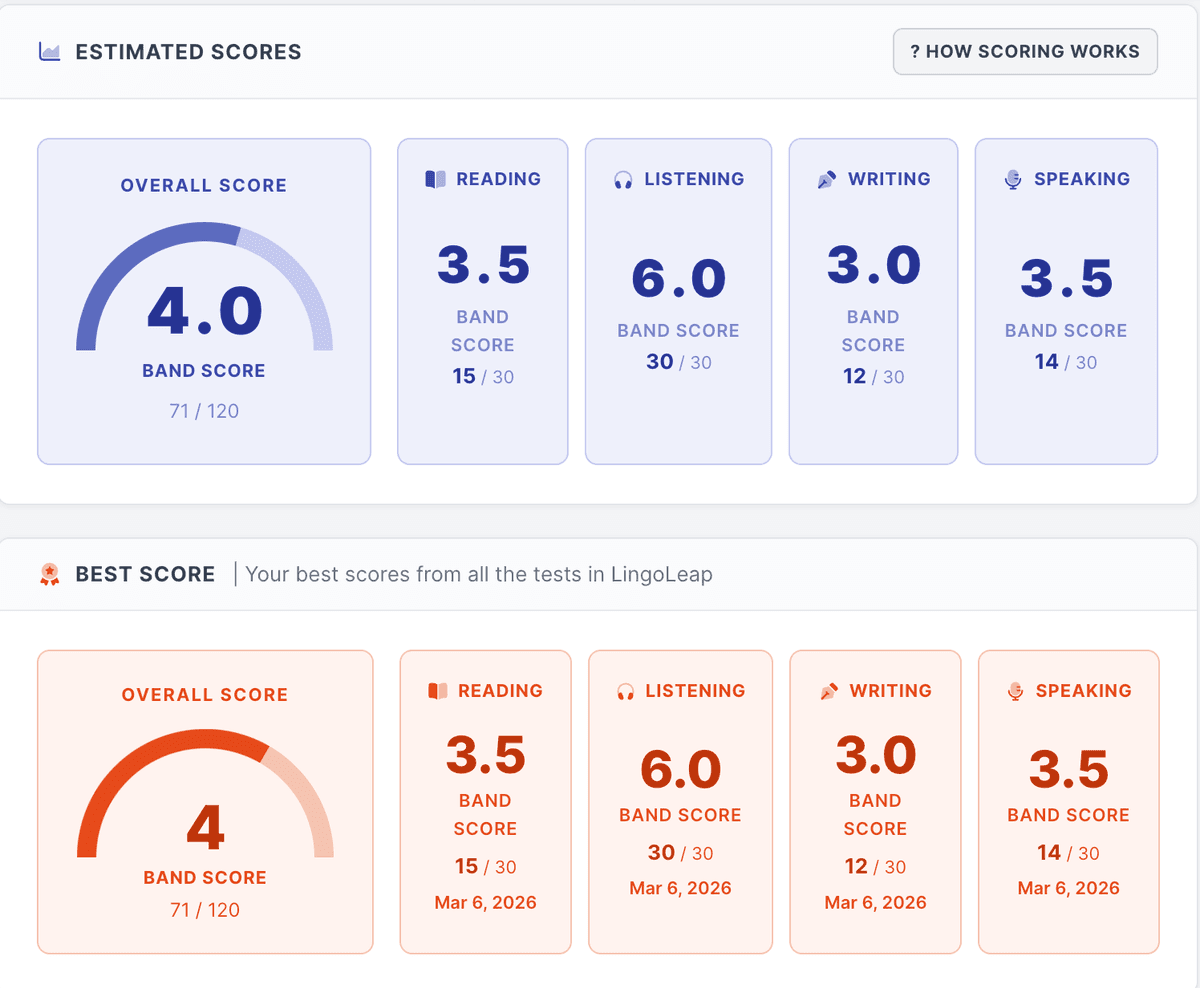 Score Report
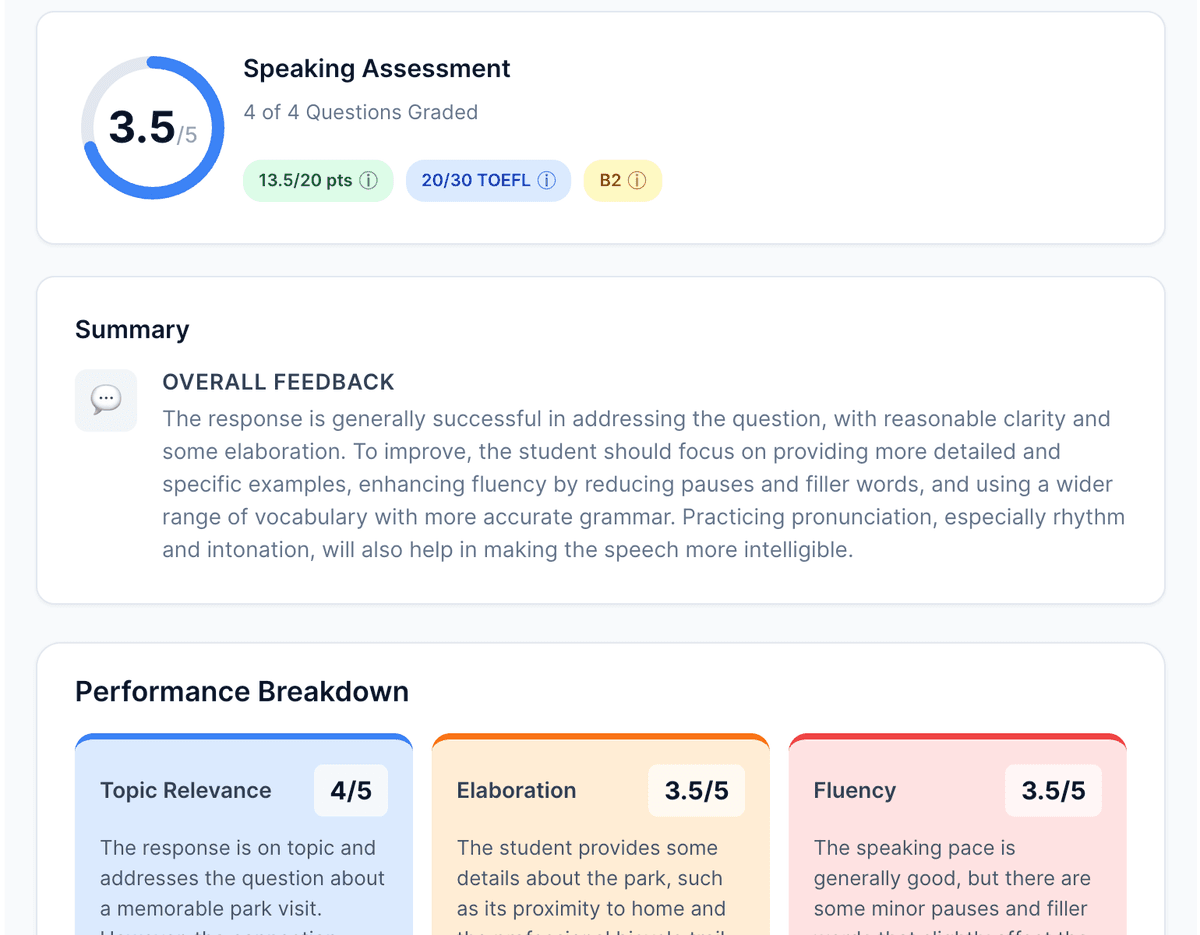 AI Speaking Score
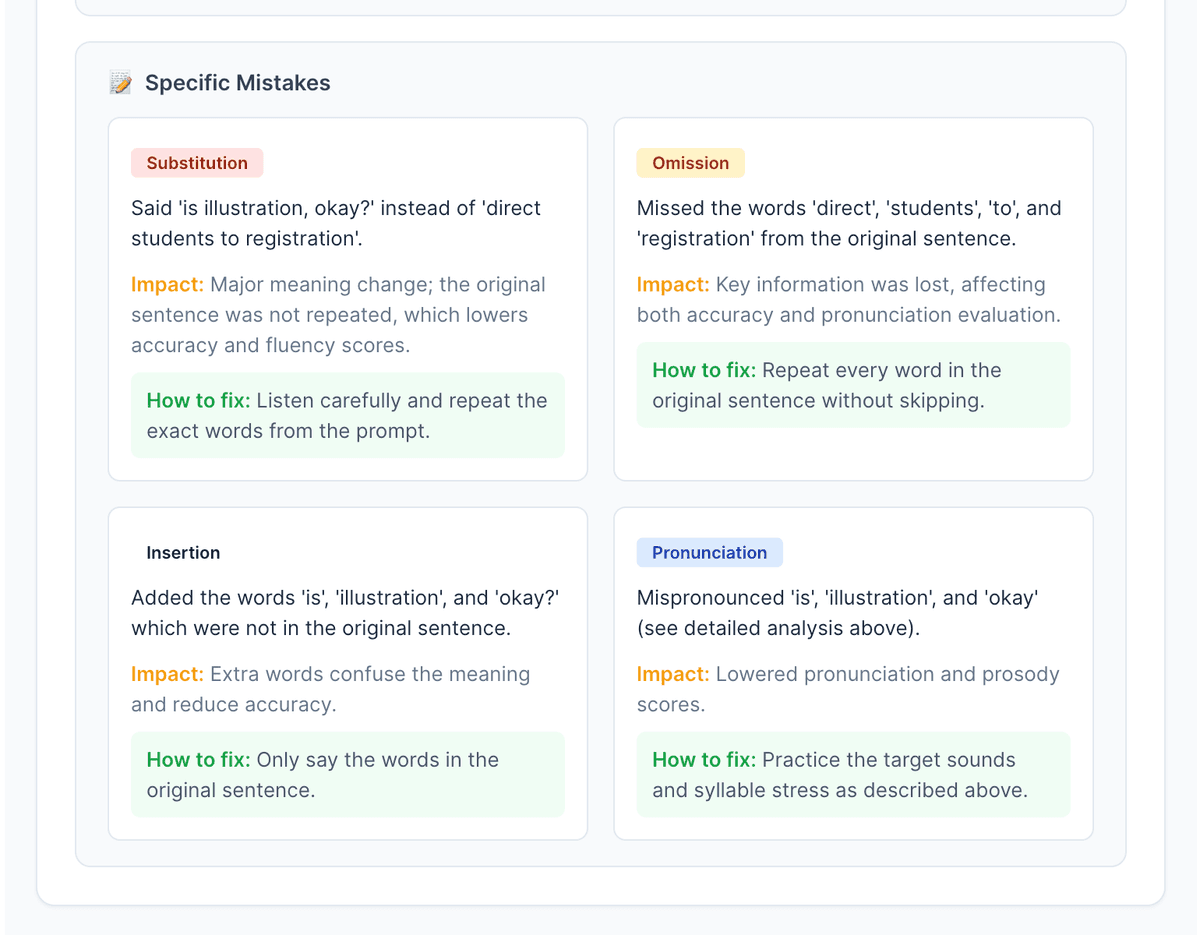 Mistake Analysis
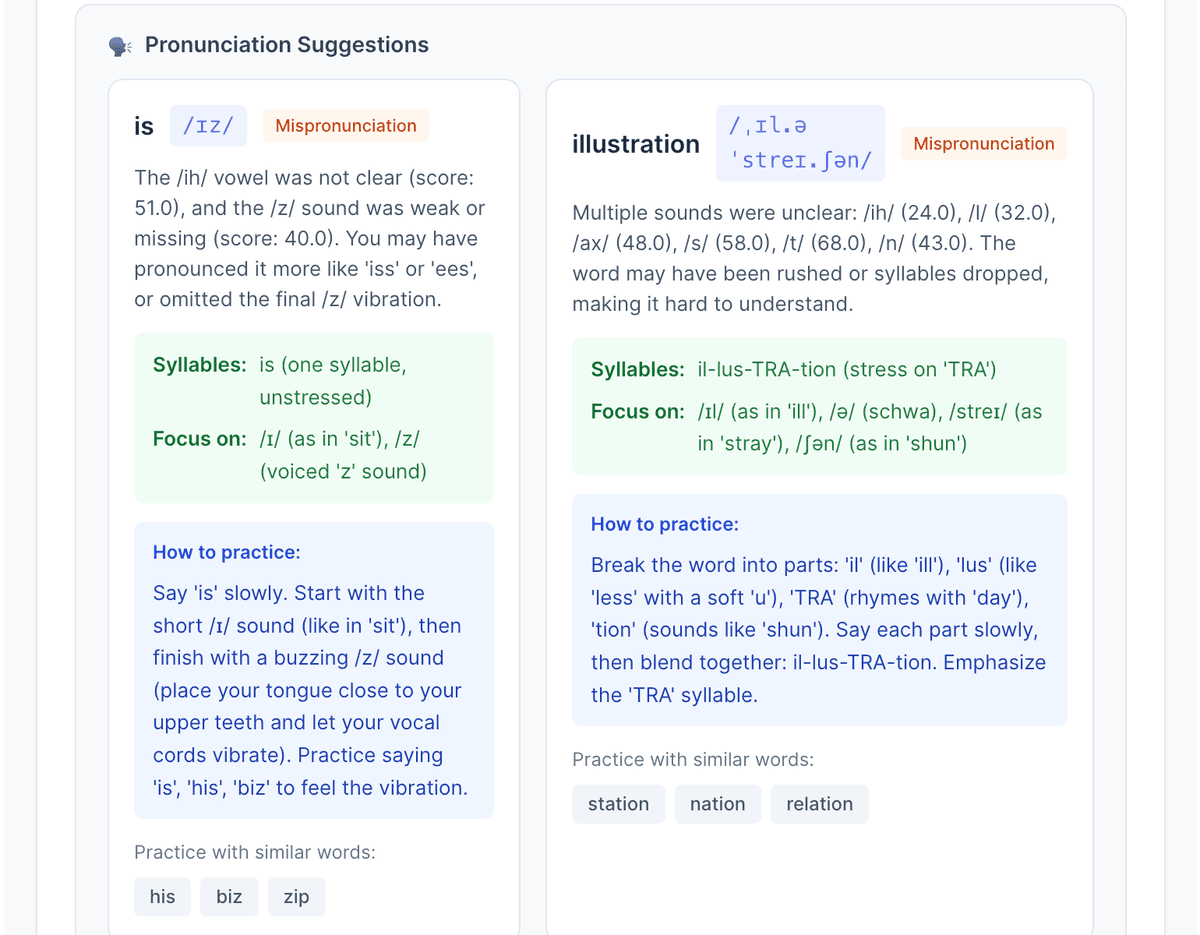 Pronunciation Feedback
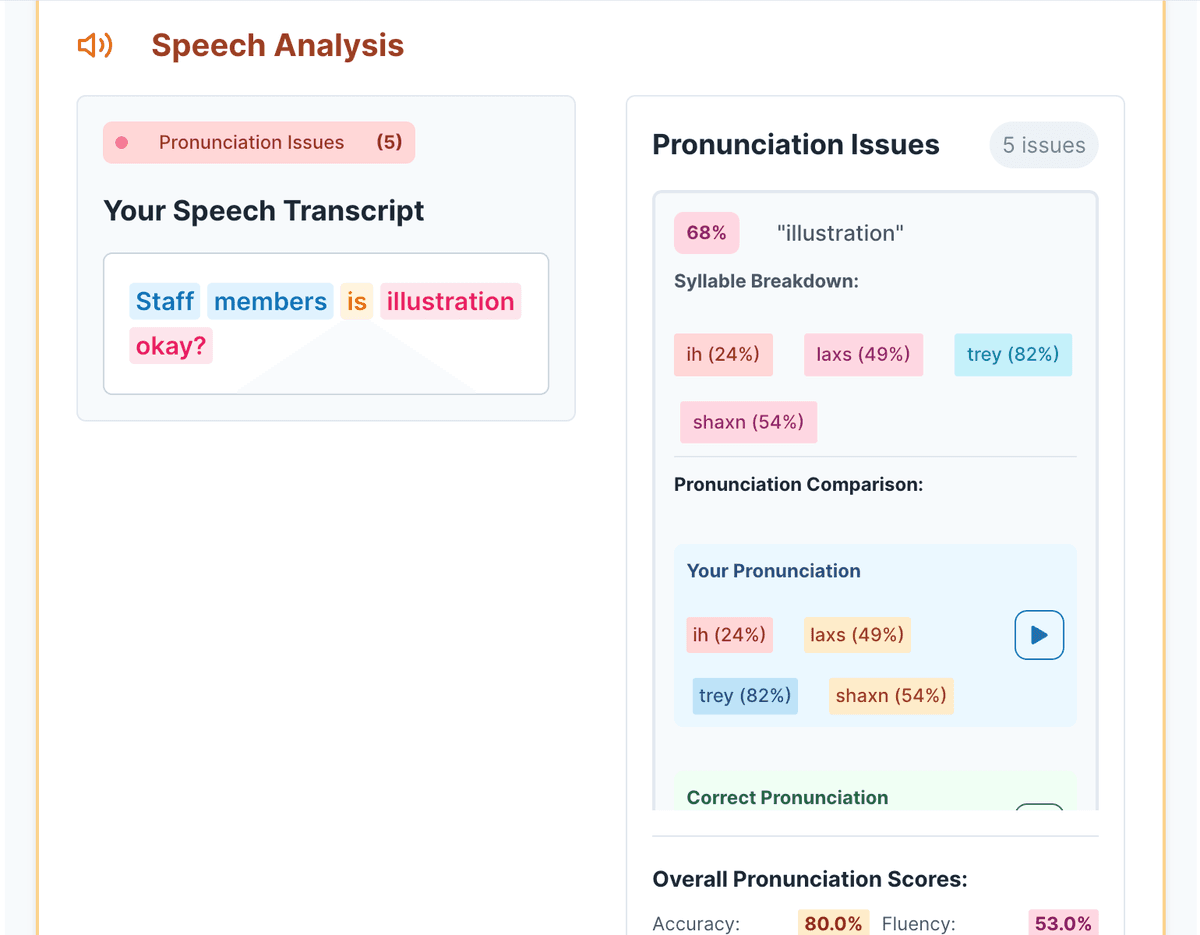 Speech Analysis
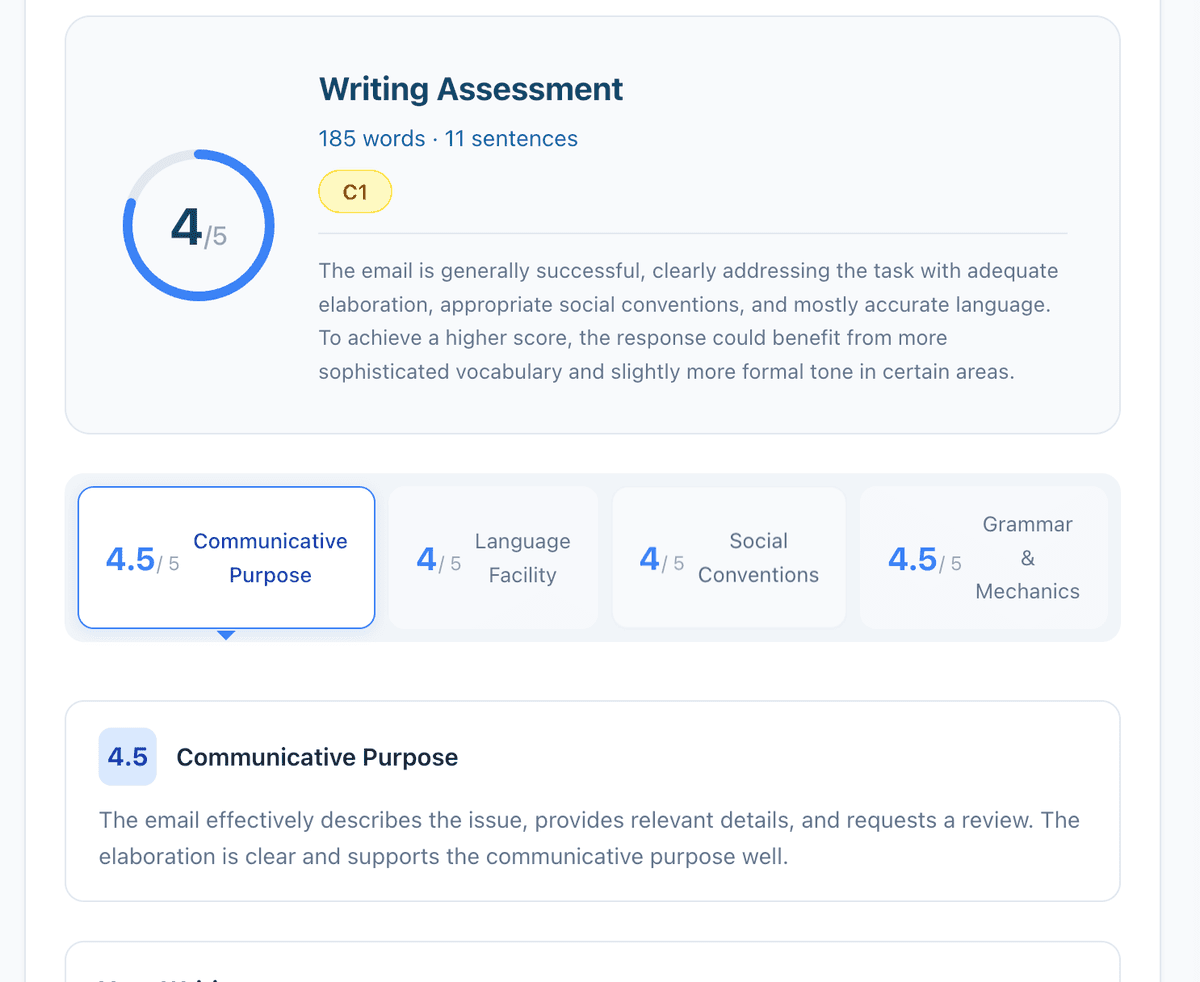 AI Writing Score
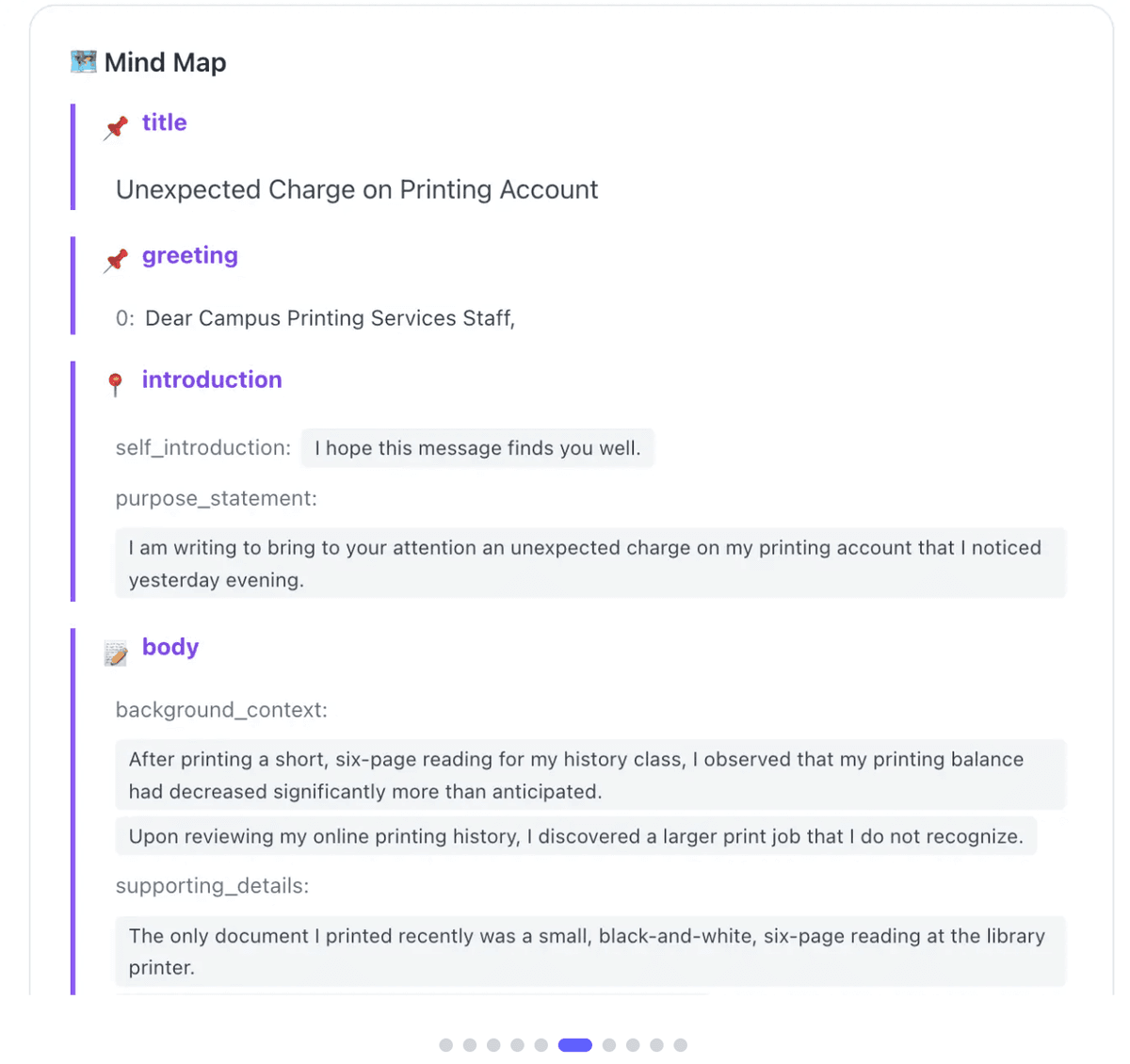 Article Structure Feedback
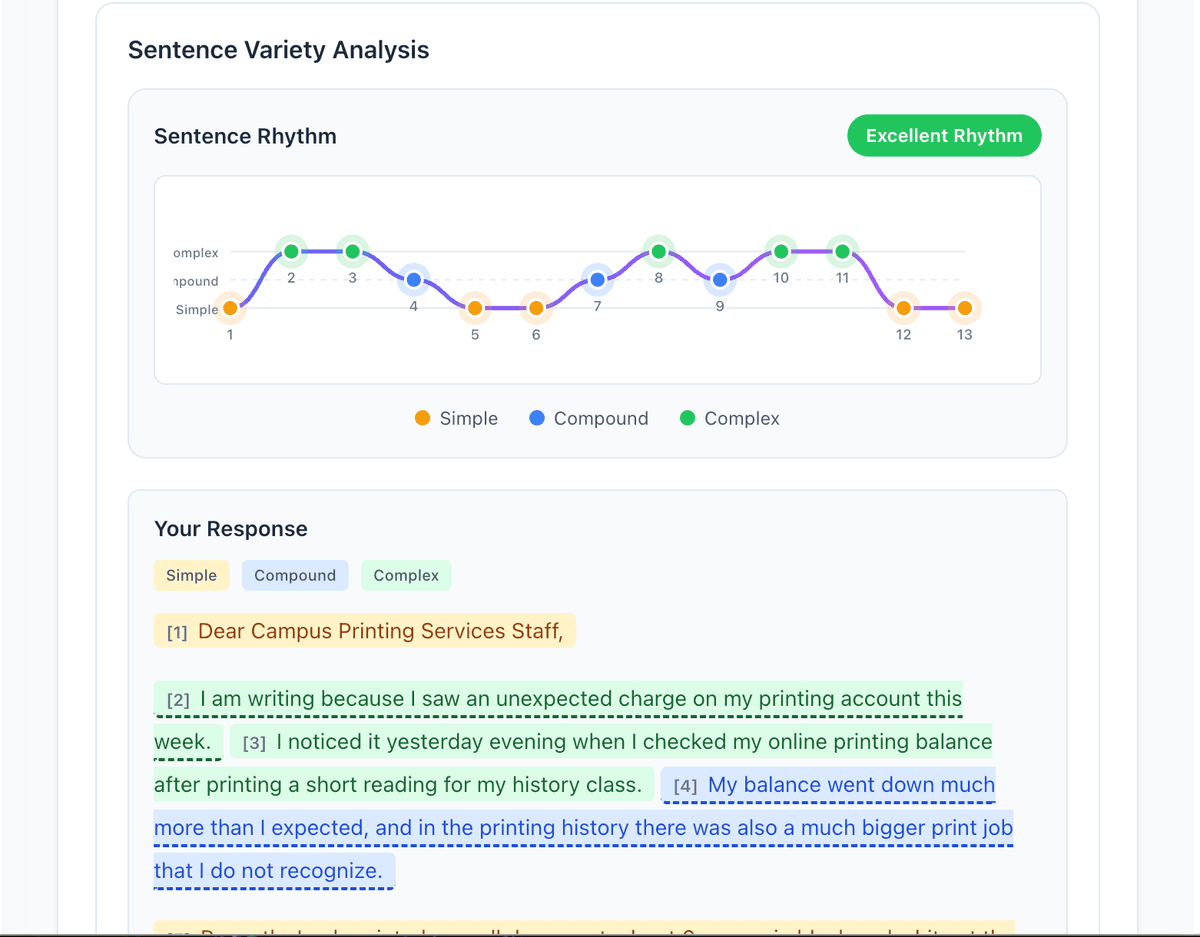 Sentence Variety
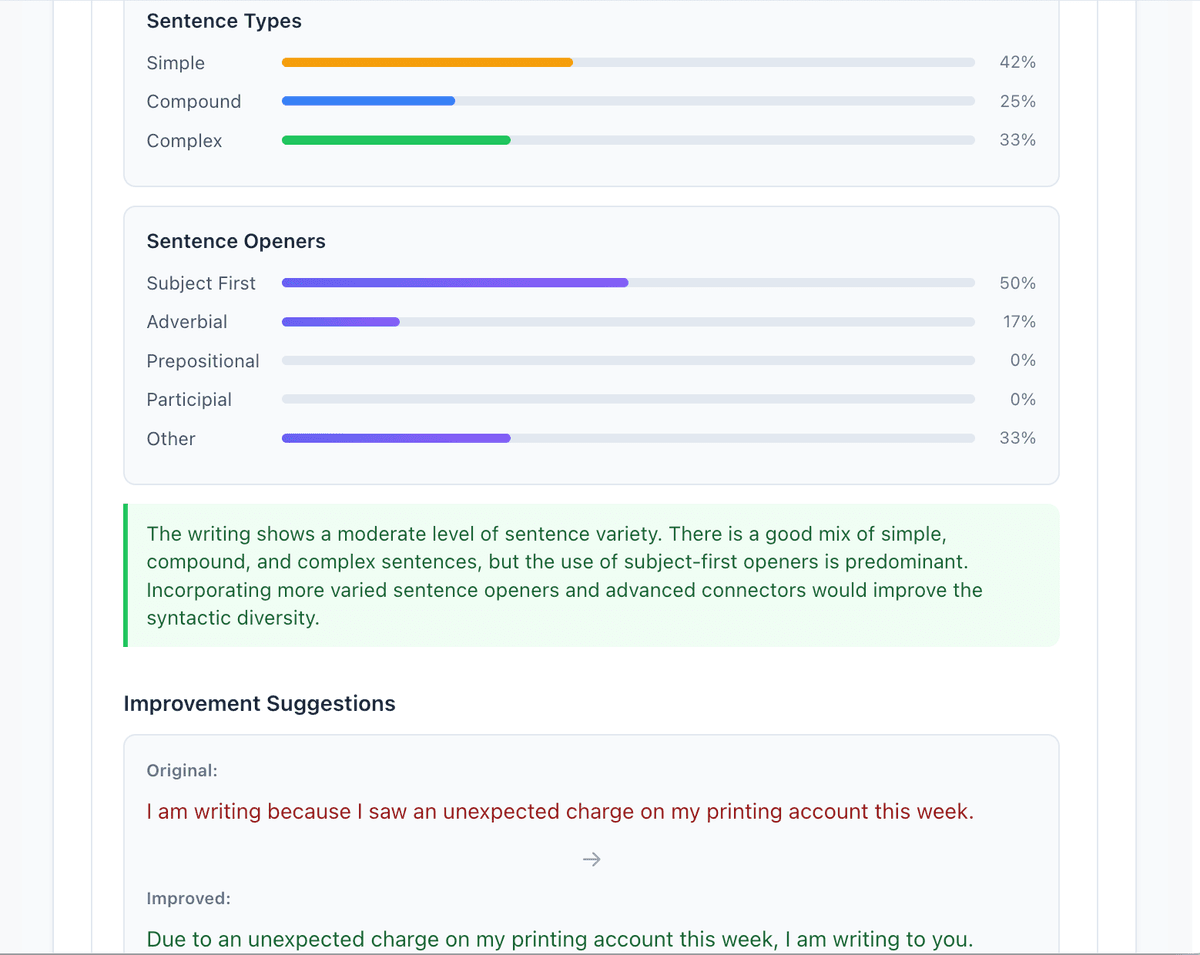 Improvement Suggestions
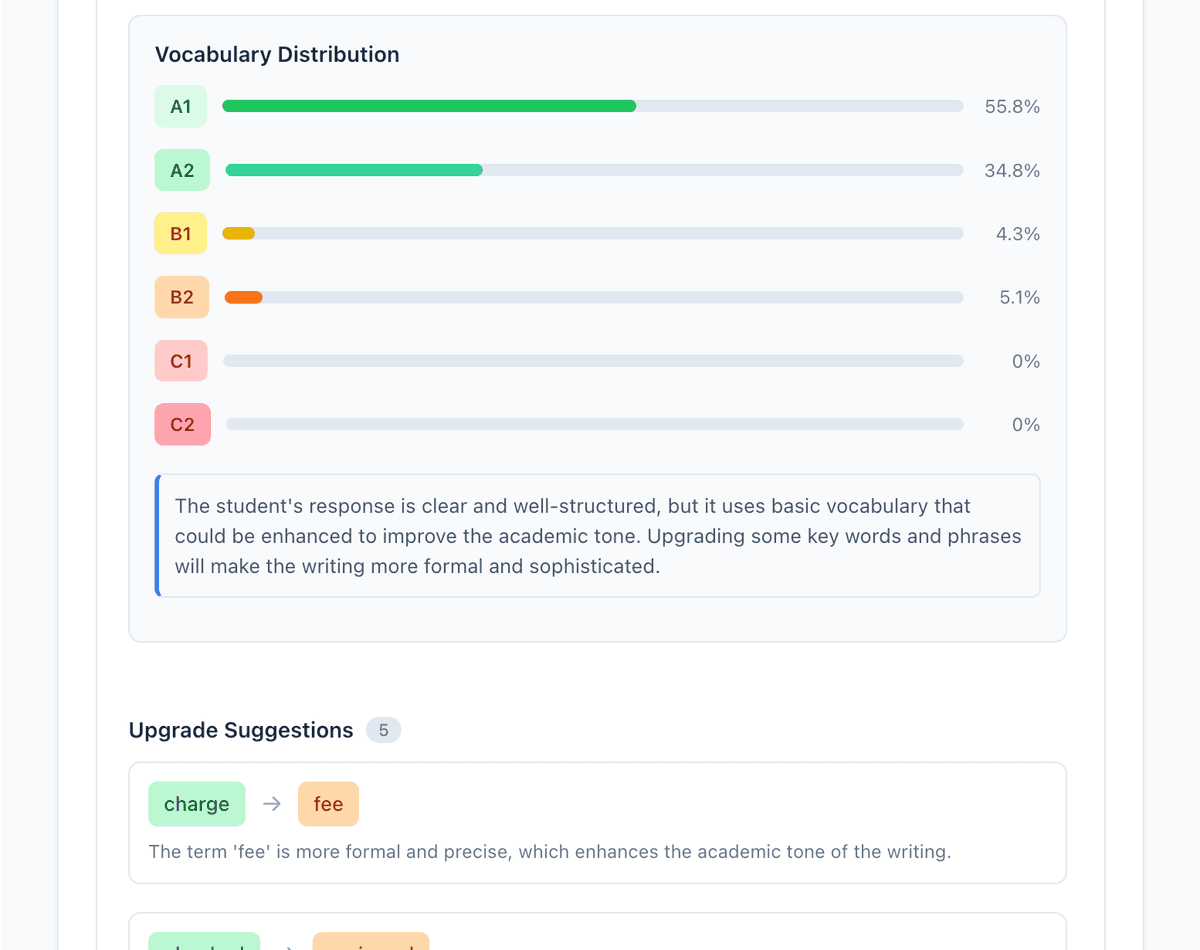 Vocabulary Feedback
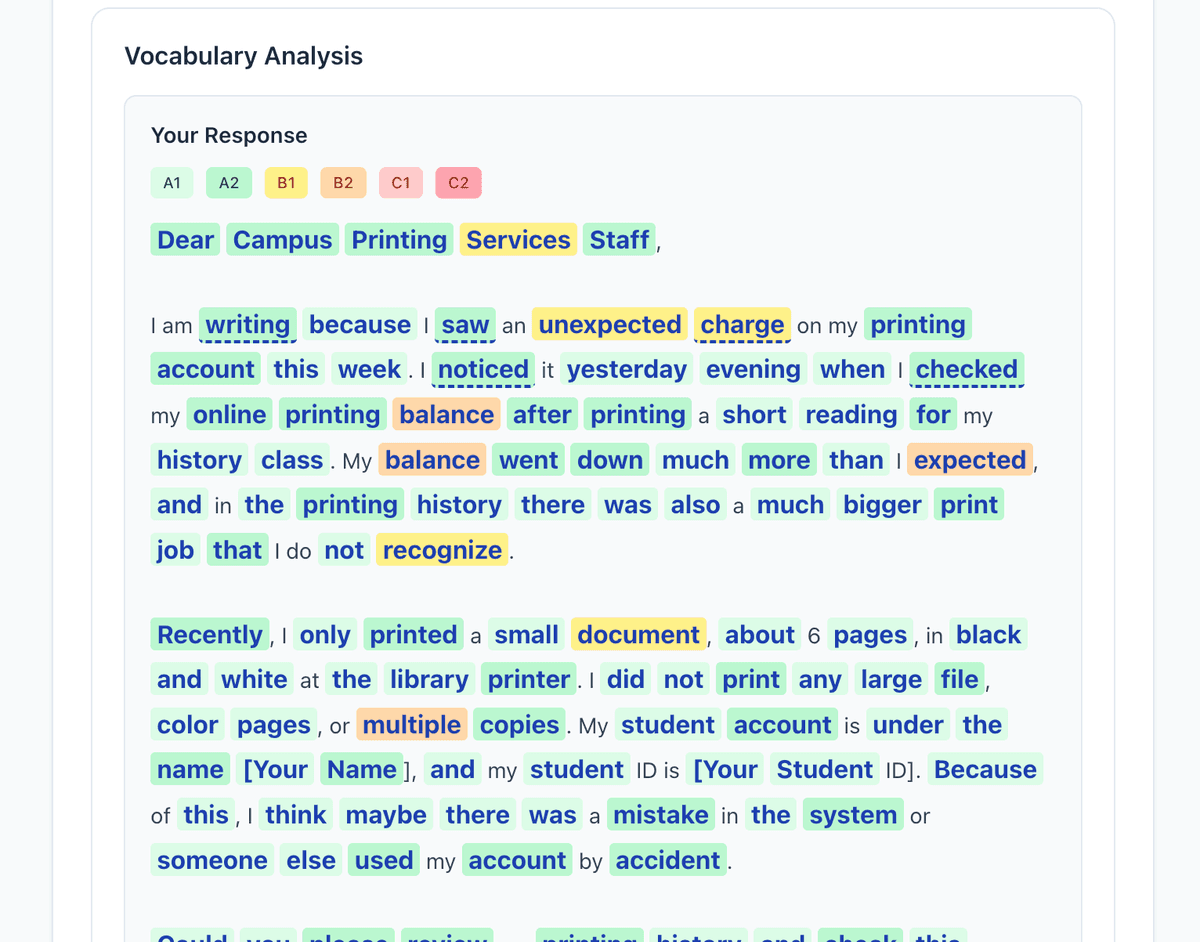 Vocabulary Analysis
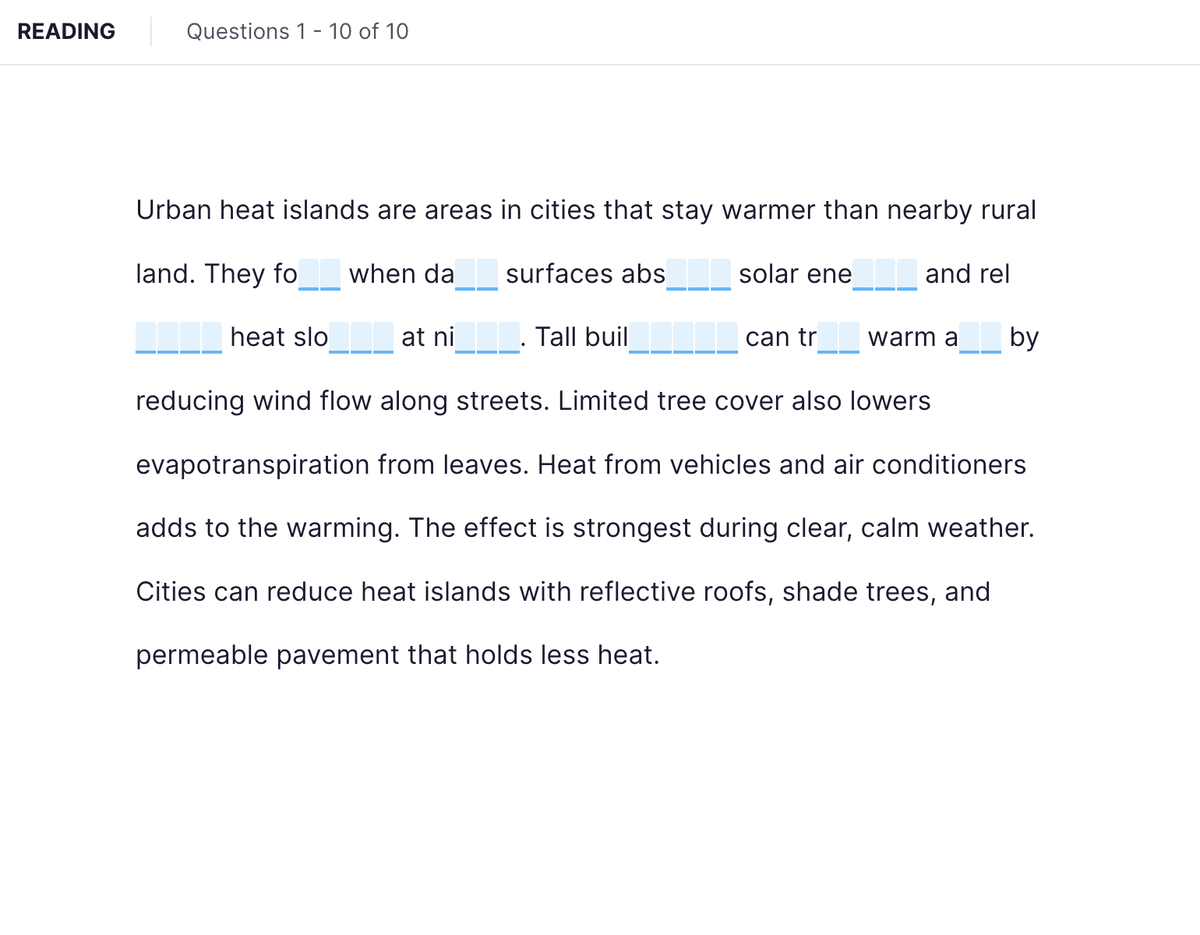 TOEFL 26 New: Reading
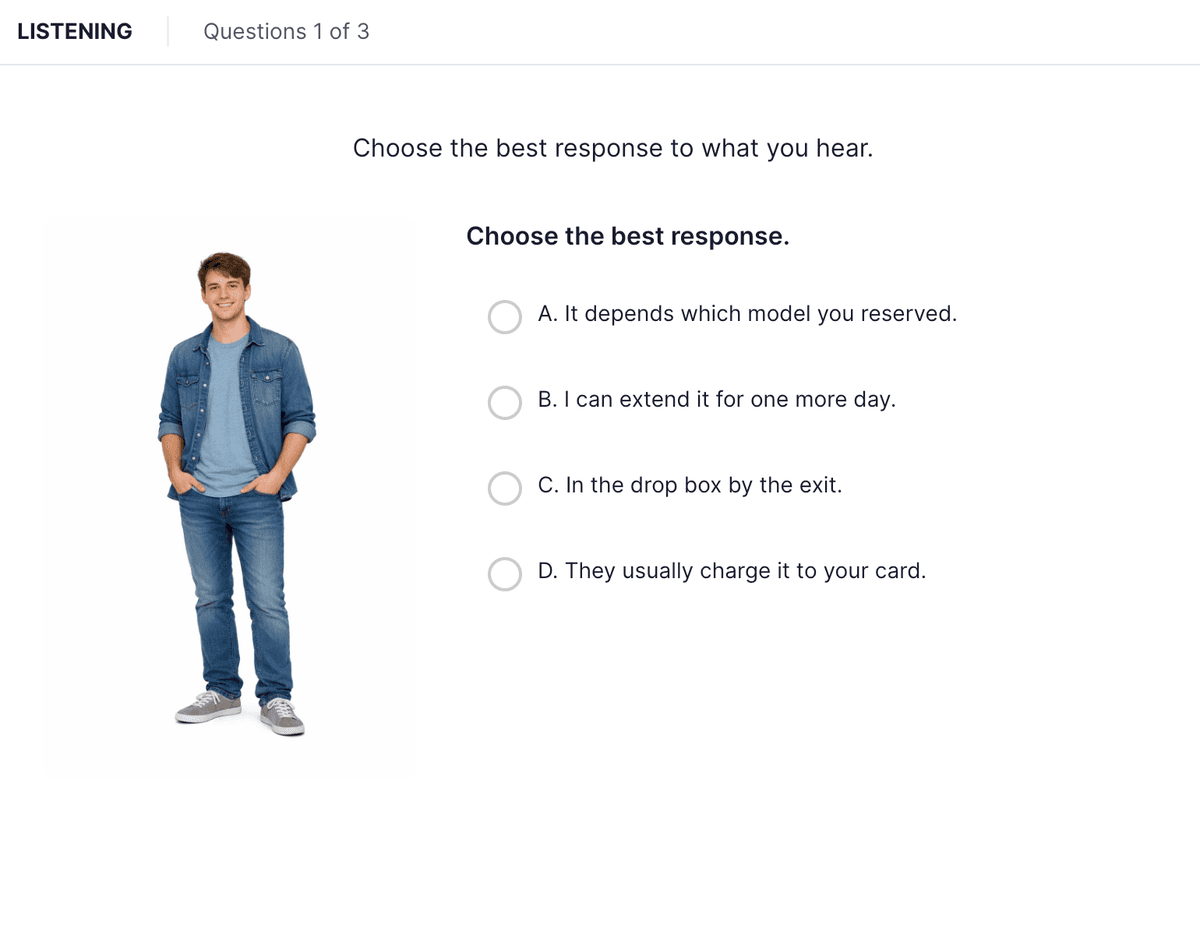 TOEFL 26 New: Listening
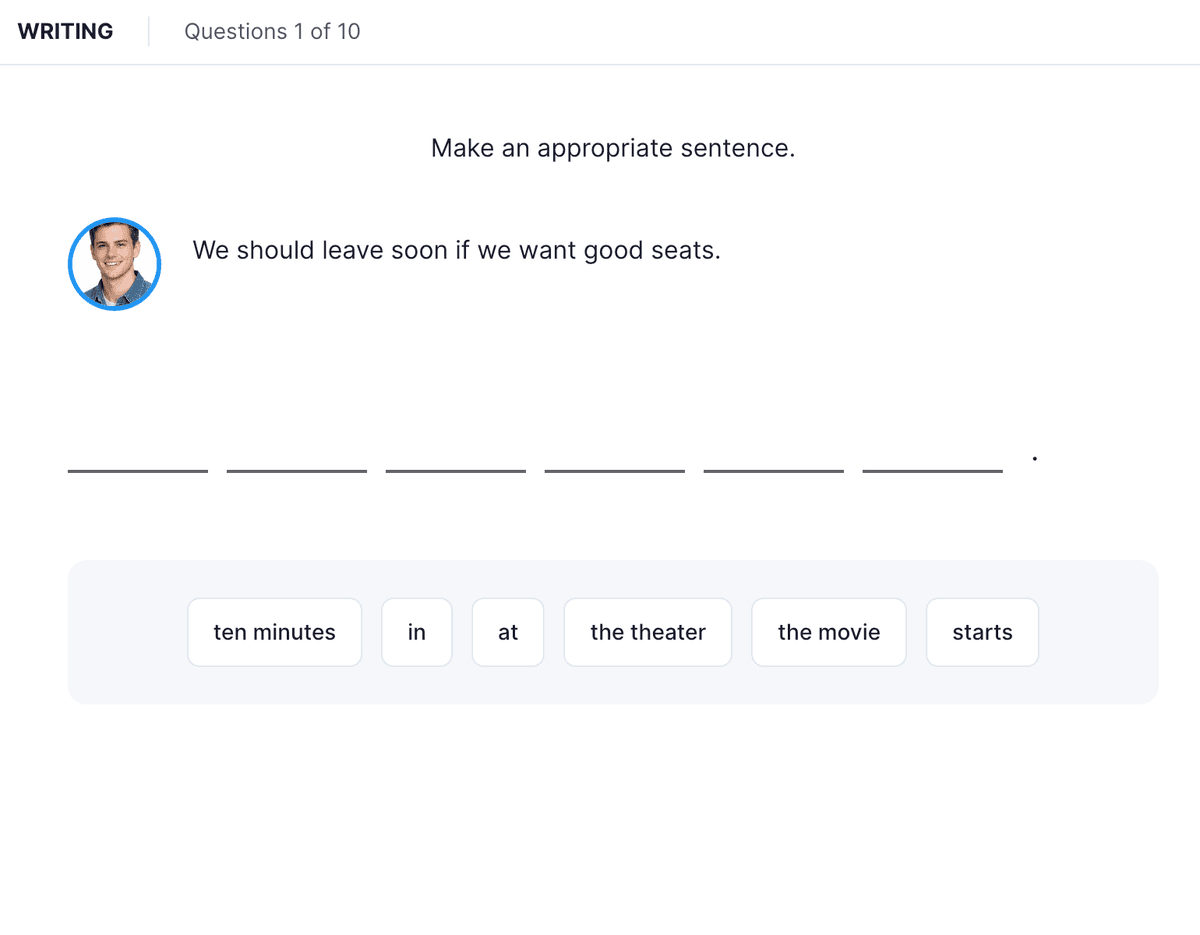 TOEFL 26 New: Writing
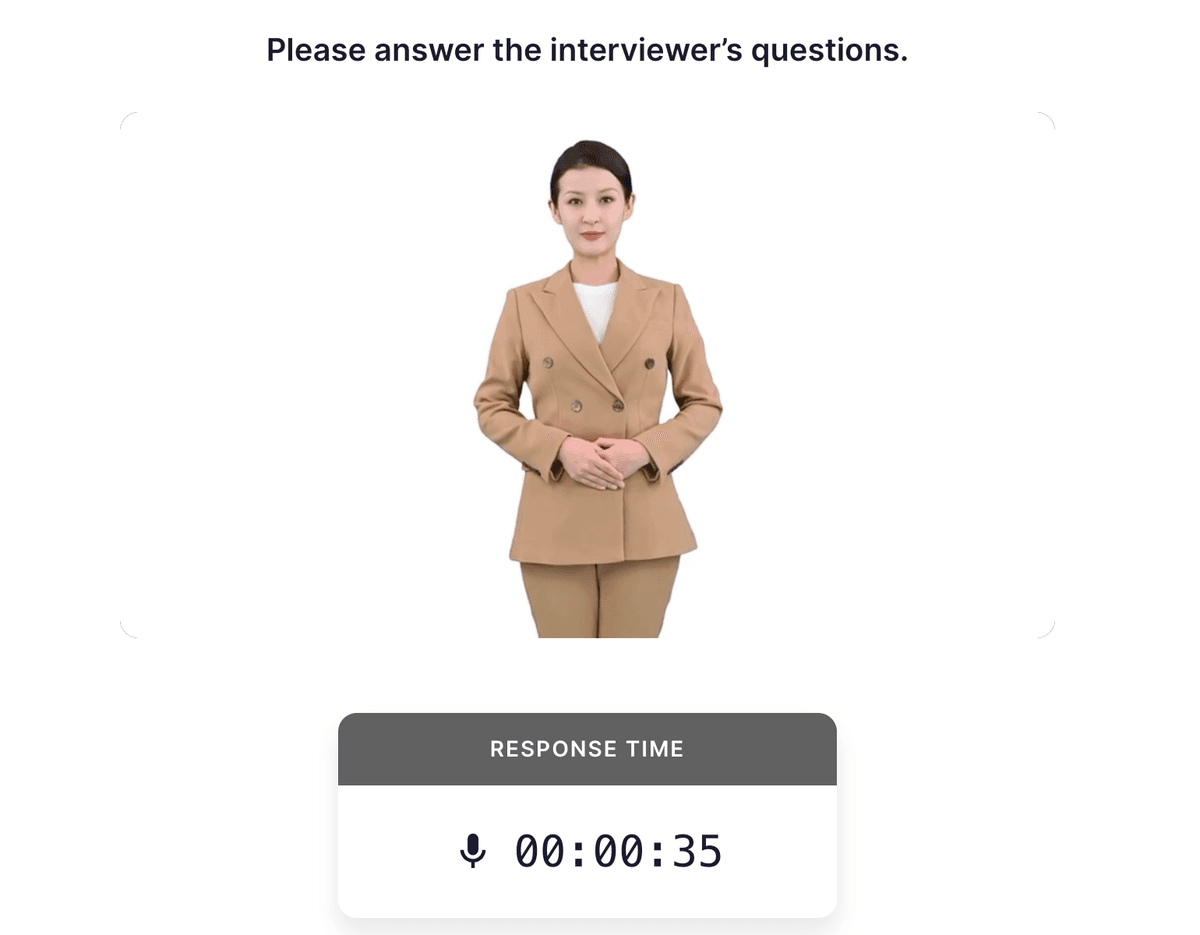 TOEFL 26 New: Speaking
Every TOEFL 2026 mock test in Lingoleap
These are the full-length mock tests the Lingoleap practice app publishes today, listed exactly as they appear inside it. Each one runs all four TOEFL 2026 sections in a single timed sitting, and each name below opens that test in the app.
104 published full-length mock tests · three sets
- Free with account16 tests
- Plus or Premium15 tests
- Premium73 tests
Access states are the app's own. It marks New TPO and Latest Questions Premium, and describes PQ26-16 to PQ26-30 as included with Plus and Premium; the rest of Practice Questions opens once you create a free account.
Practice Questions (PQ26)
Mixed access31 full-length tests
PQ26-1 to PQ26-15 and PQ26-75 open with a free account. PQ26-16 to PQ26-30 are the range the app sells as part of Plus and Premium.
- PQ26-1Take test →Бесплатный тестFree with account
- PQ26-2Take test →Free with account
- PQ26-3Take test →Free with account
- PQ26-4Take test →Free with account
- PQ26-5Take test →Free with account
- PQ26-6Take test →Free with account
- PQ26-7Take test →Free with account
- PQ26-8Take test →Free with account
- PQ26-9Take test →Free with account
- PQ26-10Take test →Free with account
- PQ26-11Take test →Free with account
- PQ26-12Take test →Free with account
- PQ26-13Take test →Free with account
- PQ26-14Take test →Free with account
- PQ26-15Take test →Free with account
- PQ26-16Take test →Plus or Premium
- PQ26-17Take test →Plus or Premium
- PQ26-18Take test →Plus or Premium
- PQ26-19Take test →Plus or Premium
- PQ26-20Take test →Plus or Premium
- PQ26-21Take test →Plus or Premium
- PQ26-22Take test →Plus or Premium
- PQ26-23Take test →Plus or Premium
- PQ26-24Take test →Plus or Premium
- PQ26-25Take test →Plus or Premium
- PQ26-26Take test →Plus or Premium
- PQ26-27Take test →Plus or Premium
- PQ26-28Take test →Plus or Premium
- PQ26-29Take test →Plus or Premium
- PQ26-30Take test →Plus or Premium
- PQ26-75Take test →Free with account
New TPO (TPO26)
Premium8 full-length tests
The app describes this set as exam-grade practice built for the 2026 format.
Latest Questions (EQ26)
Premium65 full-length tests
The app describes this set as its newest question sets, updated continuously.
- EQ26-1Take test →Premium
- EQ26-2Take test →Premium
- EQ26-3Take test →Premium
- EQ26-4Take test →Premium
- EQ26-5Take test →Premium
- EQ26-6Take test →Premium
- EQ26-7Take test →Premium
- EQ26-8Take test →Premium
- EQ26-9Take test →Premium
- EQ26-10Take test →Premium
- EQ26-11Take test →Premium
- EQ26-12Take test →Premium
- EQ26-13Take test →Premium
- EQ26-14Take test →Premium
- EQ26-15Take test →Premium
- EQ26-16Take test →Premium
- EQ26-17Take test →Premium
- EQ26-18Take test →Premium
- EQ26-19Take test →Premium
- EQ26-20Take test →Premium
- EQ26-21Take test →Premium
- EQ26-22Take test →Premium
- EQ26-23Take test →Premium
- EQ26-24Take test →Premium
- EQ26-25Take test →Premium
- EQ26-26Take test →Premium
- EQ26-27Take test →Premium
- EQ26-28Take test →Premium
- EQ26-29Take test →Premium
- EQ26-30Take test →Premium
- EQ26-31Take test →Premium
- EQ26-32Take test →Premium
- EQ26-33Take test →Premium
- EQ26-34Take test →Premium
- EQ26-35Take test →Premium
- EQ26-36Take test →Premium
- EQ26-37Take test →Premium
- EQ26-38Take test →Premium
- EQ26-39Take test →Premium
- EQ26-40Take test →Premium
- EQ26-41Take test →Premium
- EQ26-42Take test →Premium
- EQ26-43Take test →Premium
- EQ26-44Take test →Premium
- EQ26-45Take test →Premium
- EQ26-46Take test →Premium
- EQ26-47Take test →Premium
- EQ26-48Take test →Premium
- EQ26-49Take test →Premium
- EQ26-50Take test →Premium
- EQ26-51Take test →Premium
- EQ26-52Take test →Premium
- EQ26-53Take test →Premium
- EQ26-54Take test →Premium
- EQ26-55Take test →Premium
- EQ26-56Take test →Premium
- EQ26-58Take test →Premium
- EQ26-59Take test →Premium
- EQ26-60Take test →Premium
- EQ26-61Take test →Premium
- EQ26-62Take test →Premium
- EQ26-63Take test →Premium
- EQ26-64Take test →Premium
- EQ26-65Take test →Premium
- EQ26-66Take test →Premium
Each link opens that exact test in the practice app. The app asks you to sign in first, and tests marked Plus or Premium need the matching plan.
What one mock test contains
The app records a task-type list for every mock test. All four sections appear in all of them:
Reading
- Complete the Words
- Read in Daily Life
- Read an Academic Passage
Listening
- Listen and Choose a Response
- Conversation
- Announcement
- Academic Talk
Speaking
- Listen and Repeat
- Take an Interview
Writing
- Build a Sentence
- Write an Email
- Write for an Academic Discussion
One exception, listed rather than rounded away: TPO26-6 carries no Build a Sentence task. The other 103 tests carry the full task-type list.
Test names, counts and access states read from the practice app's own question list, route table and gate on 18 September 2026. Nothing on this list is an estimate. Lingoleap reports a practice band, not an official ETS score.
Что такое пробный тест TOEFL (пробный экзамен)?
Пробный тест TOEFL, который также называют пробным экзаменом, mock test или симуляцией экзамена, — это полноформатное прохождение TOEFL iBT на время в актуальном формате: обновлённого теста, запущенного 21 января 2026 года, с 12 новыми типами заданий, многоступенчатыми адаптивными секциями Reading и Listening и шкалой оценок от 1 до 6, согласованной с CEFR.
Материалы, написанные для теста до 2026 года, не позволяют отработать эту структуру. Каждый пробный тест Lingoleap создан под формат 2026 года: те же четыре секции, типы заданий и тайминг, за одну сессию, а в конце — отчёт с тренировочными баллами.
Новый формат TOEFL 2026
Экзамен TOEFL 2026 состоит из 4 секций: Reading, Listening, Writing и Speaking. Примерное время выполнения — менее 2 часов. Время экзамена не включает инструкции. Поскольку тест является адаптивным, время и количество вопросов могут варьироваться.
Reading
~30 мин
~50 вопросов
Многоступенчатый адаптивный формат в двух модулях
Listening
~29 мин
~47 вопросов
Многоступенчатый адаптивный формат в двух модулях
Writing
~23 мин
12 вопросов
Линейный формат — одинаковые задания для всех экзаменуемых
Speaking
~8 мин
11 вопросов
Линейный формат — одинаковые задания для всех экзаменуемых
Все типы заданий TOEFL 2026
Reading
- Complete the Words
- Read in Daily Life
- Read an Academic Passage
8 типов вопросов: Factual & Negative Factual, Vocabulary, Select the Sentence, Sentence Simplification, Reference, Inference, Rhetorical Purpose, Insert Text
Listening
- Listen and Choose a Response
- Listen to a Conversation
- Listen to an Announcement
- Listen to an Academic Talk
6 типов вопросов: Main Idea, Factual, Inference, Purpose, Method, Attitude
Writing
- Build a Sentence
- Write an Email
- Write for an Academic Discussion
Линейный формат — оценивается по коммуникативной цели, синтаксису, выбору слов, социальным конвенциям и точности
Speaking
- Listen and Repeat
- Take an Interview
Линейный формат — оценивается по подаче (четкость, беглость), использованию языка (грамматика, лексика) и развитию мысли
Секции Reading и Listening используют многоступенчатое адаптивное тестирование — ваши результаты в Модуле 1 определяют уровень сложности Модуля 2. Это создает более персонализированный опыт и позволяет точнее и эффективнее оценить ваши способности.
Почему стоит выбрать пробные тесты TOEFL 26 от Lingoleap
Большинство материалов для подготовки к TOEFL все еще ориентированы на старый формат экзамена. Lingoleap создан специально для формата TOEFL 2026.
 Полноформатные пробные тесты, охватывающие все 12 официальных типов заданий TOEFL 2026
- Многоступенчатые адаптивные секции Reading и Listening, воспроизводящие реальный экзамен
- Оценивание с помощью ИИ для секций Speaking и Writing в соответствии с официальными рубриками ETS
- Одна из крупнейших библиотек пробных тестов TOEFL 26
Большинство ресурсов готовят к старому TOEFL. Lingoleap готовит к новому.
Полное покрытие всех типов заданий TOEFL 2026
Каждый пробный тест TOEFL 26 от Lingoleap включает все 12 официальных типов заданий по четырем секциям экзамена — в точности так, как они представлены на реальном экзамене.
Reading
- Complete the Words
Восстановите пропущенные части слов в коротком академическом абзаце
- Read in Daily Life
Читайте практические тексты: электронные письма, объявления или публикации в социальных сетях
- Read an Academic Passage
Прочитайте короткий академический текст (~200 слов) и ответьте на 5 вопросов
Listening
- Listen and Choose a Response
Прослушайте короткий вопрос или высказывание и выберите лучший ответ из 4 вариантов
- Listen to a Conversation
Ответьте на вопросы о коротких разговорах из студенческой жизни между двумя собеседниками
- Listen to an Announcement
Ответьте на вопросы об объявлениях в аудитории или о мероприятиях кампуса
- Listen to an Academic Talk
Ответьте на вопросы о коротких академических лекциях на различные темы
Writing
- Build a Sentence
Расположите слова и фразы в правильном порядке, чтобы составить предложение в коротком диалоге
- Write an Email
Напишите электронное письмо с определенной целью: рекомендация, приглашение или предложение решения
- Write for an Academic Discussion
Прочитайте сообщение преподавателя и ответы 2 студентов, затем напишите свой вклад в дискуссию (более 100 слов)
Speaking
- Listen and Repeat
Повторите 7 произнесенных предложений, которые увеличиваются по длине и сложности
- Take an Interview
Ответьте на 4 вопроса интервью в формате смоделированной академической беседы (по 45 секунд на каждый)
Многоступенчатое адаптивное тестирование — как на реальном TOEFL 2026
Пробные тесты Lingoleap воспроизводят многоступенчатую адаптивную структуру реального TOEFL. Ваши результаты в Модуле 1 определяют сложность Модуля 2, точно так же, как на настоящем экзамене.
Реалистичная последовательность экзамена
Испытайте тот же адаптивный процесс, что и на реальном TOEFL 2026 — результаты Модуля 1 определяют сложность Модуля 2
Практика на разных уровнях сложности
Тренируйтесь на более простых и более сложных модулях, чтобы повысить уверенность и точность на каждом уровне
Реальная оценка ваших возможностей
Узнайте свой реальный потенциальный балл на основе логики адаптивного оценивания и конвертации первичного балла в шкалированный
Оценивание с помощью ИИ для секций Speaking и Writing
Получайте мгновенную и подробную обратную связь по каждому ответу в секциях Speaking и Writing — в соответствии с официальными рубриками оценивания ETS. Каждый ответ оценивается целостно по шкале от 0 до 5.
Оценка Speaking
Listen and Repeat
- Точность повторения
- Понятность речи
- Произношение
Take an Interview
- Подача (четкость, беглость, произношение, интонация)
- Использование языка (грамматический и лексический диапазон и точность)
- Развитие мысли (соответствие теме, аргументированные идеи)
Оценка Writing
Write an Email
- Развитие мысли в соответствии с коммуникативной целью
- Синтаксическое разнообразие и точный, идиоматический выбор слов
- Соблюдение социальных конвенций (вежливость, регистр, формальность)
- Лексическая и грамматическая точность
Write for an Academic Discussion
- Релевантные, хорошо проработанные объяснения и примеры
- Разнообразие синтаксических структур и точный, идиоматический выбор слов
- Лексическая и грамматическая точность
Accuracy and transparency
How Accurate Is This TOEFL Practice Test Score?
Every practice-test site says its scores are accurate. Almost none says how the number is produced or what has actually been checked. Here is the full answer for Lingoleap — including what we have not verified yet.
What we know
- Reading and Listening are scored against a fixed answer key, so those bands are as reliable as the question set is representative of the real test.
- Writing and Speaking responses are scored 0–5 by a language model against the dimensions of the published ETS scoring guides — the same criteria the Speaking and Writing evaluation section above lists.
- Every band on your report comes from one fixed rule set — the tables and formulas printed further down this page — so the same answers always produce the same band.
What we have not verified
- We have not yet published a comparison of Lingoleap bands against learners' official ETS score reports. Until that verified sample exists and is large enough, we do not quote a correlation, an accuracy percentage or a margin of error — any such number would be invented.
- ETS has not released a raw-to-band conversion for the 2026 test. Our Reading and Listening table is a Lingoleap estimate and is labelled as one below.
- The real test equates scores across forms and adaptive paths with Item Response Theory; our engine uses a simpler lookup table. The two can disagree, most likely at band boundaries.
What to do with the estimate
- Treat one mock band as a range, not a point. Read the section bands and the task-type accuracy under them — those move first and are what you can practise.
- Track direction across three to five mocks spaced two to three weeks apart, rather than certifying a single sitting.
- For admissions, only an ETS score counts. Check your target school's published minimum with the Score Calculator, and treat the last mock as a dress rehearsal, not a prediction.
The method we will use to publish calibration figures — who counts, which mock counts, what gets excluded — is already written down on the how-it-works page. The figures will appear there, with their sample size, once the verified sample exists.
See the calibration method →Wondering whose AI to trust on the 2026 test in general? The AI tutor guide explains how ETS's own SpeechRater and e-rater engines grade Speaking and Writing first, and how to rehearse against an AI scorer.
How the 2026 TOEFL is graded by AI →How Our Adaptive Practice Works
Reading and Listening in a Lingoleap mock run as a two-stage test, the structure ETS describes for the real exam. Here is exactly what our engine does — and, separately, what ETS has and has not said.
In a Lingoleap mock test
- 1
Router module
Every test-taker starts with the same router module in each section.
- 2
Routing
Your router performance sends you to a lower or an upper Stage 2 module. The two modules are built differently, which is why the number of items you see varies from mock to mock. The routing threshold is an engine setting we do not publish on this page.
- 3
One band table, defined for the upper module
Correct answers across both stages are counted, normalised to a 35-point basis, and looked up in the section's band table. The table is defined for the upper module.
- 4
Lower-module adjustment
A sitting routed to the lower module is placed one step down that table for the same normalised count. So in our engine the lower path cannot reach the top band — that is a Lingoleap simplification, not an ETS rule, and it is the one place our scoring is deliberately more conservative than the real test.
Adaptive routing: what ETS has published vs what prep sites assert
| Question | What ETS has published | What prep sites assert |
|---|---|---|
| Structure | Reading and Listening are “designed as two-stage adaptive tests”; Writing and Speaking are linear, with every test-taker on a form getting the same tasks (2026 Test Blueprint, note 5). | The same. This part is not in dispute. |
| Routing | “Based on their performance on the first module, test takers will get a second module where the difficulty of the test tasks matches their ability level.” No routing threshold is published (Teacher FAQ, Q9). | Specific thresholds — “get the first ten questions wrong and you are routed down” — none of which cites an ETS source. |
| How the score is produced | The section score “takes into consideration the total number of questions answered correctly across the two stages or modules as well as the difficulty level of questions”, converted by IRT equating so that a reported score “reflects the same level of language ability, regardless of which second stage was taken” (Teacher FAQ). | A fixed raw-to-band table applied to both paths, or a flat penalty for the easier path. |
| The “ceiling” | ETS states no maximum band for the lower module. It says “the final score is based on both stages” and that item difficulty is accounted for — which means an easier item is worth less, not that a particular band is forbidden. Whether the easier module can reach 6.0 in practice is not something ETS has published either way. | “A perfect score on the easier Stage 2 caps you at 4.0”, or “below 5.0” — the figure differs from site to site and none cites ETS. |
| Unscored items | Reading and Listening item counts “include non-scored items” used to gather data for future forms (Blueprint, note 1). | Rarely mentioned; item counts are usually quoted as if every item scored. |
ETS sources: TOEFL iBT 2026 Test Blueprint and Specifications (PDF) · Teacher FAQ for TOEFL iBT Enhancements (PDF)
Quotations are from those two ETS documents as read on 16 September 2026. Where this page says ETS has not published something, we mean we could not find it in either document or on ets.org — not that no such rule exists internally.
How the Band Is Produced, Section by Section
The whole path from your answers to the 1–6 band, with nothing hidden. These are the rules our score report runs on.
Reading
Scored by: Answer key- 1Every item is compared with the reference answer: right or wrong, no partial credit.
- 2Correct answers across the router and your Stage 2 module are summed and scaled to a 35-point basis: points = round(correct ÷ items × 35).
- 3The points are looked up in the Reading band table below. Lower-module sittings drop one step.
Listening
Scored by: Answer key- 1The same answer-key grading and 35-point scaling as Reading.
- 2The Listening table has its own boundaries: 80% accuracy is a 5.0 in Reading, but 71% is a 4.5 in Listening. That is why two sections at similar accuracy can show different bands.
Writing
Scored by: Answer key + AI- 1Build a Sentence: each item is scored right or wrong against the accepted word orderings. No model is involved.
- 2Write an Email and Write for an Academic Discussion: each response is scored 0–5 by a language model against the dimensions of the ETS scoring guide for that task.
- 3Section band = (points earned ÷ points available) × 5 + 1, rounded to the nearest 0.5.
Speaking
Scored by: AI- 1Listen and Repeat (7 items) and Take an Interview (4 items): your recording is transcribed and measured for pronunciation and fluency, then a model scores each response 0–5 against the rubric dimensions.
- 2Section band = (points earned ÷ points available) × 5 + 1, rounded to the nearest 0.5.
Overall band = the plain average of the four section bands, rounded to the nearest 0.5. The 0–120 “traditional” figure on the report is each section's accuracy scaled to 0–30 and summed; it exists only for comparing against university pages that still quote the old scale.
Raw Correct to Band: Reading and Listening
Lingoleap estimate — not an ETS tableBasis: these are the exact lookup tables our score report uses, defined on a 35-point normalised scale (points = round(correct ÷ items × 35)). ETS has published no raw-to-band conversion for the 2026 test, and real scores are IRT-equated for form and module difficulty, so treat every band here as a practice estimate. The approximate-accuracy column is the points range divided by 35.
Reading
| Band | Points (of 35) | Approx. accuracy |
|---|---|---|
| 6.0 | 34–35 | ≈ 97–100% |
| 5.5 | 32–33 | ≈ 91–94% |
| 5.0 | 28–31 | ≈ 80–89% |
| 4.5 | 25–27 | ≈ 71–77% |
| 4.0 | 18–24 | ≈ 51–69% |
| 3.5 | 12–17 | ≈ 34–49% |
| 3.0 | 8–11 | ≈ 23–31% |
| 2.5 | 7 | ≈ 20% |
| 2.0 | 6 | ≈ 17% |
| 1.0 | 0–5 | ≈ 0–14% |
Listening
| Band | Points (of 35) | Approx. accuracy |
|---|---|---|
| 6.0 | 34–35 | ≈ 97–100% |
| 5.5 | 32–33 | ≈ 91–94% |
| 5.0 | 29–31 | ≈ 83–89% |
| 4.5 | 25–28 | ≈ 71–80% |
| 4.0 | 23–24 | ≈ 66–69% |
| 3.5 | 18–22 | ≈ 51–63% |
| 3.0 | 13–17 | ≈ 37–49% |
| 2.5 | 11–12 | ≈ 31–34% |
| 2.0 | 8–10 | ≈ 23–29% |
| 1.5 | 6–7 | ≈ 17–20% |
| 1.0 | 0–5 | ≈ 0–14% |
Worked example from our sample report: 28 of 35 Reading items correct → 28 points → Band 5.0. 32 of 45 Listening items correct → 24.9, rounded to 25 points → Band 4.5.
Lower-module sittings: one step down the table for the same points.
Примеры вопросов TOEFL iBT (формат 2026)
Разомнитесь на этих бесплатных примерах вопросов по образцу TOEFL iBT 2026 — по одному из каждой секции. Откройте ответ и объяснение, а когда будете готовы, начните полноформатный пробный тест.
Read the short academic passage, then answer the question.
Bioluminescence — the production of light by living organisms — is common in the deep ocean, where sunlight never reaches. Many creatures use it to attract prey, confuse predators, or signal to potential mates. The light is produced by a chemical reaction between a molecule called luciferin and the enzyme luciferase. Because the reaction gives off almost no heat, scientists describe the light as "cold light."
According to the passage, why is bioluminescent light described as "cold light"?
- AIt is only found in cold, deep water.
- BThe chemical reaction releases very little heat.
- CIt appears blue rather than red or orange.
- DIt is produced only at night.
▸Показать ответ и объяснение
Ответ: B — The chemical reaction releases very little heat.
The final sentence states the reaction "gives off almost no heat," which is why it is called cold light. Option A confuses where the organisms live with why the light is cold; C and D add details the passage never mentions. Factual questions like this reward locating the exact supporting sentence rather than relying on outside knowledge.
Type the missing letters to complete the word so the sentence makes sense.
Regular exercise can signi______ reduce the risk of heart disease.
▸Показать ответ и объяснение
Ответ: significantly
"Complete the Words" gives you the first letters and the length of a word and asks you to finish it from context. Here the sentence needs an adverb describing how much exercise reduces risk — "significantly." Read the whole sentence first, decide the part of speech, then fit a word that starts with the letters shown.
On the real test you would hear this talk once. Read the transcript excerpt, then answer.
Professor: "So when we talk about the 'urban heat island' effect, we mean that cities tend to be several degrees warmer than the countryside around them. The main reason is surface material. Asphalt and concrete absorb heat during the day and release it slowly at night — unlike soil and vegetation, which cool down much faster. That's why a city can still feel warm hours after sunset."
What is the main cause of the urban heat island effect, according to the professor?
- ACities are located in naturally warmer regions.
- BBuildings block cooling wind from reaching streets.
- CPaved surfaces absorb and slowly release heat.
- DThere are more people generating body heat.
▸Показать ответ и объяснение
Ответ: C — Paved surfaces absorb and slowly release heat.
The professor names surface material — asphalt and concrete absorbing heat and releasing it slowly — as "the main reason." The other options are plausible-sounding distractors the talk never states. In the Listening section, note the speaker's signal phrases ("the main reason is…") to catch the point being tested.
Put the words and phrases in the correct order to form a grammatical sentence.
[ the deadline / because / the library / she / was approaching / stayed late at ]
▸Показать ответ и объяснение
Ответ: She stayed late at the library because the deadline was approaching.
"Build a Sentence" tests control of English word order and clause structure. Start with the subject ("She"), add the main verb phrase ("stayed late at the library"), then attach the reason clause introduced by "because." Checking that subject, verb, and connector line up is usually enough to place every chunk.
You have 45 seconds to answer. There is no single correct response — a strong answer is clear, on-topic, and supported with a reason or example.
Some students prefer to study in the morning, while others prefer the evening. Which do you prefer, and why?
▸Показать ответ и объяснение
Ответ: Sample strong response (outline)
Take a clear position, give one reason, and support it with a specific example: "I prefer studying in the morning because my mind is freshest right after I wake up. For instance, I can read a difficult chapter in thirty minutes in the morning, but the same chapter takes me an hour at night when I'm tired." Scoring rewards delivery (clear, fluent speech), language use (accurate grammar and vocabulary), and elaboration (a developed, on-topic idea) — so commit to one answer and develop it rather than listing both options.
Это оригинальные тренировочные задания Lingoleap, созданные по образцу типов заданий TOEFL iBT 2026. Они предназначены только для практики и не являются настоящими вопросами ETS; Lingoleap не связан с ETS и не одобрен ею.
Practice TOEFL by Section
A full-length mock test measures readiness, but targeted section practice is how you fix specific weaknesses. Drill any of the four sections and all 12 task types below.
Reading
Adaptive passages and the three 2026 reading task types.
Listening
Conversations, announcements, and academic talks with adaptive difficulty.
Speaking
Listen and Repeat plus the academic interview, with AI delivery feedback.
Writing
Build a Sentence, Write an Email, and Write for an Academic Discussion.
Более 100 полноформатных пробных тестов TOEFL 26 — обновление ежемесячно
Получите доступ к одной из крупнейших библиотек пробных тестов TOEFL 2026. Новые тесты добавляются каждый месяц, чтобы вы могли постоянно практиковаться с актуальными и свежими материалами.
- Более 100 полноформатных пробных тестов TOEFL 26
- Все тесты соответствуют актуальному формату и типам заданий TOEFL 2026
- Новые тесты добавляются каждый месяц
- Охватывают все 4 секции и 12 типов заданий
- Covers all 4 sections and 12 task types
Как начать пробный тест TOEFL 26
Создайте аккаунт
Зарегистрируйтесь бесплатно на Lingoleap
Выберите пробный тест
Выберите из более чем 100 полноформатных пробных тестов TOEFL 26
Начните практику
Пройдите тест в условиях, приближенных к реальному экзамену
Получите баллы и обратную связь
Получите оценку с помощью ИИ и подробный анализ вашей успеваемости
Начните свой пробный тест TOEFL 26
Практикуйте новый формат TOEFL 2026 с многоступенчатым адаптивным тестированием, всеми 12 типами заданий и оценкой с помощью ИИ.
Часто задаваемые вопросы
Все, что нужно знать о пробных тестах TOEFL 26
Чем отличается формат TOEFL 2026?
TOEFL 2026, запущенный 21 января 2026 года, — это полностью обновленный экзамен. Он вводит многоступенчатое адаптивное тестирование в секциях Reading и Listening, где результаты Модуля 1 определяют сложность Модуля 2. Секции Writing и Speaking используют линейный формат (одинаковые задания для всех). Экзамен включает 12 совершенно новых типов заданий и новую шкалу оценивания от 1 до 6, согласованную с CEFR. Продолжительность теста — менее 2 часов.
Сколько типов заданий в новом TOEFL 2026?
Новый TOEFL 2026 содержит 12 типов заданий в 4 секциях: 3 в Reading (Complete the Words, Read in Daily Life, Read an Academic Passage), 4 в Listening (Listen and Choose a Response, Listen to a Conversation, Listen to an Announcement, Listen to an Academic Talk), 3 в Writing (Build a Sentence, Write an Email, Write for an Academic Discussion) и 2 в Speaking (Listen and Repeat, Take an Interview).
Сколько полных пробных тестов TOEFL есть на Lingoleap?
Сейчас Lingoleap публикует более 100 полноформатных пробных тестов TOEFL 2026 (всего более 10 000 вопросов, на которые можно ответить), и каждый месяц добавляются новые. Каждый тест охватывает все четыре секции и все официальные типы заданий формата 2026 года; полный список — в каталоге в верхней части этой страницы.
Воспроизводит ли Lingoleap многоступенчатое адаптивное тестирование?
Да. Lingoleap — одна из немногих платформ, которая воспроизводит структуру многоступенчатого адаптивного тестирования, используемую в секциях Reading и Listening TOEFL 2026. Ваши результаты в Модуле 1 влияют на сложность Модуля 2, точно так же, как на реальном экзамене.
Как работает оценивание с помощью ИИ для Speaking и Writing?
ИИ Lingoleap оценивает ваши ответы по критериям, основанным на общедоступных рубриках оценивания ETS (целостная оценка от 0 до 5 за каждый вопрос). Для Speaking: Listen and Repeat оценивается по точности повторения, понятности и произношению. Take an Interview оценивается по подаче (четкость, беглость, темп), использованию языка (грамматика, лексика) и развитию мысли (соответствие теме, аргументация). Для Writing: Write an Email оценивается по коммуникативной цели, синтаксическому разнообразию и идиоматическому выбору слов, социальным конвенциям (вежливость, регистр) и лексико-грамматической точности. Write for an Academic Discussion оценивается по релевантности и развитию мысли, синтаксическим структурам и выбору слов, лексико-грамматической точности.
Работает ли этот симулятор экзамена TOEFL как настоящий тест?
В том, что определяет ваш балл, — да: те же 12 типов заданий, тот же порядок секций и тайминг, двухэтапные адаптивные Reading и Listening, всё за одну сессию на время. Отличий два. Вопросы — оригинальные задания Lingoleap, а не вопросы ETS; кроме того, на реальном тесте баллы выравниваются между вариантами с помощью теории ответа на задание (IRT), а наш движок использует таблицы пересчёта, приведённые в разделе о точности на этой странице. Ни один пробный тест не идентичен официальному экзамену.
Можно ли пройти пробный тест TOEFL онлайн или по одной секции?
Да, и так, и так. Каждый тест проходится онлайн в браузере, в приложении Lingoleap для практики, после входа в аккаунт; для секции Speaking нужен микрофон. Помимо полноформатных пробных тестов, можно отдельно практиковать Reading, Listening, Speaking или Writing либо отрабатывать один тип заданий, чтобы подтянуть секцию, где нужно больше всего улучшений.
Насколько точны оценки баллов в пробных тестах Lingoleap?
Reading и Listening проверяются по ключу ответов, поэтому их баллы зависят от того, насколько репрезентативен набор вопросов. Баллы за Writing и Speaking выставляет языковая модель, которая оценивает каждый ответ от 0 до 5 по критериям опубликованных руководств ETS по оцениванию. Мы ещё не публиковали сравнение баллов Lingoleap с официальными отчётами ETS учащихся, поэтому не называем показатель точности — в разделе «Насколько точен этот балл?» на этой странице подробно показано, как получается каждый балл и что проверено, а что нет. Это лишь тренировочные оценки: официальные баллы TOEFL выдаёт исключительно ETS, а Lingoleap не связан с ETS и не одобрен ею.
Если меня направили в более лёгкий модуль, ограничен ли мой балл?
В пробном тесте Lingoleap — да, немного: таблица баллов задана для верхнего модуля, а прохождение нижнего модуля ставится на одну ступень ниже в этой таблице, поэтому по нижнему пути нельзя получить высший балл. Это наше упрощение. О реальном тесте ETS говорит, что балл основан на обоих этапах и учитывает сложность заданий с помощью выравнивания по IRT; максимальный балл для нижнего модуля ETS не публиковала. Конкретные ограничения, которые приводят сайты по подготовке («4.0», «ниже 5.0»), исходят не от ETS.
Сколько правильных ответов нужно для Band 5 в Reading или Listening?
По тренировочной таблице Lingoleap для Reading Band 5.0 нужно 28–31 из 35 нормализованных баллов (примерно 80–89% правильных ответов), а для Listening Band 5.0 — 29–31 (примерно 83–89%). Баллы — это ваши правильные ответы, пересчитанные на 35-балльную основу. Это оценка Lingoleap: ETS не публиковала таблицу пересчёта первичных баллов в band для теста 2026 года и выравнивает реальные баллы с учётом сложности, поэтому официальный пересчёт может отличаться.
Этот пробный тест TOEFL бесплатный?
Частично. Из полноформатных тестов на этой странице тесты с PQ26-1 по PQ26-15 и PQ26-75 открываются с бесплатным аккаунтом; тесты с PQ26-16 по PQ26-30 входят в Plus и Premium, а наборы New TPO и Latest Questions доступны в Premium. Для любого теста сначала нужно войти в аккаунт. Практика Reading и Listening никогда не расходует кредиты. Полный пробный тест с ИИ-оценкой всех четырёх секций стоит 800 кредитов, а новые аккаунты получают 200 бесплатных кредитов на ИИ-обратную связь, поэтому для оценки Speaking и Writing полного пробного теста нужно больше кредитов, чем есть у нового аккаунта.
Сколько длится пробный тест TOEFL?
Менее 2 часов, как и реальный TOEFL 2026: около 30 минут Reading, 29 — Listening, 23 — Writing и 8 — Speaking, не считая инструкций. Поскольку Reading и Listening многоступенчато адаптивные, точное время и количество вопросов меняются от попытки к попытке.
Готовитесь к IELTS? Пробные тесты IELTS: формат, время и что можно практиковать бесплатно →