TOEFL Mock Test (2026 Format) on Lingoleap: Full Test + Section Mocks
LingoLeapFebruary 11, 2026
A realistic TOEFL test simulator for learners who want a full TOEFL exam practice test—or a focused TOEFL Listening mock test / TOEFL Writing mock test—plus clear, rubric-aligned feedback.
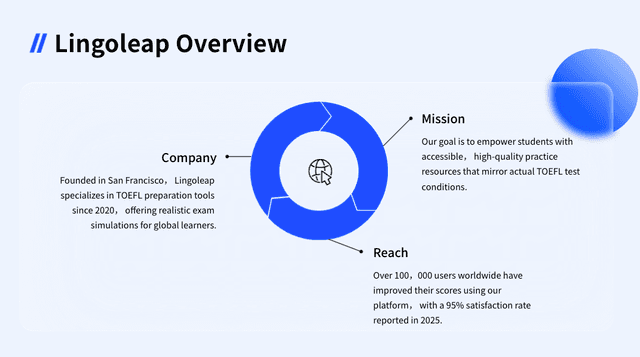
SAN FRANCISCO, CA — February 9, 2026 — Lingoleap, an AI-powered TOEFL practice platform built by a Silicon Valley team, today announced a 2026 update to its Simu-Exam™ experience, adding expanded TOEFL mock test options including full-length TOEFL practice tests and section mock tests across Reading, Listening, Writing, and Speaking.
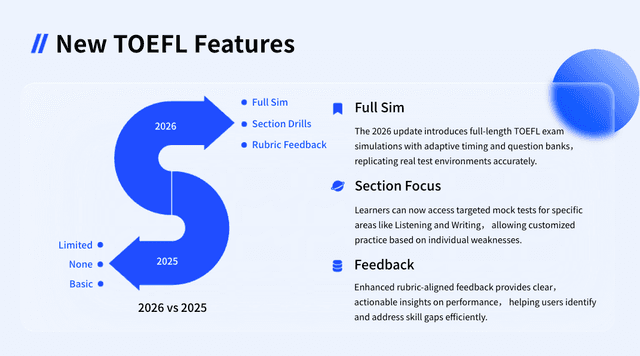
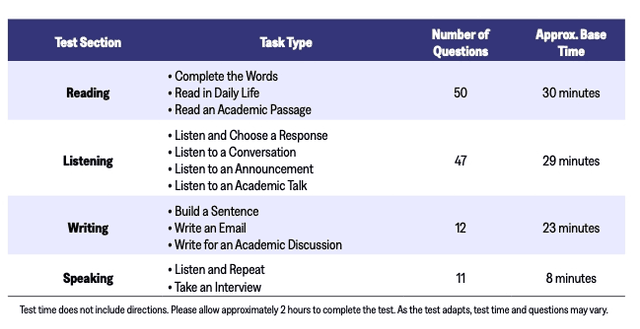
As TOEFL iBT introduces major updates starting January 21, 2026—including multistage adaptive Reading and Listening and an additional 1–6 score scale shown alongside the traditional 0–120 reporting—many learners are looking for a realistic TOEFL test simulator that helps them practice with test-day pacing and understand results more clearly. Lingoleap’s 2026 update is designed to help learners either (1) run a full TOEFL mock test to build timing confidence, or (2) take a TOEFL trial test for one section and improve efficiently with structured, easy-to-follow feedback.
Built for learners who want tools—not courses
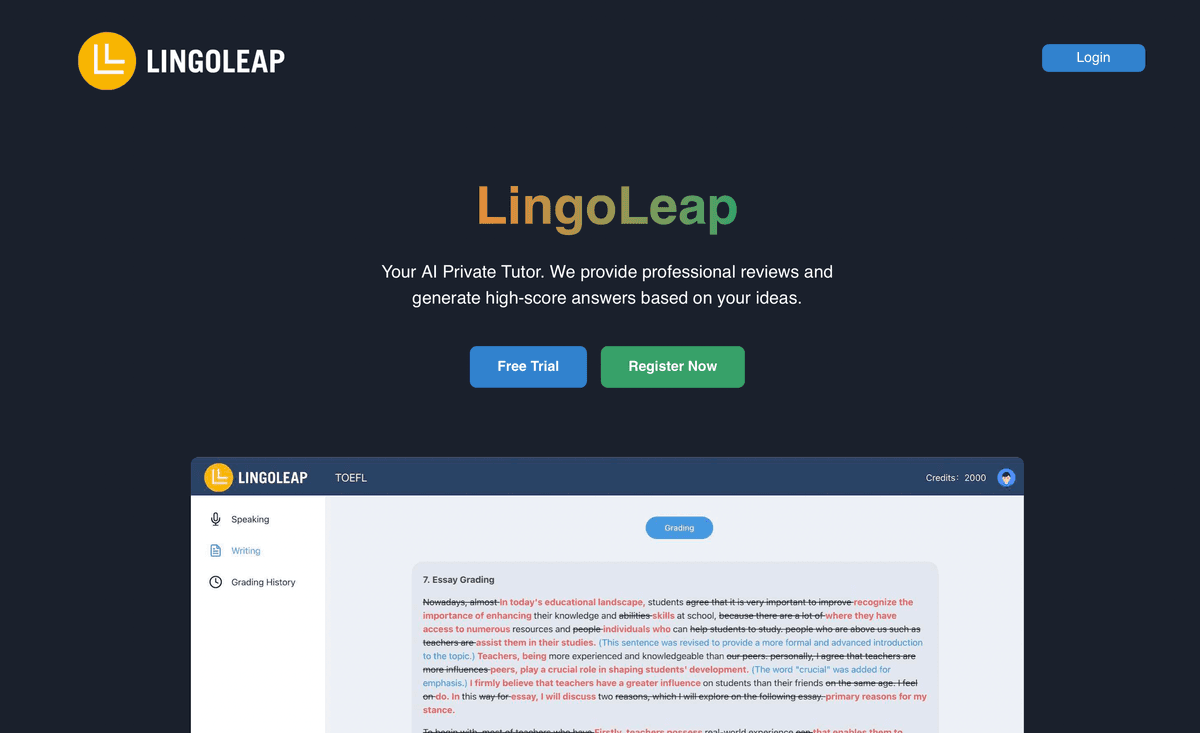
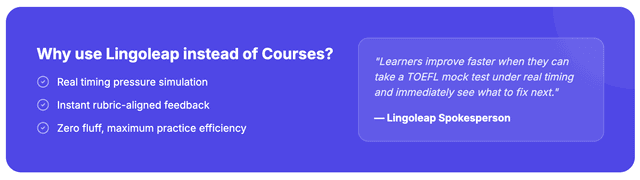
Lingoleap is a tool-first platform: it does not sell courses or promote tutors. Instead, it combines TOEFL mock tests, detailed feedback reports, and language upgrades in a single workflow—so learners can practice, review, and immediately know what to do next.
“Learners improve faster when they can take a TOEFL mock test under real timing and immediately see what to fix next,” said a spokesperson from the Lingoleap team. “This update makes practice more realistic and feedback more actionable—without extra noise.”
Key capabilities in the 2026 update
2026-format TOEFL mock test options: full-length or section-only
Lingoleap supports both a complete TOEFL practice test experience and shorter section mocks for focused improvement:
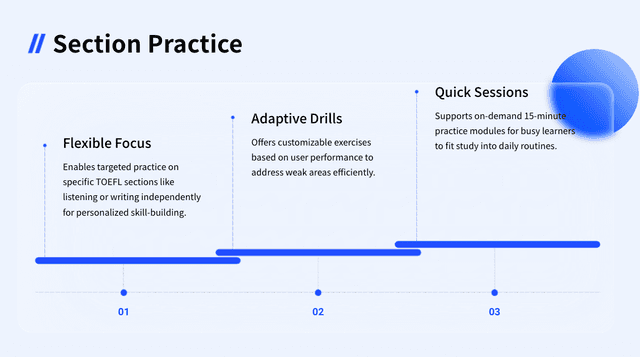
- Full-length TOEFL mock test (all sections) to practice pacing and build test-day rhythm
- Section mock tests when time is limited (Reading, Listening, Writing, Speaking)
- A flow designed to reflect the multistage adaptive structure in Reading and Listening (Module 2 adjusts based on Module 1 performance)
2. Dual scoring signals + clearer reporting (for learning)
To help learners track progress during the score-scale transition, Lingoleap presents practice performance in a way that’s easy to understand:
- A 0–120 reference view (for familiarity)
- A 1–6 band-style view (to reflect the new reporting scale shown alongside 0–120)
- A structured report highlighting likely score-limiting patterns and recommended next steps
3. Rubric-aligned feedback in plain English
Many learners take a TOEFL exam practice test but still feel unsure what is holding them back. Lingoleap’s feedback is designed to be easy to act on:
- Feedback tied to common performance dimensions (coherence, grammar control, vocabulary precision, speech clarity)
- Prioritized recommendations (what to fix first for the biggest impact)
- Speaking indicators (e.g., pace, pauses) that turn “I’m not fluent” into concrete next steps
4. Personalized language upgrades you can reuse
For learners who want more natural, higher-quality expression without memorizing rigid templates:
- Upgrades based on your original response (not copy-paste templates)
- Vocabulary suggestions to improve precision and naturalness
- A personal “best phrases” bank you can reuse across future TOEFL mock tests
Scoring & Feedback Report Modules (What you get after each TOEFL mock test)
After you complete a full-length TOEFL mock test or a section TOEFL practice test, Lingoleap generates a structured feedback report. Modules may vary by section and plan, but typically include:
1.Section Analysis (Overview by section)
A clear snapshot of Reading, Listening, Speaking, and Writing performance—showing estimated section results, what you did well, and what to improve first.
2.Reading & Listening Review
For Listening and Reading practice tests, review your answers alongside explanations. This includes:
- Listening transcripts (when available), your response vs. the correct answer
- Question-by-question analysis (why you missed it, what to notice next time)
- Practical tips for faster, more accurate test-taking
3.CEFR Insight (Ability level mapping)
A learner-friendly interpretation of your current level (e.g., B2 upper-intermediate) and what that level typically means:
- Strengths and common patterns at your current level
- Clear direction on what to improve to reach the next level
4.Pronunciation Analysis (Speaking diagnostics)
For Speaking mock tests, Lingoleap provides voice-focused insights:
- Issues such as stress, linking, vowels/consonants, intonation, and clarity
- Comparisons between your speech patterns and model examples
- Practical “repeat-after” style drills to improve intelligibility
5.Writing Structure & Sentence Patterns
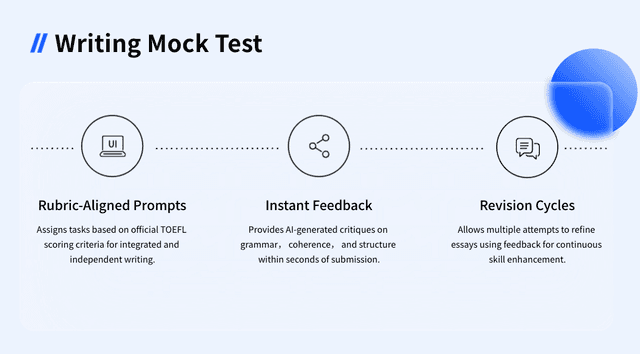
For Writing mock tests, Lingoleap analyzes structure and sentence variety:
- Breakdown of sentence patterns (simple → complex) and cohesion devices
- What to improve for more natural, higher-scoring academic writing
- Suggested alternative structures you can practice and reuse (without forcing rigid templates)
6.Grammar Checker
A detailed grammar check that goes beyond “right/wrong”:
- Each issue highlighted with the reason and a suggested correction
- Pattern detection so you can spot your most frequent mistake types and fix them systematically
7.Vocabulary Suggestions
Vocabulary improvements that stay natural and context-appropriate:
- Common replaceable words, useful synonyms, collocations, and more idiomatic phrasing
- Notes on “sounds advanced but unnatural” pitfalls
- Example usage tailored to the prompt context
8.Lingo-Rewrite (Expression upgrade rewrite)
A rewrite that keeps your meaning but improves clarity and quality:
- A stronger version of your response (clearer / more natural / more academic)
- Optional tone styles (more formal / more concise / more academic), depending on the task
9.Mind Map (Idea map for review and reuse)
A visual structure of your response to make review faster:
- Main claim, supporting reasons, examples, and contrasts
- A quick way to reuse the logic for a second draft (Writing) or a second attempt (Speaking)
Typical use cases
- One week before the test: Take a full TOEFL mock test to benchmark pacing and reduce uncertainty
- Early-stage prep: Use a full mock to find your weakest section, then take section mock tests to improve efficiently
- Busy schedules: Run short TOEFL trial tests and use the report modules to build reusable phrases and clearer structure over time
FAQ (common searches we see)
Q1: How do I take a TOEFL sample test / TOEFL trial test online? A: Start with a full-length TOEFL practice test to experience pacing, then use section mock tests (e.g., TOEFL Listening mock test or TOEFL Writing mock test) for targeted improvement.Q2: How accurate is the TOEFL mock test? (e.g., “accurate TOEFL mock test reddit”) A: Mock tests are most reliable for practicing pacing, format familiarity, and identifying score-limiting patterns. Lingoleap provides estimated learning signals and rubric-aligned feedback; official TOEFL scores are determined by ETS scoring processes.Q3: Can I get a TOEFL full test with scores? A: Lingoleap offers a TOEFL mock test entry point so learners can try the experience. Any scores or performance signals are learning estimates (not official results).Q4: Is this a TOEFL TPO mock? A: Lingoleap is a TOEFL mock test simulator designed for realistic practice and feedback. It is not affiliated with ETS and does not claim to be official test content.Q5: BestMyTest / other sites vs Lingoleap? (e.g., “bestmytest mock test for toefl”) A: Learners choose different tools depending on needs. Lingoleap focuses on 2026-format mock tests plus structured feedback and language upgrades in one workflow, without selling courses.
Availability: Take a TOEFL mock test online (2026 format)
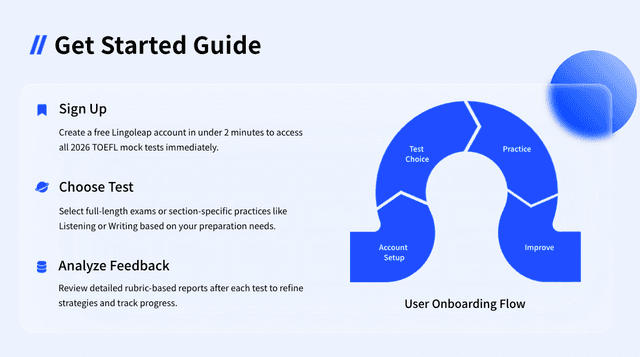
The 2026-format full-length and section mock exams are available now on Lingoleap.
Try / Learn More
- Try Lingoleap (TOEFL mock test): [Start 2026-format TOEFL mock test]
- Learn more: [Simu-Exam™ overview: TOEFL practice test workflow]
- Plans & pricing: [Points and pricing]
- Format guide: [TOEFL 2026 changes explained]
About Lingoleap
Lingoleap is a Silicon Valley–built AI practice platform for TOEFL learners. It helps learners take a TOEFL mock test online and practice more effectively through test-like simulations, rubric-aligned feedback, and personalized language upgrades—without selling courses.
Disclaimer: Lingoleap is not affiliated with ETS. TOEFL® is a registered trademark of ETS. Any scoring or performance signals provided by Lingoleap are estimates for learning purposes and do not represent official test results.