What is TOEFL? Everything You Need to Know
LingoleapFebruary 24, 2025
What is TOEFL? Everything You Need to Know
The Test of English as a Foreign Language (TOEFL) is a standardized assessment designed to evaluate the English language proficiency of non-native speakers seeking admission to academic institutions in English-speaking countries. Administered by the Educational Testing Service (ETS), the TOEFL measures four core skills—reading, listening, speaking, and writing—within an academic context. Accepted by over 11,000 universities and institutions across 190 countries, the TOEFL serves as a critical benchmark for students aiming to study abroad, ensuring they possess the linguistic competency required for success in higher education.
Historical Development of the TOEFL
Origins and Early Implementation
The TOEFL was conceived in 1962 by the National Council on the Testing of English as a Foreign Language, a coalition of educators and government officials addressing the need for a reliable assessment of international students’ English capabilities. Funded by grants from the Ford and Danforth Foundations, the first TOEFL exam was administered in 1964 under the oversight of the Modern Language Association. The initial test format emphasized discrete language components, including reading comprehension, vocabulary, listening comprehension, and grammar, through multiple-choice questions.
Evolution Under ETS
In 1965, responsibility for the TOEFL shifted to the Educational Testing Service (ETS) and the College Board, marking a pivotal transition toward centralized test administration. By 1973, ETS assumed full control, guided by a 15-member TOEFL Board comprising educators and policymakers. Early iterations of the test excluded speaking and writing sections, reflecting pedagogical limitations of the time. However, advancements in language acquisition theory prompted revisions, culminating in the integration of comprehensive skill evaluations in later versions.
Modern Adaptations
The TOEFL iBT (Internet-Based Test), introduced in 2005, revolutionized the exam by incorporating integrated tasks that simulate real academic scenarios. This version emphasized the synthesis of reading, listening, and speaking/writing skills, aligning the test with contemporary educational demands. The phasing out of the Paper-Based Test (PBT) in 2021 further solidified the dominance of the iBT, while the TOEFL Essentials exam emerged as a shorter, more accessible alternative for non-academic purposes.
Structure of the TOEFL iBT
The TOEFL iBT evaluates candidates across four sections, each targeting specific academic competencies. The test lasts approximately three hours, including a mandatory 10-minute break.
Reading Section
The Reading component assesses comprehension of academic texts, spanning subjects like science, history, and social studies. Test-takers encounter 3–4 passages of roughly 700 words each, followed by 36–56 questions. Tasks include identifying main ideas, inferring context, and paraphrasing content. This section lasts 54–72 minutes, with experimental questions occasionally extending the duration.
Listening Section
The Listening segment evaluates the ability to understand spoken English in classroom and conversational settings. Participants listen to 4–6 audio clips—lectures, discussions, or dialogues—and answer 34–51 questions testing detail retention, inference, and rhetorical intent. The section spans 41–57 minutes, demanding acute auditory processing and note-taking skills.
Speaking Section
The Speaking portion comprises four tasks: one independent opinion-based response and three integrated tasks requiring synthesis of reading and listening materials. Test-takers have 17 minutes to articulate coherent, grammatically sound responses, which are digitally recorded and evaluated for clarity, fluency, and logical development.
Writing Section
The Writing section includes two essays: an integrated task summarizing information from a reading passage and lecture, and an independent task presenting a supported argument. Test-takers have 50 minutes to demonstrate organizational prowess, grammatical accuracy, and critical thinking. Essays are scored on a rubric assessing development, structure, and language use.
Scoring and Interpretation
TOEFL iBT scores range from 0 to 120, with each section contributing up to 30 points. Scores reflect performance bands:
- Reading and Listening: Scored objectively based on correct answers.
- Speaking and Writing: Evaluated holistically by certified raters using standardized rubrics.
Results are valid for two years and include "MyBest Scores," which highlight the highest section scores from all valid attempts within that period. Competitive universities often require minimum total scores (e.g., 90–100 for graduate programs), though requirements vary by institution.
Purpose and Global Acceptance
Academic Admissions
Primarily used for university admissions, the TOEFL ensures candidates can navigate English-medium coursework. Over 11,000 institutions in the U.S., Canada, Australia, and Europe accept TOEFL scores, with exemptions occasionally granted to applicants from Commonwealth nations or English-speaking backgrounds.
Professional and Visa Applications
Beyond academia, the TOEFL is recognized by licensing bodies, immigration authorities, and employers. For instance, medical boards in the U.S. and Canada may require TOEFL scores for certification, while visa programs in Australia and New Zealand use it to assess language eligibility.
Comparison with Other English Proficiency Tests
TOEFL vs. IELTS
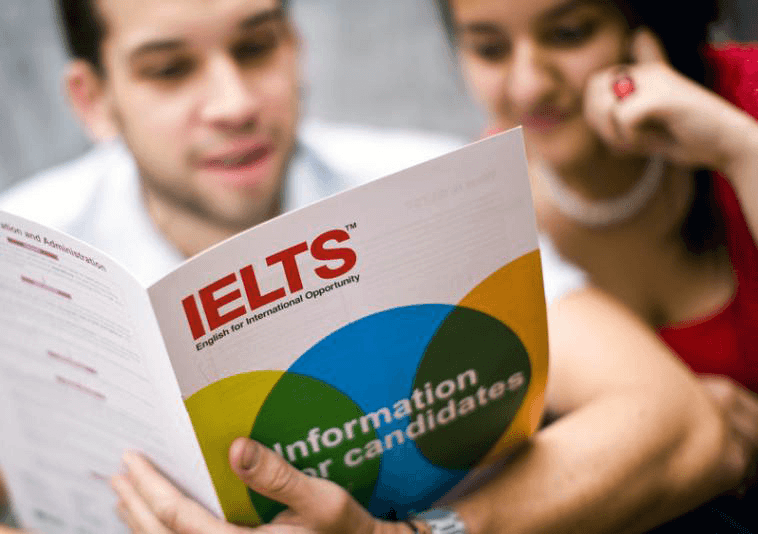
The International English Language Testing System (IELTS) is the TOEFL’s closest competitor. While both assess reading, listening, speaking, and writing, differences include:
- Format: IELTS offers paper and computer-based tests; TOEFL iBT is entirely digital.
- Accent Variation: IELTS incorporates diverse English accents (British, Australian), whereas TOEFL uses North American accents.
- Scoring: IELTS uses a 9-band scale, while TOEFL employs a 120-point system.
TOEFL vs. TOEIC
The Test of English for International Communication (TOEIC) targets workplace proficiency, emphasizing business communication over academic skills. Corporations and governments favor the TOEIC for hiring and promotions, whereas the TOEFL remains academia-oriented.
Administration and Registration
Test Availability
The TOEFL iBT is offered over 60 times annually at authorized centers worldwide. The Essentials exam, a 1.5-hour assessment, provides a shorter alternative focusing on general and academic English. Registration occurs via the ETS website, with fees varying by country (typically $180–$300).
Accommodations and Retakes
ETS provides accommodations for disabilities, including extended time and screen readers. Candidates may retake the test unlimitedly but must wait three days between attempts. Score reports automatically include MyBest Scores, enhancing flexibility for applicants.
Conclusion
The TOEFL remains a cornerstone of international education, bridging linguistic gaps for millions of students annually. Its evolution from a rudimentary multiple-choice exam to a dynamic, integrated assessment mirrors broader shifts in language pedagogy. For aspiring scholars, mastering the TOEFL’s structure and demands is not merely a procedural hurdle but a transformative step toward global academic engagement. As educational landscapes evolve, the TOEFL’s role in fostering cross-cultural exchange and academic excellence endures, underpinned by ETS’s commitment to validity, accessibility, and innovation.
![[TOEFL Score Range] What Is a Good TOEFL Score Out of 120?](/_vercel/image?url=https%3A%2F%2Fcdn.sanity.io%2Fimages%2F25652opf%2Fproduction%2Feaa25116343ae3f8bf6ef9a1109ada964bfcf0bf-2240x1260.png&w=1200&q=75)