IELTS Exam Preparation|How to improve writing
LingoleapDecember 25, 2023
Many people have some misunderstandings when it comes to IELTS writing preparation, believing that preparing for writing is the same as preparing for listening and reading, thinking that just memorizing model samples is enough.
However, this approach is absolutely wrong.
The writing test is highly subjective and there is no standardized answer. Directly copying someone else's work is definitely not acceptable.
In practicing writing, what everyone needs to refer to are only the writing frameworks, but the specific content of the expression should not be copied.
During writing preparation, one can start by watching a few IELTS writing tutorial videos on YouTube, including: line chart for Task 1, pie chart graph for Task 1, process diagrams and maps for Task 1; one-sided discussion for Task 2, two-sided discussion for Task 2, etc.
The focus should be on understanding the writing framework for different types of questions, rather than the vocabulary and expressions used by the youtubers.
After mastering the writing framework, you can start writing and practicing more on your own.
The key points to note for IELTS writing are as follows:
- Both Task 1 and Task 2 require clear and organized logic.
- Task 2 should include specific examples and details to support arguments.
- Use appropriate linking and transition words to ensure logical connections and fluency between sentences.
- Avoid repetitive use of words and unnecessary phrases.
- Pay attention to grammar and spelling during the proofreading process.
- Employ a variety of sentence structures and patterns to enhance language expression diversity.
In both Task 1and Task 2, expressing the intended meaning based on the given topic is not difficult. For instance, when interpreting a dynamic chart in a small essay, most people can articulate the content in English. However, the reason many people consistently score low in essays is due to a lack of organization and unclear logic.
Logic and organization are challenging and non-standardized aspects. Due to habitual thinking during self-checks, it's challenging to identify expression and organizational issues in our own writing. Hence, the writing evaluation is particularly crucial.
Writing evaluation is not only a process of understanding one's writing situation but also a self-reflective and thought-organizing process.
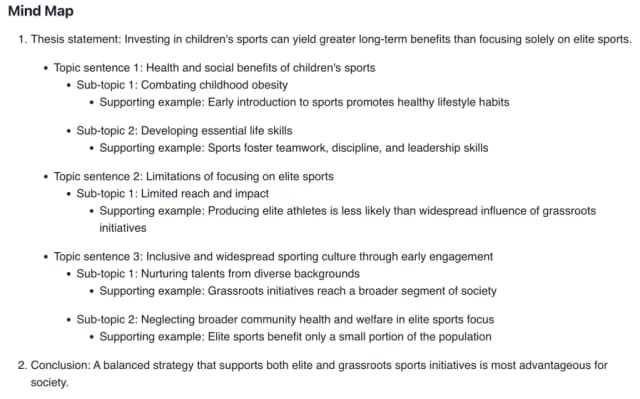
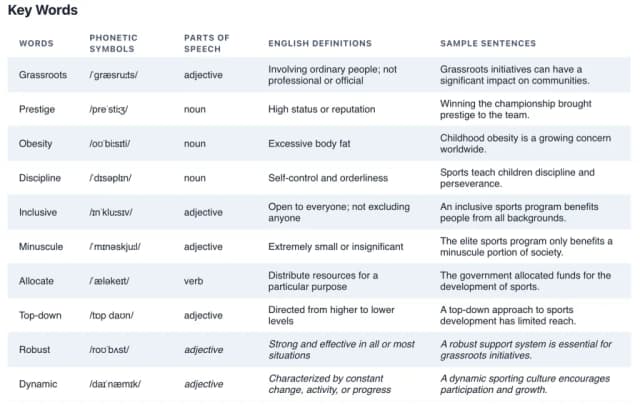
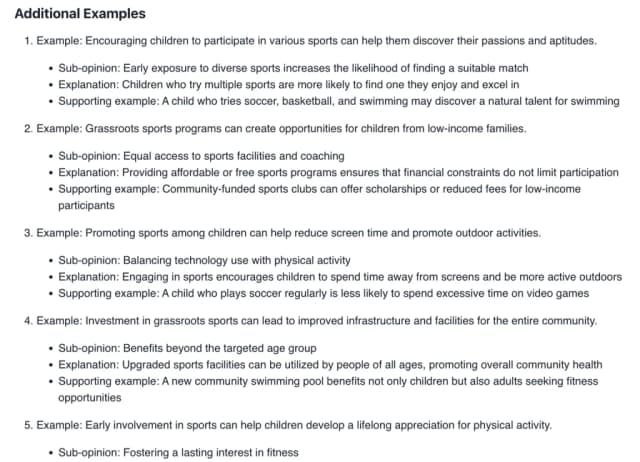
Regularly using Lingoleap.ai 's writing evaluation function allows you to explore the logic of IELTS writing, gaining mastery over more lexical resources.
The process is as follows:
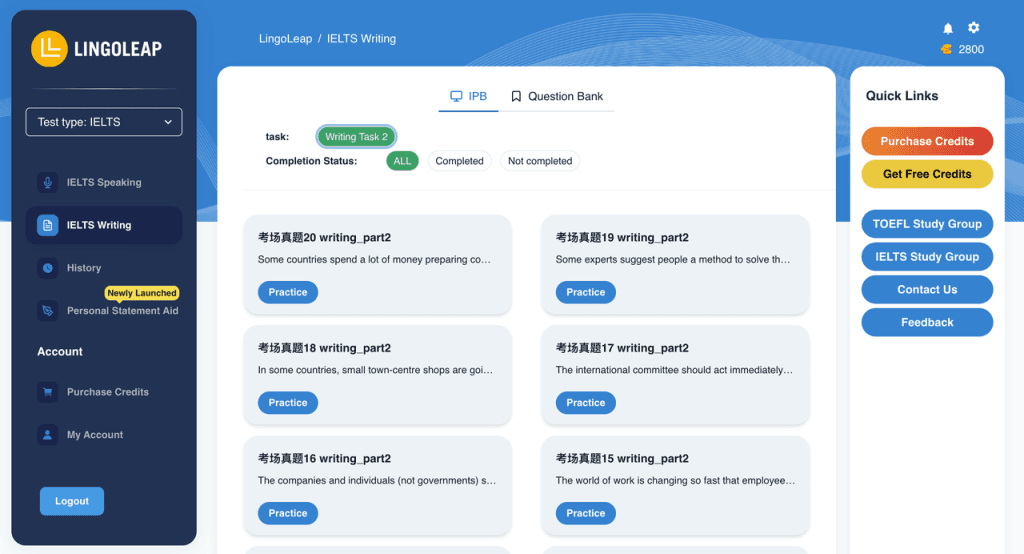
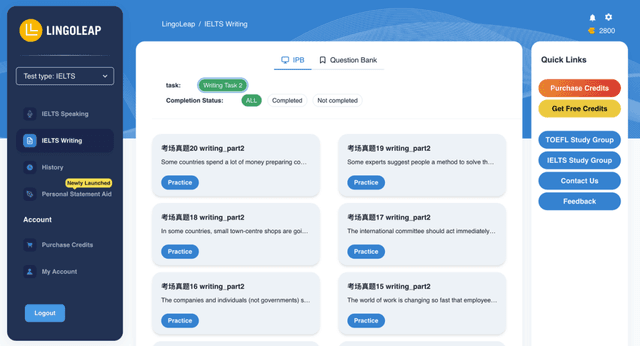
Step 1: Select the test type as IELTS in the left column and select IELTS Writing. Then choose the questions you want to practice.
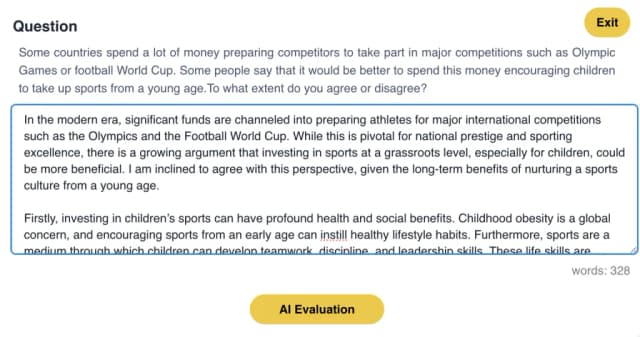
Step 2: Type your essay, and then press the AI Evaluation button
Step 3: Wait for around 2 minutes and then get your result
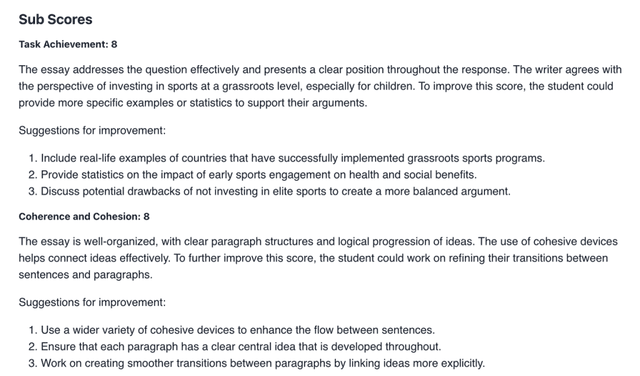
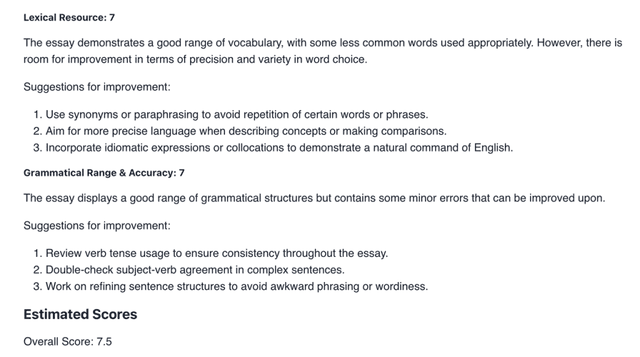
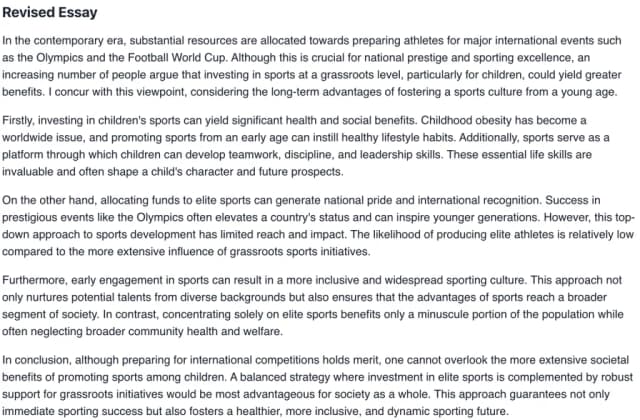
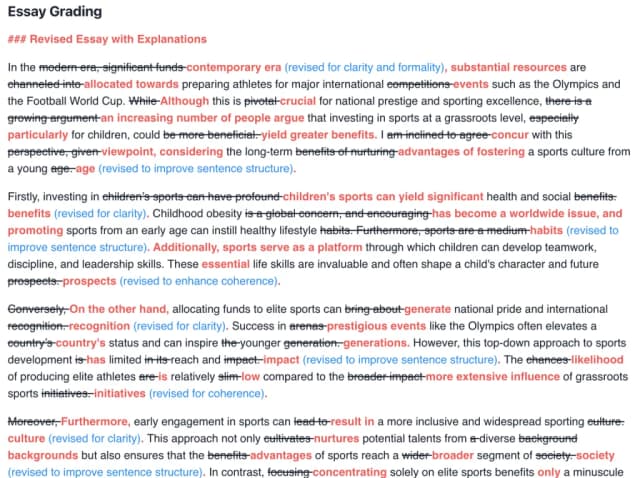
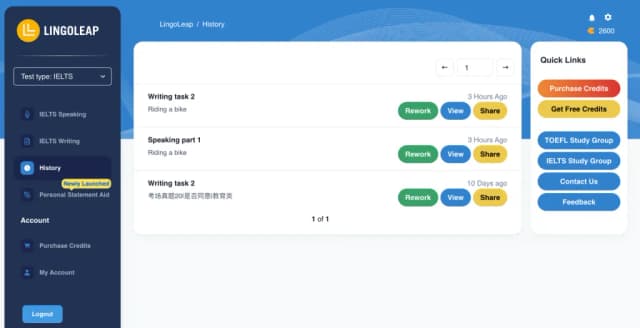
You can also check the history records in the left column of the webpage, so that you can check your previous answer.