2026 TOEFL Academic Discussion Template: How to Agree and Extend for a High Score
YutingJanuary 27, 2026

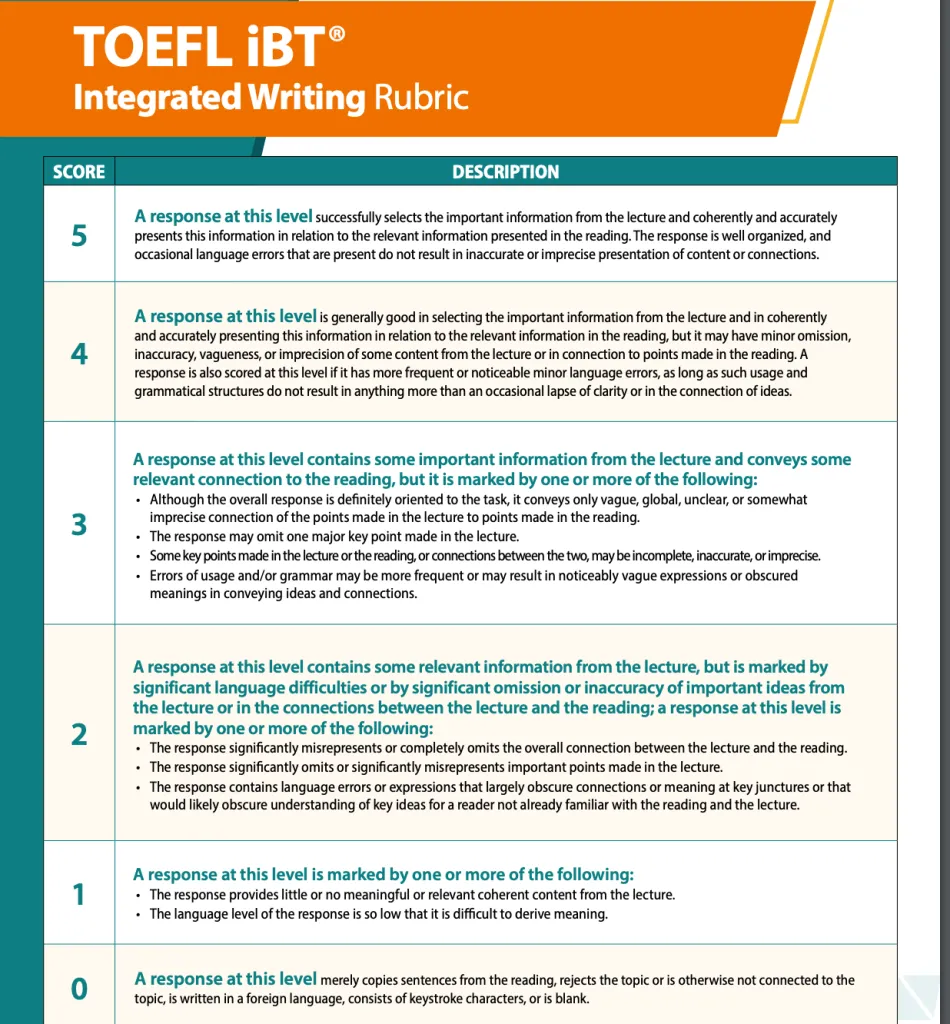
Starting in 2026, the TOEFL iBT has been redesigned across sections to better reflect real academic communication, as outlined in the Complete Guide to 2026 New TOEFL. While the Writing section has undergone major changes in task structure and evaluation logic, the Academic Discussion task has been retained—now assessed using updated criteria that emphasize contribution quality, coherence, and support rather than writing length or rhetorical flourish. These priorities are clearly reflected in the 2026 TOEFL Writing rubrics, which explain how ETS evaluates responses at different score bands.
Unlike the new Email writing in TOEFL 2026, Academic Discussion responses are not driven by bullet points. Instead, you are asked to read a professor’s question and two students’ opinions, then add your own perspective in a way that meaningfully advances the discussion. Because this task has existed in earlier TOEFL formats, many students assume they already know how to handle it. In reality, the 2026 rubric makes expectations more explicit—and slightly higher.
This article introduces one of the most reliable response frameworks for the Academic Discussion task and explains how to use it effectively under the 10-minute time limit.
Why “Agree & Extend” Works in TOEFL 2026
Academic Discussion is not about choosing a side. It is about adding value to an ongoing conversation.
The Agree & Extend approach works because it:
- Shows clear engagement with another student’s idea
- Adds new reasoning, conditions, or examples
- Maintains strong coherence without overcomplication
From a rater’s perspective, this structure makes the response easy to follow and easy to score.
The Agree & Extend Template
Step 1: State your position and reference a peer
In my opinion, I agree with [Student Name] that [brief restatement of their point].
Step 2: Extend the idea with a new reason or condition
To build on this idea, [introduce a reason, condition, or implication not mentioned earlier].
Step 3: Support with an example
For example, [brief real-world, academic, or personal example].
Step 4: Light wrap-up
This shows why [reaffirm your stance in one sentence].
This structure naturally produces a coherent response of 100–130 words without sounding memorized. You can also learn about more common phrases and expressions for 2026 TOEFL Academic Discussion here and use them flexibly in your writing.
When to Use Agree & Extend
This template is ideal when:
- One student’s argument is clearly stronger
- You can easily add a supporting example
- You want a stable 4–5 band response with low risk
It is especially effective for topics in education, technology, social issues, and policy discussions.
Common Mistakes to Avoid
- Only agreeing without adding new information
- Listing multiple ideas without developing any
- Overloading the response with transitions or complex sentences
Remember: extension matters more than sophistication.
Practice with Real Prompts and Rubric-Aligned Feedback
Understanding a template is only the first step. Seeing how ETS evaluates your response in practice is what turns structure into score improvement.
With task-specific prompts from LingoLeap’s 2026 TOEFL Academic Discussion question bank, you receive AI-driven feedback aligned with official scoring rubrics—helping you sharpen ideas, strengthen support, and maintain focus under real exam time pressure. If you want to move beyond intuition and practice with clear scoring signals, you can start a free trial and work directly with Academic Discussion questions designed to match the 2026 format.